Introduction to Outdoor Solar Walkway Lighting
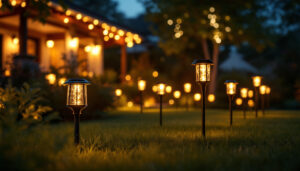
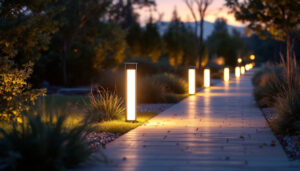
Outdoor solar lights for walkways have become an increasingly popular choice among lighting contractors aiming to deliver sustainable, cost-effective, and visually appealing solutions. The integration of solar technology into landscape lighting not only enhances safety and aesthetics but also aligns with growing environmental concerns and energy efficiency standards. These lights harness the power of the sun, converting sunlight into energy during the day and illuminating pathways at night without relying on traditional electrical sources, thereby reducing the carbon footprint associated with outdoor lighting.
For lighting contractors, understanding the nuances of solar walkway lighting—from product selection to installation techniques—is crucial for maximizing client satisfaction and project success. This article explores top strategies that professionals employ to optimize outdoor solar walkway lighting installations. Key considerations include the selection of high-quality solar panels that can withstand various weather conditions, ensuring the lights are positioned to receive adequate sunlight, and choosing designs that complement the overall landscape aesthetic. Additionally, advancements in LED technology have significantly improved the brightness and efficiency of solar lights, allowing for longer illumination periods and enhanced visibility along walkways.
Moreover, the versatility of solar walkway lights extends beyond mere functionality; they can be utilized to create mood and ambiance in outdoor spaces. By incorporating different styles, such as modern, rustic, or decorative lanterns, contractors can cater to diverse client preferences while enhancing the overall appeal of the property. Furthermore, integrating smart technology into solar lighting systems offers clients the ability to control their lights remotely, adjust brightness levels, and set timers for automated operation, thus providing an added layer of convenience and customization. As the demand for eco-friendly solutions continues to rise, the role of solar walkway lighting in sustainable landscaping will only become more prominent, making it essential for contractors to stay informed about the latest trends and innovations in this field.
Why Solar Walkway Lighting is a Game-Changer
Energy Efficiency and Cost Savings
One of the most compelling reasons to choose solar walkway lights is their energy independence. Powered by photovoltaic cells, these lights harness sunlight during the day and illuminate pathways at night without drawing electricity from the grid. This translates into significant energy savings for clients, reducing operational costs and carbon footprints.
From a contractor’s perspective, promoting these benefits can be a strong selling point. Many clients appreciate the low maintenance and zero electricity bills associated with solar lighting, making it easier to justify initial installation costs.
Environmental Impact and Sustainability
Incorporating solar lighting aligns with broader sustainability goals. As governments and municipalities increasingly encourage green building practices, lighting contractors who specialize in solar solutions position themselves as forward-thinking professionals. Solar walkway lights contribute to reducing greenhouse gas emissions and reliance on fossil fuels, which resonates well with eco-conscious clients.
Ease of Installation and Flexibility
Unlike traditional wired lighting systems, solar walkway lights require no trenching or electrical wiring. This reduces labor time and complexity, allowing contractors to complete projects more quickly and with fewer disruptions to the landscape. The flexibility of placement also enables creative lighting designs that can adapt to various walkway shapes and materials.
Selecting the Right Solar Walkway Lights
Assessing Lumens and Brightness Requirements
Brightness is a critical factor in walkway lighting, directly impacting safety and ambiance. Lighting contractors should evaluate the lumen output of solar fixtures to ensure adequate illumination. Typically, solar walkway lights range from 10 to 100 lumens, with higher lumens suitable for wider or more trafficked paths.
Understanding the client’s needs—whether for subtle accent lighting or bright safety lighting—guides the selection process. It’s also important to consider the light distribution pattern, as some fixtures offer focused beams while others provide broader coverage.
Battery Capacity and Solar Panel Efficiency
The performance of solar walkway lights heavily depends on the quality of the battery and solar panel. Lithium-ion batteries are preferred for their longevity and consistent power output. Contractors should verify the battery capacity to ensure the lights can operate throughout the night, especially in regions with limited sunlight.
Solar panel efficiency varies by technology and design. Monocrystalline panels generally provide better energy conversion rates than polycrystalline ones, which is a key consideration for installations in shaded or less sunny environments.
Durability and Weather Resistance
Outdoor lighting fixtures must withstand diverse weather conditions, including rain, snow, and temperature fluctuations. Lighting contractors should prioritize products with high IP (Ingress Protection) ratings—typically IP65 or higher—to guarantee resistance against dust and water ingress.
Materials such as stainless steel, aluminum, and UV-resistant plastics enhance durability. Additionally, fixtures with corrosion-resistant finishes extend the lifespan of the installation, reducing maintenance calls and increasing client satisfaction.
Design and Placement Strategies for Maximum Impact
Strategic Spacing and Height Considerations
Proper spacing between solar walkway lights ensures uniform illumination and prevents dark spots that could compromise safety. A general rule of thumb is to space lights approximately 6 to 8 feet apart, though this varies based on the fixture’s brightness and beam angle.
The height of the fixtures also influences light dispersion. Most solar walkway lights are designed to be low-profile, mounted 12 to 18 inches above the ground to highlight the path without causing glare. Contractors should tailor placement to the specific walkway dimensions and client preferences.
Incorporating Layered Lighting Techniques
Lighting contractors often recommend layering solar walkway lights with other outdoor lighting elements such as spotlights, uplights, or garden lights. This approach creates depth and visual interest while enhancing overall safety.
For example, combining solar path lights with subtle uplighting on adjacent trees or shrubs can produce a welcoming ambiance. Layered lighting also allows for flexibility in highlighting architectural features or landscaping elements, elevating the property’s curb appeal.
Addressing Shading and Solar Exposure Challenges
Solar lights require adequate sunlight exposure to recharge effectively. Contractors must assess the site for potential shading from trees, buildings, or other structures that could limit solar panel efficiency. In shaded areas, selecting fixtures with larger panels or supplemental solar modules can mitigate performance issues.
Alternatively, repositioning lights or trimming obstructive foliage may be necessary to optimize sunlight capture. Accurate site analysis and client communication are essential to set realistic expectations about light duration and brightness.
Installation Best Practices for Lighting Contractors
Preparing the Site and Ground Conditions
Before installation, contractors should thoroughly prepare the walkway area. This includes clearing debris, leveling the ground, and ensuring stable soil conditions to securely anchor fixtures. Uneven terrain can cause lights to tilt or become unstable, compromising both aesthetics and function.
In some cases, installing a base or stake extension may be necessary to accommodate soft or rocky soil. Proper preparation minimizes future maintenance and enhances the longevity of the installation.
Optimizing Solar Panel Orientation
For maximum energy absorption, solar panels should be oriented to face true south in the northern hemisphere (or true north in the southern hemisphere) at an angle that matches the latitude of the location. Lighting contractors must carefully adjust panel angles during installation to capture the most sunlight throughout the year.
Many solar walkway lights come with adjustable panels, allowing fine-tuning post-installation. Educating clients on seasonal adjustments can further improve performance, especially in areas with significant sun angle variation.
Ensuring Secure and Weatherproof Connections
Although solar walkway lights are typically standalone units, some systems include connectors for linking multiple fixtures or integrating with other lighting components. Contractors should use weatherproof connectors and seal any exposed wiring to prevent moisture ingress.
Additionally, securing fixtures firmly in the ground prevents displacement due to wind, foot traffic, or landscaping activities. Using stakes or mounting brackets designed for outdoor conditions enhances stability.
Maintenance and Troubleshooting Tips
Routine Cleaning for Optimal Performance
Solar panels accumulate dust, dirt, and debris over time, which can reduce their efficiency. Lighting contractors should advise clients on the importance of periodic cleaning using a soft cloth and mild detergent. Avoiding abrasive materials preserves the panel’s surface and prolongs its lifespan.
Regular inspection of fixtures for damage or corrosion also helps identify issues early, preventing costly repairs or replacements.
Battery Replacement and Lifecycle Management
Rechargeable batteries in solar lights have a finite lifespan, typically lasting between 2 to 5 years depending on usage and quality. Contractors should inform clients about expected battery life and offer replacement services as part of ongoing maintenance contracts.
Using high-quality batteries and ensuring proper charging cycles can extend battery longevity. Monitoring light output and duration helps detect battery degradation promptly.
Troubleshooting Common Issues
Common problems with solar walkway lights include dimming, flickering, or failure to turn on. These issues often stem from insufficient sunlight, dirty panels, depleted batteries, or faulty sensors.
Lighting contractors can troubleshoot by first cleaning panels and checking for shading. Testing battery voltage and replacing batteries if necessary addresses power-related problems. Ensuring that motion sensors or light sensors are unobstructed and functioning correctly also resolves many operational concerns.
Marketing Solar Walkway Lighting Services
Highlighting Sustainability and Cost Benefits
Contractors can differentiate their services by emphasizing the environmental benefits and long-term savings of solar walkway lighting. Presenting data on energy cost reductions and carbon footprint minimization resonates with eco-conscious homeowners and commercial clients alike.
Case studies showcasing successful installations with measurable energy savings reinforce credibility and encourage referrals.
Offering Customized Lighting Designs
Providing tailored lighting plans that incorporate client preferences, landscape features, and functional requirements enhances perceived value. Utilizing design software or 3D modeling can help clients visualize the final outcome, increasing confidence in the investment.
Contractors who demonstrate expertise in blending aesthetics with technology are more likely to secure high-end projects.
Leveraging Maintenance Packages for Recurring Revenue
Solar walkway lighting systems require minimal but consistent upkeep. Offering maintenance contracts that include cleaning, battery replacement, and performance checks creates ongoing revenue streams and strengthens client relationships.
Proactive service plans also reduce the likelihood of system failures, protecting the contractor’s reputation for quality workmanship.
Conclusion
Outdoor solar walkway lighting represents a dynamic and growing segment within the lighting industry. For lighting contractors, mastering the selection, design, installation, and maintenance of these systems is essential to meeting modern client demands for sustainability, efficiency, and style.
By applying the strategies outlined—from choosing high-quality components to optimizing placement and educating clients—professionals can deliver exceptional solar lighting solutions that enhance safety, beauty, and environmental stewardship. Embracing these best practices not only elevates project outcomes but also positions contractors as leaders in the evolving landscape lighting market.
Illuminate Your Projects with LumenWholesale
Ready to elevate your outdoor solar walkway lighting projects with the highest quality products at the best value? Look no further than LumenWholesale. Our spec-grade lighting solutions are designed to meet your most demanding project requirements while ensuring maximum sustainability and style. With unbeatable wholesale prices and free shipping on bulk orders, you can trust LumenWholesale to provide premium lighting without the premium price tag. Make the smart choice for your business and explore our collection of wholesale lighting today.