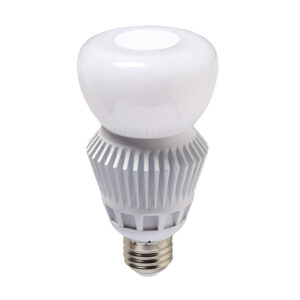
Understanding Light Bulb Bases
In the world of lighting, the base of a light bulb is as crucial as the bulb itself. The base not only connects the bulb to the fixture but also plays a significant role in the overall performance and compatibility of the lighting system. For lighting contractors, understanding the various sizes and types of bases is essential for ensuring customer satisfaction and project success.
This article will delve into the standard sizes of light bulb bases, their applications, and how contractors can maximize their effectiveness by selecting the right base for each project. By gaining a comprehensive understanding of light bulb bases, contractors can enhance their expertise and provide better service to clients.
Light bulb bases come in a variety of shapes and sizes, each designed for specific applications. For instance, the common Edison screw base, known as E26 in the United States, is widely used in household lighting fixtures, while the smaller E12 base is often found in decorative lighting such as chandeliers and nightlights. Additionally, there are specialized bases like the GU10 and MR16, which are typically used in track lighting and recessed fixtures. Understanding these distinctions allows contractors to recommend the most suitable options for their clients, ensuring both functionality and aesthetic appeal.
Moreover, the choice of base can significantly influence energy efficiency and bulb lifespan. For example, LED bulbs with compatible bases not only consume less energy compared to traditional incandescent bulbs but also offer a longer operational life, which can be a selling point for contractors. By educating clients on the benefits of selecting energy-efficient bulbs with the right bases, contractors can help them make informed decisions that align with their sustainability goals. This knowledge not only enhances the contractor’s credibility but also fosters trust and long-term relationships with clients, as they appreciate the value of expert guidance in their lighting choices.
Common Light Bulb Base Types
Light bulbs come in a variety of shapes and sizes, each designed for specific applications. The base type is a critical factor in determining compatibility with fixtures. Here are some of the most common light bulb base types that contractors should be familiar with:
1. Edison Screw Bases
The Edison screw base is perhaps the most recognizable and widely used base type in the lighting industry. It features a threaded design that allows for easy installation and removal. The most common sizes include:
- E26: This is the standard base size for most household light bulbs in North America.
- E27: Similar to the E26, this base is commonly used in Europe and other regions.
- E12: Known as the candelabra base, this smaller size is often used in decorative fixtures.
Understanding the differences between these sizes is vital for contractors, as using the wrong size can lead to compatibility issues and potential project delays. Additionally, the Edison screw base has evolved to accommodate various technologies, including incandescent, LED, and CFL bulbs, making it a versatile choice for many lighting solutions. When selecting bulbs, contractors should also consider the wattage and lumens output, as these factors can greatly influence the overall effectiveness of the lighting in a space.
2. Bi-Pin Bases
Bi-pin bases are characterized by two pins that connect the bulb to the fixture. They are commonly used in compact fluorescent lamps (CFLs) and halogen bulbs. The most frequently encountered bi-pin sizes include:
- G4: A small base typically used in landscape lighting and decorative fixtures.
- G5.3: Commonly used in MR16 halogen bulbs, often found in track lighting.
- G8: Used in various applications, including under-cabinet lighting.
Contractors should be aware of the specific applications for each bi-pin base size to ensure they select the appropriate bulb for their projects. Moreover, bi-pin bases are often favored for their compact design, allowing for more flexible installation in tight spaces. As energy efficiency becomes increasingly important, many contractors are also exploring LED options that fit bi-pin bases, which not only provide substantial energy savings but also have a longer lifespan compared to traditional bulbs.
3. Bayonet Bases
Bayonet bases are less common than Edison screw and bi-pin bases but are still important in certain applications. These bases feature a push-and-twist mechanism that secures the bulb in place. Common bayonet sizes include:
- B22: Widely used in the UK and other countries for standard light bulbs.
- B15: Often used in smaller fixtures and decorative applications.
Understanding bayonet bases can help contractors cater to clients who prefer these types of bulbs, particularly in regions where they are more prevalent. The bayonet design is particularly advantageous in situations where a secure fit is necessary, such as in outdoor lighting or in fixtures that may be subject to vibration. Furthermore, with the growing trend towards smart lighting solutions, contractors may find bayonet base bulbs that incorporate smart technology, allowing for remote control and automation, thus enhancing the overall functionality and appeal of the lighting installations they provide.
Choosing the Right Base for Your Projects
Selecting the appropriate light bulb base is crucial for lighting contractors to ensure compatibility and functionality. Here are some considerations to keep in mind when choosing the right base for a project:
1. Fixture Compatibility
The first step in choosing the right base is to assess the compatibility with existing fixtures. Each fixture is designed to accommodate specific base types and sizes. Contractors should always check the specifications of the fixture to ensure that the selected bulb will fit properly and function as intended.
In some cases, fixtures may allow for multiple base types, providing flexibility in bulb selection. However, it is essential to consider factors such as wattage and lumens to ensure optimal performance.
2. Energy Efficiency
With the growing emphasis on energy efficiency, many contractors are turning to LED bulbs as a sustainable option. LED bulbs are available in various base types, including Edison screw and bi-pin bases. When selecting bulbs for a project, contractors should consider the energy efficiency ratings and the potential cost savings for clients.
Additionally, energy-efficient bulbs often have longer lifespans, which can reduce maintenance costs and enhance customer satisfaction.
3. Aesthetic Considerations
The aesthetic appeal of lighting can significantly impact the overall design of a space. Contractors should consider the visual aspects of the chosen bulb and base type. For instance, candelabra bases are often used in decorative fixtures to create a warm and inviting atmosphere.
By understanding the various base types and their applications, contractors can provide clients with tailored solutions that not only meet functional requirements but also enhance the visual appeal of the space.
Common Mistakes to Avoid
Even experienced lighting contractors can make mistakes when it comes to selecting light bulb bases. Here are some common pitfalls to avoid:
1. Ignoring Specifications
One of the most significant mistakes contractors can make is ignoring the specifications of the fixture. Each fixture has a designated base size and type, and using the wrong bulb can lead to compatibility issues. Always double-check the specifications before making a purchase.
2. Overlooking Wattage Limitations
Another common error is overlooking the wattage limitations of fixtures. Each fixture is designed to handle a specific wattage, and exceeding this limit can lead to overheating and potential fire hazards. Contractors should always verify the wattage requirements of both the fixture and the bulb.
3. Failing to Consider the Application
Different applications require different types of bulbs. For example, a bulb used in a residential setting may not be suitable for commercial or industrial use. Contractors should consider the specific application and environment when selecting bulbs and bases to ensure optimal performance.
Emerging Trends in Lighting Technology
The lighting industry is constantly evolving, with new technologies and trends emerging regularly. Staying informed about these developments can help contractors remain competitive and provide cutting-edge solutions to clients.
1. Smart Lighting
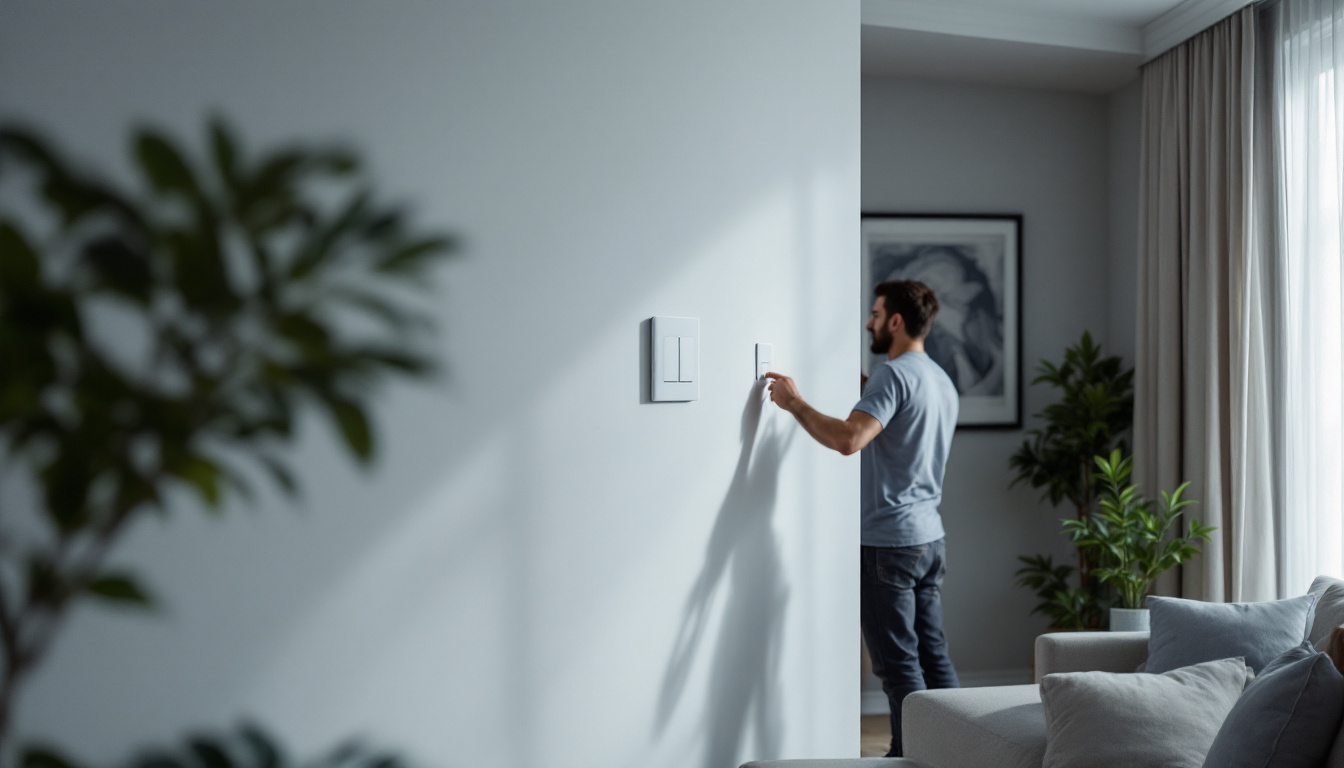
Smart lighting technology is gaining popularity, allowing users to control their lighting systems remotely through smartphones and smart home devices. Many smart bulbs feature standard bases, making it easy for contractors to integrate them into existing fixtures. Understanding the compatibility of smart bulbs with various base types is essential for successful installations.
2. Color Temperature and Tunable White
Another trend is the increasing demand for tunable white lighting, which allows users to adjust the color temperature of their lighting. This technology can enhance the ambiance of a space and improve overall well-being. Contractors should be aware of the available options and how they can be integrated into different base types.
3. Sustainability and Eco-Friendly Options
As sustainability becomes a priority for many consumers, eco-friendly lighting options are on the rise. LED bulbs are a popular choice due to their energy efficiency and long lifespan. Contractors should educate clients about the benefits of eco-friendly lighting and help them select the right base types for their projects.
Conclusion
Understanding the size and type of light bulb bases is essential for lighting contractors aiming to maximize their success. By familiarizing themselves with the various base types, their applications, and the common mistakes to avoid, contractors can enhance their expertise and provide exceptional service to clients.
As the lighting industry continues to evolve, staying informed about emerging trends and technologies will further empower contractors to deliver innovative solutions. By prioritizing fixture compatibility, energy efficiency, and aesthetic considerations, lighting contractors can ensure that their projects not only meet functional requirements but also exceed client expectations.
In conclusion, the right light bulb base can make all the difference in a successful lighting project. By investing time in understanding these critical components, contractors can position themselves as knowledgeable professionals in the field, ultimately leading to greater success and client satisfaction.
Illuminate Your Projects with LumenWholesale
Ready to elevate your lighting projects with the right bases and bulbs? At LumenWholesale, we provide lighting contractors with an exceptional range of high-quality, spec-grade lighting products at the most competitive wholesale prices. Say goodbye to local distributor markups and hello to a vast selection of reliable lighting solutions that meet the highest industry standards. With the added benefits of free shipping and bulk buying convenience, LumenWholesale is your go-to source for premium lighting without the premium price tag. Don’t compromise on quality or value; visit LumenWholesale for Wholesale Lighting at the Best Value and make your next project shine.