Introduction to T12 and T8 Lighting Technologies
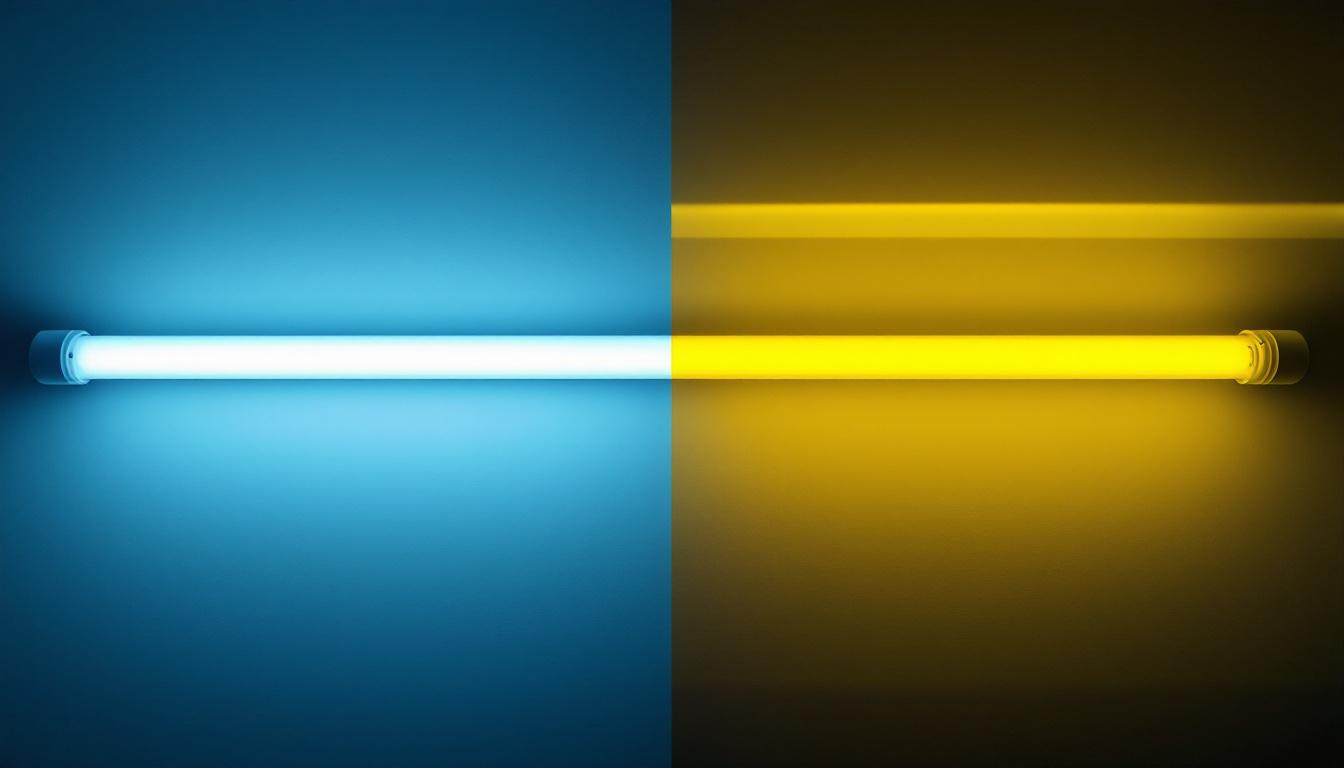
Lighting contractors frequently encounter questions and decisions regarding the choice between T12 and T8 fluorescent lamps. These two types of tubular lamps have been staples in commercial, industrial, and residential lighting for decades, yet they differ significantly in performance, efficiency, and application. Understanding these differences is crucial for lighting contractors who aim to provide informed recommendations to clients and ensure optimal lighting solutions.
Clients today expect lighting contractors not only to know the technical distinctions but also to advise on energy efficiency, cost-effectiveness, and regulatory compliance. This article explores the fundamental differences between T12 and T8 lights, helping contractors meet client expectations with confidence and professionalism.
T12 lamps, with a diameter of 1.5 inches, were once the go-to choice for many applications due to their availability and lower initial cost. However, they are less energy-efficient compared to their T8 counterparts, which have a diameter of 1 inch. T8 lamps generally provide more lumens per watt, translating to brighter light output with lower energy consumption. This efficiency not only reduces electricity bills but also contributes to a smaller carbon footprint, making T8 lamps a more environmentally friendly option. Furthermore, many local and national energy codes now incentivize or mandate the use of more efficient lighting technologies, pushing contractors to consider T8 lamps as a more compliant choice.
In addition to energy efficiency, the longevity of T8 lamps often surpasses that of T12 lamps, with T8s typically rated for up to 30,000 hours of use compared to the 20,000 hours often expected from T12s. This extended lifespan means fewer replacements and lower maintenance costs over time, which can be a significant selling point for clients looking to minimize long-term expenses. Additionally, T8 lamps are compatible with electronic ballasts, which further enhance their performance by reducing flicker and improving color rendering. As contractors navigate the complexities of lighting options, understanding the nuances of these technologies can empower them to make recommendations that not only meet client needs but also align with evolving industry standards and sustainability goals.
Technical Differences Between T12 and T8 Lamps
Physical Dimensions and Design
The most immediately noticeable difference between T12 and T8 lamps is their diameter. The “T” designation refers to the tube diameter in eighths of an inch. A T12 lamp is 12/8 inches (1.5 inches) in diameter, while a T8 lamp is 8/8 inches (1 inch) in diameter. This difference affects the lamp’s compatibility with fixtures and ballasts, making it essential for contractors to verify the correct sizing when replacing or installing lighting.
Beyond diameter, T8 lamps often incorporate improved phosphor coatings and glass technology, which contribute to better light quality and efficiency. The slimmer profile of T8 lamps also allows for more modern fixture designs that can enhance aesthetics and fixture versatility. Additionally, the reduced size of T8 lamps enables more efficient use of space in lighting fixtures, allowing for more lamps to be fitted into a single fixture without compromising light output. This is particularly advantageous in commercial settings where maximizing illumination while minimizing energy consumption is a priority.
Electrical and Ballast Compatibility
T12 lamps typically operate on magnetic ballasts, which are heavier, noisier, and less energy-efficient compared to the electronic ballasts used with T8 lamps. Electronic ballasts provide instant start or programmed start options, reducing flicker and extending lamp life. This difference in ballast technology is a critical consideration for contractors advising clients on upgrades or replacements.
It is important to note that T12 and T8 lamps are not interchangeable without changing the ballast. Installing a T8 lamp in a fixture designed for T12 without replacing the ballast can lead to poor performance, reduced lamp life, and potential safety hazards. Furthermore, the shift from T12 to T8 has been encouraged by various energy efficiency programs and regulations, as T8 lamps consume significantly less energy while providing comparable or superior light output. This transition not only benefits the environment but also offers long-term cost savings for businesses and homeowners alike, making it a wise investment for those looking to upgrade their lighting systems.
Energy Efficiency and Environmental Impact
Energy Consumption and Cost Savings
One of the primary reasons clients seek advice on T12 versus T8 lighting is energy efficiency. T8 lamps consume less power to produce the same or better light output compared to T12 lamps. For example, a typical T12 lamp might consume 40 watts, whereas a comparable T8 lamp uses approximately 32 watts, representing a 20% reduction in energy use.
Over time, this energy saving translates into significant cost reductions on electricity bills, especially in commercial or industrial settings where lighting operates for extended hours. Lighting contractors who can quantify these savings for clients strengthen their credibility and help clients make financially sound decisions. Furthermore, many utility companies offer rebates and incentives for businesses that upgrade to more energy-efficient lighting solutions, providing an additional financial incentive for clients to consider T8 lamps. This not only enhances the overall return on investment but also promotes a culture of sustainability within the organization.
Environmental Considerations
Reducing energy consumption also reduces carbon footprint, aligning with many clients’ sustainability goals. Additionally, T8 lamps tend to have a longer lifespan—often up to 20,000 hours compared to 15,000 hours for T12 lamps—resulting in fewer replacements and less waste. This longevity not only benefits the environment but also reduces maintenance costs and downtime. With fewer lamps needing to be disposed of, businesses can also minimize their contribution to landfill waste, which is an increasingly important consideration in today’s environmentally conscious market.
Many jurisdictions have phased out or restricted the use of T12 lamps due to their inefficiency and environmental impact. Lighting contractors should be aware of local regulations and help clients transition to compliant, energy-efficient lighting systems. Moreover, the shift towards T8 and other advanced lighting technologies, such as LED, reflects a broader trend in the industry towards sustainable practices. By embracing these changes, businesses not only comply with regulations but also position themselves as leaders in environmental stewardship, which can enhance their brand reputation and attract eco-conscious consumers.
Lighting Quality and Performance
Color Rendering and Light Output
Clients often inquire about the quality of light when considering T12 versus T8 lamps. T8 lamps generally offer superior color rendering indexes (CRI), meaning they render colors more accurately and naturally. This is particularly important in retail, healthcare, and office environments where visual clarity and ambiance affect productivity and customer experience.
Additionally, T8 lamps provide more consistent light output over their lifespan. T12 lamps tend to dim more noticeably as they age, which can lead to uneven lighting and increased energy use if fixtures are over-lit to compensate.
Flicker and Noise
Flicker and noise are common concerns in lighting installations. T12 lamps powered by magnetic ballasts often exhibit flicker and audible hum, which can cause discomfort or distraction in workspaces. T8 lamps with electronic ballasts operate quietly and with minimal flicker, improving occupant comfort and reducing complaints.
Installation and Maintenance Considerations
Retrofit and Replacement Challenges
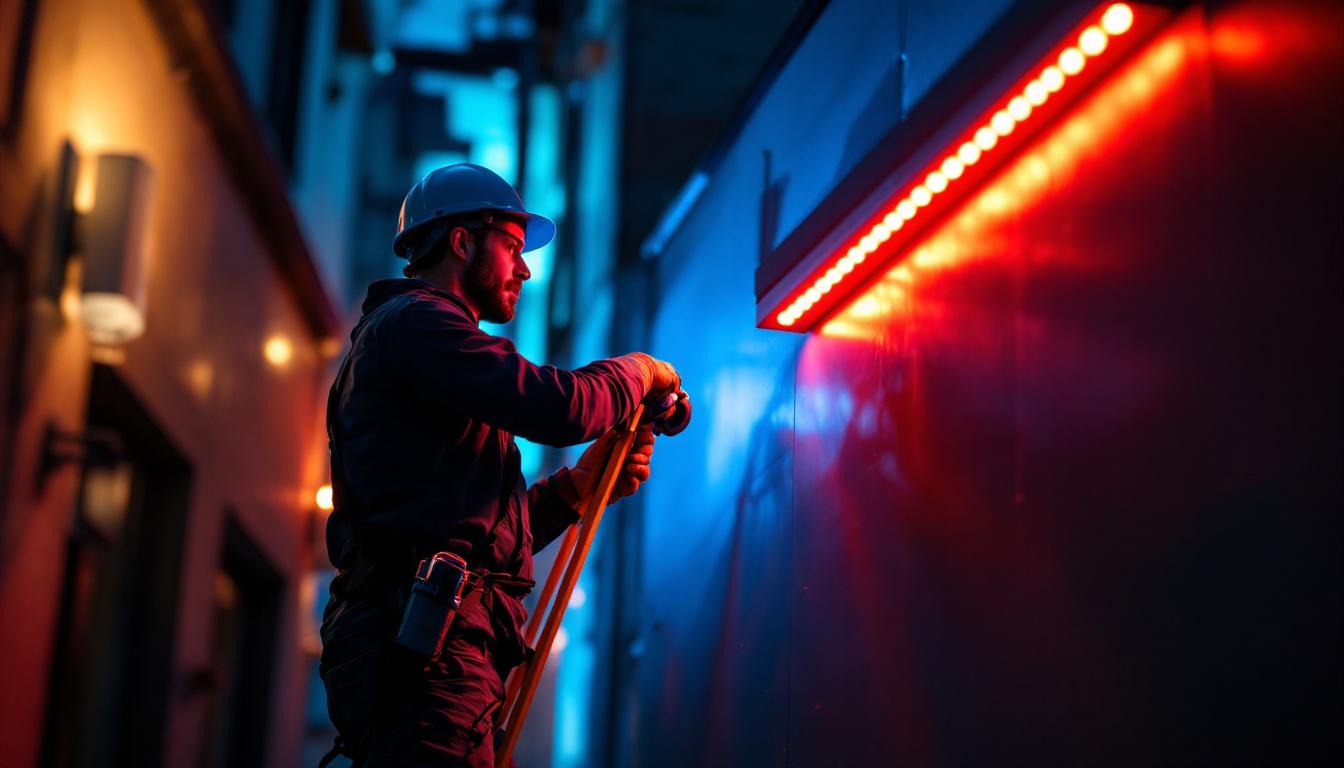
Replacing T12 lamps with T8 lamps is not always a straightforward swap. Because of differences in diameter, ballast type, and electrical requirements, lighting contractors must assess whether existing fixtures can be retrofitted or if full fixture replacement is necessary. In many cases, retrofitting involves replacing the ballast with an electronic version compatible with T8 lamps.
Contractors should also consider the labor and material costs associated with retrofits versus full replacements and communicate these clearly to clients. Offering detailed cost-benefit analyses helps clients make well-informed decisions that balance upfront investment with long-term savings.
Maintenance and Lifecycle Costs
While T8 lamps have higher initial costs compared to T12 lamps, their longer lifespan and lower energy consumption reduce total lifecycle costs. Maintenance intervals are extended, which is especially advantageous in large facilities where lamp replacement involves significant labor and disruption.
Lighting contractors should educate clients on these lifecycle cost benefits, emphasizing that investing in T8 technology can yield substantial returns over time despite higher initial expenses.
Client Expectations and Industry Trends
Regulatory Compliance and Energy Standards
Clients increasingly expect lighting contractors to be knowledgeable about energy codes, regulations, and incentives related to lighting. Many regions have implemented standards that effectively phase out T12 lamps due to their inefficiency. Lighting contractors must stay current with these regulations to ensure that their recommendations comply with legal requirements and qualify for available rebates or tax incentives.
Failure to advise clients on compliance can result in costly retrofits or penalties, damaging the contractor’s reputation and client trust.
Emergence of LED Alternatives
While the T12 versus T8 debate remains relevant, the rise of LED lighting technology is shifting client expectations. LEDs offer superior energy efficiency, longer life, and greater design flexibility compared to both T12 and T8 fluorescent lamps. Many clients now expect contractors to present LED options as part of their lighting solutions.
Lighting contractors should be prepared to discuss the advantages and limitations of LEDs alongside traditional fluorescent options, helping clients navigate the transition and choose the best solution for their needs and budgets.
Conclusion: What Lighting Contractors Should Take Away
Understanding the differences between T12 and T8 lights is foundational knowledge for any lighting contractor. Clients expect detailed, accurate information on physical characteristics, energy efficiency, lighting quality, installation requirements, and regulatory compliance. Providing this expertise not only helps clients make informed decisions but also positions contractors as trusted advisors in a competitive market.
As the lighting industry evolves, contractors must also be aware of emerging technologies like LEDs and how they complement or replace traditional fluorescent lamps. By combining technical knowledge with an awareness of client priorities and industry trends, lighting contractors can deliver superior service and foster long-term client relationships.
Upgrade Your Lighting Solutions with LumenWholesale
Ready to elevate your lighting projects with the efficiency and quality your clients demand? Look no further than LumenWholesale for a comprehensive range of T8, T12, and LED lighting options. Our commitment to providing spec-grade lighting products at unbeatable wholesale prices ensures that you can deliver the best value to your clients. With free shipping on bulk orders and no hidden fees, LumenWholesale is your go-to source for premium lighting solutions that meet the highest industry standards. Don’t let inflated markups dim your project’s potential. Choose LumenWholesale for Wholesale Lighting at the Best Value and experience the difference quality and affordability make.