Introduction to Track Lighting Systems
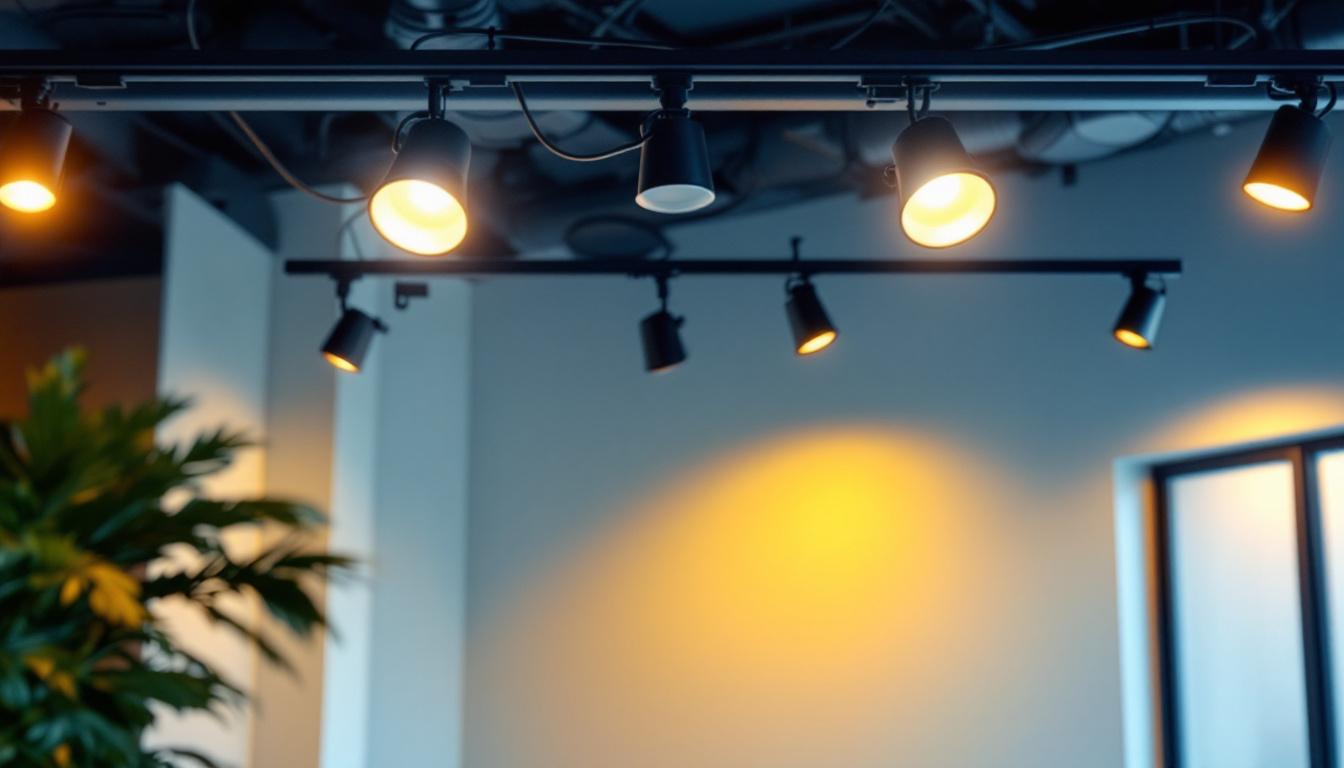
Track lighting systems have become an essential component in both residential and commercial lighting designs. For lighting contractors, understanding the science behind these systems is crucial to delivering efficient, flexible, and aesthetically pleasing lighting solutions. Unlike traditional fixed lighting fixtures, track lighting offers versatility by allowing multiple light heads to be mounted and repositioned along a continuous track, adapting to changing lighting needs.
From accentuating architectural features to providing task lighting in dynamic environments, track lighting systems are favored for their adaptability and modern appeal. This article delves into the technical principles, components, and best practices that lighting contractors should master to optimize installation and performance.
One of the key advantages of track lighting is its ability to create a layered lighting effect, which enhances the overall ambiance of a space. By combining different types of bulbs, such as LED, halogen, or incandescent, contractors can achieve varying color temperatures and intensities, allowing for a customized lighting experience. Additionally, track lighting can be installed in various configurations—straight, curved, or even suspended—making it suitable for a wide range of applications, from art galleries showcasing artwork to cozy living rooms highlighting family photos.
Moreover, modern track lighting systems often incorporate smart technology, enabling users to control lighting remotely via smartphone apps or voice commands. This integration not only improves convenience but also enhances energy efficiency, as users can easily adjust lighting levels based on their activities or preferences. As energy-conscious designs become increasingly important in today’s market, understanding the latest advancements in track lighting technology will empower contractors to offer innovative solutions that meet both aesthetic and functional demands.
Fundamental Components of Track Lighting Systems
Track Rails: The Backbone of the System
The track rail serves as the physical and electrical conduit for the lighting fixtures. Typically made from aluminum or steel, the rail houses electrical conductors that supply power to each light head. Understanding the types of track rails—H, J, and L tracks—is essential, as each type supports different voltage levels and connector configurations.
For instance, H-type tracks are commonly used for low-voltage systems, while J-type tracks support line voltage. The choice of rail impacts the system’s compatibility with various fixtures and affects installation complexity. Lighting contractors must assess the project’s power requirements and spatial constraints to select the appropriate track rail.
Additionally, track rails can be customized in length and finish to match the aesthetic of the space. Some manufacturers offer options in a variety of colors and textures, allowing for seamless integration into any interior design scheme. This flexibility not only enhances the visual appeal of the lighting system but also provides the opportunity to create unique lighting arrangements that can transform the ambiance of a room.
Track Heads: Versatile Lighting Units
Track heads are the individual light fixtures that attach to the track rail. These units come in various shapes, sizes, and lighting technologies, including LED, halogen, and fluorescent options. LEDs have become the preferred choice due to their energy efficiency, longevity, and reduced heat output.
Each track head includes a connector that interfaces with the track’s electrical contacts, enabling easy repositioning without rewiring. Lighting contractors should evaluate the beam angle, color temperature, and lumen output to tailor lighting effects to the client’s needs, whether for highlighting artwork or illuminating workspaces.
Moreover, many track heads are designed with adjustable features, allowing users to tilt or swivel the light to achieve the desired focus. This adaptability makes track lighting particularly effective in galleries and retail environments, where the ability to spotlight specific areas or items can significantly enhance the overall presentation. Additionally, the trend of incorporating smart technology into track heads is gaining traction, enabling users to control lighting remotely, adjust brightness, and even change colors to suit different moods or occasions.
Power Feed and Connectors: Ensuring Reliable Electrical Supply
The power feed connects the track system to the building’s electrical supply. It can be mounted at various points along the track or at the ends, depending on the layout. Understanding the electrical load capacity and ensuring proper grounding are vital for safety and system stability.
Connectors, including straight, L-shaped, T-shaped, and flexible options, allow for complex track configurations. Proper selection and installation of connectors ensure continuous electrical flow and mechanical integrity, preventing issues such as flickering or power loss.
In addition to standard connectors, there are also specialty connectors available that can accommodate unique architectural features or specific design requirements. For example, flexible connectors can navigate around corners or curves, allowing for creative installations that enhance the functionality and aesthetics of the lighting system. Furthermore, understanding the thermal management of connectors is crucial, as overheating can lead to premature failure, making it essential for contractors to choose high-quality components that can withstand the demands of the installation environment.
The Science of Electrical and Optical Performance
Electrical Considerations: Voltage, Current, and Load Management
Track lighting systems operate on either line voltage (typically 120V or 230V depending on region) or low voltage (commonly 12V or 24V). Lighting contractors must calculate the total electrical load to avoid overloading the system, which can cause overheating or circuit breaker trips.
Low-voltage systems require transformers or drivers to convert line voltage to the appropriate level. These components must be carefully matched to the track heads’ specifications to maintain consistent performance and prevent premature failure. Additionally, understanding the wiring and polarity is crucial for safe and reliable installations.
Furthermore, it is essential to consider the circuit layout when designing a track lighting system. The placement of switches, dimmers, and outlets can significantly impact the overall functionality and user experience. For instance, integrating smart controls can enhance energy efficiency and allow for customizable lighting scenes, catering to different activities throughout the day. Moreover, contractors should also be aware of local electrical codes and regulations, which can dictate specific requirements for installation and safety measures, ensuring that the system not only performs well but also complies with legal standards.
Optical Science: Beam Angles, Color Rendering, and Light Distribution
The optical performance of track lighting affects both functionality and ambiance. Beam angle determines the spread of light; narrow beams are ideal for accent lighting, while wider beams suit general illumination. Lighting contractors should consider the interplay between beam angle and fixture placement to achieve desired lighting effects without creating glare or shadows.
Color rendering index (CRI) measures how accurately a light source reveals colors compared to natural light. High CRI values (above 80) are preferred in retail, galleries, and hospitality settings where color fidelity is critical. Additionally, color temperature influences mood and perception; warmer tones create cozy environments, while cooler tones enhance alertness and focus.
Moreover, the choice of light source technology—such as LED, halogen, or fluorescent—also plays a significant role in optical performance. LEDs, for example, not only offer energy efficiency but also come in a variety of color temperatures and CRI ratings, allowing for greater flexibility in design. The use of optical lenses and diffusers can further refine light distribution, minimizing hotspots and creating a more uniform illumination across surfaces. Understanding these nuances enables designers to craft spaces that not only meet practical lighting needs but also enhance the aesthetic appeal of the environment, making it more inviting and functional.
Installation Best Practices and Safety Protocols
Planning and Layout Optimization
Successful track lighting installation begins with meticulous planning. Contractors should conduct a thorough site assessment, considering ceiling height, room dimensions, and existing electrical infrastructure. Using lighting design software can aid in visualizing fixture placement and predicting illumination levels.
Spacing between track heads and the track’s length must be optimized to balance coverage and energy efficiency. Overcrowding fixtures can lead to excessive heat buildup, while sparse placement may result in uneven lighting. Incorporating dimmers and smart controls can further enhance system flexibility.
Electrical Safety and Code Compliance
Adherence to electrical codes and standards is non-negotiable. Lighting contractors must ensure that all components are UL-listed or certified by relevant authorities. Proper grounding, secure connections, and the use of circuit protection devices safeguard against electrical hazards.
During installation, verifying that power is disconnected before handling wiring prevents accidents. Post-installation testing, including continuity checks and load testing, confirms the system’s integrity. Documentation of the installation process and compliance with local regulations protects both contractors and clients.
Emerging Technologies and Trends in Track Lighting
Integration with Smart Lighting Systems
The convergence of track lighting with smart home and building automation technologies is transforming the industry. Wireless controls, motion sensors, and programmable lighting scenes enable dynamic environments that respond to occupancy and natural light levels.
For lighting contractors, familiarity with communication protocols such as Zigbee, Z-Wave, and Bluetooth is becoming increasingly important. These technologies allow for remote control, energy monitoring, and customization, enhancing client satisfaction and operational efficiency.
Energy Efficiency and Sustainability Considerations
Energy codes and green building certifications are driving demand for sustainable lighting solutions. LED track heads combined with occupancy sensors and daylight harvesting systems significantly reduce energy consumption. Contractors should prioritize products with ENERGY STAR or equivalent ratings to meet these requirements.
Moreover, the recyclability of components and the reduction of hazardous materials align with environmental stewardship goals. Educating clients on the long-term cost savings and ecological benefits of efficient track lighting systems can differentiate contractors in a competitive market.
Conclusion: Mastering Track Lighting for Professional Excellence
For lighting contractors, a deep understanding of the science behind track lighting systems is indispensable. From selecting the right components and managing electrical loads to optimizing optical performance and ensuring safety, each aspect contributes to successful installations that meet client expectations.
Staying informed about technological advancements and sustainability trends empowers contractors to offer innovative, efficient, and adaptable lighting solutions. By combining technical expertise with thoughtful design, lighting contractors can elevate spaces and enhance user experiences through the strategic use of track lighting systems.
Illuminate Your Projects with LumenWholesale
Ready to take your track lighting installations to the next level? At LumenWholesale, we provide lighting contractors with the highest quality, spec-grade lighting products at prices that can’t be beaten. Our commitment to cutting out the middleman means you get the superior products you need at wholesale prices, with the added benefit of free shipping on bulk orders. Elevate your lighting projects with our reliable, high-performance solutions and enjoy the perfect balance of quality, affordability, and convenience. Discover the value we offer and make LumenWholesale your go-to source for all your lighting needs. Wholesale Lighting at the Best Value.