Understanding Bollard Lights: Definition and Purpose
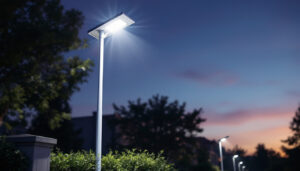
Bollard lights are a specialized form of outdoor lighting fixtures designed primarily for pathway illumination, landscape enhancement, and perimeter security. Typically standing between 2 to 4 feet tall, these lights are mounted on short posts or pillars—known as bollards—that direct light at a low level to improve visibility without causing glare.
For lighting contractors, recognizing the functional and aesthetic roles of bollard lights is essential. They serve multiple purposes: guiding pedestrians safely along walkways, accentuating architectural or garden features, and enhancing security by illuminating potential hazard zones. Their design is often cylindrical or square, crafted from durable materials such as aluminum, stainless steel, or cast iron, ensuring resilience against weather and vandalism.
In addition to their practical applications, bollard lights can also contribute significantly to the overall ambiance of a space. When strategically placed, they can create a warm and inviting atmosphere, making outdoor areas more appealing for social gatherings or quiet reflection. The choice of light color, intensity, and even the design of the bollards themselves can greatly influence the mood of the environment, allowing for a tailored approach to outdoor aesthetics.
The Evolution of Bollard Lighting
Originally, bollards were physical barriers used to control vehicle traffic or protect pedestrians. Their adaptation into lighting fixtures has transformed them into critical elements of modern outdoor lighting schemes. Advances in LED technology and smart controls have further expanded their functionality, making them energy-efficient and customizable to various project requirements.
Moreover, the integration of smart technology into bollard lighting systems has enabled features such as motion sensors, dimming capabilities, and remote control operation. This not only enhances energy efficiency but also allows for dynamic lighting solutions that can adapt to changing environmental conditions or user needs. As cities and communities increasingly prioritize sustainability, the role of bollard lights is evolving to include solar-powered options, which harness renewable energy to illuminate pathways while reducing reliance on traditional power sources. This shift not only lowers energy costs but also promotes eco-friendly practices in urban planning and design.
Key Features and Types of Bollard Lights
Choosing the right bollard light involves understanding the different types and features available on the market. This knowledge allows contractors to recommend solutions tailored to client needs while adhering to safety and design standards.
Light Distribution and Beam Angles
Bollard lights come with various beam angles and light distributions, including direct, indirect, and diffused lighting. Direct lighting focuses beams downward or outward, ideal for pathway illumination. Indirect lighting casts light upward or around the fixture, creating ambient effects without harsh glare. Diffused lighting uses frosted or opal lenses to soften the output, suitable for decorative purposes.
Lighting contractors must assess the site’s requirements to select fixtures that provide adequate illumination while minimizing light pollution. For example, in residential areas, softer diffused lighting can enhance ambiance, whereas commercial or public spaces might demand brighter, more focused illumination for safety. Additionally, the choice of light distribution can significantly affect the aesthetic appeal of the landscape, as well-placed bollard lights can highlight architectural features, trees, or garden beds, creating a visually inviting environment.
Material and Finish Options
Durability is a critical consideration for bollard lights since they are exposed to the elements. Common materials include powder-coated aluminum for corrosion resistance, stainless steel for strength and aesthetic appeal, and polycarbonate for impact resistance. Finishes vary from matte black and bronze to brushed nickel, allowing integration with diverse architectural styles.
Contractors should advise clients on material choices based on environmental conditions—such as coastal locations prone to salt corrosion—and maintenance expectations. Selecting high-quality materials can extend the lifespan of the installation and reduce long-term costs. Furthermore, the choice of finish can influence not only the durability but also the visual impact of the lighting scheme. For instance, a matte finish may blend seamlessly into a natural landscape, while a polished finish can create a modern, sleek look that complements contemporary architecture.
Power Sources and Controls
Modern bollard lights offer various power options, including hardwired electrical connections, solar-powered units, and low-voltage systems. Solar bollards are gaining popularity for their ease of installation and sustainability, especially in areas without existing electrical infrastructure. However, they may have limitations in terms of brightness and runtime depending on sunlight availability.
Integrating controls such as motion sensors, photocells, and smart lighting systems can optimize energy usage and enhance security. For instance, motion-activated bollards can brighten as pedestrians approach, providing safety while conserving power during inactivity. Additionally, smart controls can allow for remote management and scheduling, enabling property owners to adjust lighting levels based on seasonal changes or specific events, further enhancing the functionality and adaptability of the lighting system. This level of control not only contributes to energy efficiency but also ensures that the lighting remains relevant and effective in meeting the needs of the space throughout the year.
Installation Best Practices for Lighting Contractors
Proper installation is crucial to maximize the performance and longevity of bollard lights. Lighting contractors must follow industry standards and manufacturer guidelines to ensure safety, functionality, and client satisfaction.
Site Assessment and Planning
Before installation, a thorough site assessment should be conducted. This includes evaluating the terrain, existing electrical infrastructure, and environmental factors such as exposure to moisture or vandalism risk. Mapping out the lighting layout with attention to spacing, height, and orientation will help achieve uniform illumination and avoid dark spots or excessive overlap.
Contractors should also consider local regulations and standards, such as those from the Illuminating Engineering Society (IES) or municipal codes, which may dictate light levels, fixture types, or energy efficiency requirements.
Foundation and Mounting Techniques
Bollard lights require stable foundations to prevent tilting or damage. Depending on the soil type and bollard weight, concrete footings or anchor bolts may be necessary. Proper alignment during mounting ensures the light beam is directed correctly and that fixtures remain level over time.
Electrical wiring must be installed in compliance with National Electrical Code (NEC) standards, including appropriate conduit protection and grounding. For solar bollards, positioning should maximize sun exposure and avoid shading from trees or structures.
Testing and Commissioning
After installation, comprehensive testing is essential. This includes verifying electrical connections, light output, and control functionality. Contractors should check for glare, light trespass, and ensure that illumination levels meet design specifications.
Providing clients with maintenance instructions and warranty information helps ensure the long-term success of the installation. Documenting the installation process and any deviations from plans also supports future troubleshooting or upgrades.
Common Challenges and Solutions in Bollard Lighting Projects
Despite their straightforward appearance, bollard lighting projects can present unique challenges. Awareness of these issues enables contractors to anticipate and mitigate potential problems effectively.
Managing Light Pollution and Glare
One of the primary concerns in outdoor lighting is minimizing light pollution, which can affect neighboring properties and disrupt ecosystems. Bollard lights must be selected and positioned to limit upward light spill and glare. Using fixtures with cut-off shields or downward-facing lenses helps control light distribution.
Contractors should also educate clients on the importance of appropriate light levels—overly bright installations can cause discomfort and reduce safety by impairing night vision.
Balancing Aesthetics and Functionality
Clients often desire bollard lights that complement the architectural style and landscaping while providing sufficient illumination. Achieving this balance requires careful fixture selection and placement. For example, sleek modern bollards may suit commercial plazas, whereas rustic designs might better fit park settings.
Customizable options, such as interchangeable lenses or adjustable heights, can help tailor installations to specific aesthetic and functional goals.
Addressing Maintenance and Durability Concerns
Outdoor lighting fixtures are subject to wear from weather, vandalism, and general use. Selecting robust materials and finishes is the first step in reducing maintenance needs. Additionally, contractors should design installations that allow easy access for bulb replacement or cleaning.
Implementing smart controls can also extend fixture life by reducing unnecessary operation. Regular maintenance schedules and client education on upkeep practices contribute to sustained performance.
Emerging Trends and Innovations in Bollard Lighting
Staying abreast of technological advancements enables lighting contractors to offer cutting-edge solutions that enhance project value and client satisfaction.
Integration with Smart Lighting Systems
Smart bollard lights equipped with sensors and wireless connectivity allow for dynamic control based on occupancy, daylight levels, or security alerts. These systems can be integrated into broader building management platforms, providing centralized monitoring and energy optimization.
For contractors, familiarity with these technologies opens opportunities for higher-margin projects and ongoing service contracts.
Energy Efficiency and Sustainability
LED technology continues to dominate bollard lighting due to its low energy consumption and long lifespan. Coupled with solar power and energy management controls, bollard lights can significantly reduce environmental impact and operating costs.
Contractors should promote sustainable options to clients, especially in public or commercial projects where green building certifications may be a priority.
Customizable and Modular Designs
Manufacturers are increasingly offering modular bollard systems that allow clients to customize height, color temperature, beam angle, and accessories such as signage or seating integration. This flexibility supports diverse applications and enhances design creativity.
Contractors can leverage these options to differentiate their services and meet unique client demands.
Conclusion: Maximizing Success with Bollard Lighting
Bollard lights are versatile and impactful components of outdoor lighting schemes. For lighting contractors, mastering their selection, installation, and maintenance is vital to delivering safe, attractive, and efficient lighting solutions. By understanding the technical aspects, adhering to best practices, and embracing emerging trends, contractors can enhance project outcomes and client satisfaction.
Ultimately, the key to success lies in a comprehensive approach—from initial site assessment and design to quality installation and ongoing support. Bollard lighting, when executed well, not only illuminates spaces but also elevates the overall environment, contributing to safety, beauty, and sustainability.
Illuminate Your Projects with LumenWholesale
Ready to elevate your lighting projects with the best bollard lights in the industry? At LumenWholesale, we provide lighting contractors with exceptional, spec-grade lighting products at unbeatable wholesale prices. Our extensive selection is designed to meet the highest industry standards, ensuring you deliver safe, attractive, and efficient lighting solutions every time. Plus, with free shipping on bulk orders, you can enjoy premium lighting at the best value — without hidden fees or compromises. Don’t let middleman markups dim your project’s potential. Experience the perfect blend of quality, affordability, and convenience at LumenWholesale — your trusted partner for Wholesale Lighting at the Best Value.