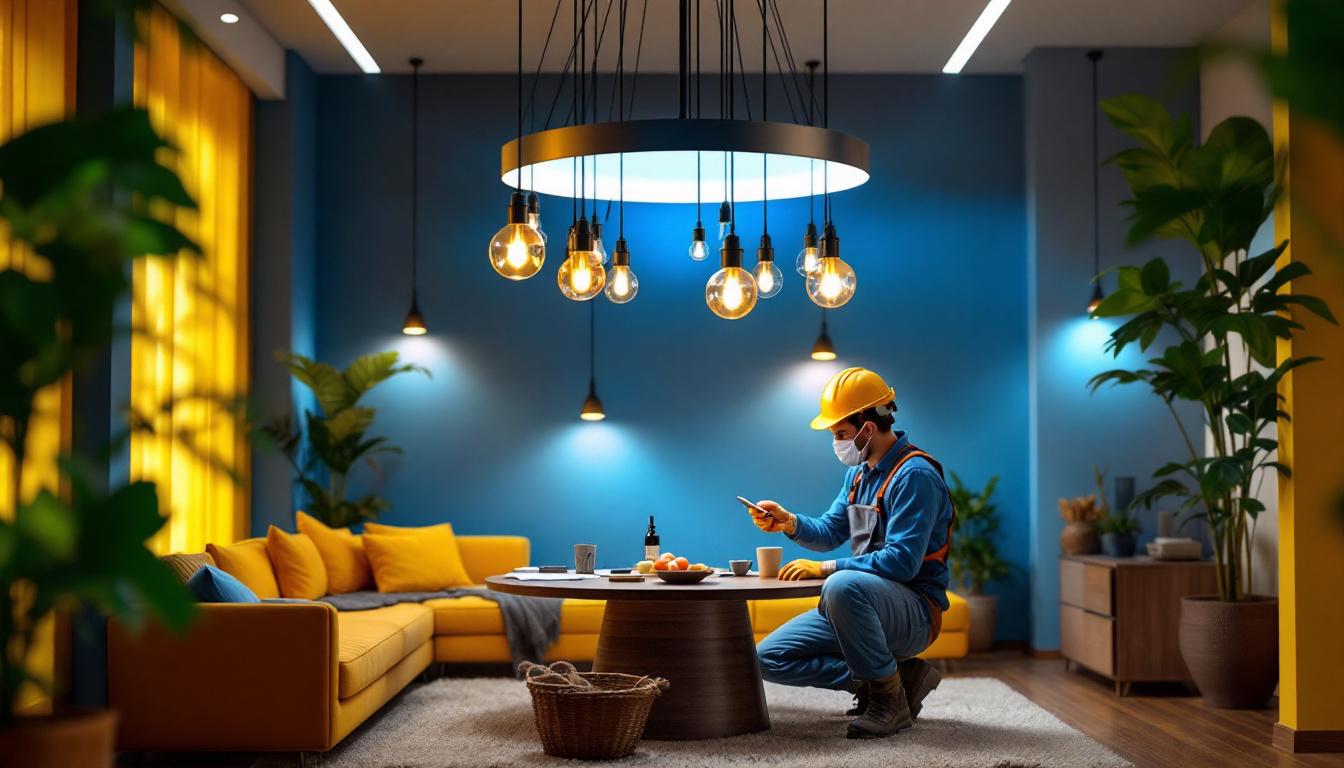
Why Weird Light Fixtures Matter to Lighting Contractors
Lighting contractors often face the challenge of balancing functionality with aesthetics. While traditional fixtures serve their purpose, weird or unconventional light fixtures open doors to creative opportunities that can set a contractor apart. These fixtures aren’t just conversation starters; they can be lucrative projects that showcase expertise and innovation.
Clients today are more design-savvy and often seek lighting that doubles as art. A weird fixture can transform a space, making it memorable and unique. For contractors, this means tapping into a niche market where standard installations won’t suffice. Understanding how to handle these unusual pieces can lead to higher client satisfaction and repeat business.
Moreover, the rise of social media platforms has amplified the importance of visual appeal in interior design. Homeowners and businesses alike are eager to showcase their spaces online, and distinctive lighting fixtures can be the focal point that draws attention. Contractors who can provide these unique installations not only enhance the aesthetic of a space but also contribute to their clients’ social media presence. This creates a win-win scenario where the contractor’s work is highlighted, potentially leading to referrals and new projects.
Additionally, weird light fixtures often come with their own set of challenges, such as installation complexities and the need for specialized knowledge about materials and electrical requirements. This is where the expertise of a seasoned lighting contractor shines. By navigating these challenges successfully, contractors can build a reputation for being problem solvers and innovators in the field. Embracing the unconventional can also encourage contractors to stay updated on the latest trends and technologies, ensuring they remain competitive in an ever-evolving market.
Identifying the Weird: What Counts as an Unusual Light Fixture?
Beyond the Bulb: Defining Weirdness in Lighting
Weird light fixtures defy conventional shapes, materials, or installation methods. Think of chandeliers made from recycled bicycle parts, pendant lights shaped like oversized insects, or wall sconces that resemble abstract sculptures. These fixtures often challenge traditional electrical setups and demand a deeper understanding of both design and safety. The creativity involved in crafting these pieces can lead to stunning visual statements that become conversation starters in any space.
Some weird fixtures incorporate kinetic elements, changing shapes or colors, or even interactive features controlled by apps. Others might be oversized or asymmetrical, requiring custom mounting solutions. Recognizing these characteristics helps contractors prepare for the unique demands these projects bring. Additionally, the integration of smart technology into these unusual designs opens up a realm of possibilities for personalization and functionality, allowing users to adjust the ambiance of their environment with a simple tap on their smartphones.
Examples of Popular Weird Fixtures
Among the most sought-after unconventional fixtures are those that blend industrial and organic elements—like lamps made from driftwood with embedded LED strips or fixtures crafted from repurposed machinery. Lighting that incorporates natural materials such as moss or stone also falls into this category, offering a tactile and visual contrast to typical designs. These elements not only serve a practical purpose but also evoke a sense of connection to nature, making them ideal for eco-conscious consumers looking to enhance their living spaces.
Another trend involves minimalist frames with exposed bulbs arranged in seemingly random patterns. These fixtures often require precise wiring and mounting to ensure safety and aesthetic balance. Being familiar with these styles equips contractors to advise clients on feasibility and installation nuances. Furthermore, the rise of customizable light fixtures allows homeowners to express their individuality; clients can choose colors, shapes, and even the type of light emitted, resulting in a truly unique piece that reflects their personal taste. As the demand for these distinctive fixtures grows, so does the opportunity for contractors to showcase their expertise in navigating the complexities of unconventional lighting design.
Challenges Lighting Contractors Face with Weird Fixtures
Technical Complexities and Safety Concerns
Unusual fixtures often come with non-standard wiring, unique power requirements, or delicate components. Contractors must be vigilant about electrical codes and safety standards, especially when dealing with custom or imported pieces. Incorrect installation can lead to hazards such as overheating or electrical shorts.
Additionally, some weird fixtures may not have clear manufacturer instructions or may require modifications to fit existing wiring setups. This demands a high level of problem-solving and adaptability from the contractor, as well as clear communication with clients about potential risks and costs. Furthermore, the lack of readily available parts for these unique fixtures can pose a significant challenge. When a component malfunctions, sourcing replacements may require extensive research or even custom fabrication, which can prolong repair times and increase costs for the client. Contractors must therefore stay well-informed about alternative solutions and be prepared to offer creative fixes that maintain the integrity of the design while ensuring safety.
Installation and Maintenance Difficulties
Many unconventional fixtures are heavier or more fragile than standard ones. This can complicate mounting, requiring special anchors or reinforcement in ceilings or walls. Maintenance access can also be tricky, especially if bulbs or components are integrated into the design in non-traditional ways.
Contractors need to plan installations carefully, considering long-term upkeep. Advising clients on how to clean or replace parts without damaging the fixture is part of providing comprehensive service. Offering maintenance contracts or follow-up visits can be a valuable upsell. Moreover, the aesthetic appeal of these fixtures often means they are placed in prominent locations, making any maintenance work more visible and potentially disruptive. This necessitates a thoughtful approach to scheduling maintenance visits, ensuring they are convenient for the client while minimizing any impact on their daily activities. Additionally, educating clients about the specific care requirements of their unique fixtures can foster trust and satisfaction, leading to long-term relationships and referrals in a competitive market.
Strategies for Success When Working with Weird Light Fixtures
Thorough Planning and Client Communication
Before installation, contractors should conduct a detailed assessment of the fixture and the site. This includes verifying weight, power requirements, and mounting options. Discussing these factors with clients upfront sets realistic expectations and prevents surprises during installation.
Visual aids like 3D renderings or mock-ups can help clients understand how the fixture will look and function in their space. Clear contracts outlining responsibilities, timelines, and warranty details protect both parties and foster trust.
Partnering with Designers and Manufacturers
Collaborating with lighting designers or manufacturers can provide valuable insights into the fixture’s intended use and installation requirements. These partnerships often grant access to technical support and custom solutions that simplify complex projects.
Building relationships with reliable suppliers of weird fixtures ensures access to quality products and replacement parts. Contractors who specialize in this niche often become go-to experts, attracting clients looking for distinctive lighting solutions.
Investing in Specialized Tools and Training
Handling unusual fixtures sometimes requires specialized tools such as precision wire strippers, custom mounting brackets, or digital multimeters capable of testing unique circuits. Investing in these tools improves efficiency and safety.
Ongoing training in emerging lighting technologies, like smart lighting integration or LED advancements, equips contractors to handle the evolving demands of weird fixtures. Certifications in electrical safety and design can also enhance credibility.
Marketing Your Expertise in Weird Light Fixtures
Showcasing Unique Projects
Building a portfolio that highlights successful installations of weird fixtures attracts clients interested in creative lighting. High-quality photos and videos shared on websites and social media platforms demonstrate skill and versatility.
Client testimonials emphasizing problem-solving and attention to detail add authenticity. Hosting webinars or workshops about installing unconventional lighting can position contractors as thought leaders in this niche.
Targeting Niche Markets
Certain sectors, such as boutique hotels, art galleries, restaurants, and luxury residential projects, often seek weird light fixtures to create memorable atmospheres. Tailoring marketing efforts to these industries increases the likelihood of landing specialized contracts.
Networking at design expos, trade shows, and local business events helps contractors connect with architects, interior designers, and developers who value innovative lighting solutions.
Future Trends in Weird Light Fixtures and What They Mean for Contractors
Integration of Smart Technology
Weird fixtures increasingly incorporate smart features like voice control, color-changing LEDs, and motion sensors. Contractors who understand these technologies can offer enhanced value by integrating lighting with home automation systems.
Staying updated on software platforms and compatibility issues is crucial. Offering post-installation support for smart systems can differentiate a contractor’s service.
Sustainability and Eco-Friendly Materials
Environmental considerations are influencing lighting design, with more weird fixtures made from recycled or renewable materials. Contractors familiar with eco-friendly products can appeal to environmentally conscious clients.
Understanding the durability and installation requirements of these materials ensures long-lasting results and client satisfaction.
Customization and 3D Printing
Advances in 3D printing allow for highly customized weird fixtures tailored to specific client needs. Contractors who collaborate with designers using this technology can offer truly unique lighting solutions.
This trend requires openness to new workflows and a willingness to learn about additive manufacturing processes.
Conclusion: Embracing the Weird for Business Growth
Weird light fixtures represent more than just unusual aesthetics-they are opportunities for lighting contractors to showcase expertise, creativity, and adaptability. By understanding the unique challenges and strategies associated with these fixtures, contractors can expand their service offerings and attract a discerning clientele.
Success in this niche demands thorough planning, technical skill, effective communication, and continuous learning. Contractors who embrace these principles position themselves as leaders in a competitive market, turning weird lighting projects into rewarding business ventures.
Illuminate Your Projects with LumenWholesale
Ready to bring your lighting projects to the next level with unique and weird light fixtures? At LumenWholesale, we provide lighting contractors with an exceptional range of high-quality, spec-grade lighting products at unbeatable wholesale prices. Say goodbye to local distributor markups and hello to a vast selection of reliable lighting solutions that meet the highest industry standards. Plus, with free shipping on bulk orders, you can stock up on premium lighting without worrying about hidden fees or compromises. Elevate your lighting game and give your clients the wow factor they’re looking for. Wholesale Lighting at the Best Value is just a click away. Discover the LumenWholesale difference today!