Understanding LED Adjustable Lighting
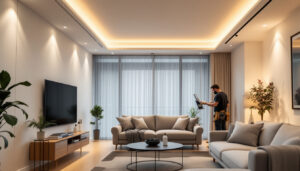
LED adjustable lighting refers to LED fixtures that can be customized in terms of brightness, color temperature, and beam angle. Unlike traditional fixed lighting solutions, these fixtures offer flexibility that can be tailored to specific environments and client needs. For lighting contractors, this adaptability is a game-changer, enabling them to deliver more precise lighting designs while optimizing installation and maintenance processes.
The technology behind LED adjustable fixtures incorporates advanced electronics and optics. This allows for seamless dimming, color tuning, and directional adjustments without the need for multiple fixtures or complicated rewiring. As a result, contractors can reduce inventory complexity and streamline project workflows.
One of the standout features of LED adjustable lighting is its ability to enhance the aesthetic appeal of various spaces. For instance, in retail environments, the ability to adjust color temperature can significantly influence customer perceptions and behaviors. Warm lighting can create an inviting atmosphere, encouraging shoppers to linger, while cooler tones can highlight product details and create a more modern feel. This versatility not only enhances the shopping experience but also allows retailers to adapt their lighting to seasonal displays or promotional events, maximizing visual impact and sales potential.
Moreover, LED adjustable lighting is increasingly being integrated with smart technology, allowing for remote control and automation. This means that users can program lighting schedules, adjust settings via smartphone apps, or even sync lights with other smart home devices for a cohesive experience. Such innovations not only improve user convenience but also contribute to energy efficiency, as lighting can be optimized based on occupancy and natural light levels. As the demand for energy-efficient solutions continues to grow, the role of LED adjustable lighting in both residential and commercial applications is set to expand even further, paving the way for smarter, more sustainable environments.
Enhancing Installation Efficiency
Reduced Complexity on Site
One of the biggest challenges lighting contractors face during installation is managing a wide variety of fixtures and components. LED adjustable lighting simplifies this by offering multi-functional fixtures that serve diverse purposes. Instead of carrying separate products for different lighting effects, contractors can install a single adjustable fixture and fine-tune it on-site.
This flexibility reduces the risk of errors and delays caused by ordering incorrect fixtures or waiting for replacements. Additionally, adjustable LEDs often come with user-friendly mounting and wiring systems, further speeding up the installation process. The integration of modular designs also allows contractors to easily swap out components or upgrade systems without extensive downtime, making the entire process more efficient. This adaptability not only saves time but also reduces the need for extensive training on various lighting systems, allowing contractors to focus on delivering quality service.
Fewer On-Site Adjustments Post-Installation
Traditional lighting setups often require multiple site visits to adjust beam angles or brightness after the initial installation. With LED adjustable fixtures, contractors can make these changes remotely or on-site without dismantling the setup. This capability minimizes callbacks and enhances client satisfaction by delivering the perfect lighting ambiance from the outset.
Moreover, the advanced technology embedded within these fixtures often includes smart features, such as app-controlled adjustments and automated settings based on time of day or occupancy. This not only streamlines the installation process but also empowers clients to customize their lighting experience effortlessly. As a result, contractors can provide added value by offering clients a more interactive and personalized lighting solution, which can lead to increased referrals and repeat business in the competitive lighting industry.
Optimizing Energy Efficiency and Cost Savings
Precision Lighting Reduces Waste
Adjustable LEDs allow contractors to tailor light output precisely to the needs of the space. Over-lighting is a common problem with fixed fixtures, leading to wasted energy and increased operational costs. By adjusting brightness and beam direction, contractors can ensure that light is delivered exactly where it is needed, avoiding unnecessary illumination.
Studies have shown that precision lighting can reduce energy consumption by up to 30%, which translates into significant savings for end-users. This efficiency is a compelling selling point for contractors aiming to promote sustainable and cost-effective lighting solutions. Furthermore, precision lighting can enhance the overall aesthetic of a space, creating a more inviting atmosphere for occupants. For instance, in retail environments, the ability to spotlight specific products can not only reduce energy waste but also improve sales by drawing attention to key items.
Longer Lifespan and Lower Maintenance Costs
LEDs inherently have a longer lifespan compared to traditional lighting technologies. Adjustable LEDs often incorporate advanced thermal management and quality components that further extend their operational life. For contractors, this means fewer maintenance calls and warranty issues, reducing long-term service costs.
Moreover, the ability to dim and adjust LEDs reduces stress on the components, which can prolong fixture life. This durability makes LED adjustable lighting an attractive option for commercial and industrial projects where reliability is paramount. In addition to their longevity, many adjustable LED systems are designed with modular components, allowing for easy upgrades and replacements without the need for complete fixture replacements. This modularity not only contributes to sustainability by minimizing waste but also provides a cost-effective solution for businesses looking to keep pace with evolving lighting technologies.
Improving Project Flexibility and Client Satisfaction
Customizable Lighting for Diverse Applications
Lighting contractors work across a variety of sectors, including retail, hospitality, office, and residential. Each environment has unique lighting requirements that can change over time. LED adjustable fixtures provide the versatility to adapt lighting schemes without replacing hardware.
For example, in retail spaces, lighting needs to highlight different product displays or seasonal promotions. Adjustable LEDs allow contractors to modify beam angles and color temperatures easily, enhancing the visual appeal and driving sales. This adaptability helps contractors meet diverse client demands efficiently. Furthermore, in hospitality settings, lighting plays a crucial role in creating ambiance. Adjustable fixtures can be tailored to shift from bright, energizing light during breakfast hours to softer, more intimate lighting for evening dining experiences, thus elevating the overall guest experience and satisfaction.
Future-Proofing Installations
With rapid advancements in lighting technology and evolving design trends, clients increasingly seek solutions that can adapt to future needs. LED adjustable lighting offers a future-proof approach by enabling upgrades through simple adjustments rather than full fixture replacements.
This capability not only adds value to the contractor’s service but also builds long-term client relationships based on trust and innovation. Contractors who incorporate adjustable LEDs position themselves as forward-thinking professionals capable of delivering sustainable lighting solutions. Moreover, as smart home technology continues to gain traction, the integration of adjustable LEDs with smart systems allows clients to control their lighting remotely, further enhancing convenience and energy efficiency. This trend not only meets current consumer demands but also prepares contractors for the future landscape of intelligent lighting, ensuring they remain competitive in an ever-evolving market.
Leveraging Smart Controls and Integration
Integration with Building Management Systems
Modern LED adjustable fixtures often come equipped with smart controls that integrate seamlessly with building management systems (BMS). This integration allows contractors to program lighting schedules, occupancy sensors, and daylight harvesting features, optimizing energy use and enhancing user comfort. For instance, by utilizing occupancy sensors, lights can automatically dim or turn off in unoccupied areas, significantly reducing energy consumption and extending the lifespan of the fixtures.
For contractors, offering smart lighting solutions adds a layer of sophistication to projects and opens new revenue streams through system programming and ongoing support services. Additionally, the ability to customize lighting settings based on specific user needs or preferences can lead to increased tenant satisfaction and retention in commercial spaces. The flexibility of these systems also means that as building usage evolves, the lighting can be easily reprogrammed to adapt to new requirements without the need for extensive rewiring or physical changes to the infrastructure.
Remote Monitoring and Diagnostics
Smart adjustable LEDs enable remote monitoring of fixture performance and energy consumption. Contractors can proactively identify issues before they escalate, reducing downtime and improving service quality. This predictive maintenance approach is especially valuable in large-scale commercial installations where lighting plays a critical operational role. By analyzing data collected from these fixtures, contractors can gain insights into usage patterns and identify opportunities for further optimization, such as adjusting brightness levels based on real-time occupancy data or seasonal changes in daylight availability.
Moreover, the integration of IoT technology allows for real-time alerts and notifications, ensuring that any potential failures or maintenance needs are addressed swiftly. This capability not only enhances operational efficiency but also contributes to sustainability goals by minimizing energy waste and ensuring that lighting systems are functioning at peak performance. As businesses increasingly prioritize sustainability, the ability to demonstrate energy savings and reduced carbon footprints through smart lighting solutions can be a significant competitive advantage in the marketplace.
Conclusion: Why Lighting Contractors Should Embrace LED Adjustable Technology
LED adjustable lighting represents a significant advancement in the lighting industry, offering unparalleled flexibility, energy efficiency, and ease of installation. For lighting contractors, adopting this technology translates into faster project completion, reduced inventory complexity, and enhanced client satisfaction.
By leveraging the benefits of adjustable LEDs, contractors can differentiate their services, reduce operational costs, and future-proof their installations. As the demand for sustainable and adaptable lighting solutions grows, LED adjustable fixtures will undoubtedly become a cornerstone of efficient lighting design and implementation.
Get the Best in LED Adjustable Lighting at LumenWholesale
Ready to elevate your lighting projects with the efficiency and flexibility of LED adjustable technology? Look no further than LumenWholesale for an extensive selection of top-quality, spec-grade lighting products at unbeatable wholesale prices. Say goodbye to inflated markups and hello to reliable, high-performance lighting that meets the highest industry standards. With free shipping on bulk orders, LumenWholesale ensures you get premium lighting at the best value — without hidden fees or compromises. Don’t miss out on the perfect blend of quality, affordability, and convenience. Wholesale Lighting at the Best Value is just a click away!