Introduction to Cabinet Lighting
Cabinet lighting is an essential aspect of interior design that combines functionality with aesthetics. For lighting contractors, understanding the nuances of cabinet lighting is crucial to delivering projects that not only illuminate spaces effectively but also enhance the overall ambiance. Whether it’s for kitchens, bathrooms, or display cabinets, the right lighting can transform a space, making it more inviting and practical.
In recent years, advances in lighting technology have expanded the possibilities for cabinet lighting, offering a variety of options that cater to different styles and needs. This guide covers everything lighting contractors need to know—from types of cabinet lighting to installation tips and energy efficiency considerations.
One of the most popular types of cabinet lighting is LED strip lighting, which provides a sleek and modern look while being energy-efficient. These flexible strips can be easily installed under shelves or inside cabinets, offering a subtle glow that highlights the contents without overwhelming the space. Additionally, LED lights have a long lifespan and come in various color temperatures, allowing homeowners to choose warm or cool tones to match their decor. This versatility makes them an ideal choice for both contemporary and traditional designs.
Moreover, the integration of smart technology into cabinet lighting has revolutionized how homeowners interact with their spaces. With the ability to control lighting through mobile apps or voice commands, users can easily adjust brightness levels or change colors to suit their mood or activity. This level of customization not only enhances the user experience but also promotes energy efficiency, as lights can be programmed to turn off automatically when not in use. As lighting contractors explore these innovative options, they can provide clients with solutions that are not only visually appealing but also smart and sustainable.
Types of Cabinet Lighting
Under-Cabinet Lighting
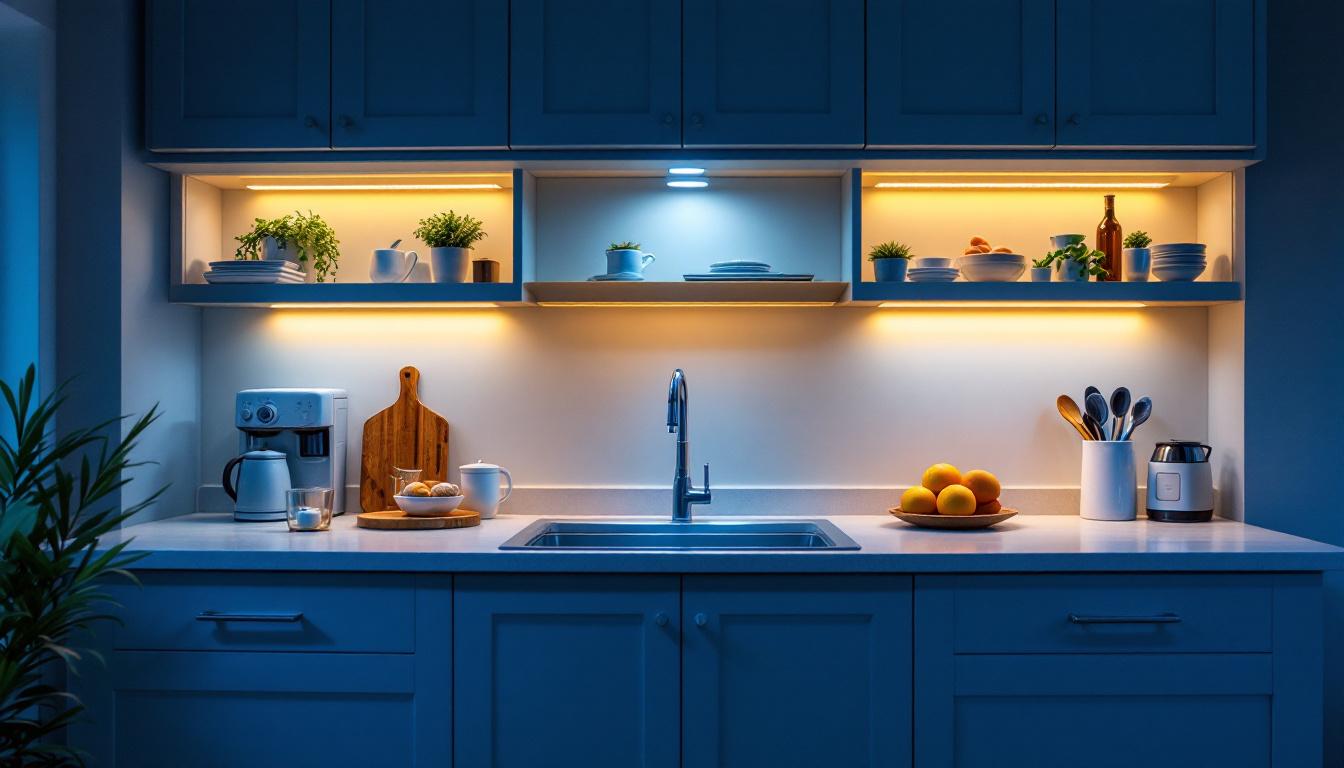
Under-cabinet lighting is one of the most popular forms of cabinet lighting, primarily used in kitchens to illuminate countertops. This type of lighting helps reduce shadows cast by overhead cabinets, providing clear visibility for food preparation and other tasks.
LED strip lights and puck lights are common choices for under-cabinet lighting. LEDs are favored for their energy efficiency, long lifespan, and low heat emission, making them safe and cost-effective. Puck lights offer focused pools of light and can be spaced strategically to highlight specific areas. Additionally, many modern under-cabinet lighting options come with dimmable features, allowing homeowners to adjust the brightness according to their needs, whether for a bright workspace or a softer ambiance during dinner parties.
In-Cabinet Lighting
In-cabinet lighting enhances the visibility and aesthetic appeal of the cabinet’s contents. This is especially useful for display cabinets, glass-front cabinets, or pantry storage. Lighting inside the cabinet can be installed on the sides, top, or shelves, depending on the cabinet design.
LED tape lights or small LED fixtures are ideal for this purpose. They provide a soft, even glow that highlights items without overwhelming the space. Motion-activated in-cabinet lighting is also gaining popularity, offering convenience and energy savings by only illuminating when the cabinet door is open. Furthermore, in-cabinet lighting can be paired with smart home systems, allowing users to control the lights remotely or set them to turn on and off at specific times, enhancing both functionality and security.
Above-Cabinet Lighting
Above-cabinet lighting adds an ambient glow to a room by illuminating the space between the top of the cabinets and the ceiling. This indirect lighting technique creates a sense of height and openness, enhancing the overall atmosphere.
Lighting contractors often use LED strips or rope lights for above-cabinet lighting. These fixtures are discreet and can be concealed easily, providing a warm, diffused light that complements other lighting layers in the room. Additionally, above-cabinet lighting can be used to highlight decorative items or plants placed on top of the cabinets, adding a personal touch to the kitchen or living area. Some homeowners even opt for color-changing LED strips, allowing them to customize the mood of the space for different occasions.
Toe-Kick Lighting
Toe-kick lighting is installed at the base of cabinets, near the floor. This subtle lighting solution serves both aesthetic and safety purposes, offering a gentle glow that guides movement in low-light conditions.
LED strips are the preferred option for toe-kick lighting due to their slim profile and flexibility. This type of lighting is especially effective in kitchens and bathrooms, where nighttime navigation without turning on overhead lights is beneficial. Moreover, toe-kick lighting can be integrated with motion sensors, ensuring that the lights automatically turn on when someone approaches, which is particularly useful for families with young children or elderly individuals who may need additional visibility when moving around at night. The soft illumination not only enhances safety but also adds a modern touch to the overall design of the cabinetry.
Choosing the Right Lighting Technology
LED vs. Traditional Lighting
LED technology has revolutionized cabinet lighting. Compared to incandescent or halogen bulbs, LEDs consume significantly less energy and have a much longer operational life. This makes them ideal for applications where lighting is used frequently or for extended periods.
Furthermore, LEDs generate minimal heat, reducing the risk of damage to cabinets or stored items. Their compact size allows for versatile installation in tight spaces, a common challenge in cabinet lighting projects.
Color Temperature and CRI
Color temperature plays a vital role in the ambiance created by cabinet lighting. Measured in Kelvins (K), it ranges from warm (2700K-3000K) to cool (4000K-5000K). Warm light tends to create a cozy, inviting atmosphere, while cool light offers a crisp, modern feel.
For kitchen and display cabinets, a color temperature between 3000K and 3500K is often recommended to balance warmth and clarity. Additionally, the Color Rendering Index (CRI) should be considered; a CRI of 80 or higher ensures colors appear natural and vibrant under artificial lighting.
Dimming and Control Options
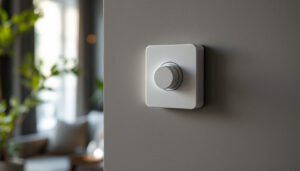
Incorporating dimmable lighting solutions allows users to adjust brightness according to their needs and mood. Many LED systems are compatible with dimmers, providing flexibility and enhancing energy savings.
Smart lighting controls, including wireless and app-based systems, are becoming increasingly popular. These technologies enable remote control, scheduling, and integration with other smart home devices, offering convenience and customization.
Installation Best Practices
Planning and Layout
Successful cabinet lighting installation begins with careful planning. Lighting contractors should assess the cabinet dimensions, materials, and intended use to determine the best lighting type and placement.
Spacing and positioning are critical to avoid glare and shadows. For under-cabinet lighting, fixtures should be placed towards the front edge to maximize countertop illumination. In-cabinet lighting should be evenly distributed to highlight contents without creating hotspots.
Wiring and Power Supply Considerations
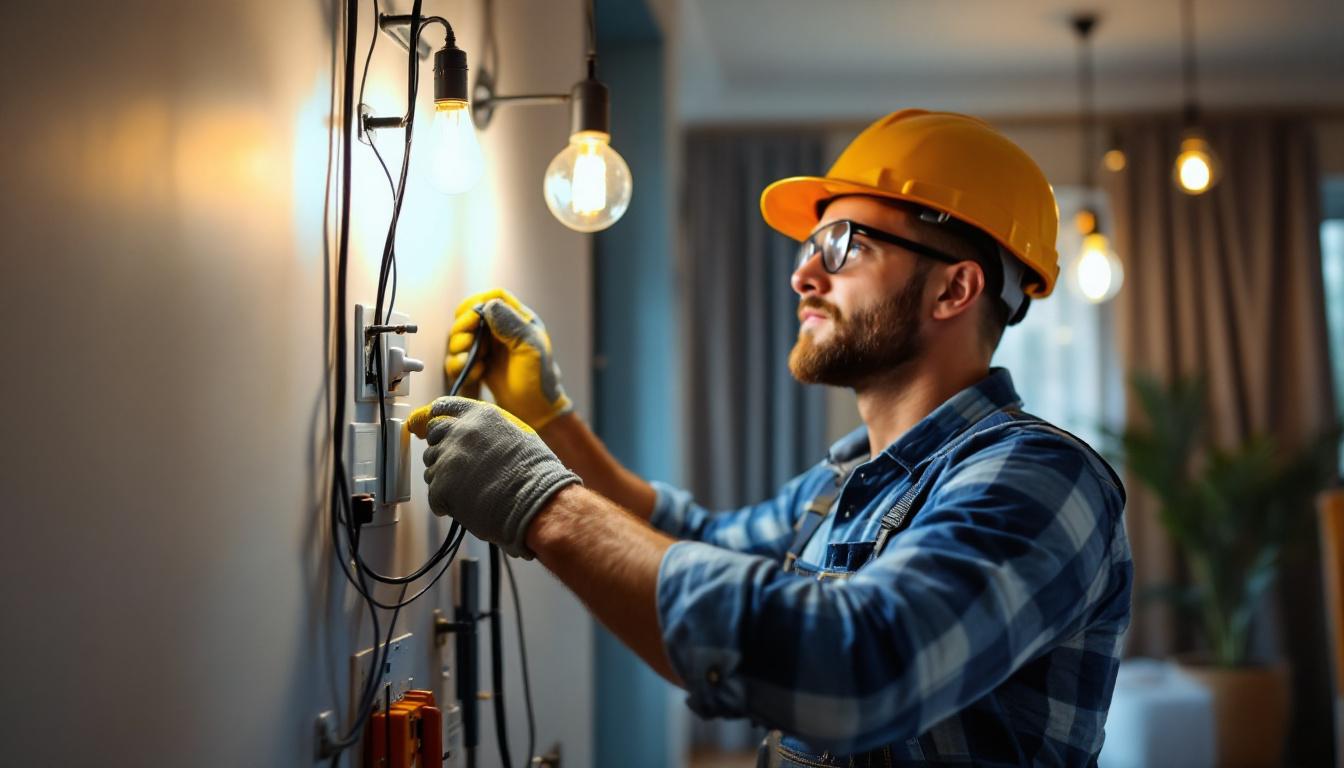
Proper wiring is essential for safety and performance. Low-voltage LED systems require transformers or drivers, which must be installed in accessible yet discreet locations. Lighting contractors should ensure compliance with local electrical codes and standards.
Power supply capacity should be calculated to accommodate all lighting fixtures, with some allowance for future expansion. Using connectors and quick-disconnects can facilitate maintenance and replacement.
Heat Management and Ventilation
Although LEDs produce less heat than traditional bulbs, heat dissipation remains important to maintain fixture longevity and prevent cabinet damage. Adequate ventilation or heat sinks should be integrated into the design, especially in enclosed or tightly packed cabinets.
Energy Efficiency and Sustainability
Benefits of Energy-Efficient Lighting
Energy-efficient cabinet lighting reduces electricity consumption, lowering operating costs and environmental impact. LEDs typically use up to 85% less energy than incandescent bulbs, making them the preferred choice for sustainable projects.
Lighting contractors can advise clients on the long-term savings associated with LED lighting, including reduced maintenance costs due to longer bulb life.
Certifications and Standards
When selecting lighting products, it is important to consider certifications such as ENERGY STAR and DLC (DesignLights Consortium). These certifications ensure that products meet rigorous energy efficiency and performance criteria.
Using certified products can also help clients qualify for rebates or incentives offered by utility companies or government programs, adding value to the installation.
Design Trends and Innovations
Minimalist and Integrated Lighting
Modern cabinet lighting trends favor minimalist designs that seamlessly integrate lighting fixtures into cabinetry. Concealed LED strips and recessed puck lights contribute to clean lines and uncluttered aesthetics.
This approach not only enhances the visual appeal but also protects lighting components from dust and damage, extending their lifespan.
Color-Changing and Tunable White Lighting
Advances in LED technology have introduced color-changing and tunable white lighting options. These systems allow users to adjust both color temperature and hue, creating dynamic lighting environments that can shift from warm to cool or display accent colors.
Such features are particularly appealing in high-end residential and commercial applications, where ambiance and mood lighting are priorities.
Wireless and Battery-Powered Solutions
Wireless cabinet lighting systems eliminate the need for complex wiring, simplifying installation and reducing labor costs. Battery-powered LED fixtures are ideal for retrofits or locations where running power lines is challenging.
While battery-operated systems require periodic replacement or recharging, advances in battery technology have extended run times and reliability.
Common Challenges and How to Overcome Them
Dealing with Limited Space
Cabinets often have limited space for lighting fixtures and wiring. Lighting contractors must select slim-profile LEDs and flexible strips that can fit into tight areas without compromising illumination quality.
Planning ahead to route wiring through existing channels or behind panels can prevent damage and maintain cabinet integrity.
Preventing Glare and Shadows
Improperly positioned lighting can cause glare or cast shadows, reducing functionality and comfort. Using diffusers, indirect lighting techniques, and careful fixture placement helps achieve even illumination.
Testing lighting angles and intensities before final installation ensures optimal results.
Ensuring Longevity and Maintenance Access
Lighting fixtures inside cabinets can be difficult to access for maintenance or replacement. Choosing long-life LEDs and designing installations with removable panels or quick-connect fittings simplifies upkeep.
Educating clients on proper use and care also helps prolong the lifespan of cabinet lighting systems.
Conclusion
Cabinet lighting is a specialized field that requires a blend of technical knowledge, design sensibility, and practical skills. For lighting contractors, mastering the various types of cabinet lighting, understanding the latest technologies, and adhering to best installation practices are key to delivering superior results.
By focusing on energy efficiency, aesthetics, and user experience, contractors can provide lighting solutions that not only meet but exceed client expectations. Staying informed about emerging trends and innovations will further enhance the ability to create functional and beautiful illuminated cabinetry.
Illuminate Your Projects with LumenWholesale
Ready to elevate your cabinet lighting projects with the finest selection of spec-grade lighting products? Look no further than LumenWholesale, where we provide contractors with exceptional lighting solutions at wholesale prices. Our commitment to quality and affordability means you can access a wide range of high-performance lighting options that meet the most stringent industry standards. Plus, with the convenience of free shipping on bulk orders, you can enjoy the best value without any hidden costs. Transform your lighting installations into stunning displays of functionality and design. Wholesale Lighting at the Best Value is just a click away—experience the LumenWholesale difference today!