As the demand for sustainable and energy-efficient solutions grows, solar walkway lights have emerged as a popular choice for both residential and commercial applications. For lighting contractors, understanding the nuances of solar walkway lights is crucial for providing clients with the best options available. This article delves into the various aspects of solar walkway lights, offering expert advice to help contractors make informed decisions.
Understanding Solar Walkway Lights
Solar walkway lights are outdoor lighting fixtures powered by solar energy. They typically consist of a solar panel, LED light source, and a rechargeable battery. The solar panel collects sunlight during the day, converting it into energy that charges the battery. When night falls, the stored energy powers the LED lights, illuminating pathways, gardens, and outdoor spaces.
Benefits of Solar Walkway Lights
One of the primary advantages of solar walkway lights is their energy efficiency. By harnessing solar power, these lights significantly reduce electricity costs, making them an attractive option for clients looking to minimize their energy bills. Additionally, solar lights are environmentally friendly, contributing to a reduction in carbon footprints. This sustainable approach not only benefits the homeowner but also promotes a greener planet, aligning with the growing trend toward eco-conscious living.
Another benefit is the ease of installation. Solar walkway lights do not require extensive wiring or electrical work, allowing for quick and straightforward setup. This can save contractors time and labor costs, making solar lights a cost-effective solution for various projects. Furthermore, many solar lights are designed with durable materials that can withstand various weather conditions, ensuring longevity and reliability. This durability makes them a practical choice for both residential and commercial properties, where maintenance and replacement can be costly and time-consuming.
Key Features to Consider
When selecting solar walkway lights, several features should be taken into account. First and foremost is the brightness, measured in lumens. The higher the lumen output, the brighter the light will be. For pathways, a range of 100 to 300 lumens is typically sufficient, depending on the desired level of illumination. It’s also worth noting that some models come with adjustable brightness settings, allowing users to customize the light intensity based on their specific needs or preferences.
Another important feature is the battery capacity. A higher capacity battery will store more energy, allowing the lights to shine longer during the night. Additionally, consider the solar panel size and efficiency, as larger and more efficient panels will capture more sunlight, enhancing overall performance. Some advanced solar walkway lights also feature motion sensors, which can activate the lights when someone approaches, providing an extra layer of security and energy conservation. These innovative features not only improve functionality but also add an element of convenience for users, making solar walkway lights a versatile choice for any outdoor space.
Types of Solar Walkway Lights
Solar walkway lights come in various styles and designs, each catering to different aesthetic preferences and functional requirements. Understanding these types can help contractors recommend the best options to their clients.
Post Lights
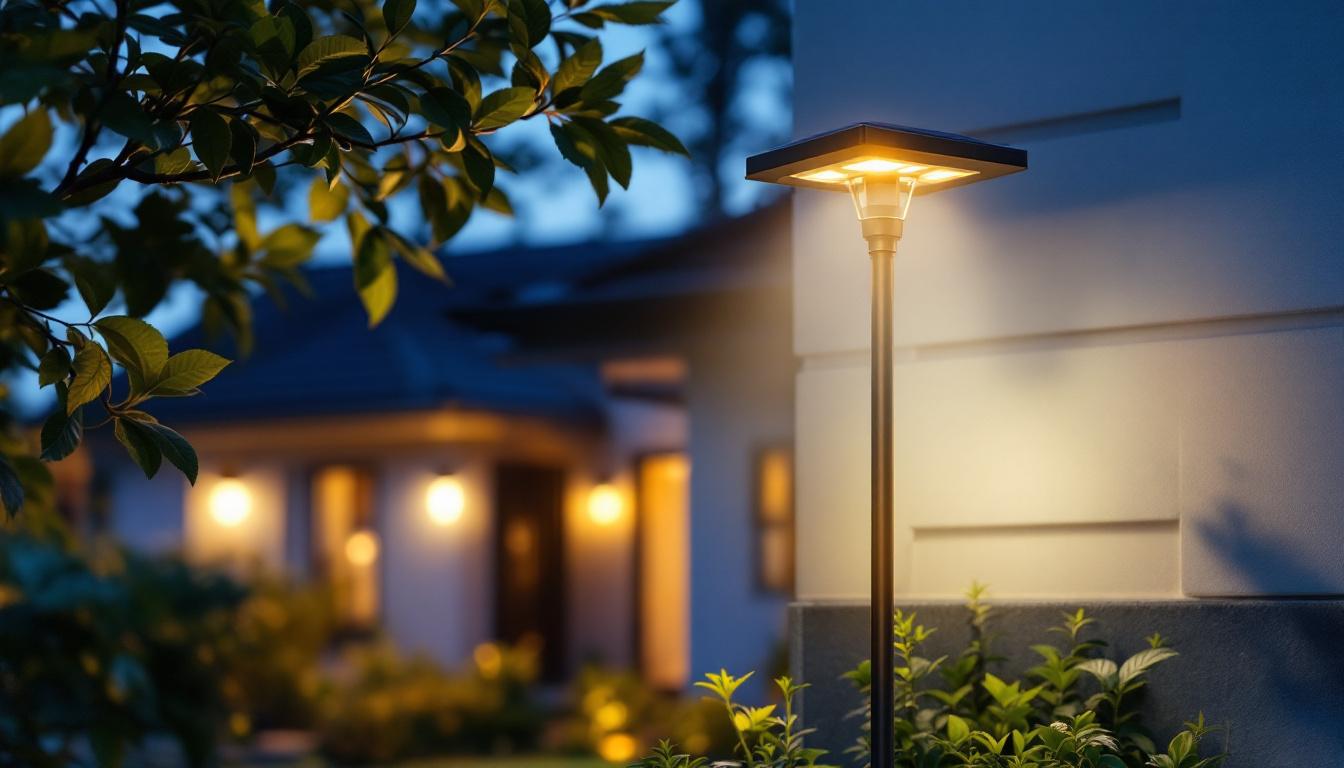
Post lights are tall fixtures that can be installed along walkways or driveways. They provide a broad area of illumination and are often designed to resemble traditional street lamps. These lights are ideal for enhancing the aesthetic appeal of outdoor spaces while providing ample lighting for safety. Many post lights now incorporate modern LED technology, which not only enhances brightness but also ensures energy efficiency. Additionally, some models come with adjustable brightness settings or motion sensors, allowing for customization based on specific needs or preferences.
Path Lights
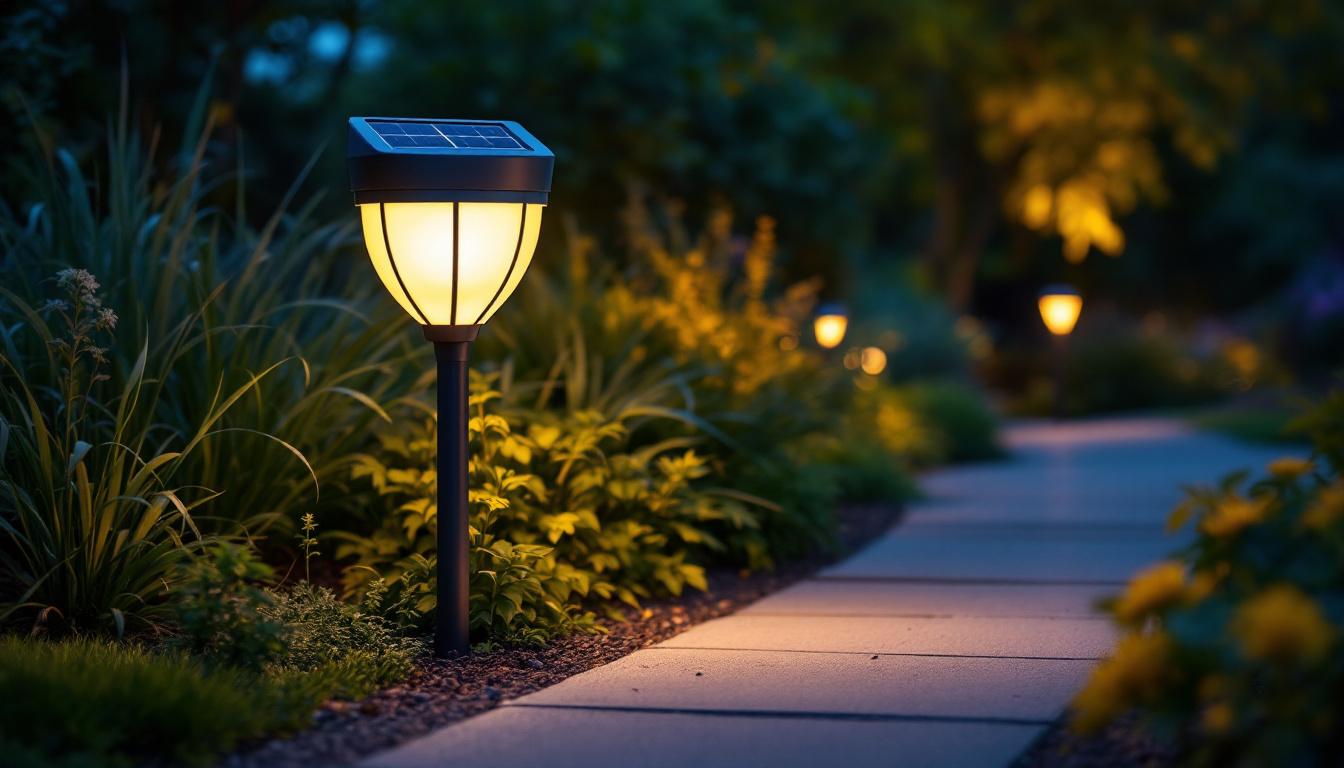
Path lights are typically shorter and designed to line pathways or garden borders. They offer focused lighting that guides pedestrians safely along their route. Available in various styles, path lights can complement different landscaping designs, making them a versatile choice for contractors. Beyond aesthetics, path lights can also be equipped with features such as color-changing LEDs or decorative lenses that create interesting light patterns on the ground. This not only enhances safety by illuminating the path but also adds a decorative touch that can transform a simple walkway into a visually appealing feature of the landscape.
Spotlights and Floodlights
For contractors looking to highlight specific features in a landscape, solar spotlights and floodlights are excellent options. Spotlights provide concentrated beams of light, ideal for illuminating trees, sculptures, or architectural elements. Floodlights, on the other hand, offer a wider beam spread, making them suitable for larger areas that require general illumination. Many modern solar floodlights come with adjustable heads, allowing users to direct light where it is needed most. Furthermore, some models include smart technology that can be programmed to turn on at specific times or respond to environmental changes, such as dusk or motion, thereby enhancing both security and convenience in outdoor spaces.
Installation Tips for Solar Walkway Lights
Proper installation is key to maximizing the performance of solar walkway lights. Contractors should consider several factors during the installation process to ensure optimal results.
Location and Placement
Choosing the right location for solar lights is crucial. Ideally, the solar panels should receive direct sunlight for most of the day. Areas shaded by trees, buildings, or other structures can significantly reduce the lights’ effectiveness. Contractors should assess the site and plan the placement of lights accordingly.
Additionally, spacing between lights is important for achieving even illumination. A general rule of thumb is to place path lights about 6 to 8 feet apart. This distance can vary based on the brightness of the lights and the desired level of illumination. For instance, if the walkway is particularly dark or if the lights are of lower brightness, closer spacing may be necessary to ensure safety and visibility. Furthermore, considering the landscape design can enhance aesthetics; lights can be strategically placed to highlight garden features or architectural elements, creating a visually appealing nighttime environment.
Maintenance Considerations
While solar walkway lights require minimal maintenance, contractors should advise clients on how to care for them. Regular cleaning of the solar panels is essential to ensure maximum energy absorption. Dust, dirt, and debris can accumulate on the panels, reducing their efficiency. It’s advisable to use a soft cloth and mild soap solution to gently clean the panels, avoiding any harsh chemicals that could damage the surface.
Furthermore, checking the batteries periodically is important. Over time, batteries may lose their ability to hold a charge, requiring replacement. Contractors should educate clients on the signs of battery failure and the importance of timely replacements. In addition to battery maintenance, it’s beneficial to inspect the entire lighting system for any signs of wear or damage, such as cracked lenses or loose connections. Seasonal checks can help identify potential issues before they become significant problems, ensuring that the lights remain functional and effective throughout the year. This proactive approach not only extends the lifespan of the solar lights but also enhances the safety and enjoyment of the walkway for users.
Choosing the Right Solar Walkway Lights for Clients
When recommending solar walkway lights to clients, contractors must consider their specific needs and preferences. Factors such as the intended use, aesthetic preferences, and budget will influence the final decision.
Assessing Client Needs
Engaging in a thorough consultation with clients can help contractors understand their lighting requirements. Questions about the primary purpose of the lighting—whether for safety, decoration, or both—can guide the selection process. Additionally, discussing the desired brightness level and design style can help narrow down the options.
Budget Considerations
Solar walkway lights are available at various price points, making it essential for contractors to align their recommendations with the client’s budget. While higher-end models may offer advanced features and better performance, there are also cost-effective options that can meet basic lighting needs without compromising quality.
Trends in Solar Walkway Lighting
The landscape of solar walkway lighting is continually evolving, with new trends and technologies emerging. Staying informed about these trends can help contractors provide cutting-edge solutions to their clients.
Smart Solar Lighting
One of the most significant trends in solar lighting is the integration of smart technology. Smart solar lights can be controlled via mobile apps, allowing users to adjust brightness levels, set timers, and even change colors. This level of customization enhances user experience and can be a selling point for contractors.
Design Innovations
Design innovation is also a key trend in the solar walkway lighting market. Manufacturers are increasingly focusing on aesthetics, offering a wide range of styles that cater to different architectural themes. From sleek modern designs to classic lantern styles, contractors can find options that seamlessly blend with their clients’ outdoor spaces.
Common Challenges and Solutions
While solar walkway lights offer numerous benefits, they are not without challenges. Understanding these challenges and having solutions at hand can enhance the contractor-client relationship.
Limited Sunlight Exposure
One common challenge is limited sunlight exposure, which can hinder the performance of solar lights. In cases where direct sunlight is not available, contractors can recommend solar lights with larger panels or those equipped with advanced battery technology that allows for longer runtime even with less sunlight.
Seasonal Performance Variability
Another challenge is the variability in performance during different seasons. In winter months, shorter days and overcast weather can affect charging. Contractors can suggest installing lights with a higher lumen output or those designed to operate efficiently in low-light conditions to mitigate this issue.
Conclusion: Empowering Contractors with Knowledge
Solar walkway lights present a unique opportunity for lighting contractors to offer sustainable and cost-effective solutions to their clients. By understanding the various types, features, and installation techniques, contractors can confidently recommend the best products for any project.
Staying abreast of trends and challenges in the solar lighting industry will further empower contractors to provide exceptional service and guidance. As the demand for eco-friendly lighting solutions continues to rise, embracing solar technology will not only benefit clients but also enhance the contractor’s reputation as a knowledgeable and forward-thinking professional in the field.
Illuminate Your Projects with LumenWholesale
Ready to elevate your lighting projects with the best solar walkway lights on the market? Look no further than LumenWholesale, where we provide contractors with spec-grade lighting products at unbeatable wholesale prices. Our selection of solar walkway lights meets the highest industry standards, ensuring you deliver reliable and high-performance lighting to your clients. Take advantage of our hassle-free bulk buying and enjoy free shipping on your orders. Don’t let hidden fees dim your project’s potential. Choose LumenWholesale for Wholesale Lighting at the Best Value and light the way to a brighter, more sustainable future.