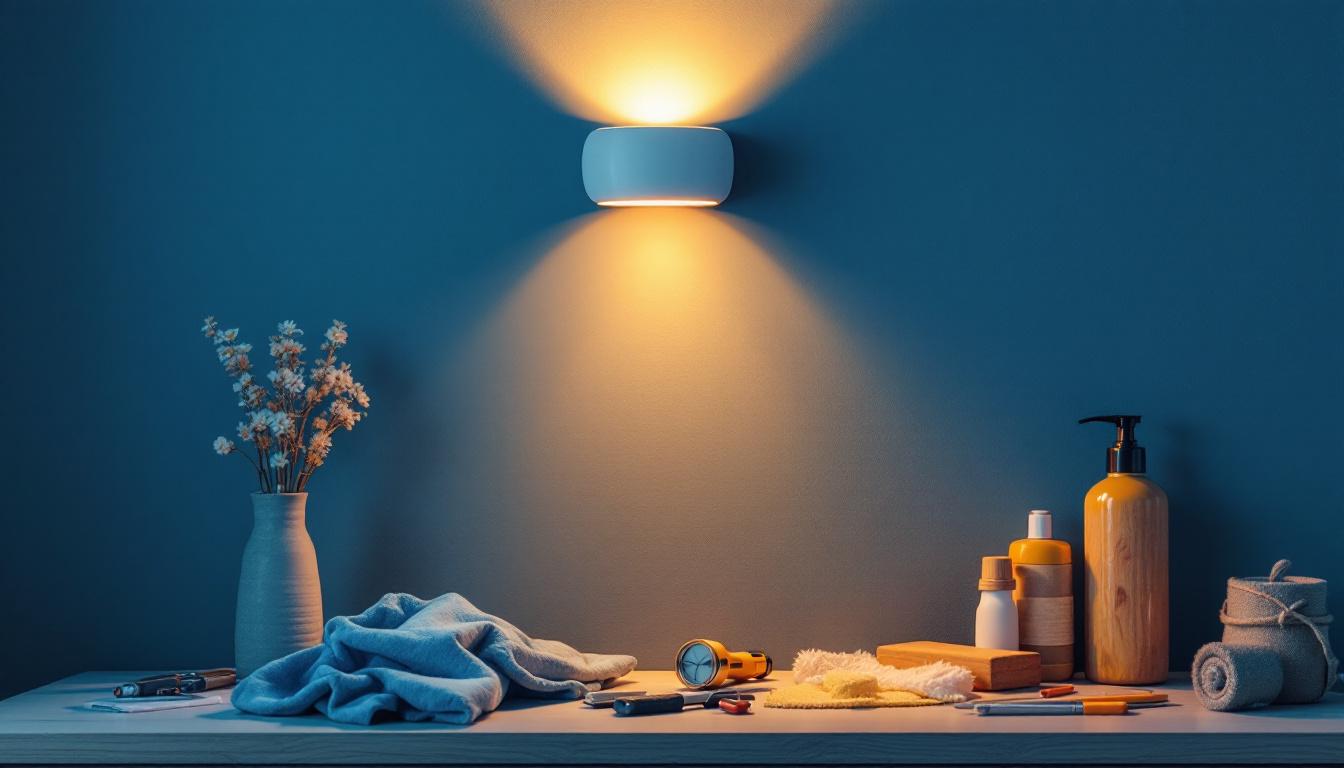
Understanding the Shift to LED Wall Sconces
Wall sconces have long been a staple in both residential and commercial lighting design. Traditionally outfitted with incandescent or halogen bulbs, these fixtures are undergoing a significant transformation as LED technology becomes the preferred choice. For lighting contractors, recognizing the nuances of LED wall sconces is critical—not just for installation but for advising clients on performance, energy savings, and design flexibility.
LEDs offer a distinct advantage in terms of longevity and efficiency. Unlike traditional bulbs that may last a few thousand hours, LED wall sconces can operate for tens of thousands of hours with minimal maintenance. This translates to fewer service calls and enhanced client satisfaction. Moreover, LEDs consume a fraction of the energy, which aligns with increasing demand for sustainable building practices and energy codes.
Beyond their impressive lifespan and energy efficiency, LED wall sconces also provide a wide range of color temperatures and brightness levels, allowing for greater customization in lighting design. Whether a client desires a warm, inviting glow for a cozy living room or a bright, crisp light for a modern office space, LED technology can accommodate these varying needs. Additionally, many LED sconces now come with dimmable options, giving users the ability to adjust the ambiance according to their preferences or the time of day.
Furthermore, the design versatility of LED wall sconces cannot be overstated. With advancements in technology, manufacturers are creating sleek, contemporary designs that can complement any decor style, from minimalist to ornate. This evolution opens up new opportunities for architects and designers to incorporate lighting as a key element of their overall aesthetic vision. As more clients become aware of the benefits of LED lighting, the demand for stylish and functional wall sconces is likely to grow, making it essential for lighting professionals to stay informed about the latest trends and innovations in the market.
Key Technical Considerations for Installation
Compatibility with Existing Wiring and Fixtures
One of the first challenges contractors face is ensuring LED wall sconces are compatible with the existing electrical infrastructure. Many older buildings still have wiring and dimmer switches designed for incandescent bulbs. LEDs require specific drivers and compatible dimmers to function correctly without flickering or buzzing.
Before installation, verify the voltage and current requirements of the LED sconces. Low-voltage LED fixtures often need transformers, which must be matched carefully to the fixture’s specifications. Mismatched components can lead to premature failure or subpar performance. Additionally, it’s crucial to assess the overall condition of the wiring. Aging or damaged wiring can pose safety hazards and may require upgrades or repairs before new fixtures can be installed. This step not only ensures functionality but also enhances the safety and longevity of the lighting system.
Heat Management and Fixture Design
Although LEDs generate less heat than traditional bulbs, they are sensitive to heat buildup. Proper heat dissipation is essential to maintain LED lifespan and brightness. Lighting contractors should evaluate the fixture design to ensure adequate ventilation or heat sinks are integrated.
Wall sconces installed in confined spaces or behind decorative covers may trap heat, accelerating LED degradation. Selecting fixtures with built-in thermal management or installing them in locations with good airflow can prevent these issues. Moreover, the orientation of the sconces can play a significant role in heat management; for instance, sconces mounted on walls that receive direct sunlight may require additional considerations to mitigate heat exposure. It’s also worth noting that some manufacturers provide thermal performance ratings for their products, which can be a valuable resource in selecting the right fixtures for specific environments. Understanding these factors can lead to more informed decisions that enhance both the aesthetic and functional aspects of the lighting design.
Design and Aesthetic Flexibility
Color Temperature and Light Quality
LED technology has advanced to the point where contractors can specify color temperatures ranging from warm white (2700K) to daylight (5000K) to suit the ambiance of the space. This flexibility allows for tailored lighting solutions that enhance architectural features or create specific moods. For instance, a warm white light can evoke a cozy and inviting atmosphere in a restaurant, while cooler daylight tones can energize a workspace, promoting productivity and focus. This versatility not only meets the functional requirements of different environments but also plays a crucial role in influencing the emotional responses of occupants.
Color rendering index (CRI) is another critical factor. High CRI LEDs (above 80) produce more natural and vibrant colors, which is especially important in hospitality, retail, and residential settings. Lighting contractors should prioritize fixtures with high CRI ratings to meet client expectations for color accuracy. In retail spaces, for example, accurate color rendering can significantly impact consumer behavior, as it allows products to appear more appealing. Furthermore, in art galleries or museums, the ability to showcase artwork in its true colors enhances the viewer’s experience and appreciation of the pieces on display.
Customizable Beam Angles and Light Distribution
Wall sconces equipped with adjustable beam angles enable contractors to direct light precisely where it’s needed. Narrow beams can highlight artwork or architectural details, while wider beams provide ambient illumination. This adaptability enhances the functionality of wall sconces beyond mere decorative purposes. By utilizing adjustable beam angles, designers can create dynamic lighting schemes that evolve throughout the day, adapting to the changing needs of the space and its occupants. This level of customization is particularly valuable in multi-functional areas, such as conference rooms or living spaces, where the lighting requirements may shift from task-oriented to relaxed settings.
Some LED sconces come with diffusers or lenses that soften the light output, reducing glare and creating a more comfortable environment. Understanding these options allows contractors to recommend solutions that balance aesthetics with practical lighting needs. Additionally, the integration of smart technology into lighting design is becoming increasingly popular. Smart sconces can be controlled remotely, allowing users to adjust brightness and color temperature with the touch of a button or through voice commands. This not only enhances user convenience but also promotes energy efficiency by enabling users to tailor their lighting to their specific needs at any given moment.
Energy Efficiency and Regulatory Compliance
Meeting Energy Codes and Standards
Energy codes such as ASHRAE 90.1 and the International Energy Conservation Code (IECC) increasingly mandate the use of energy-efficient lighting solutions. LED wall sconces often help projects comply with these regulations due to their low wattage and high output.
Contractors should stay informed about local codes and utility rebate programs, which frequently incentivize the installation of LED lighting. Proper documentation and specification can unlock cost savings for clients while ensuring installations meet legal requirements.
Calculating Payback and Lifecycle Costs
While the upfront cost of LED wall sconces can be higher than traditional fixtures, the total cost of ownership is significantly lower. Reduced energy consumption and maintenance costs contribute to a faster payback period.
Lighting contractors can provide clients with detailed lifecycle cost analyses, demonstrating the long-term financial benefits of switching to LED sconces. This transparency builds trust and positions contractors as knowledgeable advisors rather than just installers.
Installation Best Practices and Troubleshooting
Pre-Installation Assessment
Before beginning installation, conduct a thorough site assessment. Check for adequate electrical supply, wall integrity, and mounting surfaces. Confirm that the selected LED sconces fit the architectural style and meet client expectations.
Testing the fixtures with dimmers and switches beforehand can prevent compatibility issues on site. This step is particularly important in retrofit projects where existing controls may not support LED technology.
Wiring and Mounting Techniques
Proper wiring is essential to ensure safety and optimal performance. Use connectors rated for LED lighting and follow manufacturer guidelines for polarity and grounding. Secure mounting brackets firmly to prevent fixture movement or damage over time.
For wet or damp locations, select LED wall sconces with appropriate IP ratings and ensure all electrical components are sealed against moisture. This precaution extends fixture life and reduces liability.
Common Troubleshooting Scenarios
Flickering lights, dimmer incompatibility, and unexpected shutdowns are typical issues lighting contractors may encounter. Flickering often results from incompatible dimmers or loose wiring connections. Replacing dimmers with LED-compatible models usually resolves this.
Unexpected shutdowns can be caused by overheating or faulty drivers. Inspecting fixture ventilation and testing drivers individually helps isolate the problem. Keeping spare drivers and dimmers on hand can expedite repairs and minimize downtime.
Client Communication and Education
Setting Realistic Expectations
Clients may be unfamiliar with the characteristics of LED lighting compared to traditional bulbs. Explaining differences in light quality, dimming behavior, and maintenance requirements helps prevent misunderstandings.
Discussing the benefits of LED wall sconces, including energy savings and long lifespan, alongside potential limitations, such as initial cost or color temperature choices, empowers clients to make informed decisions.
Providing Maintenance Guidance
Although LED wall sconces require minimal upkeep, routine cleaning and inspection ensure optimal performance. Advising clients on how to clean fixtures safely and when to schedule professional inspections adds value to your service.
Highlighting the importance of replacing drivers or components with manufacturer-approved parts preserves warranty coverage and fixture integrity.
Conclusion: Mastering LED Wall Sconce Installations
For lighting contractors, mastering the essentials of LED wall sconce lighting is more than a technical requirement-it’s a competitive advantage. Understanding the intricacies of installation, design flexibility, energy compliance, and client communication positions contractors as trusted experts in a rapidly evolving market.
By integrating these insights into daily practice, contractors not only enhance project outcomes but also contribute to the broader goals of sustainability and innovation in the lighting industry.
Illuminate Your Projects with LumenWholesale
Ready to elevate your lighting installations with the efficiency and elegance of LED wall sconces? At LumenWholesale, we provide lighting contractors with the superior spec-grade products you need to stay ahead of the curve. Our extensive selection of LED lighting solutions is available at unbeatable wholesale prices, ensuring you get the best value for your investment. Say goodbye to middleman markups and hello to high-performance lighting that meets the highest industry standards. Plus, with free shipping on bulk orders, you can stock up on premium lighting without any hidden fees. Don’t compromise on quality or cost. Discover Wholesale Lighting at the Best Value today and bring unparalleled quality and affordability to your next project with LumenWholesale.