Understanding Rubber Light Bulbs: What Sets Them Apart?
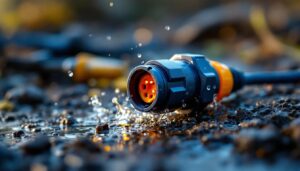
Rubber light bulbs are a niche but valuable component in the lighting industry, especially for contractors working in specialized environments. Unlike traditional glass bulbs, these bulbs feature a flexible rubber exterior designed to offer enhanced durability and impact resistance. This makes them ideal for settings where vibrations, shocks, or rough handling are common.
They are often used in industrial, outdoor, or temporary lighting setups where the risk of breakage is high. The rubber casing helps protect the internal filament or LED components, reducing downtime and replacement costs. However, this unique design also comes with specific handling and installation considerations that every lighting contractor should know.
In addition to their robust construction, rubber light bulbs often come with weather-resistant features, making them suitable for outdoor applications where exposure to moisture and varying temperatures is a concern. Many models are equipped with IP ratings that indicate their level of protection against dust and water ingress, ensuring reliable performance even in challenging conditions. This versatility allows contractors to employ these bulbs in a variety of settings, from construction sites to outdoor events, where traditional bulbs might fail.
Furthermore, the energy efficiency of rubber light bulbs, particularly those utilizing LED technology, cannot be overlooked. These bulbs consume significantly less power than their incandescent counterparts, translating to lower energy bills and a reduced carbon footprint. As sustainability becomes a priority in the construction and lighting industries, the adoption of energy-efficient rubber bulbs can contribute to greener practices. Additionally, their longer lifespan means fewer replacements, which not only saves money but also minimizes waste, aligning with the growing demand for environmentally responsible products.
Do: Choose the Right Application for Rubber Light Bulbs
Assess the Environment Carefully
Rubber light bulbs excel in environments prone to mechanical stress. For example, construction sites, warehouses, and outdoor events often benefit from their ruggedness. Before specifying these bulbs, evaluate the conditions: Will the lighting fixture be exposed to dust, moisture, or frequent movement? Rubber bulbs are typically more resistant to moisture and dust ingress than standard glass bulbs, but they are not immune to all environmental hazards. In addition to these factors, consider the potential for impact. In settings where equipment or materials may accidentally strike a light fixture, rubber bulbs can provide a significant advantage over traditional glass options, reducing the risk of breakage and ensuring continuous operation.
Additionally, consider temperature extremes. Rubber can degrade under prolonged exposure to intense heat or UV radiation. If the installation is in a high-heat environment, such as near industrial machinery or direct sunlight, verify that the rubber bulb’s specifications match those conditions. It’s also wise to think about seasonal changes; for instance, outdoor events may face fluctuating temperatures that could affect bulb performance. Ensuring that the rubber light bulbs are rated for a wide temperature range can help maintain their integrity and functionality throughout the year.
Match Bulb Type with Fixture Compatibility
Not all fixtures are designed to accommodate rubber light bulbs. Their slightly larger size and flexible casing can affect fit and heat dissipation. Always check manufacturer guidelines to ensure compatibility. Using a rubber bulb in a fixture designed solely for glass bulbs can lead to poor performance or even safety hazards. Furthermore, consider the type of lighting technology used in the fixture—whether incandescent, LED, or fluorescent—as this can influence the overall effectiveness of the rubber bulb. For instance, LED rubber bulbs might offer energy efficiency and longevity, making them a smart choice for long-term installations.
Additionally, the aesthetic aspect should not be overlooked. While rubber bulbs are primarily functional, they come in various designs and colors that can complement the overall look of a space. When selecting fixtures, consider how the bulb’s appearance aligns with the design intent of the environment. A well-matched bulb and fixture combination not only enhances the visual appeal but also ensures optimal light distribution and performance, creating a well-lit and inviting atmosphere.
Don’t: Ignore Electrical and Safety Standards
Never Overlook Voltage and Wattage Ratings
Rubber light bulbs, like any other lighting component, have specific electrical ratings. Installing a bulb with a voltage or wattage rating that exceeds the fixture’s capacity can cause overheating or electrical failure. This risk is heightened with rubber bulbs because their insulating properties differ from glass, potentially trapping heat. Additionally, the materials used in rubber bulbs can degrade over time if subjected to excessive heat, leading to a higher likelihood of failure and potentially hazardous situations.
Always verify that the bulb’s electrical specifications align with the fixture and power supply. Using a bulb outside its rated parameters can void warranties and increase liability risks. It’s also advisable to consult the manufacturer’s guidelines or a licensed electrician when in doubt. Proper installation and adherence to electrical standards not only ensure safety but also enhance the overall efficiency of the lighting system, providing better illumination while minimizing energy consumption.
Don’t Compromise on Certification and Quality
Some contractors might be tempted to source rubber light bulbs from low-cost suppliers to reduce expenses. This can be a costly mistake. Certified bulbs that meet industry standards such as UL, CE, or RoHS ensure safety, longevity, and performance. Non-certified bulbs may not undergo rigorous testing, increasing the likelihood of premature failure or safety hazards. Moreover, using subpar products can lead to increased maintenance costs down the line, as frequent replacements can disrupt operations and lead to downtime.
Investing in quality rubber light bulbs protects your reputation and reduces the risk of callbacks or accidents on site. Furthermore, certified products often come with warranties or guarantees that provide peace of mind and financial protection. When selecting lighting solutions, consider the long-term implications of your choices; opting for reputable brands not only enhances the safety of your installations but also contributes to a more sustainable approach by reducing waste associated with frequent replacements. Prioritizing quality over cost can ultimately lead to greater satisfaction for both contractors and clients alike.
Do: Handle and Install with Care
Use Proper Tools and Techniques
Despite their durable rubber casing, these bulbs still require careful handling during installation. Avoid using excessive force when fitting the bulb into the socket. The rubber exterior can deform under pressure, potentially damaging the internal components.
Use gloves to prevent oils and dirt from transferring to the bulb surface, which can affect heat dissipation and longevity. Additionally, ensure that the fixture is powered off before installation to avoid electrical shock.
Check for Secure Mounting and Ventilation
Rubber light bulbs can generate heat, especially when used with higher wattage settings. Proper ventilation around the fixture is essential to prevent heat buildup that could degrade the rubber over time. Confirm that the fixture allows adequate airflow and that the bulb is mounted securely to avoid movement or vibration that could stress the bulb.
Don’t: Neglect Maintenance and Inspection
Regularly Inspect for Wear and Tear
Rubber, while resilient, is susceptible to cracking, hardening, or discoloration with age and exposure to environmental factors. Contractors should schedule routine inspections to detect signs of wear early. This is especially important in outdoor or industrial settings where exposure to chemicals, UV light, or temperature fluctuations is common.
Replacing rubber light bulbs at the first sign of deterioration prevents unexpected failures and maintains lighting quality.
Avoid Using Damaged or Modified Bulbs
Never install rubber light bulbs that show visible damage, such as tears in the rubber casing or exposed internal components. Similarly, do not attempt to modify or repair these bulbs yourself. Alterations can compromise electrical safety and void manufacturer warranties.
Do: Educate Clients on the Benefits and Limitations
Set Realistic Expectations
Clients often appreciate the durability and safety advantages of rubber light bulbs but may not understand their limitations. Explain where these bulbs shine and where they might fall short. For example, while they resist impact better than glass, they are not indestructible and require proper care.
Providing this information upfront helps clients make informed decisions and reduces dissatisfaction or misuse.
Offer Maintenance Tips
Share practical advice with clients on how to maintain rubber light bulbs, such as keeping them clean, avoiding exposure to harsh chemicals, and scheduling inspections. Empowering clients with knowledge can extend the lifespan of the lighting installation and reduce service calls.
Don’t: Overlook Environmental and Disposal Considerations
Be Mindful of Rubber Waste
Rubber light bulbs, once spent, require responsible disposal. Rubber materials can be challenging to recycle and may pose environmental concerns if discarded improperly. Check local regulations regarding the disposal of rubber components and encourage clients to follow best practices.
Some manufacturers offer take-back programs or recycling options for used bulbs. Participating in these initiatives supports sustainability efforts and enhances your company’s environmental responsibility.
Avoid Using Rubber Bulbs in Incompatible Settings
In certain environments, such as those with extreme chemical exposure or high temperatures beyond the bulb’s rating, rubber light bulbs may degrade rapidly and release harmful substances. Avoid specifying these bulbs in such conditions to prevent environmental contamination and health risks.
Conclusion: Mastering Rubber Light Bulbs for Reliable Installations
Rubber light bulbs offer lighting contractors a robust alternative to traditional glass bulbs, particularly in demanding environments. Success with these bulbs hinges on selecting the right application, adhering to electrical and safety standards, and practicing careful handling and maintenance. Educating clients and respecting environmental considerations further enhances project outcomes.
By following these do’s and don’ts, lighting contractors can leverage the unique benefits of rubber light bulbs while minimizing risks and ensuring long-lasting, effective lighting solutions.
Get Your Premium Rubber Light Bulbs at LumenWholesale
Ready to enhance your lighting installations with the durability and efficiency of rubber light bulbs? Look no further than LumenWholesale for all your lighting needs. Our spec-grade products are designed to meet the highest industry standards, providing you with reliable and high-performance lighting solutions. With unbeatable wholesale prices and the convenience of free shipping on bulk orders, you can equip your projects with the best lighting options available. Don’t compromise on quality or value; choose LumenWholesale for the perfect blend of affordability and excellence. Visit us today and discover the ease of Wholesale Lighting at the Best Value.