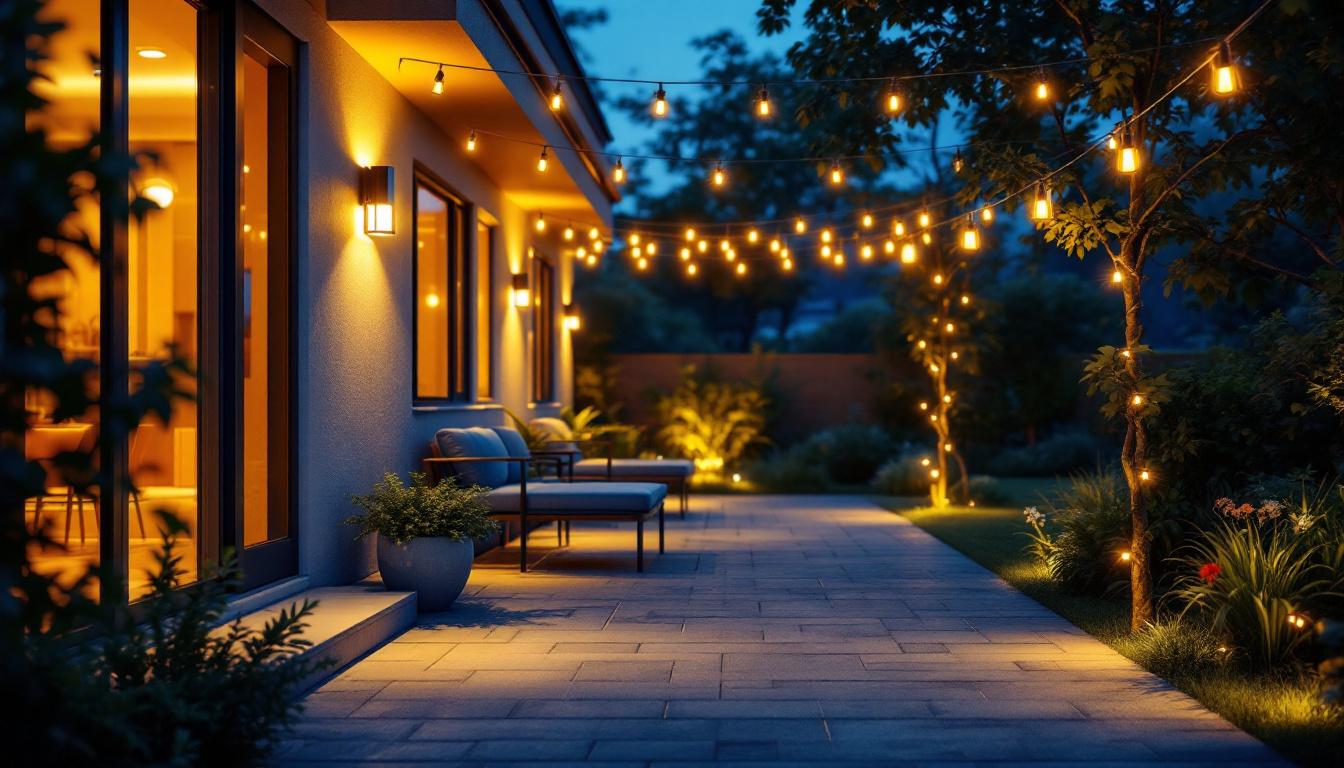
In the realm of interior design and lighting, wall sconces have emerged as essential elements that can elevate the ambiance of any space. These versatile fixtures not only provide illumination but also serve as decorative accents that enhance the overall aesthetic of a room. For lighting contractors, understanding the significance of wall sconces is crucial for delivering successful lighting projects that meet client expectations and create inviting environments.
The Role of Wall Sconces in Interior Design
Enhancing Aesthetic Appeal
Wall sconces come in a myriad of styles, shapes, and finishes, allowing them to complement various design themes. Whether the project leans towards modern minimalism, rustic charm, or classic elegance, there is a wall sconce that can harmonize with the overall decor. By strategically placing sconces, designers can create focal points that draw the eye and add character to otherwise bland walls.
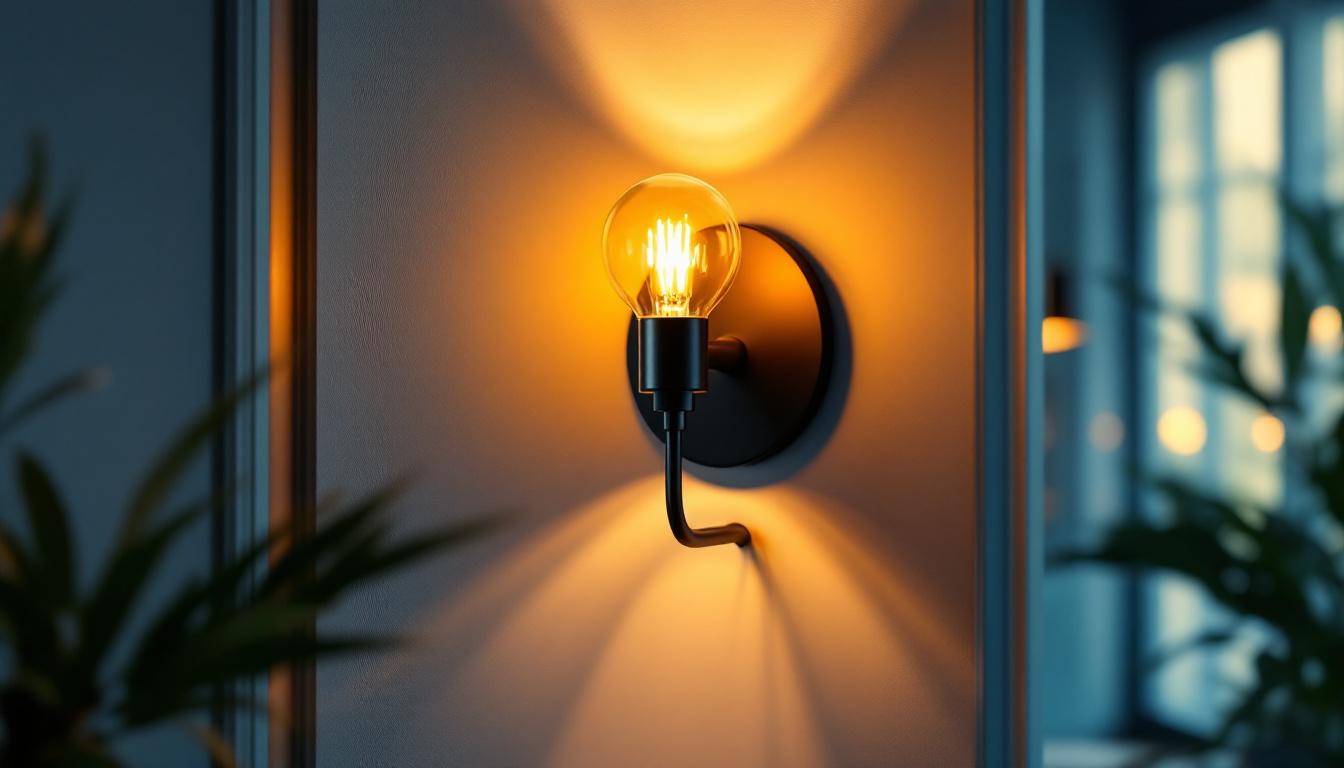
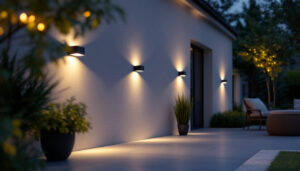
Moreover, the interplay of light and shadow created by wall sconces can transform a space. The soft glow emitted from these fixtures can highlight architectural features, artwork, or textured surfaces, contributing to a layered lighting scheme that adds depth and interest. This is particularly important in residential projects where creating a warm and inviting atmosphere is paramount. For example, a pair of elegantly designed sconces flanking a piece of artwork can elevate the visual impact, making it a centerpiece of the room while simultaneously providing a gentle wash of light that enhances the colors and textures of the piece.
In addition to their functional role, wall sconces can also serve as statement pieces. Designers often select sconces with unique designs or bold finishes to act as conversation starters within a space. A vintage-inspired sconce with intricate detailing can evoke nostalgia and charm, while a sleek, modern fixture can add a touch of sophistication. This ability to merge form and function makes wall sconces not just lighting fixtures, but integral components of the overall design narrative.
Functional Benefits
Beyond their aesthetic contributions, wall sconces also serve practical purposes in interior spaces. They can provide ambient, task, or accent lighting, depending on their placement and design. For instance, sconces placed beside a mirror in a bathroom can offer essential task lighting for grooming, while those in hallways can enhance safety by illuminating pathways.
In commercial settings, wall sconces can help define areas within larger spaces, guiding customers through a retail environment or creating cozy nooks in restaurants. This versatility makes them an invaluable tool for lighting contractors aiming to meet diverse client needs. Additionally, the use of dimmable sconces can further enhance their functionality, allowing for adjustments in brightness to suit different times of day or occasions. This adaptability is particularly beneficial in multi-use spaces, where the lighting requirements may shift from day to night, or from casual to formal settings.
Furthermore, wall sconces can also contribute to energy efficiency in a space. By utilizing LED bulbs or other energy-saving technologies, these fixtures can provide ample illumination without significantly increasing energy costs. This is especially advantageous in commercial environments where lighting can account for a substantial portion of operational expenses. The integration of smart technology into wall sconces, such as motion sensors or remote dimming capabilities, can further optimize energy use while enhancing user convenience and comfort.
Choosing the Right Wall Sconce
Understanding Different Styles
When selecting wall sconces for a project, it is vital to consider the style that aligns with the overall design vision. Traditional sconces often feature ornate details and warm finishes, making them suitable for classic interiors. In contrast, contemporary sconces may boast sleek lines and metallic finishes, appealing to modern aesthetics. The variety of styles available also includes rustic, industrial, and eclectic options, each bringing its own unique flair to a space. For example, a rustic sconce made from reclaimed wood can add a charming, earthy touch to a cabin-style home, while an industrial sconce with exposed bulbs can enhance the raw, urban feel of a loft apartment.
Additionally, the choice of materials can influence the fixture’s overall look. Glass, metal, and even fabric can be used to create sconces that reflect the desired ambiance. For instance, a frosted glass sconce can diffuse light softly, making it ideal for bedrooms, while a polished metal fixture can add a touch of sophistication to a living area. Furthermore, the finish of the materials plays a significant role; a matte black finish can lend a modern edge, while antique brass can evoke a sense of nostalgia. Understanding these nuances allows for a more tailored approach to lighting design, ensuring that each sconce complements the intended mood and style of the room.
Size and Scale Considerations
Another critical factor in selecting wall sconces is size. A well-proportioned sconce can enhance the visual balance of a room, while an ill-suited fixture can disrupt the harmony. Lighting contractors should assess the wall space available and consider the height at which sconces will be installed. It’s also essential to think about the scale of other furnishings in the room; for instance, a large, dramatic sconce can serve as a statement piece above a fireplace, while smaller sconces may work better flanking a mirror or artwork.
For instance, in a small room, oversized sconces may overwhelm the space, whereas petite fixtures might get lost on a large wall. A general guideline is to install sconces at eye level to ensure optimal illumination and visual appeal. Moreover, spacing sconces evenly can create a cohesive look that enhances the overall design. When planning the layout, consider the function of the space; sconces placed in hallways should be spaced to provide adequate light for navigation, while those in a dining area can be positioned to create a warm, inviting atmosphere. This thoughtful approach to size and placement not only enhances the functionality of the lighting but also elevates the aesthetic quality of the interior design.
Installation Tips for Wall Sconces
Planning the Layout
Before installation, it is essential to plan the layout carefully. Lighting contractors should collaborate with interior designers to determine the best locations for sconces based on the room’s function and design. Consideration should be given to how the sconces will interact with other light sources, such as overhead fixtures or natural light.
In spaces like living rooms or dining areas, sconces can be used to create a layered lighting effect, combining ambient and task lighting. For hallways, sconces should be spaced evenly to ensure consistent illumination without dark spots. A well-planned layout not only enhances functionality but also contributes to the overall aesthetic coherence of the space.
Electrical Considerations
Proper electrical installation is crucial for the safety and functionality of wall sconces. Lighting contractors should ensure that the electrical wiring is up to code and that the fixtures are compatible with the existing electrical system. It is advisable to use dimmable sconces, as they offer flexibility in adjusting the lighting intensity, allowing for different moods and activities.
Additionally, contractors should consider the type of bulbs used in sconces. LED bulbs are popular for their energy efficiency and longevity, while incandescent bulbs may provide a warmer light quality. The choice of bulb can significantly impact the ambiance, so it is essential to discuss options with clients to meet their preferences.
Creating a Cohesive Lighting Design
Layering Light Sources
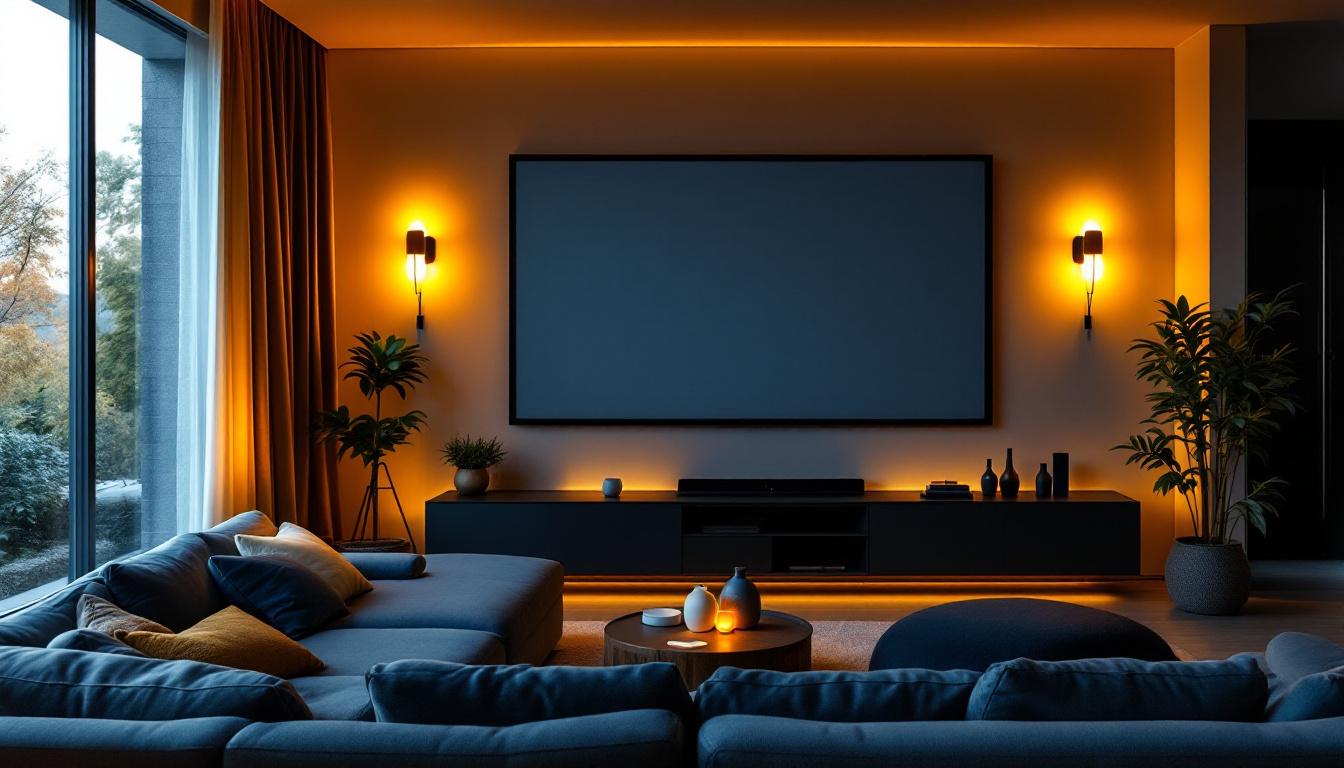
Successful lighting design involves layering different light sources to create a balanced and inviting atmosphere. Wall sconces play a pivotal role in this layering process. By combining sconces with overhead lighting, table lamps, and floor lamps, contractors can achieve a dynamic lighting scheme that caters to various activities and moods.
For example, in a living room, sconces can provide ambient lighting while a central chandelier serves as a statement piece. This combination not only enhances the room’s functionality but also adds visual interest. In bedrooms, sconces can flank the bed to create a cozy reading nook, complemented by a soft overhead fixture.
Utilizing Color Temperature
The color temperature of light can significantly influence the mood of a space. Wall sconces are available in various color temperatures, ranging from warm whites to cool blues. Lighting contractors should consider the desired ambiance when selecting sconces for a project.
Warm white light (2700K to 3000K) is often preferred for residential spaces, as it creates a cozy and inviting atmosphere. In contrast, cooler color temperatures (4000K and above) may be more suitable for workspaces or commercial environments where clarity and focus are essential. By thoughtfully selecting the color temperature of sconces, contractors can enhance the overall lighting design.
Trends in Wall Sconce Design
Eco-Friendly Options
As sustainability becomes a priority in design, eco-friendly wall sconces are gaining popularity. Many manufacturers are now producing fixtures using sustainable materials and energy-efficient technologies. Lighting contractors can offer clients eco-friendly options that align with their values while still providing stylish and functional lighting solutions.
These fixtures may include LED sconces made from recycled materials or those designed to minimize energy consumption. By incorporating eco-friendly options into projects, contractors can appeal to environmentally conscious clients and contribute to a more sustainable future.
Smart Lighting Integration
With the rise of smart home technology, integrating smart lighting into wall sconces is becoming increasingly common. Smart sconces can be controlled via mobile apps or voice commands, allowing users to adjust brightness, color temperature, and even create lighting schedules.
This technology not only enhances convenience but also allows for greater customization of lighting schemes. Contractors should stay informed about the latest smart lighting solutions to provide clients with cutting-edge options that enhance their living experience.
Conclusion: The Importance of Wall Sconces in Lighting Projects
Wall sconces are more than mere lighting fixtures; they are essential components of successful interior design. Their ability to enhance aesthetic appeal, provide functional lighting, and create a cohesive atmosphere makes them invaluable for lighting contractors. By understanding the various styles, installation techniques, and design trends associated with wall sconces, contractors can deliver exceptional lighting projects that exceed client expectations.
As the demand for innovative and sustainable lighting solutions continues to grow, wall sconces will remain a staple in interior design. Their versatility and functionality ensure that they will play a crucial role in shaping the future of lighting projects. Embracing the potential of wall sconces can lead to more successful outcomes, ultimately enhancing the overall experience for clients and their spaces.
Illuminate Your Projects with LumenWholesale
Ready to enhance your lighting projects with the elegance and functionality of wall sconces? At LumenWholesale, we offer an exceptional range of high-quality, spec-grade lighting solutions that cater to your every need. Say goodbye to inflated markups and hello to unbeatable wholesale prices, superior products, and the convenience of free shipping on bulk orders. Elevate your design with the perfect blend of quality, affordability, and style. Discover our extensive selection and secure the best value for your lighting needs today by visiting Wholesale Lighting at the Best Value.