Rethinking Fan Placement: Why Wall Mount Ceiling Fans Are Gaining Traction
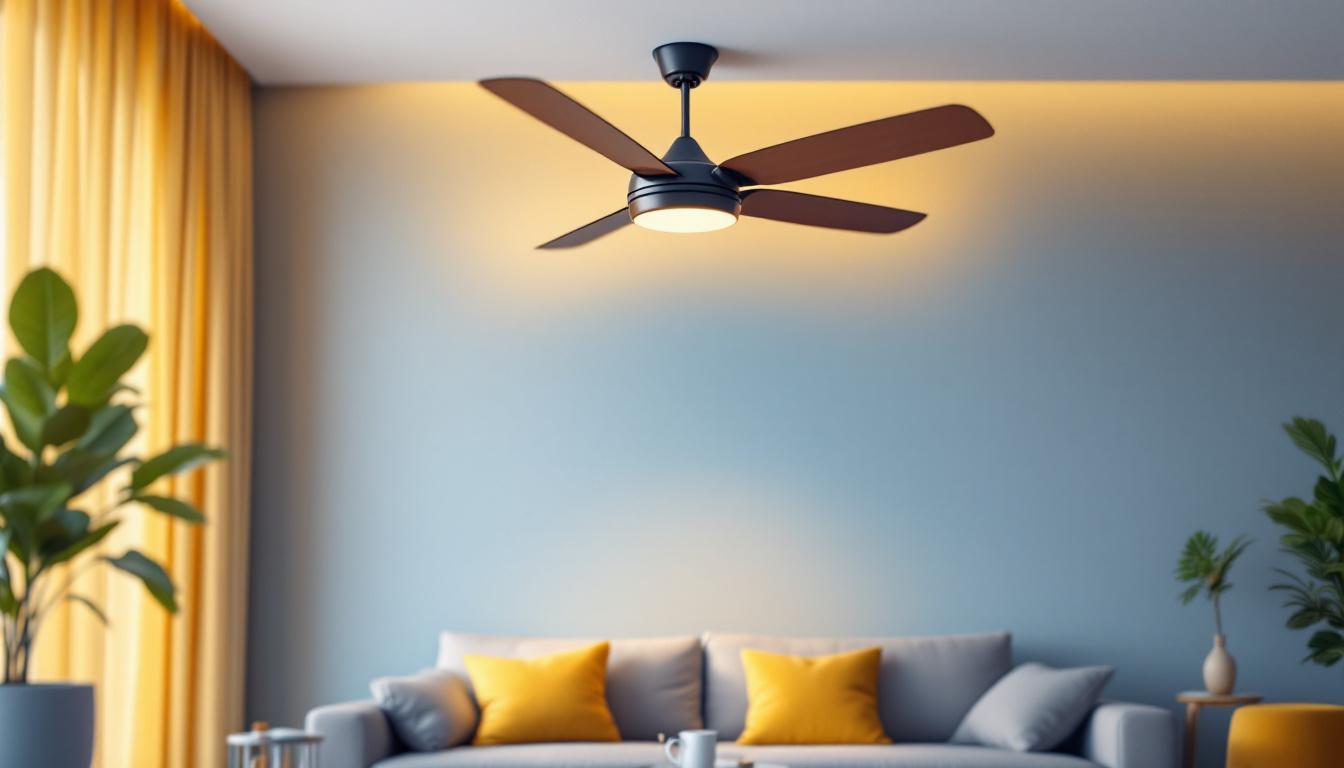
Ceiling fans have long been a staple in both residential and commercial spaces, primarily mounted directly overhead to circulate air efficiently. However, the traditional ceiling-mounted fan is no longer the only option for contractors and designers aiming to optimize space, airflow, and aesthetics. Wall mount ceiling fans are emerging as a versatile alternative that addresses many challenges faced during installation and design.
For lighting contractors, understanding this shift is crucial. Wall mount fans offer unique benefits that complement lighting design, especially in spaces where ceiling height, structural limitations, or architectural features restrict traditional fan installation. These fans can be positioned to maximize airflow without interfering with light fixtures or ceiling-mounted equipment, providing a seamless integration of lighting and ventilation solutions.
Moreover, wall mount ceiling fans can be particularly advantageous in rooms with sloped ceilings or in areas where the ceiling height is too low for a standard ceiling fan. By positioning the fan on the wall, designers can ensure that airflow is directed where it’s needed most, enhancing comfort without compromising the room’s aesthetic appeal. This flexibility allows for creative design solutions, enabling homeowners and businesses to maintain a stylish look while achieving optimal air circulation. Additionally, many wall mount fans come with adjustable speeds and remote control options, making them user-friendly and adaptable to varying needs throughout the day.
Another significant advantage of wall mount ceiling fans is their ability to serve as focal points in a room’s design. With a variety of styles, colors, and finishes available, these fans can enhance the overall decor while providing functional benefits. Whether it’s a sleek, modern design for a contemporary space or a vintage-inspired look for a rustic setting, wall mount fans can be tailored to fit the unique character of any room. This trend is particularly appealing to interior designers who are increasingly looking for ways to combine functionality with style, ensuring that every element in a space contributes to its overall ambiance.
Advantages of Wall Mount Ceiling Fans in Modern Installations
Space Optimization and Flexibility
One of the primary advantages of wall mount ceiling fans is their ability to free up ceiling space. In commercial environments such as warehouses, gyms, or retail stores, ceilings often host a variety of lighting systems, HVAC ducts, and fire suppression equipment. Installing fans on the wall avoids overcrowding the ceiling plane, allowing contractors to maintain a clean and organized look while ensuring optimal airflow.
Residential applications benefit as well. In rooms with low ceilings or exposed beams, traditional ceiling fans can feel intrusive or unsafe. Wall mount fans provide an alternative that keeps air moving without compromising headroom or design aesthetics. Furthermore, their sleek profiles can complement modern interior designs, adding a touch of sophistication without overwhelming the space. Homeowners can choose from a variety of styles and finishes, ensuring that the fan not only serves a functional purpose but also enhances the overall decor of the room.
Improved Airflow Direction and Control
Unlike ceiling fans that primarily circulate air downward, wall mount fans can be angled to direct airflow horizontally or diagonally. This directional control is valuable in spaces where targeted ventilation is necessary, such as in kitchens, workshops, or outdoor patios. Contractors can select fans with adjustable mounts, enabling end-users to fine-tune airflow based on seasonal needs or room layout changes.
Additionally, wall mount fans often feature oscillating functions, further enhancing their ability to distribute air evenly across a room. This versatility makes them an excellent complement to lighting systems, ensuring that both light and air reach the intended areas without conflict. In environments like restaurants or cafes, where comfort is paramount for patrons, the ability to adjust airflow can significantly enhance the dining experience, making it more enjoyable regardless of the season. Furthermore, by strategically positioning these fans, businesses can create microclimates that improve customer satisfaction and encourage longer visits.
Ease of Installation and Maintenance
Installing a ceiling fan can be complex, especially in older buildings or structures with limited ceiling access. Wall mount fans simplify this process by eliminating the need for ceiling reinforcement or complicated wiring runs through the ceiling cavity. For lighting contractors, this can translate into reduced labor time and fewer installation challenges. The straightforward installation process also means that businesses can quickly implement these solutions without significant downtime, allowing for uninterrupted operations.
Maintenance is also more straightforward. Wall mount fans are easier to reach for cleaning, blade adjustments, or repairs, which is particularly beneficial in commercial settings where regular upkeep is essential for safety and performance. This accessibility encourages more frequent maintenance, which can extend the life of the fan and improve its efficiency. Additionally, many modern wall mount fans come equipped with features such as washable filters or easy-to-remove blades, further simplifying the upkeep process. This focus on user-friendly design not only saves time and money but also promotes a culture of care and responsibility in maintaining the equipment, ensuring that fans operate at peak performance for years to come.
Integrating Lighting and Wall Mount Fans: Design Considerations
Balancing Aesthetics and Functionality
Lighting contractors must consider how wall mount fans interact visually and functionally with existing or planned lighting fixtures. The fans themselves can serve as design elements, with sleek, modern models available in various finishes and blade styles to complement interior décor. From rustic wood finishes that evoke a cozy, farmhouse feel to polished metal designs that add a touch of industrial chic, the options are virtually limitless. This variety allows designers to create cohesive environments where every element, including fans, contributes to the overall aesthetic.
When integrating lighting, it’s important to ensure that fans do not cast unwanted shadows or disrupt the light distribution pattern. Positioning fans strategically on walls adjacent to light sources can mitigate these issues. Some manufacturers also offer fans with integrated LED lighting, creating a dual-purpose fixture that saves space and simplifies wiring. Additionally, the use of dimmable LED lights can further enhance the ambiance, allowing for a range of moods from bright and energizing to soft and relaxing. This flexibility is particularly beneficial in multi-use spaces, where the atmosphere may need to shift throughout the day.
Electrical and Wiring Challenges
Wall mount fans require careful planning regarding power supply and control systems. Unlike ceiling-mounted units that often connect directly to ceiling boxes, wall fans may need dedicated circuits or specialized switches. Lighting contractors should coordinate with electricians to ensure compliance with local codes and to optimize control options, such as remote controls, wall dimmers, or smart home integration. This collaboration is crucial, as improper installation can lead to inefficiencies or safety hazards, undermining the benefits of the integrated system.
Incorporating fans with lighting controls can enhance user experience, allowing occupants to adjust both airflow and illumination from a single interface. This synergy is particularly valuable in commercial environments where energy efficiency and user comfort are priorities. Moreover, the integration of smart technology can facilitate automated adjustments based on occupancy or time of day, further optimizing energy use. For instance, in a conference room setting, automated systems can dim lights and adjust fan speeds when a presentation begins, creating a more focused environment while also conserving energy. Such advancements not only improve functionality but also contribute to sustainable design practices, making them an attractive option for modern spaces.
Case Studies: Successful Wall Mount Fan Installations in Lighting Projects
Commercial Gym Facility
A large gym facility faced challenges with high ceilings cluttered by lighting trusses and HVAC systems. Installing traditional ceiling fans was impractical due to height and interference with overhead equipment. By opting for wall mount ceiling fans, the facility achieved effective air circulation without compromising lighting placement or structural integrity. The fans were mounted on opposite walls, angled to cover the entire workout area, and integrated with existing lighting controls for seamless operation.
Residential Living Room Renovation
In a residential setting with exposed wooden beams and a low ceiling, a wall mount ceiling fan provided a practical solution for air circulation. The fan’s modern design complemented the room’s industrial aesthetic, while its placement on a side wall preserved headroom and avoided obstructing pendant lights. The homeowner appreciated the quiet operation and ease of maintenance, which enhanced the overall comfort and style of the space.
Future Trends: Smart Technology and Sustainability in Wall Mount Fans
Smart Controls and Automation
As smart home and building automation technologies advance, wall mount ceiling fans are increasingly equipped with connectivity features. Integration with voice assistants, smartphone apps, and occupancy sensors allows for automated airflow adjustments based on room usage, temperature, or time of day. Lighting contractors can leverage these features to offer clients comprehensive environmental control solutions that improve comfort and reduce energy consumption.
Energy Efficiency and Sustainable Materials
Energy efficiency remains a top priority in lighting and HVAC systems. Wall mount fans are being designed with high-efficiency motors and aerodynamic blades that reduce power consumption while maximizing airflow. Some models incorporate sustainable materials such as recycled composites or responsibly sourced wood, appealing to environmentally conscious clients.
Pairing wall mount fans with LED lighting fixtures can further enhance sustainability. Contractors can promote these combinations as part of green building certifications or energy-saving initiatives, adding value to their services.
Conclusion: Embracing Wall Mount Ceiling Fans in Lighting Projects
Wall mount ceiling fans represent a forward-thinking approach to air circulation that aligns well with modern lighting design and installation challenges. Their flexibility, ease of installation, and design adaptability make them an attractive option for contractors seeking to deliver innovative, efficient, and aesthetically pleasing solutions.
For lighting contractors, staying informed about the capabilities and benefits of wall mount fans opens new possibilities for project design and client satisfaction. As technology evolves and sustainability becomes increasingly important, these fans are poised to become a standard component in integrated lighting and ventilation systems.
Illuminate Your Projects with LumenWholesale
Ready to revolutionize your lighting and ventilation projects with the latest in wall mount ceiling fan technology? At LumenWholesale, we provide you with the highest quality, spec-grade lighting products to ensure your installations stand out. Our commitment to affordability and convenience means you get the best value with free shipping on bulk orders, making us your go-to source for all your lighting needs. Elevate your designs and delight your clients by choosing Wholesale Lighting at the Best Value with LumenWholesale today.