Understanding the Type T Halogen Light Bulb
Type T halogen light bulbs are a staple in the lighting industry, prized for their compact shape and bright, crisp illumination. The “T” stands for tubular, describing the bulb’s slender, elongated design, which typically ranges from 3 to 12 inches in length. These bulbs are often used in applications requiring focused, directional lighting, such as track lighting, recessed fixtures, and display lighting. Their versatility makes them an excellent choice for both residential and commercial spaces, where the need for efficient and aesthetically pleasing lighting solutions is paramount.
Halogen bulbs operate by passing an electric current through a tungsten filament enclosed in a small quartz envelope filled with halogen gas. This design allows the filament to operate at higher temperatures than traditional incandescent bulbs, resulting in a brighter light output and improved efficiency. For lighting contractors, understanding the unique characteristics of Type T halogen bulbs is essential to ensuring optimal installation and maintenance. The ability to produce a high lumen output while consuming less energy than older incandescent models makes these bulbs a popular choice for eco-conscious consumers looking to reduce their energy bills without sacrificing quality.
Key Features and Advantages
Type T halogen bulbs offer several advantages over standard incandescent bulbs. Their compact size allows for installation in tight spaces, while the halogen gas extends the bulb’s lifespan by redepositing evaporated tungsten back onto the filament. This process not only enhances durability but also maintains consistent light quality throughout the bulb’s life. Furthermore, the instant-on feature of halogen bulbs means they reach full brightness immediately upon being switched on, making them ideal for areas where immediate illumination is necessary, such as in kitchens or workspaces.
Additionally, these bulbs provide excellent color rendering, often achieving a Color Rendering Index (CRI) of 100, which means colors appear vibrant and true to life under their illumination. This makes Type T halogen bulbs especially suitable for retail environments, galleries, and other settings where accurate color representation is critical. Beyond their aesthetic appeal, halogen bulbs also produce a warm light that can create a welcoming atmosphere in homes and businesses alike. Their ability to be dimmed further enhances their versatility, allowing users to adjust the brightness according to mood or activity, making them a favorite among designers and homeowners looking to create dynamic lighting schemes.
Best Practices for Installation
Proper installation is paramount to maximize the performance and longevity of Type T halogen bulbs. Lighting contractors should adhere to several best practices to ensure safety, efficiency, and client satisfaction.
Handling and Safety Considerations
One of the most critical factors when working with halogen bulbs is handling. The quartz envelope is sensitive to oils and dirt from skin contact. When a bulb is touched with bare hands, the oils can create hot spots on the glass surface during operation, leading to premature failure or even bulb explosion.
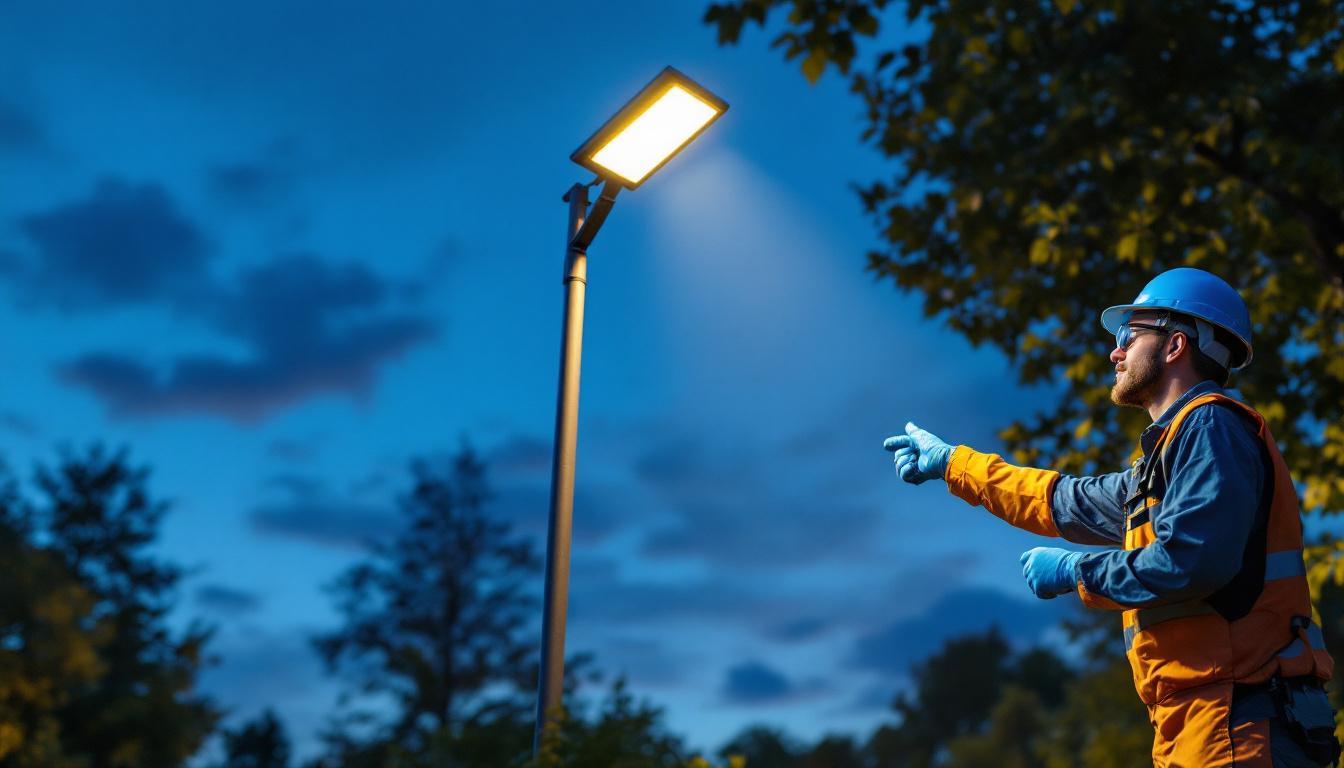
Lighting contractors should always wear clean gloves or use a lint-free cloth when handling Type T halogen bulbs. If accidental contact occurs, the bulb should be cleaned with isopropyl alcohol and a soft cloth before installation. This simple precaution significantly reduces the risk of damage and ensures optimal bulb performance. Furthermore, it is advisable to store halogen bulbs in their original packaging until they are ready for installation. This not only protects the bulbs from physical damage but also keeps them free from dust and contaminants that could affect their operation.
Proper Fixture Compatibility
Type T halogen bulbs require fixtures designed to handle their higher operating temperatures. Contractors must verify that the fixture’s socket and housing materials are rated for halogen use. Using incompatible fixtures can cause overheating, posing fire hazards and reducing bulb life.
Additionally, ventilation around the fixture should be sufficient to dissipate heat effectively. If the fixture is enclosed or recessed, it should be rated for use with halogen bulbs to prevent heat buildup. Ensuring proper fixture compatibility not only enhances safety but also maintains the bulb’s luminous efficacy. It is also beneficial to consider the design of the fixture; some fixtures may have reflective surfaces that can amplify the light output, enhancing the overall illumination in a space. Contractors should take into account both the aesthetic and functional aspects of the fixture to achieve the desired lighting effect.
Voltage and Wattage Matching
Halogen bulbs come in various wattages and voltage ratings. Lighting contractors must match the bulb specifications to the fixture’s electrical supply. Installing a bulb with a higher wattage than the fixture’s rating can cause overheating and damage, while using a lower wattage bulb may result in insufficient illumination.
For example, a 120-volt Type T halogen bulb should only be installed in fixtures designed for 120 volts. Similarly, wattage ratings should be adhered to strictly, with common Type T halogen bulbs ranging from 20 to 150 watts depending on application. It is also important to consider the total wattage load on the circuit; exceeding the circuit’s capacity can lead to tripped breakers or even electrical fires. Contractors should calculate the combined wattage of all bulbs on the same circuit to ensure safe operation. Additionally, educating clients about the benefits of using dimmer switches with halogen bulbs can enhance energy efficiency and extend the life of the bulbs, allowing for greater control over the ambiance of the space.
Maintenance and Troubleshooting
Maintaining Type T halogen bulbs is straightforward but requires attention to detail to prolong service life and ensure consistent lighting quality.
Regular Inspection and Cleaning
Periodic inspection of installed halogen bulbs and fixtures is a best practice for lighting contractors. Dust and debris accumulation can reduce light output and increase heat retention. Cleaning fixtures and bulbs with a soft, dry cloth helps maintain brightness and prevents overheating.
Contractors should also check for signs of discoloration, blackening, or filament sagging, which indicate bulb aging or impending failure. Early replacement can prevent unexpected outages and maintain client satisfaction. Additionally, using a vacuum with a brush attachment can be beneficial for cleaning hard-to-reach areas around fixtures, ensuring that all dust and grime are effectively removed. This proactive approach not only enhances the aesthetic appeal of the lighting but also contributes to the overall efficiency of the electrical system.
Addressing Common Issues
Common issues with Type T halogen bulbs include flickering, premature burnout, and reduced brightness. Flickering may be caused by loose connections, voltage fluctuations, or defective bulbs. Contractors should verify wiring integrity and ensure stable power supply before replacing bulbs.
Premature burnout often results from improper handling or using bulbs in incompatible fixtures. Ensuring adherence to installation best practices reduces the likelihood of early failures. If reduced brightness occurs, it may be due to filament degradation or dirt accumulation on the bulb surface. It’s also worth noting that environmental factors, such as excessive humidity or temperature fluctuations, can impact the performance and longevity of halogen bulbs. Therefore, contractors should consider the installation environment when recommending specific bulb types to clients, as this can significantly influence maintenance needs and overall satisfaction with the lighting solution.
Energy Efficiency and Environmental Considerations
While halogen bulbs are more efficient than traditional incandescent bulbs, they are less efficient compared to LED alternatives. Lighting contractors must balance client needs for quality lighting with energy consumption and environmental impact.
Energy Consumption Insights
Type T halogen bulbs typically convert about 20-30% of electrical energy into visible light, with the remainder lost as heat. This efficiency is higher than standard incandescent bulbs but significantly lower than LEDs, which can achieve efficiencies above 80%.
For projects prioritizing energy savings, contractors should discuss alternative lighting options with clients. However, for applications requiring superior color rendering and specific beam characteristics, Type T halogen bulbs remain a strong choice.
Disposal and Recycling
Halogen bulbs contain small amounts of halogen gases and tungsten, which require proper disposal to minimize environmental impact. Lighting contractors should advise clients on local regulations for recycling or disposing of halogen bulbs safely.
Many municipalities offer recycling programs for halogen and other specialty bulbs. Participating in these programs helps reduce landfill waste and promotes responsible environmental stewardship within the lighting industry.
Emerging Trends and Innovations
The lighting industry continues to evolve, with innovations aimed at improving efficiency, lifespan, and versatility of lighting products, including Type T halogen bulbs.
Enhanced Halogen Technologies
Recent advancements in halogen bulb design include improved quartz envelopes and filament materials that extend bulb life and increase luminous efficacy. Some manufacturers have developed halogen bulbs with integrated reflectors or coatings that optimize light distribution and reduce glare.
These enhancements allow lighting contractors to offer clients solutions that combine the benefits of halogen lighting with improved performance and energy savings.
Integration with Smart Lighting Systems
Although traditionally halogen bulbs are not associated with smart lighting, there is growing interest in integrating halogen fixtures with smart dimmers and control systems. This integration allows for adjustable lighting levels, enhancing ambiance and energy management.
Lighting contractors should stay informed about compatible control technologies and educate clients on how to leverage smart systems without compromising the performance or lifespan of Type T halogen bulbs.
Conclusion
Type T halogen light bulbs remain a valuable component in the lighting contractor’s toolkit. Their compact form factor, excellent color rendering, and bright, focused illumination make them ideal for a variety of applications. By following best practices in handling, installation, maintenance, and disposal, contractors can ensure safety, maximize bulb performance, and deliver superior lighting solutions to clients.
Staying abreast of technological advancements and balancing energy considerations will enable lighting professionals to make informed recommendations and maintain a competitive edge in the evolving lighting landscape.
Illuminate Your Projects with LumenWholesale
Ready to enhance your lighting projects with the superior quality and focused illumination of Type T halogen bulbs? At LumenWholesale, we provide lighting contractors like you with spec-grade lighting products at unbeatable wholesale prices. Say goodbye to middleman markups and hello to a vast selection of reliable, high-performance lighting that meets the highest industry standards. Plus, enjoy the convenience of bulk buying with free shipping, ensuring you get the premium lighting you need at the best value — without hidden fees. Elevate your lighting solutions today by visiting Wholesale Lighting at the Best Value and experience the LumenWholesale difference.