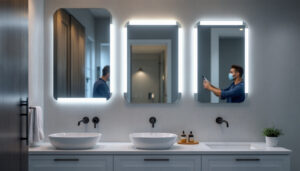
Understanding the Growing Demand for Motion Sensor Lighting
In the evolving landscape of lighting technology, motion sensor lights have emerged as a pivotal solution for energy efficiency, security, and convenience. For lighting contractors, recognizing the increasing demand for these systems is crucial to expanding business opportunities and enhancing client satisfaction.
Market trends indicate a significant shift toward smart and automated lighting solutions. This shift is driven by both residential and commercial clients seeking to reduce energy consumption and improve safety. According to industry reports, motion sensor lighting can reduce electricity usage by up to 30%, making it an attractive option for environmentally conscious consumers and businesses aiming to lower operational costs.
Moreover, advances in sensor technology have improved reliability and responsiveness, addressing earlier concerns about false triggers and limited detection ranges. This technological progress has broadened the applicability of motion sensor lights, from simple outdoor security installations to integrated smart home and commercial building systems.
In addition to energy savings, motion sensor lighting enhances safety and security in various environments. For instance, in residential areas, these lights can illuminate pathways and entry points automatically when movement is detected, deterring potential intruders and providing homeowners with peace of mind. Similarly, in commercial settings, such as parking lots or warehouses, motion sensors can ensure that critical areas are well-lit only when needed, reducing the risk of accidents and increasing overall safety for employees and customers alike.
Furthermore, the integration of motion sensor lights with smart home systems is gaining traction. Homeowners can now control their lighting remotely, set schedules, and receive alerts when motion is detected, all through their smartphones. This level of control not only enhances convenience but also allows for greater customization of lighting settings to suit individual lifestyles and preferences. As technology continues to evolve, the potential for motion sensor lighting to integrate with other smart devices, such as security cameras and alarms, will likely create even more robust security solutions, making them an indispensable part of modern living and working environments.
Key Benefits of Motion Sensor Lights for Clients
Energy Efficiency and Cost Savings
One of the most compelling selling points for motion sensor lighting is its potential to significantly reduce energy consumption. Lights that operate only when motion is detected eliminate unnecessary usage, which is particularly beneficial in areas with intermittent occupancy such as hallways, garages, and outdoor spaces.
For commercial clients, this translates into substantial savings on electricity bills. Lighting contractors can leverage these savings as a persuasive argument when proposing motion sensor solutions, especially in large facilities where lighting costs are a major expense. Moreover, many utility companies offer rebates or incentives for businesses that implement energy-efficient technologies, further enhancing the financial appeal of motion sensor lighting systems.
Enhanced Security and Safety
Motion sensor lights serve as a deterrent against unauthorized access and potential intruders. When lights activate upon detecting movement, they can startle trespassers and alert property owners or security personnel. This feature is especially valuable for outdoor lighting in residential neighborhoods, parking lots, and commercial premises.
Additionally, motion-activated lighting improves safety by illuminating pathways, staircases, and entry points only when needed, reducing the risk of accidents and falls in poorly lit areas. For clients prioritizing security, this dual function of lighting and surveillance enhancement is a significant advantage. The integration of motion sensors with security cameras can provide a comprehensive safety solution, allowing for real-time monitoring and recording of any suspicious activity, which can be invaluable for insurance claims and investigations.
Convenience and Automation
Beyond energy savings and security, motion sensor lights offer unmatched convenience. They eliminate the need for manual switching, providing hands-free operation that is particularly useful in spaces like garages, basements, and storage rooms. This automation aligns well with the increasing consumer preference for smart home technologies.
Lighting contractors can position motion sensor lighting as an integral component of broader smart home or building automation systems, thereby increasing the scope and value of their service offerings. Furthermore, many modern motion sensor lights can be programmed or controlled via smartphone apps, allowing users to customize settings, adjust sensitivity, and even receive notifications when motion is detected. This level of control not only enhances user experience but also caters to the growing demand for personalized and adaptable home environments, making it a compelling selling point for tech-savvy clients.
Technical Considerations for Successful Installation
Choosing the Right Sensor Type
Motion sensors come in various types, including passive infrared (PIR), ultrasonic, microwave, and dual-technology sensors. Each type operates differently and is suited to specific environments and applications.
PIR sensors detect heat emitted by moving objects and are widely used for indoor and outdoor lighting due to their reliability and cost-effectiveness. Ultrasonic sensors emit sound waves and detect motion through reflection, making them effective in spaces with obstacles but potentially prone to false triggers. Microwave sensors emit electromagnetic waves and can detect motion through walls, which is useful but can also lead to unintended activations. Dual-technology sensors combine two methods to reduce false alarms.
Lighting contractors must assess the environment and client needs carefully to select the most appropriate sensor type, balancing sensitivity, range, and potential interference. For instance, in a residential setting with pets, a PIR sensor may be less suitable due to its sensitivity to body heat, while an ultrasonic sensor might be more effective. Additionally, understanding the specific characteristics of each sensor type can help contractors advise clients on energy efficiency and long-term operational costs, ensuring that the chosen solution aligns with both budget and performance expectations.
Placement and Coverage Optimization
Proper sensor placement is critical to maximizing the effectiveness of motion sensor lighting. Sensors should be installed at optimal heights and angles to ensure comprehensive coverage of the intended area without blind spots.
For outdoor installations, factors such as landscaping, traffic patterns, and potential sources of false triggers (like animals or moving branches) must be considered. Indoor installations require attention to room layout and typical movement paths to avoid frequent false activations or missed detections. Moreover, the height at which sensors are mounted can significantly influence their performance; for instance, mounting a sensor too high may limit its ability to detect motion effectively, while too low could expose it to unnecessary triggers.
Contractors can use tools such as detection zone maps and simulation software to plan sensor placement accurately, thereby enhancing performance and client satisfaction. Additionally, conducting a physical walkthrough of the space prior to installation can help identify any unique challenges or opportunities for optimizing sensor coverage, ensuring that the final setup meets both functional and aesthetic requirements.
Integration with Existing Systems
Many clients seek to integrate motion sensor lighting with existing security or automation systems. Lighting contractors should be familiar with common communication protocols such as Zigbee, Z-Wave, and Wi-Fi to facilitate seamless integration.
Understanding compatibility issues and providing solutions that allow centralized control through mobile apps or building management systems can differentiate a contractor’s service offerings. This integration not only adds value but also opens opportunities for ongoing maintenance and upgrades. For example, integrating motion sensors with smart home systems can enable features like remote monitoring and customizable settings, allowing clients to adjust lighting based on their specific needs or preferences.
Furthermore, as technology evolves, staying updated on the latest advancements in smart lighting and automation can empower contractors to offer innovative solutions that enhance security and convenience. This proactive approach can lead to improved customer relationships and increased referrals, as satisfied clients are more likely to recommend services that exceed their expectations in functionality and ease of use.
Strategies for Marketing Motion Sensor Lighting Services
Educating Clients on Benefits and ROI
Effective marketing begins with educating potential clients about the tangible benefits of motion sensor lighting. Contractors should prepare clear, data-driven presentations that highlight energy savings, security enhancements, and convenience.
Providing case studies or testimonials from previous installations can build trust and demonstrate real-world value. Offering cost-benefit analyses tailored to the client’s specific property or usage patterns can further strengthen the sales pitch.
Leveraging Digital Platforms and Social Proof
In today’s digital age, establishing a strong online presence is essential. Contractors should maintain updated websites featuring detailed descriptions of motion sensor lighting solutions, installation processes, and maintenance services.
Utilizing social media channels to showcase projects, share educational content, and engage with the community can attract a broader audience. Encouraging satisfied clients to leave reviews and share referrals online amplifies credibility and reach.
Offering Customized Solutions and Flexible Financing
Clients often appreciate personalized solutions that cater to their unique needs and budgets. Lighting contractors can offer tiered packages ranging from basic installations to fully integrated smart lighting systems.
Additionally, providing flexible financing options or partnering with energy efficiency rebate programs can make motion sensor lighting more accessible, particularly for commercial clients with larger-scale projects.
Maintaining and Upgrading Motion Sensor Lighting Systems
Routine Maintenance for Optimal Performance
Ensuring the long-term success of motion sensor lighting installations requires regular maintenance. Sensors can accumulate dust or debris, which may impair detection capabilities. Periodic cleaning and functional testing help maintain reliability.
Lighting contractors should offer maintenance contracts that include scheduled inspections, sensor recalibration, and replacement of worn components. This proactive approach minimizes downtime and reinforces client relationships.
Adapting to Technological Advancements
As sensor and lighting technologies continue to advance, contractors must stay informed about emerging trends such as AI-powered motion detection, enhanced connectivity, and energy harvesting sensors.
Offering upgrade paths allows clients to benefit from improved performance and new features without complete system replacements. Contractors who position themselves as knowledgeable advisors on the latest innovations can secure repeat business and referrals.
Conclusion: Positioning for Success in the Motion Sensor Lighting Market
Motion sensor lighting represents a dynamic and growing segment within the lighting industry, offering significant benefits to clients and lucrative opportunities for contractors. By understanding market demands, mastering technical considerations, and implementing effective marketing and maintenance strategies, lighting contractors can maximize their success.
Investing in education, technology, and customer engagement enables contractors to deliver high-value solutions that meet evolving client expectations for energy efficiency, security, and automation. Ultimately, embracing motion sensor lighting not only enhances business growth but also contributes to sustainable and smart lighting environments.
Get Started with LumenWholesale for Your Motion Sensor Lighting Needs
Ready to elevate your lighting projects with the latest in motion sensor technology? Look no further than LumenWholesale for all your lighting needs. With our commitment to quality, affordability, and convenience, we provide contractors with spec-grade lighting products at unbeatable wholesale prices. Say goodbye to local distributor markups and hello to a vast selection of reliable, high-performance lighting options. Plus, with free shipping on bulk orders, you can trust that you’re getting the best value without any hidden fees. Don’t compromise on your lighting solutions—choose LumenWholesale for the perfect blend of quality and cost-effectiveness. Wholesale Lighting at the Best Value is just a click away.