Introduction to Barn Lights and Their Role in Modern Lighting
Barn lights, originally designed for agricultural use, have evolved into a popular lighting choice for both commercial and residential settings. Their distinctive industrial aesthetic, combined with practical functionality, makes them a versatile option for lighting contractors aiming to balance style and efficiency. Understanding the impact of barn lights on energy efficiency is essential for professionals who want to recommend or install lighting solutions that meet sustainability goals without compromising on performance.
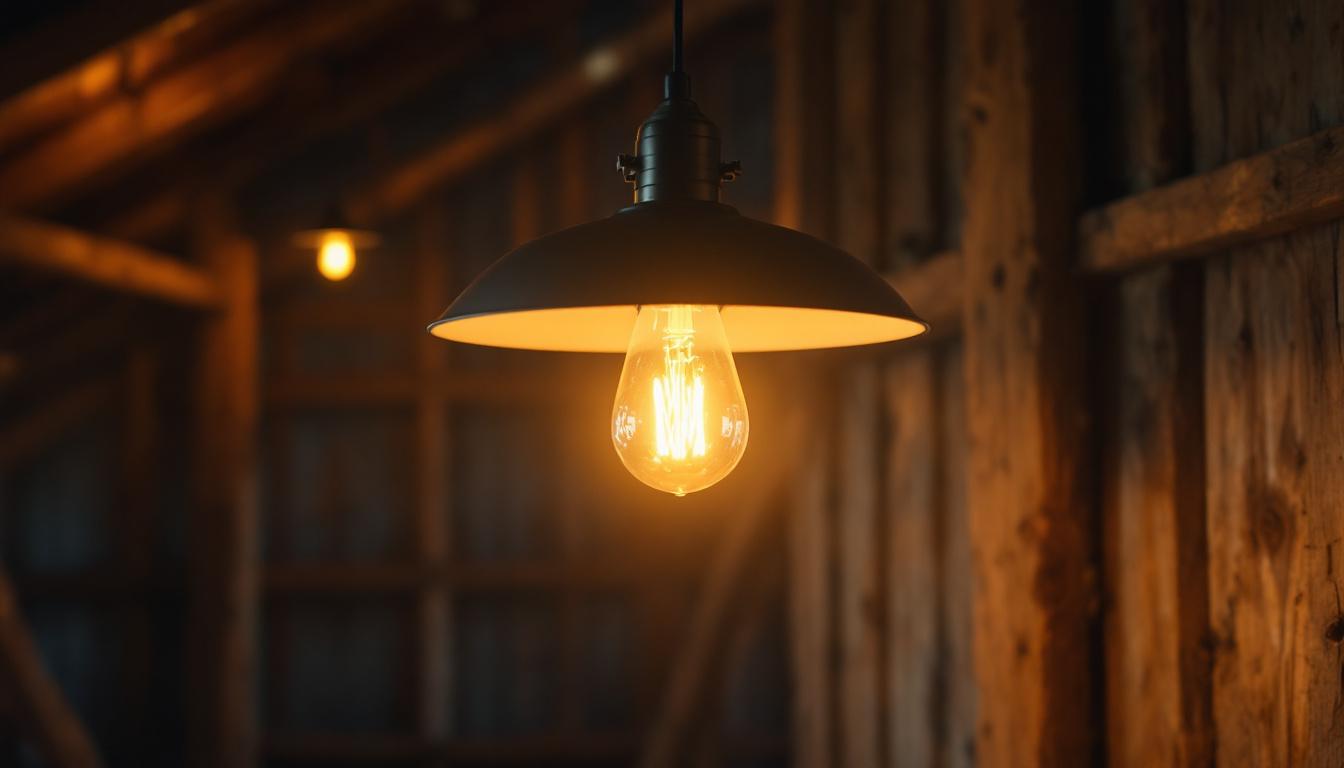
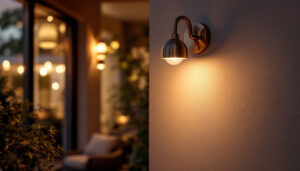
These fixtures typically feature a wide, downward-facing shade that directs light precisely where it is needed, reducing wasted illumination and glare. This inherent design advantage can contribute significantly to energy savings when paired with modern lighting technologies such as LED bulbs. For lighting contractors, leveraging the barn light’s design can lead to installations that are both visually appealing and cost-effective over the long term.
In addition to their energy-efficient properties, barn lights also offer a unique aesthetic that can enhance the character of various spaces. From rustic farmhouses to contemporary urban lofts, these fixtures can seamlessly integrate into a variety of design schemes. Their robust construction and availability in various finishes, such as matte black, galvanized steel, and vibrant colors, allow for customization that can complement both traditional and modern decor. This adaptability makes barn lights an excellent choice for homeowners and business owners looking to create a cohesive and inviting atmosphere.
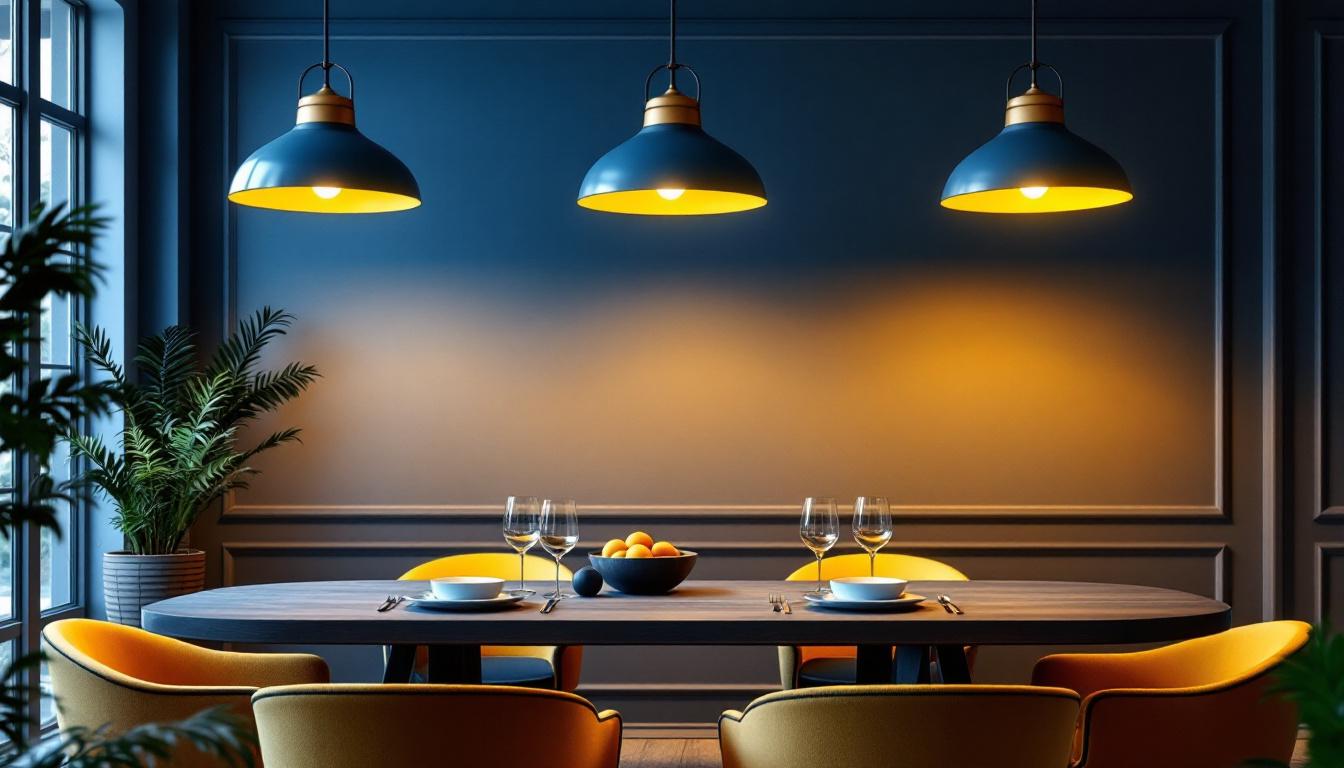
Moreover, the versatility of barn lights extends beyond their appearance; they can be used in numerous applications, including outdoor patios, gardens, and even as statement pieces in indoor dining areas. When strategically placed, barn lights can create a warm and welcoming ambiance, making them ideal for social gatherings or quiet evenings at home. Additionally, many barn lights are designed to withstand various weather conditions, making them suitable for outdoor use without the risk of damage. This durability, combined with their stylish design, ensures that barn lights remain a favored choice for both functional and decorative lighting solutions.
Design Characteristics of Barn Lights That Enhance Energy Efficiency
Focused Illumination Reduces Energy Waste
One of the key design elements of barn lights is their wide, reflective shade that focuses light downward. This targeted illumination minimizes light spillage and reduces the need for multiple fixtures in a given space. For contractors, this means fewer fixtures are necessary to achieve the desired brightness, which directly translates into lower energy consumption and installation costs.
By concentrating light where it is most needed—such as pathways, work areas, or building exteriors—barn lights help avoid the common problem of over-lighting. Over-lighting not only wastes electricity but can also cause discomfort or safety hazards due to excessive glare. The barn light’s design inherently mitigates these issues, making it an energy-efficient choice. Additionally, the aesthetic appeal of barn lights, with their rustic charm and industrial vibe, makes them a popular choice for both functional and decorative applications, enhancing the overall ambiance of the space while being mindful of energy use.
Compatibility with Energy-Efficient Bulbs
Modern barn lights are compatible with a variety of energy-efficient bulbs, including LED and compact fluorescent lamps (CFLs). LEDs, in particular, have revolutionized the lighting industry by offering high lumens per watt, long lifespans, and reduced heat output. When paired with barn light fixtures, LEDs maximize the fixture’s potential for energy savings.
Lighting contractors should consider specifying LED bulbs with barn lights to optimize energy efficiency. LEDs also offer benefits such as instant-on capabilities and dimmability, which further enhance control over energy use. The barn light’s open design facilitates heat dissipation, which helps maintain LED performance and longevity. Furthermore, the versatility of barn lights allows them to be installed in various settings, from agricultural environments to urban landscapes, making them a flexible solution for energy-conscious consumers. As sustainability continues to be a priority, the integration of smart lighting technologies with barn lights could further enhance their efficiency, allowing users to program lighting schedules and monitor energy usage in real-time, thus promoting an even greater reduction in energy consumption.
Energy Efficiency Benefits for Commercial and Industrial Applications
Lower Operational Costs Through Reduced Energy Consumption
For commercial and industrial clients, energy costs represent a significant portion of operating expenses. Barn lights, when equipped with energy-efficient bulbs, can substantially reduce these costs. Their directional lighting reduces the number of fixtures required, and the use of LEDs or other efficient bulbs decreases wattage without sacrificing brightness.
Case studies from various industries demonstrate that retrofitting traditional outdoor or warehouse lighting with barn lights and LED technology can reduce energy consumption by up to 50%. This reduction not only lowers utility bills but also decreases the carbon footprint of the facility, aligning with corporate sustainability initiatives.
Durability and Maintenance Advantages
Another factor contributing to the overall energy efficiency of barn lights is their durability and low maintenance requirements. Many barn light fixtures are constructed from robust materials such as aluminum or steel, designed to withstand harsh environmental conditions. This longevity reduces the frequency of replacements and associated manufacturing energy costs.
Additionally, the long lifespan of LED bulbs means fewer replacements and less waste. For lighting contractors, recommending barn lights with durable construction and efficient bulbs can provide clients with lighting solutions that are both economical and environmentally responsible over time.
Considerations for Lighting Contractors When Specifying Barn Lights
Assessing the Application and Environment
Before specifying barn lights, contractors should evaluate the specific lighting needs of the project. Factors such as mounting height, ambient light conditions, and the purpose of the lighting (security, task lighting, decorative) influence fixture selection and bulb type. Barn lights excel in outdoor and semi-industrial environments where directed illumination and ruggedness are priorities.
Understanding the client’s energy efficiency goals is also crucial. For instance, if a client prioritizes LEED certification or other green building standards, contractors can highlight the barn light’s compatibility with energy-efficient bulbs and its ability to reduce light pollution.
Integration with Smart Lighting Controls
To further enhance energy efficiency, barn lights can be integrated with smart lighting controls such as motion sensors, timers, and dimmers. These technologies ensure that lights are only on when needed and at appropriate brightness levels. For lighting contractors, offering these control options adds value to the installation and helps clients achieve maximum energy savings.
Smart controls also provide data on energy usage and maintenance needs, enabling proactive management of lighting systems. This integration aligns with the increasing demand for intelligent building solutions and sustainable infrastructure.
Case Examples Demonstrating the Impact of Barn Lights on Energy Efficiency
Warehouse Lighting Retrofit
A distribution center replaced traditional high-intensity discharge (HID) fixtures with barn light fixtures fitted with LED bulbs. The retrofit resulted in a 45% reduction in energy consumption and improved light quality, which enhanced worker safety and productivity. The directional nature of the barn lights reduced glare and eliminated dark spots, a common issue with the previous lighting system.
Outdoor Commercial Space Illumination
A retail complex utilized barn lights for exterior walkway and parking lot lighting. By switching to LED barn lights, the complex achieved significant energy savings while maintaining a welcoming and secure environment for customers. The contractor incorporated motion sensors to dim lights during low-traffic periods, further reducing energy use without compromising safety.
Historic Building Preservation with Energy Efficiency
In a historic barn conversion project, lighting contractors selected barn lights to maintain the building’s rustic aesthetic while upgrading to modern, energy-efficient lighting. The use of LED bulbs within traditional barn light fixtures preserved the character of the space and contributed to a 40% reduction in lighting-related energy costs.
Future Trends and Innovations in Barn Light Technology
Advancements in LED Technology
Continuous improvements in LED technology are making barn lights even more energy efficient. Higher luminous efficacy, improved color rendering, and enhanced thermal management allow for better performance in smaller, more compact fixtures. These advancements enable lighting contractors to offer barn lights that meet increasingly stringent energy codes and client expectations.
Integration with Renewable Energy Systems
As the adoption of solar and other renewable energy sources grows, barn lights are being designed to integrate seamlessly with off-grid and grid-tied systems. Solar-powered barn lights, for example, offer an energy-efficient solution for remote locations or areas where wiring is impractical. Lighting contractors can leverage these innovations to provide sustainable lighting solutions tailored to diverse client needs.
Smart and Connected Lighting Solutions
Emerging smart lighting platforms enable barn lights to be part of connected building ecosystems. These systems allow for remote monitoring, adaptive lighting schedules, and predictive maintenance, all of which contribute to enhanced energy management. Contractors who stay abreast of these trends can position themselves as leaders in sustainable lighting design and installation.
Conclusion: The Strategic Value of Barn Lights in Energy-Efficient Lighting
Barn lights represent a compelling option for lighting contractors focused on delivering energy-efficient, durable, and aesthetically pleasing lighting solutions. Their design inherently supports targeted illumination, reducing wasted light and energy consumption. When combined with LED technology and smart controls, barn lights can significantly lower operational costs and environmental impact across a wide range of applications.
For contractors, understanding the technical and practical advantages of barn lights enables informed recommendations that align with client goals for sustainability, safety, and cost-effectiveness. As lighting technology continues to evolve, barn lights remain a relevant and valuable choice in the pursuit of energy-efficient lighting solutions.
Illuminate Your Projects with LumenWholesale
Ready to elevate your lighting projects with energy-efficient barn lights that blend form and function? Look no further than LumenWholesale, where we provide contractors with top-tier, specification-grade lighting solutions at unbeatable wholesale prices. Our extensive selection of barn lights meets the highest industry standards, ensuring you deliver on both sustainability and style. With free shipping on bulk orders, LumenWholesale offers the perfect combination of quality, affordability, and convenience. Don’t let inflated markups dim your project’s potential. Choose LumenWholesale for Wholesale Lighting at the Best Value and light up your spaces with confidence and cost-efficiency.