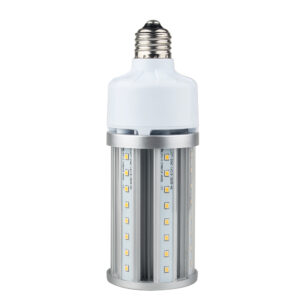
In the ever-evolving world of commercial lighting, LED technology has emerged as a game-changer. For lighting contractors, understanding the best practices surrounding LED commercial lighting fixtures is essential for delivering high-quality installations that meet client needs while maximizing efficiency. This article explores key considerations, installation techniques, and maintenance strategies that can help lighting contractors excel in their projects.
Understanding LED Technology
Before diving into best practices, it is crucial for lighting contractors to have a solid grasp of LED technology. LEDs, or Light Emitting Diodes, offer numerous advantages over traditional lighting solutions, including energy efficiency, longevity, and reduced heat output. These factors not only contribute to lower operational costs but also enhance the overall quality of light in commercial spaces. Furthermore, the compact size of LEDs allows for versatile design options, enabling innovative lighting solutions that can transform any environment.
Energy Efficiency and Sustainability
One of the primary benefits of LED fixtures is their energy efficiency. LEDs consume significantly less power than incandescent or fluorescent lights, which translates to lower electricity bills for clients. This energy efficiency also aligns with sustainability goals, making LED lighting an attractive option for businesses looking to reduce their carbon footprint. In addition, the reduced energy consumption of LEDs leads to a decrease in greenhouse gas emissions, further supporting environmental initiatives.
Moreover, many regions offer incentives for using energy-efficient lighting solutions. Contractors should stay informed about local regulations and rebate programs that can benefit both their clients and their bottom line. These incentives not only make the initial investment in LED technology more palatable but also encourage businesses to adopt a more sustainable approach to their operations, ultimately fostering a culture of environmental responsibility.
Longevity and Maintenance
LED fixtures have a much longer lifespan compared to traditional lighting options. While incandescent bulbs may last around 1,000 hours, LEDs can operate for 25,000 to 50,000 hours or more. This longevity means less frequent replacements, which can be a selling point for contractors when discussing the benefits of LED lighting with clients. Additionally, the durability of LEDs makes them less susceptible to breakage, which is particularly advantageous in high-traffic areas or outdoor settings.
However, it is essential to educate clients about the importance of proper maintenance. Regular cleaning of fixtures and ensuring that the surrounding environment is conducive to optimal performance can help maximize the lifespan of LED lights. Furthermore, understanding the thermal management of LED systems is critical; excessive heat can diminish their lifespan and efficiency. By advising clients on the best practices for installation and maintenance, contractors can help ensure that their LED systems operate at peak performance for years to come.
Choosing the Right LED Fixtures
With a wide variety of LED commercial lighting fixtures available, selecting the right products for a project can be overwhelming. Lighting contractors must consider several factors to ensure they choose the most suitable fixtures for their clients’ needs.
Assessing the Space
Every commercial space is unique, and understanding the specific requirements of each environment is crucial. Contractors should conduct a thorough assessment of the space, taking into account factors such as ceiling height, room dimensions, and the intended use of the area. For instance, a retail space may require different lighting compared to an office or warehouse.
Additionally, contractors should consider the desired ambiance and functionality. For example, task lighting may be necessary in areas where detailed work is performed, while ambient lighting can create a welcoming atmosphere in customer-facing spaces.
Color Temperature and CRI
Color temperature and Color Rendering Index (CRI) are essential factors to consider when selecting LED fixtures. Color temperature, measured in Kelvin (K), affects the mood and functionality of a space. Warmer temperatures (2700K-3000K) are often preferred for hospitality environments, while cooler temperatures (4000K-5000K) may be more suitable for offices and industrial settings.
CRI measures how accurately a light source displays colors compared to natural light. A higher CRI (above 80) is preferable for spaces where color accuracy is critical, such as art galleries or retail stores. Contractors should educate clients on these aspects to help them make informed decisions.
Installation Best Practices
Proper installation of LED fixtures is crucial for ensuring optimal performance and longevity. Lighting contractors should adhere to best practices during the installation process to avoid common pitfalls and ensure client satisfaction.
Follow Manufacturer Guidelines
Each LED fixture comes with specific manufacturer guidelines that outline installation procedures, electrical requirements, and safety precautions. Contractors should always follow these guidelines to avoid voiding warranties and to ensure the fixtures operate as intended.
In addition to following guidelines, it is important to use the appropriate tools and equipment during installation. This not only ensures safety but also contributes to a professional finish that clients will appreciate.
Electrical Considerations
Electrical considerations are paramount when installing LED fixtures. Contractors should ensure that the electrical system can handle the load of the new lighting. This may involve upgrading circuits or using compatible drivers to prevent flickering or premature failure of the LED lights.
Furthermore, proper wiring and connections are essential to ensure safety and functionality. Contractors should double-check all connections and consider using connectors that are rated for the specific application to prevent issues down the line.
Lighting Controls and Automation
Incorporating lighting controls and automation into LED installations can enhance energy efficiency and user experience. Lighting contractors should explore various control options that can be integrated with LED fixtures to meet the specific needs of their clients.
Dimming and Zoning
Dimming capabilities allow clients to adjust the brightness of their LED fixtures based on the time of day or specific activities. This flexibility can lead to significant energy savings and improved comfort. Contractors should consider installing dimmers that are compatible with LED technology, as not all dimmers work effectively with LED lights.
Zoning, or dividing a space into different lighting areas, can also enhance functionality. For example, in a large office space, different zones can be controlled independently to accommodate various tasks and preferences. This can be achieved through smart lighting systems that allow for easy adjustments and scheduling.
Smart Lighting Solutions
Smart lighting solutions are becoming increasingly popular in commercial settings. These systems can be controlled remotely through smartphones or integrated with building management systems for seamless operation. Contractors should familiarize themselves with available smart lighting technologies and how they can be integrated with LED fixtures.
Educating clients about the benefits of smart lighting, such as energy savings and enhanced control, can help contractors position themselves as knowledgeable professionals in the field.
Maintenance and Troubleshooting
Once the installation is complete, ongoing maintenance and troubleshooting are essential for ensuring the longevity and performance of LED fixtures. Lighting contractors should establish a maintenance plan that includes regular inspections and cleaning.
Regular Inspections
Regular inspections can help identify potential issues before they become significant problems. Contractors should recommend a schedule for clients to check fixtures for any signs of wear or malfunction. This proactive approach can save clients money in the long run by preventing costly repairs or replacements.
During inspections, contractors should also assess the surrounding environment. Factors such as dust accumulation, humidity, and temperature can affect the performance of LED fixtures. Addressing these issues can help maintain optimal lighting conditions.
Troubleshooting Common Issues
Despite their reliability, LED fixtures can experience issues from time to time. Contractors should be prepared to troubleshoot common problems such as flickering lights, dimming, or complete failure. Understanding the underlying causes, such as incompatible dimmers, faulty wiring, or driver issues, can help contractors provide effective solutions.
Having a troubleshooting guide or checklist can be a valuable resource for contractors, enabling them to quickly diagnose and resolve issues for their clients.
Client Education and Communication
Effective communication and education are vital components of a successful lighting project. Lighting contractors should take the time to explain the benefits of LED technology, the installation process, and ongoing maintenance requirements to their clients.
Providing Clear Information
Contractors should provide clients with clear and concise information about the LED fixtures being installed. This includes details about energy savings, expected lifespan, and any warranties or guarantees. Providing this information upfront can help manage client expectations and build trust.
Additionally, offering written documentation or brochures can serve as a helpful reference for clients after the installation is complete. This can reinforce the benefits of their investment and encourage them to reach out with any questions or concerns.
Encouraging Feedback
Encouraging feedback from clients can provide valuable insights into their experiences and satisfaction levels. Contractors should be open to receiving feedback and willing to address any concerns that arise post-installation. This not only demonstrates professionalism but also fosters long-term relationships with clients.
By actively seeking feedback, contractors can identify areas for improvement and enhance their services in the future.
Conclusion
LED commercial lighting fixtures represent a significant advancement in lighting technology, offering numerous benefits for both contractors and clients. By understanding the intricacies of LED technology, choosing the right fixtures, adhering to installation best practices, and maintaining open communication with clients, lighting contractors can position themselves as trusted experts in the field.
Implementing these best practices will not only enhance the quality of installations but also contribute to client satisfaction and long-term success in the competitive lighting industry. As the demand for energy-efficient and sustainable lighting solutions continues to grow, lighting contractors who embrace these best practices will be well-equipped to meet the evolving needs of their clients.
Get Your Premium Lighting Supplies at LumenWholesale
Ready to elevate your lighting projects with the best LED commercial lighting fixtures on the market? Look no further than LumenWholesale. Our commitment to quality and affordability ensures that you have access to spec-grade lighting products at wholesale prices that simply can’t be beaten. Say goodbye to the middleman and hello to a vast selection of reliable, high-performance lighting that meets the highest industry standards. Plus, with free shipping on bulk orders, you can stock up on premium lighting without worrying about hidden fees or compromises. Don’t miss out on the perfect blend of quality, affordability, and convenience. Visit LumenWholesale today and discover the best value in wholesale lighting for your next project.