Understanding the Unique Lighting Needs of Horse Arenas
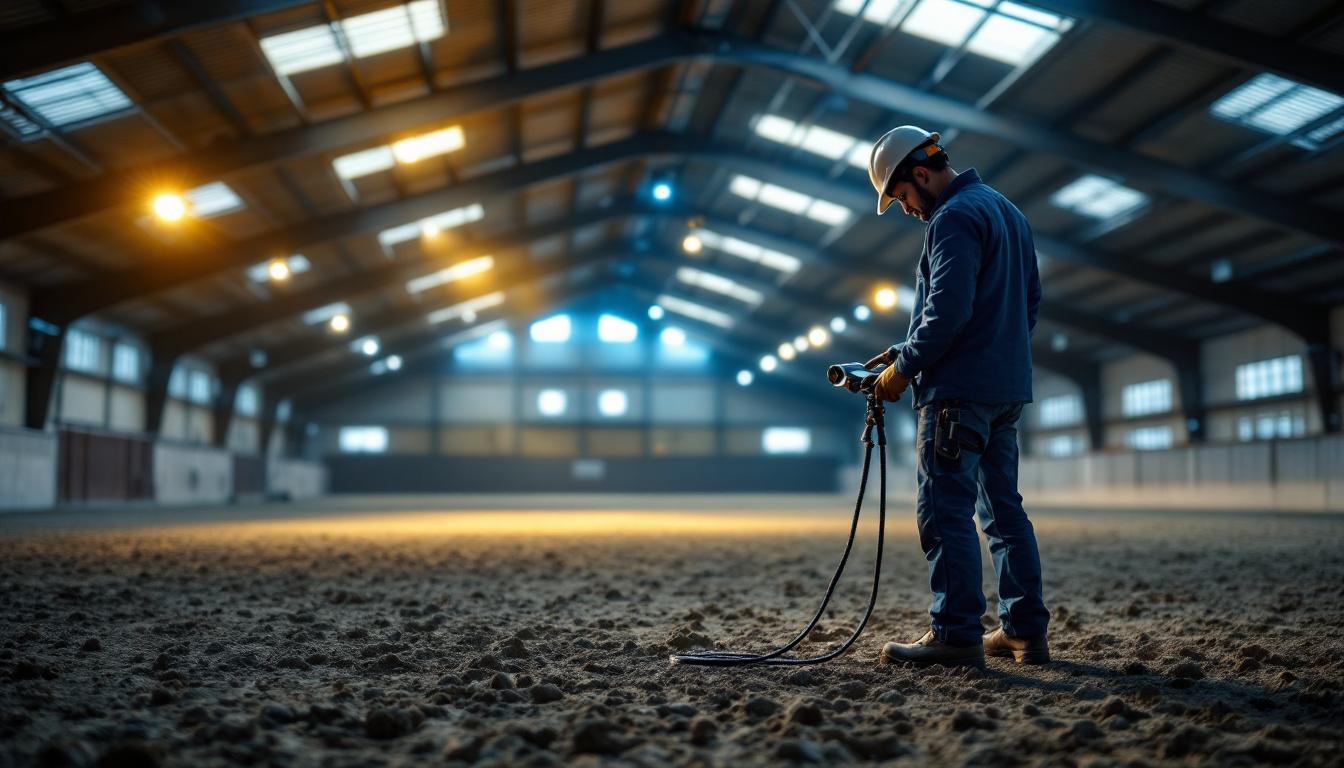
Lighting a horse arena is a specialized task that requires more than just installing bright fixtures. Unlike typical commercial or residential lighting projects, arena lighting must consider the safety, comfort, and performance of both horses and riders. Horses are sensitive to shadows, glare, and sudden changes in lighting, which can affect their behavior and potentially lead to accidents. For lighting contractors, understanding these nuances is critical to delivering a successful installation.
One of the primary goals is to provide uniform illumination across the entire arena surface. Uneven lighting can create dark spots or harsh contrasts that confuse horses and impair riders’ visibility. Additionally, the lighting should mimic natural daylight as closely as possible to reduce eye strain and maintain a natural environment for the animals. This means selecting fixtures with appropriate color temperature and color rendering index (CRI).
Another factor to consider is the arena’s size and layout. Indoor arenas, outdoor arenas, and covered arenas each present unique challenges. For example, outdoor arenas must account for ambient light from the sun and potential light pollution affecting neighboring properties, while indoor arenas require careful planning to avoid reflections and glare from walls and ceilings.
Furthermore, the type of activities taking place in the arena can influence lighting choices. For instance, dressage and jumping require different lighting setups to highlight specific areas and movements. In dressage, for example, riders need to see their horse’s movements clearly to maintain precision in their performance, while jumping requires bright, focused lighting on the jumps themselves to ensure visibility and safety. Therefore, adjustable lighting systems that can be tailored to various disciplines can enhance both training and competition experiences.
Additionally, energy efficiency is becoming an increasingly important consideration in arena lighting design. LED technology has revolutionized the way arenas are lit, offering longer lifespans and lower energy consumption compared to traditional lighting options. These fixtures not only reduce operational costs but also minimize the environmental impact of horse facilities. Moreover, smart lighting systems that can be controlled remotely allow for adjustments based on the time of day or specific activities, further enhancing the versatility and efficiency of the arena lighting setup.
Do: Prioritize Safety and Comfort in Design
Use Uniform and Glare-Free Lighting
Safety is paramount when lighting horse arenas. Horses can be startled by sudden shadows or intense glare, which may cause them to spook. To prevent this, lighting contractors should select fixtures that provide even, diffuse light. LED fixtures with frosted lenses or shields can help reduce glare while maintaining brightness.
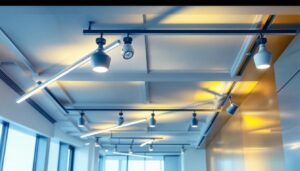
Position lights strategically to minimize shadows cast by structural elements or equipment. A common approach is to mount lights high on poles or rafters at an angle that spreads light evenly across the arena floor. This setup reduces harsh contrasts and ensures riders can see obstacles and footing clearly. Additionally, incorporating dimmable lighting options allows for adjustments based on the time of day or specific activities, enhancing both safety and comfort for both horse and rider.
Furthermore, the layout of the arena can also influence how light is distributed. For instance, using a combination of overhead and side-mounted lights can create a more comprehensive lighting scheme that addresses all areas of the arena. This dual approach can help illuminate corners and edges that might otherwise remain in shadow, providing a safer environment for training and competition.
Choose Appropriate Color Temperature and CRI
Color temperature plays a crucial role in how natural the lighting feels. A color temperature between 4000K and 5000K is often recommended for horse arenas, as it closely resembles daylight and enhances visibility. Additionally, a CRI of 80 or higher ensures colors appear natural, which is important for riders judging the arena surface and any markings.
Contractors should avoid overly cool or warm lighting, which can distort colors and create an unnatural environment. Proper color rendering contributes not only to aesthetics but also to the psychological comfort of horses and riders. In fact, studies have shown that horses are more relaxed and perform better in environments where the lighting mimics natural conditions. This can lead to improved training outcomes and a more enjoyable experience for both horse and rider.
Moreover, integrating smart lighting systems can further enhance the experience within the arena. These systems can automatically adjust the color temperature and intensity based on the time of day or specific activities taking place, ensuring optimal conditions at all times. By embracing technology in lighting design, arenas can create a dynamic environment that adapts to the needs of the horses and riders, fostering a sense of well-being and focus during training sessions and competitions.
Don’t: Overlook Environmental and Regulatory Considerations
Neglecting Light Pollution and Neighboring Properties
Horse arenas are often located in rural or suburban areas where light pollution can impact nearby residences and wildlife. Lighting contractors must be mindful of local regulations and best practices to minimize light spill beyond the arena boundaries.
Using full cutoff fixtures that direct light downward and incorporating shields or louvers can help contain light within the arena. Additionally, implementing timers and dimmers allows for controlling light levels during non-peak hours, reducing unnecessary energy consumption and environmental impact.
Ignoring Electrical Safety and Durability Requirements
Arena lighting installations must withstand exposure to dust, moisture, and vibrations common in equestrian environments. Using fixtures with appropriate ingress protection (IP) ratings, such as IP65 or higher, ensures durability and safety.
Electrical wiring and components should comply with local codes and standards, with special attention to grounding and protection against moisture intrusion. Failure to adhere to these requirements can lead to equipment failure or pose hazards to users.
Do: Collaborate Closely with Arena Owners and Designers
Assess Specific Usage and Scheduling Needs
Each horse arena serves different purposes, from training and competitions to recreational riding. Lighting contractors should engage with arena owners to understand peak usage times and specific lighting preferences. For example, some arenas may require brighter lighting during competitions and softer lighting for casual use.
Incorporating adjustable lighting controls such as dimmers or zoned lighting systems provides flexibility to tailor illumination to various activities. This not only enhances user experience but also contributes to energy savings.
Plan for Future Expansion and Maintenance
Contractors should design lighting systems with scalability in mind. As arenas evolve, additional fixtures or control upgrades may be necessary. Installing conduit and wiring infrastructure that supports future expansion can save time and costs down the line.
Maintenance access is another important consideration. Fixtures should be positioned for easy replacement or cleaning without disrupting arena activities. Providing detailed documentation and training for arena staff on basic maintenance ensures long-term performance.
Don’t: Underestimate the Importance of Quality Equipment
Using Low-Quality or Inappropriate Fixtures
While budget constraints are common, compromising on fixture quality can lead to frequent failures, poor lighting performance, and increased maintenance costs. Lighting contractors should select products specifically designed for outdoor or equestrian environments, prioritizing durability and performance.
Investing in reputable brands with warranties and proven track records helps ensure reliability. Additionally, LED technology offers significant advantages in energy efficiency and lifespan compared to traditional metal halide or halogen lamps, making it the preferred choice for modern arena lighting.
Neglecting Proper Installation Techniques
Even the best fixtures can underperform if not installed correctly. Contractors must follow manufacturer guidelines for mounting height, spacing, and aiming angles. Incorrect installation can cause uneven lighting, glare, or premature fixture failure.
Ensuring secure mounting and proper electrical connections is essential to prevent hazards and maintain system integrity. Utilizing professional tools and testing equipment during installation verifies that the lighting meets design specifications.
Do: Embrace Energy Efficiency and Sustainability
Implement LED Lighting and Smart Controls
Energy efficiency is a growing priority in all lighting projects, including horse arenas. LED fixtures consume significantly less power than traditional lighting while providing superior brightness and color quality. This translates into lower operating costs and reduced environmental impact.
Smart controls such as motion sensors, timers, and dimmers optimize energy use by adjusting lighting based on occupancy and time of day. For example, dimming lights during warm-up periods or turning off sections of the arena when not in use can yield substantial savings.
Consider Renewable Energy Integration
For outdoor arenas, integrating solar-powered lighting systems or supplementing grid power with renewable sources can enhance sustainability. While initial investment may be higher, long-term benefits include energy independence and reduced carbon footprint.
Contractors should stay informed about emerging technologies and incentives that support green lighting solutions, positioning themselves as forward-thinking professionals in the industry.
Don’t: Forget to Document and Communicate Clearly
Failing to Provide Detailed Project Documentation
Comprehensive documentation is vital for ensuring the arena owner understands the lighting system’s design, operation, and maintenance requirements. Contractors should deliver detailed plans, fixture specifications, wiring diagrams, and control system instructions.
This transparency fosters trust and facilitates troubleshooting or upgrades in the future. It also helps owners maximize the benefits of their investment by properly operating and maintaining the lighting system.
Overlooking Client Education and Support
Lighting contractors should not assume that arena owners or staff are familiar with advanced lighting controls or maintenance procedures. Providing training sessions or user-friendly guides empowers clients to manage their lighting effectively.
Offering ongoing support and being responsive to questions or issues strengthens client relationships and enhances reputation in the equestrian lighting market.
Conclusion
Lighting horse arenas demands a thoughtful approach that balances safety, performance, aesthetics, and sustainability. For lighting contractors, adhering to best practices and avoiding common pitfalls ensures successful projects that satisfy both horses and riders. Prioritizing uniform, glare-free illumination, respecting environmental considerations, collaborating with clients, and investing in quality equipment are essential steps.
By embracing energy-efficient technologies and maintaining clear communication throughout the project lifecycle, contractors can deliver lighting solutions that stand the test of time and contribute positively to the equestrian community. Ultimately, well-designed arena lighting enhances the experience, safety, and enjoyment of everyone involved in the sport.
Illuminate Your Horse Arena with LumenWholesale
Ready to elevate your equestrian lighting project with the best in the business? Look no further than LumenWholesale, where we provide contractors with exceptional, spec-grade lighting solutions at unbeatable wholesale prices. Our extensive selection is designed to meet the highest industry standards, ensuring that your horse arena is outfitted with reliable, high-performance lighting. Plus, with free shipping on bulk orders, you can secure premium lighting at the best value — all without hidden fees or compromises. Don’t settle for less; choose LumenWholesale for quality, affordability, and convenience. Wholesale Lighting at the Best Value is just a click away.