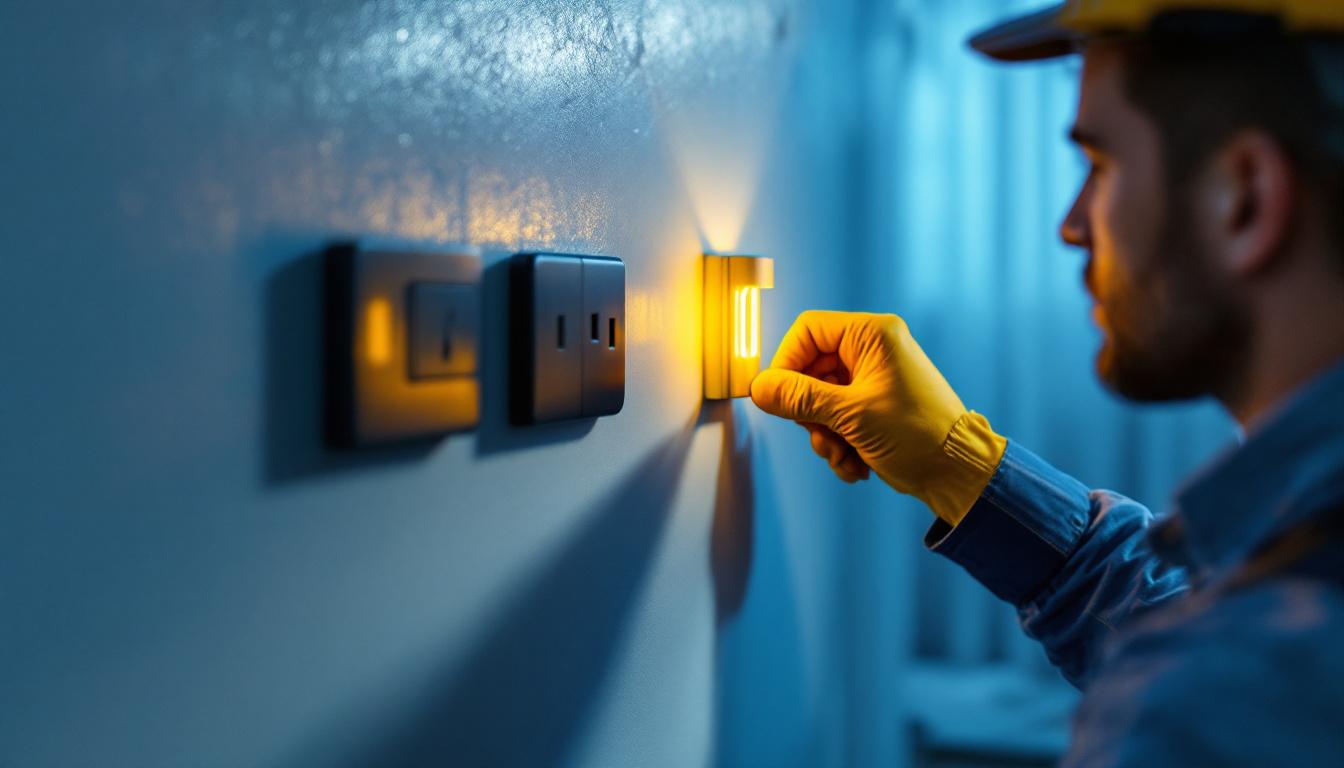
In the world of electrical installations, switches and sockets play a pivotal role in ensuring functionality and safety. For lighting contractors, understanding the nuances of these components can significantly impact the quality of their work and the satisfaction of their clients. This article delves into expert insights regarding switches and sockets, offering valuable knowledge for lighting professionals.
The Importance of Quality Switches and Sockets
Quality switches and sockets are not just about aesthetics; they are essential for safety and efficiency. Poorly made components can lead to electrical failures, which can be hazardous in any setting. Lighting contractors must prioritize high-quality materials to ensure longevity and reliability in their installations. The choice of switches and sockets can significantly influence the overall performance of an electrical system, making it crucial for professionals to stay informed about the latest advancements in technology and materials.
Safety Considerations
Electrical safety is paramount in any installation. High-quality switches and sockets are designed to handle the electrical load they are rated for, minimizing the risk of overheating and potential fires. Contractors should always check for certifications and standards compliance when selecting products. This diligence not only protects the end-user but also enhances the contractor’s reputation. Additionally, many modern switches and sockets come equipped with safety features such as child-proof designs and surge protection, further mitigating risks in homes and commercial spaces. By investing in these advanced options, contractors can provide an extra layer of security for their clients, ensuring that installations are not only functional but also safe for everyday use.
Long-Term Cost Efficiency
Investing in quality switches and sockets may seem like a higher upfront cost, but it often results in long-term savings. Durable components reduce the likelihood of replacements and repairs, ultimately saving clients money. Furthermore, reliable products often come with warranties, providing additional peace of mind for both contractors and their clients. Beyond the financial aspect, using high-quality materials can lead to fewer disruptions in service, which is particularly important in commercial environments where downtime can result in significant losses. Additionally, energy-efficient switches and sockets can contribute to lower electricity bills, making them an attractive option for environmentally conscious clients looking to reduce their carbon footprint. By choosing energy-efficient options, contractors not only enhance the value of their work but also promote sustainable practices within the industry.
Types of Switches and Their Applications
Understanding the various types of switches available can help lighting contractors make informed decisions tailored to specific projects. Each type of switch serves a unique purpose and can enhance the functionality of a lighting system.
Toggle Switches
Toggle switches are perhaps the most recognizable type of switch. They are simple to operate and provide a clear indication of whether a light is on or off. These switches are ideal for residential applications where user-friendliness is a priority. Their straightforward design makes them a popular choice among homeowners. Additionally, toggle switches come in various styles and finishes, allowing them to blend seamlessly with different interior designs. From sleek modern aesthetics to classic vintage looks, there is a toggle switch to suit every taste, making them not only functional but also a design element in any room.
Dimmers
Dimmers allow for adjustable lighting levels, providing flexibility in how spaces are illuminated. They are particularly beneficial in settings where ambiance is crucial, such as dining areas or theaters. Lighting contractors should consider incorporating dimmers into their designs to enhance the user experience and energy efficiency. Furthermore, modern dimmers can also be compatible with LED lights, which not only saves energy but also prolongs the lifespan of the bulbs. This adaptability makes dimmers an excellent investment for both residential and commercial spaces, as they can transform a room’s mood with just a simple adjustment.
Smart Switches
With the rise of smart home technology, smart switches have gained popularity. These devices can be controlled remotely via smartphones or voice-activated systems, offering convenience and energy management. Contractors should stay updated on the latest advancements in smart technology to provide clients with modern solutions that meet their needs. Smart switches often come with features such as scheduling, allowing users to set specific times for lights to turn on or off, which can enhance security by giving the appearance of occupancy. Additionally, many smart switches can integrate with other smart home devices, creating a cohesive ecosystem that enhances the overall functionality and efficiency of a home.
Understanding Socket Types and Their Uses
Just as switches come in various forms, sockets also vary in type and application. Familiarity with these options is essential for ensuring compatibility and functionality in lighting installations.
Standard Sockets
Standard sockets are the most common type found in residential and commercial settings. They accommodate a variety of bulb types and wattages, making them versatile for different lighting needs. Contractors should ensure that the sockets they choose are compatible with the bulbs specified for each project. Additionally, the design of standard sockets often includes features such as built-in safety mechanisms to prevent overheating and electrical hazards, which is crucial for maintaining safety standards in any installation.
Specialty Sockets
Specialty sockets are designed for specific applications, such as recessed lighting or track lighting systems. These sockets often have unique configurations to accommodate specialized bulbs. Lighting contractors should assess the project requirements carefully to determine if specialty sockets are necessary for optimal performance. For instance, some specialty sockets may support dimmable bulbs, allowing for greater control over the ambiance of a space. Understanding the nuances of these sockets can significantly enhance the overall design and functionality of lighting schemes, making them not just practical but also aesthetically pleasing.
USB Sockets
As technology evolves, the demand for USB sockets has increased. These sockets allow users to charge devices directly, eliminating the need for adapters. Incorporating USB sockets into installations can enhance convenience and appeal to tech-savvy clients. Moreover, they are particularly useful in high-traffic areas such as offices, cafes, and homes where multiple devices are in use. By providing easy access to charging ports, these sockets can improve user experience and increase the overall satisfaction of clients, making them a smart addition to modern electrical designs.
Smart Sockets
In the age of smart homes, smart sockets are gaining popularity for their ability to integrate with home automation systems. These sockets allow users to control their lighting remotely through smartphones or voice-activated devices, adding a layer of convenience and energy efficiency. They can be programmed to turn on and off at specific times, which not only enhances security but also helps in reducing energy consumption. As the demand for smart technology continues to rise, incorporating smart sockets into lighting installations can set contractors apart in a competitive market, appealing to clients looking for innovative solutions.
Installation Best Practices
Proper installation of switches and sockets is crucial for ensuring functionality and safety. Adhering to best practices can help lighting contractors deliver high-quality work that meets industry standards.
Adhering to Electrical Codes
Every region has specific electrical codes that govern the installation of switches and sockets. Contractors must familiarize themselves with these regulations to ensure compliance. Failure to adhere to these codes can result in safety hazards and legal issues, making it imperative to stay informed.
Proper Wiring Techniques
Wiring is a fundamental aspect of switch and socket installation. Using the correct gauge wire and ensuring secure connections are essential for preventing electrical failures. Lighting contractors should also be mindful of wire placement to avoid interference with other systems and to facilitate future maintenance.
Testing and Quality Assurance
Once installations are complete, thorough testing is essential. Contractors should verify that all switches and sockets function correctly and safely. This step not only ensures client satisfaction but also protects the contractor’s reputation. Implementing a quality assurance process can help identify potential issues before they become significant problems.
Trends in Switches and Sockets
The electrical industry is continually evolving, with new trends emerging that can influence the selection and installation of switches and sockets. Staying ahead of these trends can give lighting contractors a competitive edge.
Energy Efficiency
With a growing emphasis on sustainability, energy-efficient switches and sockets are becoming increasingly popular. Products that minimize energy consumption, such as dimmers and smart switches, are in high demand. Contractors should consider promoting these options to environmentally conscious clients.
Design Aesthetics
As interior design trends shift, so do the aesthetics of switches and sockets. Modern designs often feature sleek finishes and customizable options to blend seamlessly with various decor styles. Lighting contractors should stay informed about design trends to offer clients stylish solutions that enhance their spaces.
Integration with Home Automation
The integration of switches and sockets with home automation systems is a growing trend. Clients are increasingly seeking solutions that allow them to control their lighting through centralized systems. Contractors who can provide expertise in this area will likely attract a broader clientele.
Common Mistakes to Avoid
Even experienced lighting contractors can make mistakes when it comes to switches and sockets. Awareness of common pitfalls can help professionals avoid costly errors and ensure successful installations.
Underestimating Load Requirements
One of the most significant mistakes is failing to accurately assess the load requirements for switches and sockets. Overloading can lead to overheating and potential hazards. Contractors should always calculate the total wattage of connected devices to ensure that the selected components can handle the load.
Neglecting User Experience
While technical specifications are crucial, neglecting the user experience can lead to dissatisfaction. Contractors should consider the ease of use and accessibility of switches and sockets. Thoughtful placement and intuitive designs can enhance the overall functionality of lighting systems.
Ignoring Future Needs
Clients’ needs may evolve over time, and it is essential to consider future requirements during installations. Leaving room for expansion or upgrades can save both contractors and clients time and money in the long run. Planning for future needs can set a contractor apart from the competition.
Conclusion
Switches and sockets are foundational elements in lighting installations, and their importance cannot be overstated. By understanding the various types, adhering to best practices, and staying informed about trends, lighting contractors can enhance their expertise and deliver exceptional results. Prioritizing quality, safety, and user experience will not only satisfy clients but also contribute to the contractor’s reputation in the industry.
As the landscape of electrical installations continues to evolve, lighting contractors who embrace innovation and uphold high standards will thrive. The insights shared in this article serve as a guide for professionals looking to refine their skills and elevate their work in the realm of switches and sockets.
Get Your Premium Lighting Supplies at LumenWholesale
Ready to elevate your lighting installations with the highest quality switches, sockets, and more? Look no further than LumenWholesale. Our extensive selection of spec-grade lighting products is designed to meet the rigorous demands of any project, ensuring you deliver excellence to your clients every time. With unbeatable wholesale prices and the convenience of free shipping on bulk orders, you can trust us to provide the best value without any hidden fees. Don’t compromise on quality or cost—choose LumenWholesale for reliable, high-performance lighting solutions. Wholesale Lighting at the Best Value is just a click away.