Understanding the Gooseneck Wall Light: A Contractor’s Essential Guide
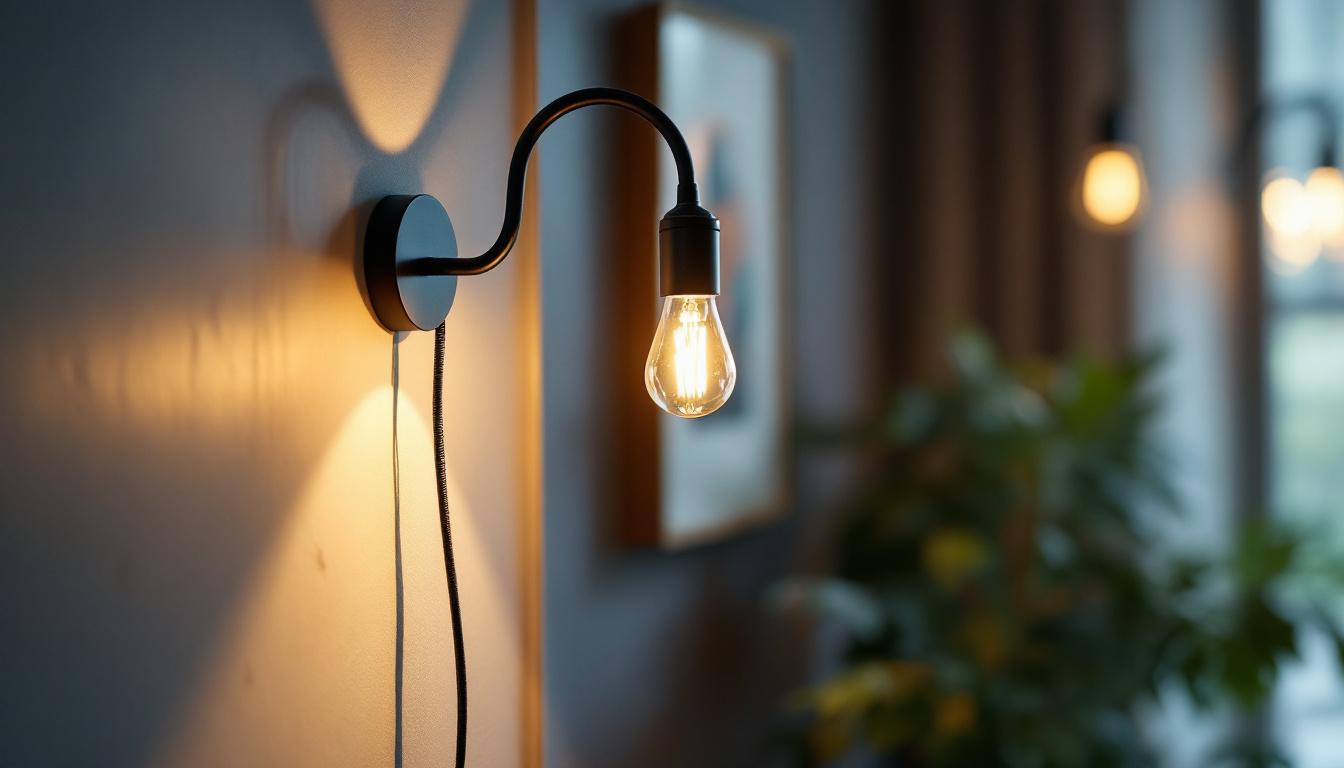
Gooseneck wall lights have become a staple in both commercial and residential lighting design, prized for their distinctive curved arm and downward-facing lamp. For lighting contractors, mastering the installation and application of these fixtures is crucial to delivering both aesthetic appeal and functional illumination.
These fixtures are often chosen for their vintage industrial charm, versatility, and ability to highlight architectural features or signage. Whether illuminating storefronts, walkways, or accent walls, gooseneck lights offer a unique blend of style and practicality that can enhance any project. Their design not only serves a practical purpose but also adds a touch of character to the environment, making them a popular choice among designers and homeowners alike.
Before diving into installation techniques, it’s important for contractors to understand the variety of gooseneck wall lights available, their typical materials, and the electrical considerations involved. This foundational knowledge ensures that contractors can recommend the right fixture for each client’s needs and execute installations that meet safety and performance standards. Additionally, understanding the different types of bulbs compatible with these fixtures, such as LED, incandescent, or fluorescent, can significantly impact energy efficiency and maintenance costs, making it a key consideration for any contractor.
Moreover, the placement of gooseneck lights plays a pivotal role in achieving the desired effect. Strategic positioning can create dramatic shadows and highlights, enhancing the visual interest of a space. Contractors should also consider the height at which these fixtures are mounted, as this can influence both the quality of light and the overall ambiance. For instance, lower placements can create a cozy, intimate atmosphere, while higher installations may provide broader illumination for larger areas. Understanding these nuances allows contractors to tailor their approach to each unique project, ensuring that the lighting not only meets functional requirements but also elevates the overall design aesthetic.
In addition to aesthetic considerations, contractors must also be aware of local codes and regulations that may impact the installation of gooseneck wall lights. Different municipalities may have specific requirements regarding electrical installations, fixture heights, and even light pollution standards. Familiarizing oneself with these regulations is essential to avoid potential fines and ensure that installations are compliant. Furthermore, staying updated on emerging trends in lighting technology, such as smart lighting systems that can be integrated with gooseneck fixtures, can provide contractors with a competitive edge in the marketplace, allowing them to offer innovative solutions that appeal to tech-savvy clients.
Types and Styles of Gooseneck Wall Lights
Classic vs. Modern Designs
Gooseneck wall lights come in a range of styles, from classic vintage designs featuring metal shades and exposed bulbs to sleek, modern interpretations with minimalist lines and integrated LED technology. Understanding these styles helps contractors advise clients on fixtures that complement their architectural and interior design themes.
Classic gooseneck lights often use durable materials like cast aluminum or steel, finished in matte black, bronze, or weathered copper. These finishes are not only aesthetically pleasing but also weather-resistant, making them ideal for outdoor use. Modern designs may incorporate powder-coated finishes and energy-efficient LED modules that reduce maintenance and energy costs. The versatility of these lights allows them to be used in various settings, from rustic farmhouses to contemporary urban lofts, providing a cohesive look that enhances the overall ambiance of the space.
Material and Finish Considerations
Material choice impacts both the fixture’s durability and its installation requirements. For example, heavier metal fixtures require robust mounting hardware and secure anchoring to prevent sagging or detachment over time. Lighting contractors should assess wall substrates carefully—brick, wood, stucco, or metal—and select appropriate anchors and fasteners. Additionally, the choice of material can affect the light’s performance; for instance, glass shades may diffuse light differently than metal shades, creating varied atmospheres in the same space.
Finishes also play a role in long-term maintenance. Matte and powder-coated surfaces tend to resist corrosion and fading better than polished metals. Contractors should educate clients on the benefits of different finishes, especially in harsh outdoor environments where exposure to sun, rain, and salt can accelerate wear. Furthermore, the right finish can enhance the fixture’s ability to blend seamlessly with its surroundings, whether it’s a bright, vibrant color that adds a pop of personality or a neutral tone that complements existing decor. Understanding these nuances allows clients to make informed decisions that align with their aesthetic preferences and practical needs.
Technical Aspects of Installing Gooseneck Wall Lights
Electrical Requirements and Safety Standards
Proper electrical installation is paramount for safety and functionality. Gooseneck wall lights typically require a standard 120V electrical supply, but contractors must verify voltage compatibility, especially when integrating LED fixtures or dimmable components.
Compliance with local electrical codes and the National Electrical Code (NEC) is non-negotiable. This includes ensuring proper grounding, using weatherproof junction boxes for outdoor installations, and employing GFCI protection where necessary. Lighting contractors should also confirm that wiring methods are suitable for the fixture’s location, whether exposed or concealed.
Mounting Techniques and Best Practices
Mounting gooseneck lights involves more than simply attaching the fixture to a wall. Contractors must ensure that the mounting surface can support the fixture’s weight and that the arm’s curvature positions the light optimally for its intended use.
For masonry walls, expansion anchors or sleeve anchors provide secure attachment points. Wood surfaces may require lag bolts or structural screws. It’s critical to avoid over-tightening fasteners, which can damage the fixture or wall material. Additionally, contractors should use a level during installation to maintain consistent alignment and aesthetic appeal.
Wiring and Connection Tips
When connecting wires, contractors should strip insulation carefully to avoid damaging conductors and use wire nuts or connectors rated for outdoor use. Sealing connections with silicone gel or electrical tape enhances moisture resistance, extending fixture lifespan.
For fixtures with integrated LEDs, follow manufacturer instructions meticulously to avoid voiding warranties. Some gooseneck lights come with plug-in options for easier replacement or maintenance, but hardwired installations are generally preferred for a cleaner look and enhanced security.
Optimizing Lighting Performance and Client Satisfaction
Choosing the Right Bulb and Light Output
Selecting the appropriate bulb type and wattage is essential for achieving the desired lighting effect. LED bulbs are increasingly favored for their energy efficiency, long lifespan, and reduced heat output. Contractors should guide clients on color temperature choices—warmer tones for cozy ambiance or cooler tones for task lighting and security.
Light output measured in lumens should align with the fixture’s purpose. For example, illuminating signage may require higher lumen levels for visibility, whereas accent lighting benefits from softer, more focused beams. Adjustable gooseneck arms offer flexibility, allowing clients to tailor lighting angles post-installation.
Integration with Smart Lighting Systems
Smart lighting technology is transforming how lighting contractors approach installations. Integrating gooseneck wall lights with wireless controls, timers, and sensors can enhance energy savings and user convenience. Motion sensors, for instance, can activate outdoor gooseneck lights only when movement is detected, improving security while reducing electricity consumption.
Contractors should stay informed about compatible smart modules and ensure that fixtures can accommodate necessary hardware without compromising aesthetics or weather resistance. Educating clients on the benefits of smart lighting can also open opportunities for upselling and expanding service offerings.
Maintenance and Troubleshooting for Longevity
Routine Inspection and Cleaning
Regular maintenance extends the life of gooseneck wall lights and ensures consistent performance. Contractors should advise clients to inspect fixtures periodically for signs of corrosion, loose connections, or damage to wiring and mounting hardware.
Cleaning metal shades and glass covers removes dirt and debris that can diminish light output. Using non-abrasive cleaners and soft cloths prevents surface damage. For outdoor fixtures, applying protective coatings or sealants can further guard against environmental wear.
Common Issues and Solutions
Lighting contractors often encounter problems such as flickering bulbs, water ingress, or fixture misalignment. Flickering may stem from loose wiring or incompatible dimmers, requiring careful diagnosis and correction. Water ingress is typically due to compromised seals or improper mounting, necessitating resealing or fixture replacement.
Misalignment can be corrected by adjusting mounting brackets or tightening fasteners. Maintaining a troubleshooting checklist and documenting installations helps contractors quickly identify recurring issues and improve future projects.
Enhancing Client Relationships Through Expertise
Mastering gooseneck wall light installations positions lighting contractors as trusted experts capable of delivering tailored solutions that blend style, safety, and efficiency. Providing clients with detailed explanations of fixture options, installation processes, and maintenance requirements builds confidence and fosters long-term partnerships.
Offering value-added services such as lighting audits, smart system integration, and post-installation support further differentiates contractors in a competitive market. By staying current with industry trends and technological advancements, contractors can anticipate client needs and deliver superior lighting experiences.
Conclusion
For lighting contractors, mastering the nuances of gooseneck wall light installation and maintenance is a pathway to enhanced project outcomes and client satisfaction. A thorough understanding of fixture styles, materials, electrical standards, and performance optimization equips contractors to execute installations that are both beautiful and durable.
By embracing best practices in mounting, wiring, and troubleshooting, contractors ensure safety and functionality while minimizing callbacks. Integrating smart technologies and offering comprehensive client education further elevate the contractor’s role from installer to lighting consultant.
Ultimately, the gooseneck wall light represents more than a fixture—it is a versatile design element that, when expertly handled, can transform spaces and illuminate environments with timeless appeal.
Illuminate Your Projects with LumenWholesale
Ready to elevate your lighting projects with the timeless elegance of gooseneck wall lights? Look no further than LumenWholesale for all your lighting needs. We provide contractors with high-quality, specification-grade lighting solutions at unbeatable wholesale prices. Say goodbye to inflated markups and hello to a vast selection of reliable, high-performance lighting that meets the highest industry standards. Plus, with free shipping on bulk orders, you can enjoy premium lighting at the best value — without hidden fees or compromises. Don’t miss out on the perfect blend of quality, affordability, and convenience. Visit LumenWholesale today and discover Wholesale Lighting at the Best Value for your next project.