The Impact of Street Light Colors on Energy Efficiency and Costs
Street lighting is a critical component of urban infrastructure, directly influencing safety, visibility, and the overall ambiance of public spaces. For lighting contractors, the choice of street light colors is not merely an aesthetic decision but a strategic factor that significantly affects operational costs and client satisfaction. Different light colors correspond to various technologies and energy consumption patterns, which in turn impact maintenance schedules and long-term expenditures.
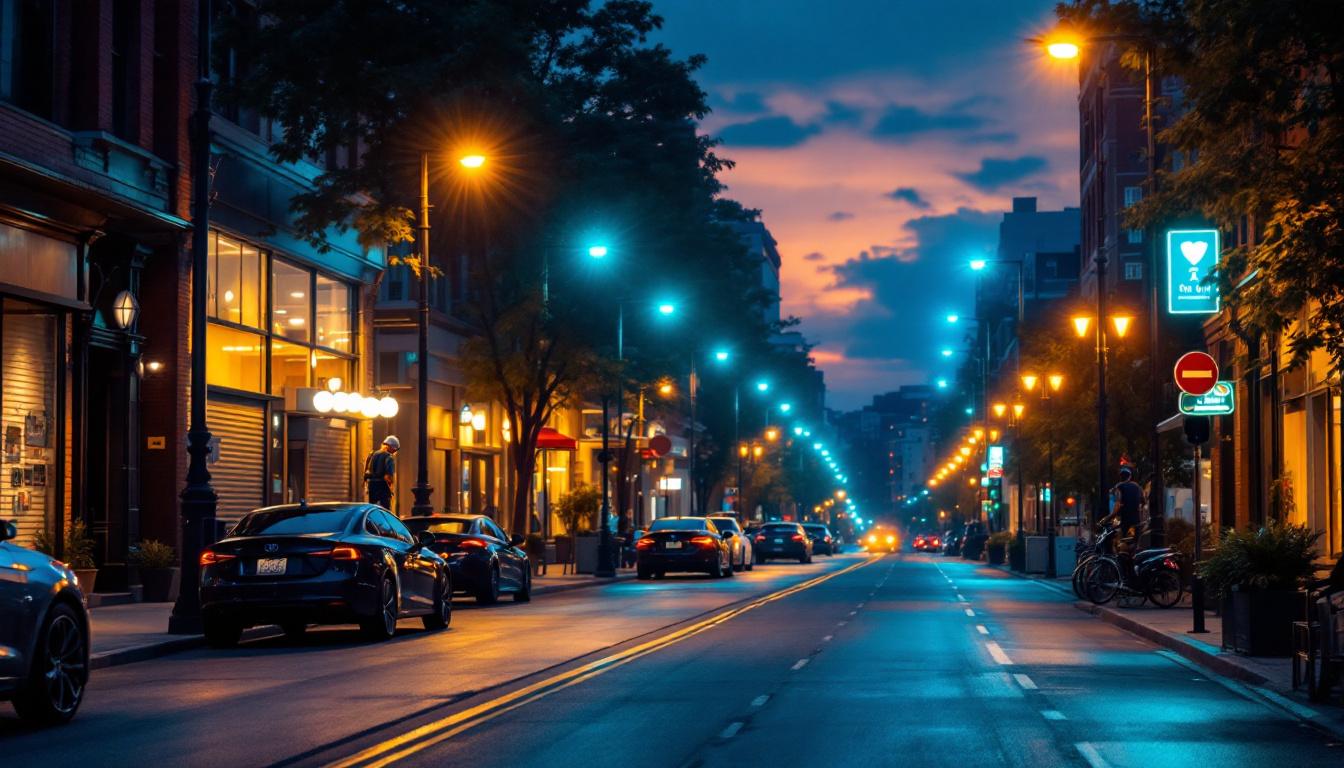
One of the most notable shifts in street lighting has been the transition from traditional high-pressure sodium (HPS) lamps, which emit a characteristic amber glow, to LED fixtures capable of producing a wide range of color temperatures. This transition has been driven largely by the promise of improved energy efficiency and longer service life. LEDs with cooler color temperatures (around 4000K to 5000K) tend to offer higher luminous efficacy, meaning more light output per watt consumed, which can translate into substantial energy savings for municipalities and contractors alike.
However, these energy savings come with nuances. Cooler white lights, while efficient, may require more precise installation and calibration to avoid glare and light pollution, which can increase labor costs. Conversely, warmer light colors (2700K to 3000K) are often preferred in residential areas for their softer appearance but might have slightly lower luminous efficacy. Lighting contractors must balance these factors to optimize both energy consumption and client expectations, directly influencing their bottom line through project costs and client retention.
Moreover, the psychological impact of street light colors cannot be overlooked. Research indicates that different light colors can evoke varying emotional responses from the public. For instance, cooler lights are often associated with alertness and safety, making them suitable for high-traffic areas, while warmer lights can create a sense of comfort and community in quieter neighborhoods. This understanding can guide lighting contractors in making informed decisions that not only meet technical specifications but also enhance the user experience in public spaces. Additionally, as cities become more focused on sustainability, the choice of street light colors may also reflect broader environmental goals, with municipalities increasingly opting for lighting solutions that minimize ecological footprints.
Furthermore, advancements in smart lighting technology are changing the landscape of street lighting. Smart street lights equipped with sensors can adjust their brightness based on real-time conditions, such as pedestrian presence or ambient light levels. This not only enhances safety but also contributes to further energy savings. The integration of smart technology allows for a dynamic approach to street lighting, where the color temperature can be adjusted according to the time of day or specific events, providing a tailored lighting experience. As these technologies become more prevalent, lighting contractors will need to stay abreast of innovations to remain competitive and meet the evolving demands of urban planners and city officials.
Color Temperature and Its Influence on Maintenance and Longevity
Understanding Color Temperature in Street Lighting
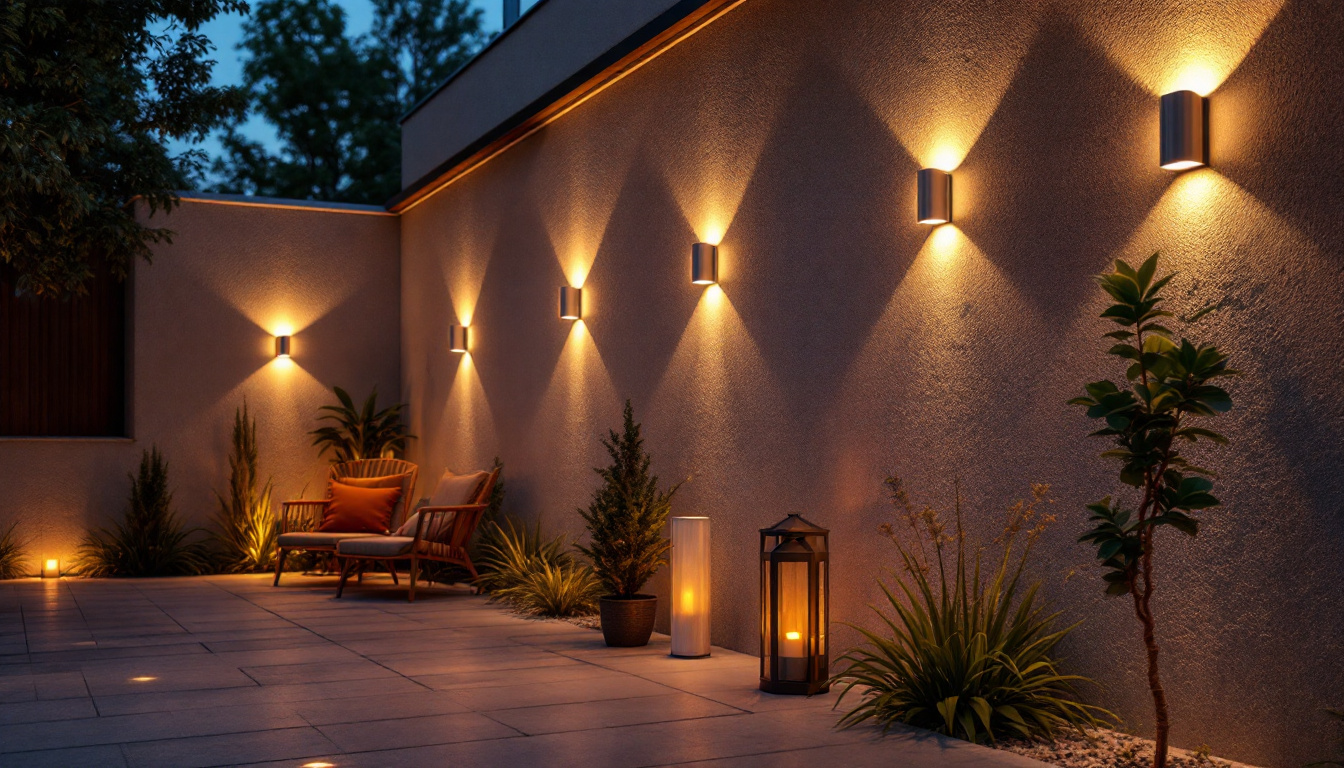
Color temperature, measured in Kelvins (K), describes the hue of a light source. Lower temperatures produce warmer, amber tones, while higher temperatures yield cooler, bluish-white light. This characteristic not only affects visual perception but also the technological performance and durability of street lighting systems. For instance, warmer lights tend to create a more inviting atmosphere in residential areas, while cooler lights are often preferred in commercial districts for their ability to enhance visibility and safety during nighttime hours.
For lighting contractors, selecting the appropriate color temperature is crucial because it correlates with the type of lighting technology used. For example, traditional HPS lamps with their low color temperature have a relatively shorter lifespan compared to modern LED fixtures. LEDs, especially those designed for cooler color temperatures, often boast lifespans exceeding 50,000 hours, significantly reducing the frequency and cost of replacements. Additionally, the energy efficiency of LEDs contributes to lower operational costs, making them an increasingly attractive option for municipalities aiming to reduce their carbon footprint while enhancing public safety.
Maintenance Implications of Different Light Colors
The color of street lights can indirectly influence maintenance schedules and costs. Warmer light sources like HPS lamps tend to degrade in color quality over time, leading to inconsistent lighting and necessitating more frequent replacements or repairs. On the other hand, LEDs maintain color consistency throughout their lifespan, which means fewer service calls and less downtime. This reliability not only benefits the contractors but also ensures that communities enjoy a consistently safe and well-lit environment, which can deter crime and improve overall public satisfaction.
Moreover, the spectral composition of light affects the visibility of dirt and wear on fixtures. Cooler lights can make grime and damage more apparent, prompting more frequent cleaning or maintenance visits. Contractors must factor these considerations into their service contracts and pricing models to ensure profitability while meeting client expectations for quality and reliability. Furthermore, the choice of color temperature can influence the aesthetic appeal of urban landscapes. Cities that opt for cooler, brighter lights may find themselves needing to balance the starkness of these lights with the warmth of surrounding environments, which can lead to additional design considerations in urban planning and street furniture that complement the lighting choices.
Regulatory and Environmental Considerations Affecting Light Color Choices
Compliance with Lighting Standards and Ordinances
Municipalities and regulatory bodies increasingly mandate specific lighting standards to minimize light pollution, reduce energy consumption, and protect nocturnal wildlife. These regulations often specify acceptable color temperatures and light intensities for street lighting, which directly influence contractors’ project designs and material selections.
For instance, many cities have adopted ordinances limiting the use of high color temperature lights (above 3000K) in residential zones to reduce blue light emissions, which are known to disrupt circadian rhythms and contribute to skyglow. Lighting contractors must stay abreast of these evolving standards to avoid costly redesigns or non-compliance penalties that can erode profit margins.
Environmental Impact and Sustainability Goals
Environmental sustainability is a growing priority for municipalities, and lighting contractors are often tasked with delivering solutions that align with these goals. Selecting street light colors that reduce energy consumption and minimize ecological disruption can enhance a contractor’s reputation and open doors to new business opportunities.
For example, using warmer color temperature LEDs can mitigate the adverse effects on local wildlife, such as migratory birds and nocturnal animals, while still providing adequate illumination. Contractors who can demonstrate expertise in environmentally responsible lighting solutions are better positioned to secure contracts with eco-conscious clients, ultimately improving their competitive edge and profitability.
Customer Perception and Market Demand for Street Light Colors
Influencing Public Safety and Satisfaction
The color of street lighting plays a significant role in public perception of safety and comfort. Cooler white lights tend to enhance color rendering and visibility, which can improve pedestrian and driver safety. However, some community members may find these lights harsh or intrusive, preferring the softer ambiance of warmer tones.
Lighting contractors must navigate these preferences carefully, often conducting community consultations or pilot installations to determine the optimal balance. Successfully managing these expectations can lead to higher client satisfaction and repeat business, whereas missteps may result in costly retrofits or reputational damage.
Adapting to Emerging Trends and Technologies
Market demand for customizable and smart street lighting solutions is on the rise. Modern LED systems allow for dynamic color tuning and dimming capabilities, enabling municipalities to adjust lighting based on time of day, weather conditions, or special events. Contractors who invest in knowledge and equipment to support these technologies can offer value-added services that justify premium pricing.
Additionally, integrating color control with smart city infrastructure can generate data for maintenance optimization and energy management, further enhancing operational efficiency. Staying ahead of these trends is essential for contractors aiming to maximize their bottom line in a competitive market.
Cost-Benefit Analysis: Choosing the Right Street Light Color for Projects
Evaluating Initial Investment Versus Long-Term Savings
While cooler LED lights may have a higher upfront cost compared to traditional lighting options, their superior energy efficiency and longevity often result in lower total cost of ownership. Lighting contractors must present clear cost-benefit analyses to clients, highlighting potential savings in electricity bills and maintenance over the lifespan of the installation.
Conversely, warmer light options might appeal to clients prioritizing aesthetics or environmental concerns, even if they come with slightly higher operational costs. Contractors who can tailor proposals to align with client priorities while maintaining profitability will strengthen their market position.
Case Studies Demonstrating Financial Impact
Several municipalities have reported significant budget improvements after upgrading to LED street lights with optimized color temperatures. For example, a mid-sized city reduced its street lighting energy consumption by nearly 50%, translating to annual savings in the hundreds of thousands of dollars. These savings allowed the city to reallocate funds to other infrastructure projects, creating a ripple effect of economic benefits.
For contractors, such success stories serve as powerful marketing tools and provide practical insights into project planning and execution. Demonstrating expertise in selecting and implementing the right street light colors can lead to larger contracts and stronger client relationships.
Conclusion: Strategic Color Choices Drive Contractor Profitability
Street light colors are far more than a design element; they are a pivotal factor that influences energy consumption, maintenance demands, regulatory compliance, environmental impact, and public perception. Lighting contractors who thoroughly understand these dynamics and integrate them into their project planning can significantly enhance their operational efficiency and profitability.
By staying informed about technological advances, regulatory changes, and market trends, contractors can offer tailored solutions that meet client needs while optimizing costs. Ultimately, strategic decisions about street light colors empower contractors to deliver superior value, differentiate themselves in a competitive marketplace, and improve their bottom line.
Illuminate Your Projects with LumenWholesale
Ready to enhance your lighting projects while boosting your bottom line? Discover the LumenWholesale difference today. Our extensive range of spec-grade lighting products is designed to meet the diverse needs of lighting contractors, ensuring you can make those strategic color choices with confidence. With unbeatable wholesale prices, free shipping on bulk orders, and no middleman markups, you’ll find exceptional value that aligns with your project goals and budget. Elevate your lighting solutions and enjoy the benefits of quality, affordability, and convenience. Take the first step towards brighter, more cost-effective lighting by visiting Wholesale Lighting at the Best Value now.