Understanding the Importance of Store Lighting
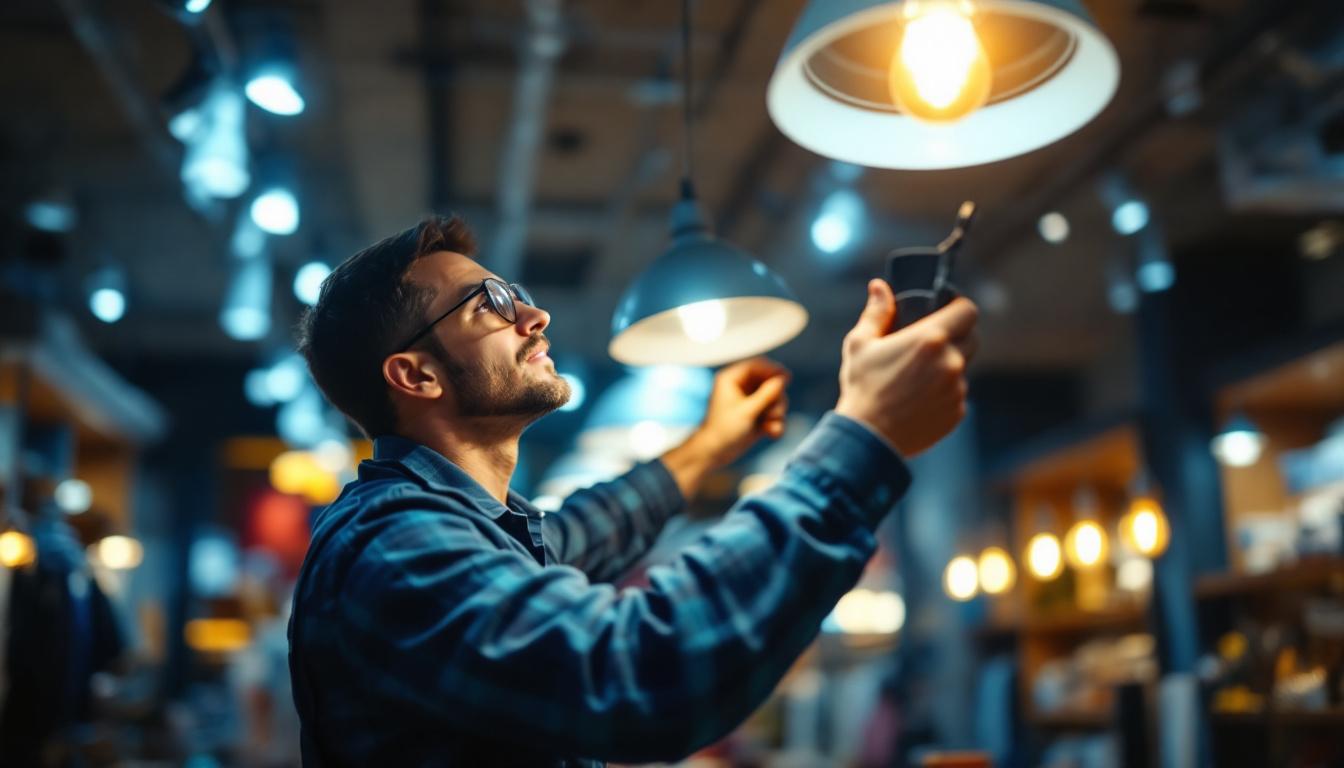
For lighting contractors, mastering the art of store lighting is more than just installing fixtures—it’s about creating an environment that enhances the shopping experience, encourages customer engagement, and ultimately drives sales. Retail lighting plays a crucial role in shaping a store’s ambiance, highlighting products, and influencing consumer behavior.
Studies have shown that well-designed lighting can increase customer dwell time and positively impact purchasing decisions. According to industry research, stores with optimized lighting layouts report up to a 40% increase in sales compared to those with poor lighting. This highlights the importance of lighting contractors having a deep understanding of both technical and aesthetic aspects of retail lighting.
Lighting professionals must balance functionality with creativity to meet the unique needs of different retail environments—from high-end boutiques to large supermarkets. Each store type demands a tailored approach to lighting that considers product types, customer flow, and brand identity.
In addition to enhancing the shopping experience, effective store lighting can also play a pivotal role in showcasing seasonal promotions and special events. For instance, using dynamic lighting techniques, such as color-changing LEDs or spotlighting, can draw attention to specific displays or sales, creating a sense of urgency and excitement among shoppers. Moreover, the strategic use of lighting can guide customers through a store, subtly leading them to high-margin items or new arrivals, thereby increasing the likelihood of impulse purchases.
Furthermore, the integration of smart lighting systems has revolutionized the way retailers approach store lighting. These systems allow for real-time adjustments based on foot traffic, time of day, and even weather conditions. By leveraging data analytics, lighting contractors can optimize energy efficiency while ensuring that the store remains inviting and visually appealing. This not only contributes to a sustainable business model but also aligns with the growing consumer preference for environmentally responsible practices, making it an essential consideration for modern retail spaces.
Key Principles of Effective Store Lighting
Layered Lighting Design
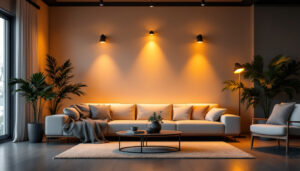
One of the foundational concepts in store lighting is the use of layered lighting. This involves combining ambient, task, and accent lighting to create a dynamic and flexible environment. Ambient lighting provides overall illumination, ensuring customers can navigate the space comfortably. Task lighting focuses on specific areas where activities like checkout or product examination occur. Accent lighting draws attention to featured products or displays, adding visual interest and guiding customer focus.
Lighting contractors should design each layer to complement the others, avoiding harsh contrasts or shadows that can detract from the shopping experience. Using dimmable fixtures and adjustable track lighting can offer flexibility to adapt lighting throughout the day or for special promotions. Additionally, the strategic placement of lighting can enhance the store’s layout, making it easier for customers to find their way around and encouraging them to explore different sections. For instance, using brighter task lighting in high-traffic areas can help direct foot traffic, while softer ambient lighting in lounge areas can create a welcoming environment where customers feel comfortable lingering.
Color Temperature and CRI (Color Rendering Index)
Choosing the correct color temperature and CRI is essential in retail settings. Color temperature, measured in Kelvins (K), affects the mood and perception of the store environment. Warmer temperatures (2700K–3000K) create a cozy, inviting atmosphere suitable for boutiques and specialty stores, while cooler temperatures (3500K–4100K) are often preferred in supermarkets and electronics stores for their clean, bright appearance.
Equally important is the CRI, which measures how accurately a light source reveals the true colors of objects. A CRI of 80 or above is generally recommended for retail spaces to ensure products appear vibrant and appealing. Lighting contractors should prioritize fixtures with a high CRI to enhance product presentation and customer satisfaction. Furthermore, the interplay between color temperature and CRI can significantly impact how products are perceived; for example, clothing stores may benefit from lighting that not only showcases the true colors of fabrics but also complements the overall aesthetic of the merchandise. This attention to detail can enhance the shopping experience and increase the likelihood of purchases.
Energy Efficiency and Sustainability
With increasing emphasis on sustainability, energy-efficient lighting solutions are a priority for many retail clients. LED technology has revolutionized store lighting by offering long-lasting, low-energy options without compromising on quality or brightness. Lighting contractors should be well-versed in the latest LED products, including smart lighting systems that allow for automated control and energy savings.
Incorporating daylight harvesting—using sensors to adjust artificial lighting based on natural light availability—can further reduce energy consumption. This not only benefits the environment but also helps store owners lower operational costs, making it a compelling selling point for contractors. Moreover, adopting sustainable practices in store lighting can enhance a brand’s image, appealing to environmentally conscious consumers. Retailers can also explore options like solar-powered lighting for outdoor displays or signage, further demonstrating their commitment to sustainability. By integrating these energy-efficient solutions, stores can create a more inviting atmosphere while contributing positively to the planet.
Practical Tips for Lighting Contractors When Working on Store Projects
Conduct a Thorough Site Assessment
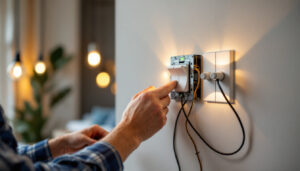
Before beginning any lighting installation, a comprehensive site assessment is critical. This includes measuring the space, noting existing natural light sources, and understanding the store’s layout and product placement. Contractors should also evaluate electrical infrastructure to determine if upgrades or additional circuits are necessary.
Engaging with the client to understand their brand identity, target customers, and specific goals for the lighting project will help tailor solutions that align with their vision. Documenting these details ensures that the lighting design supports the store’s overall strategy.
Selecting the Right Fixtures and Controls
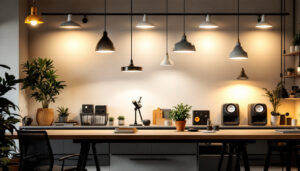
Choosing appropriate fixtures is a vital step in achieving the desired lighting effect. Track lighting, recessed downlights, pendant fixtures, and wall washers each serve different purposes and aesthetics. For example, track lighting offers flexibility for changing displays, while recessed lights provide clean, unobtrusive illumination.
Incorporating advanced lighting controls such as dimmers, motion sensors, and programmable timers enhances functionality and energy efficiency. Contractors should recommend control systems that are user-friendly and compatible with the client’s operational needs.
Prioritize Safety and Compliance
Lighting contractors must ensure all installations comply with local electrical codes and safety standards. Proper grounding, circuit protection, and fixture placement are essential to prevent hazards. Additionally, emergency lighting and exit signs must be integrated seamlessly into the overall lighting plan.
Regular training on the latest code updates and safety protocols is advisable for contractors to maintain professionalism and avoid costly mistakes or delays during inspections.
Advanced Techniques and Innovations in Store Lighting
Human-Centric Lighting
Human-centric lighting (HCL) is an emerging trend that focuses on the biological and psychological effects of light on people. By adjusting light intensity and color temperature throughout the day, HCL aims to support natural circadian rhythms, enhancing customer comfort and employee well-being.
Lighting contractors can incorporate tunable white LEDs and smart controls to create dynamic lighting environments that adapt to the time of day. This approach is gaining traction in retail environments looking to differentiate themselves through innovative and health-conscious design.
Integration with Digital and Interactive Elements
Modern retail stores increasingly use digital signage and interactive displays to engage customers. Lighting contractors can collaborate with technology integrators to synchronize lighting with multimedia elements, creating immersive experiences. For example, dynamic lighting that changes in response to digital content can highlight promotions or create thematic atmospheres during events.
This integration requires careful planning to avoid glare and ensure lighting complements, rather than competes with, digital displays.
Use of Lighting to Influence Shopper Behavior
Research in retail psychology indicates that strategic lighting can influence shopper behavior. Bright, focused lighting on high-margin products can draw attention and encourage impulse purchases. Conversely, softer lighting in relaxation or fitting areas can make customers feel more comfortable and willing to spend time in the store.
Lighting contractors who understand these behavioral insights can design lighting schemes that not only illuminate but also strategically guide customer movement and decision-making.
Common Challenges and How to Overcome Them
Dealing with Limited Budgets
Budget constraints are a frequent challenge in retail lighting projects. Contractors can address this by prioritizing high-impact areas for premium lighting and using cost-effective solutions elsewhere. For example, investing in quality accent lighting for product displays while using standard ambient lighting in less critical zones.
Offering phased installation plans or recommending energy-efficient fixtures that reduce long-term costs can also help clients manage expenses without sacrificing quality.
Managing Store Operations During Installation
Many stores remain operational during lighting upgrades, requiring contractors to minimize disruption. Scheduling work during off-hours, weekends, or overnight can reduce impact on business. Clear communication with store management and thorough planning are essential to ensure safety and efficiency.
Using modular lighting systems that are quick to install and easy to adjust can further streamline the process.
Adapting to Diverse Store Layouts
Each retail space presents unique architectural and design challenges. Irregular ceiling heights, structural columns, and varying product displays require flexible and creative lighting solutions. Lighting contractors should leverage adjustable fixtures, custom mounting options, and detailed lighting simulations to overcome these obstacles.
Collaborating with architects and interior designers early in the project can facilitate integrated solutions that enhance both lighting effectiveness and store aesthetics.
Conclusion: Elevating Retail Spaces Through Expert Lighting
For lighting contractors, mastering store lighting is a blend of technical expertise, creative vision, and strategic insight. By understanding the principles of layered lighting, selecting appropriate fixtures, and embracing innovations like human-centric lighting and digital integration, contractors can transform retail environments into compelling, customer-friendly spaces.
Addressing challenges proactively and maintaining a focus on energy efficiency and safety ensures that lighting projects not only meet client expectations but also contribute to the long-term success of the store. In a competitive retail landscape, expertly crafted lighting solutions are a powerful tool for contractors to add value and build lasting client relationships.
Illuminate Your Projects with LumenWholesale
Ready to elevate your lighting projects and exceed client expectations? Choose LumenWholesale for an unparalleled selection of spec-grade lighting products at wholesale prices. Our commitment to quality and affordability ensures you have access to the best lighting solutions, enabling you to create stunning retail spaces that captivate and sell. Say goodbye to middleman markups and hello to hassle-free bulk buying with free shipping. Don’t compromise on quality or cost—visit Wholesale Lighting at the Best Value and partner with LumenWholesale to light up your next project with confidence.