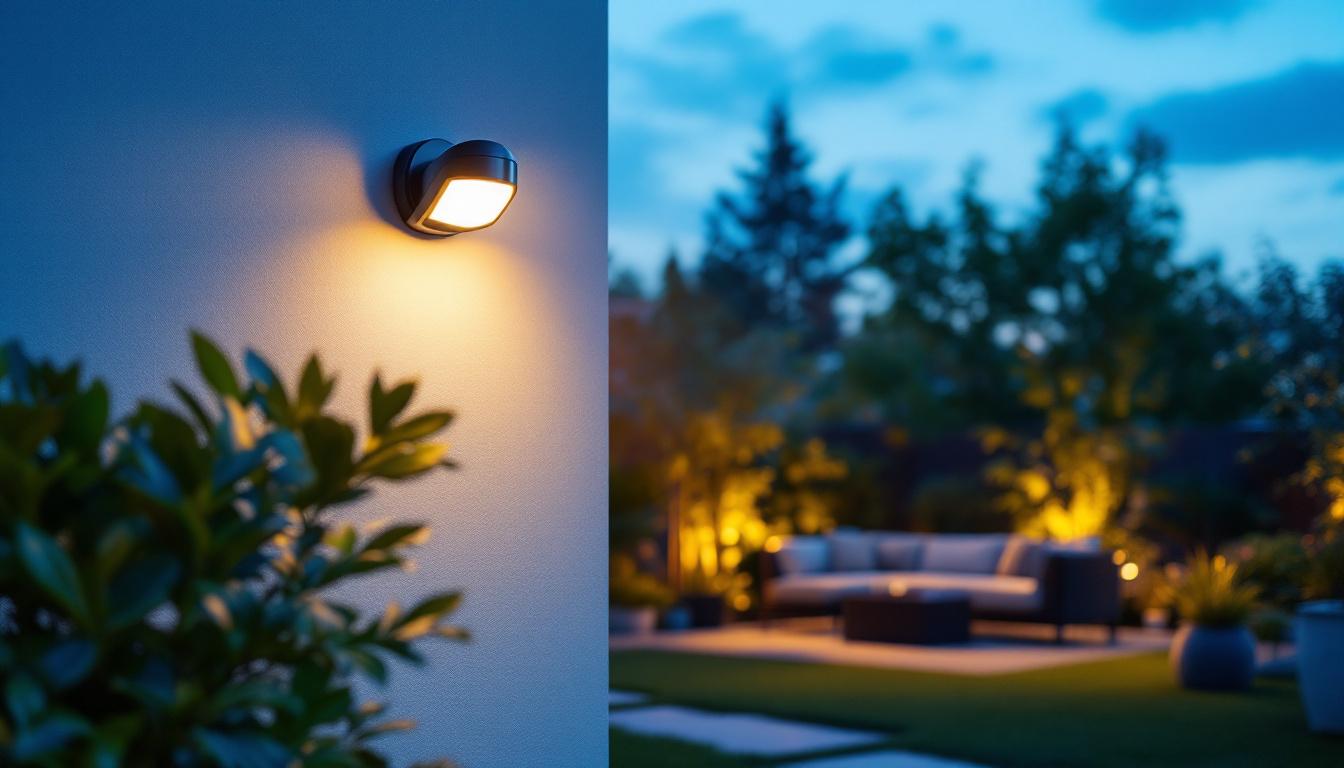
Introduction to Solar Outdoor Lighting for Contractors
As the demand for sustainable and energy-efficient lighting solutions continues to grow, solar outdoor lighting has emerged as a leading choice for both residential and commercial applications. For lighting contractors, mastering the installation and maintenance of solar lighting systems not only expands service offerings but also positions them at the forefront of green technology trends.
Solar outdoor lighting harnesses sunlight through photovoltaic panels, converting it into electrical energy to power lights without reliance on traditional electrical grids. This independence from grid power offers numerous benefits, including reduced energy costs, simplified installation, and enhanced environmental responsibility. Moreover, solar lights are often equipped with advanced features such as motion sensors and programmable timers, allowing for increased functionality and energy savings. These smart features can be particularly appealing to clients looking to enhance security or create ambiance in outdoor spaces.
For contractors, understanding the nuances of solar lighting—from system components to site assessment—is essential to delivering reliable, long-lasting solutions that meet client expectations and regulatory standards. A thorough site assessment involves evaluating factors such as sunlight exposure, shading from trees or buildings, and the specific lighting needs of the area. This knowledge enables contractors to recommend the right type of solar fixtures, whether they are path lights, flood lights, or decorative lanterns, ensuring optimal performance and satisfaction for the client.
Additionally, staying informed about the latest advancements in solar technology can provide contractors with a competitive edge. Innovations in battery storage and LED efficiency mean that solar lights can now operate longer and brighter than ever before, even in less-than-ideal weather conditions. Furthermore, as more municipalities adopt green building codes and sustainability initiatives, contractors who are well-versed in solar outdoor lighting can better navigate these regulations and offer compliant solutions that appeal to eco-conscious clients. This proactive approach not only enhances a contractor’s reputation but also fosters long-term relationships with customers who value sustainability in their projects.
Understanding Solar Outdoor Lighting Components
Photovoltaic Panels
The photovoltaic (PV) panel is the heart of any solar lighting system. It captures sunlight and converts it into direct current (DC) electricity. Modern PV panels are typically made from monocrystalline or polycrystalline silicon, with monocrystalline panels offering higher efficiency and better performance in low-light conditions.
Contractors should evaluate panel wattage and efficiency ratings carefully to ensure the system can generate sufficient power based on the geographic location and expected sunlight exposure. Proper panel sizing directly influences system reliability and illumination duration. Additionally, the angle and orientation of the panels play a crucial role in maximizing solar energy capture. For optimal performance, panels should be installed at an angle that corresponds to the latitude of the installation site, allowing them to receive the most sunlight throughout the year.
Battery Storage
Energy storage is critical for solar lighting systems to function during nighttime or cloudy days. Most systems use rechargeable batteries, commonly lithium-ion or sealed lead-acid types. Lithium-ion batteries are gaining popularity due to their longer lifespan, lighter weight, and higher energy density.
Lighting contractors must consider battery capacity, depth of discharge, and charging cycles when selecting batteries. Proper battery management ensures consistent performance and reduces maintenance costs over time. Furthermore, integrating a battery monitoring system can provide real-time data on battery health and charge levels, allowing for proactive maintenance and ensuring that the lighting system remains operational even during extended periods of low sunlight. This feature is especially beneficial in regions with unpredictable weather patterns or during seasonal changes.
LED Fixtures and Controllers
Light Emitting Diodes (LEDs) are the preferred light source for solar outdoor lighting due to their energy efficiency, long lifespan, and durability. LEDs consume less power while providing bright, uniform illumination, making them ideal for solar-powered applications.
Controllers regulate the flow of electricity between the PV panel, battery, and LED fixtures. Advanced controllers include features such as dusk-to-dawn sensors, motion detection, and dimming capabilities, which optimize energy use and extend battery life. Moreover, some modern systems incorporate smart technology, allowing users to control and monitor their lighting remotely via smartphone apps. This capability not only enhances convenience but also enables users to adjust settings based on specific needs, such as increasing brightness during events or reducing light levels during late-night hours to conserve energy. The integration of such technology is paving the way for more intelligent and adaptable solar lighting solutions.
Site Assessment and Planning for Optimal Solar Lighting
Evaluating Sunlight Exposure
Accurate site assessment is a foundational step in solar lighting installation. Contractors must analyze the location’s solar insolation—the amount of solar radiation received—to predict system performance accurately. Factors such as shading from trees, buildings, or other obstructions can significantly impact energy generation. Understanding the seasonal variations in sunlight exposure is also crucial; for instance, the angle of the sun changes throughout the year, which can affect how much light reaches the solar panels at different times.
Using tools like solar pathfinders or smartphone apps designed for solar assessment can help contractors identify optimal panel placement. Panels should ideally face true south (in the northern hemisphere) or true north (in the southern hemisphere) at an angle that maximizes sunlight capture throughout the year. Additionally, analyzing historical weather data can provide insights into potential cloud cover and precipitation patterns, further refining the assessment process. By taking these factors into account, contractors can ensure that the solar lighting system is designed to operate efficiently even in less-than-ideal conditions.
Load Analysis and Lighting Requirements
Determining the lighting load involves calculating the total wattage of all fixtures and the desired hours of operation. Contractors should work closely with clients to understand the specific lighting needs—whether for security, aesthetics, or functional illumination—and tailor the system accordingly. This collaborative approach not only ensures that the lighting meets the client’s expectations but also allows for the exploration of various design options, such as motion sensors or dimming capabilities, which can enhance both functionality and energy efficiency.
Incorporating energy-efficient LED fixtures and intelligent controllers can reduce load demands, allowing for smaller, more cost-effective solar systems without compromising lighting quality. Moreover, the integration of smart technology can enable remote monitoring and control of the lighting system, providing clients with the ability to adjust settings based on real-time conditions or usage patterns. This adaptability can lead to significant energy savings and prolong the lifespan of the solar components by optimizing their performance.
Regulatory Compliance and Permitting
Lighting contractors must be well-versed in local codes, zoning laws, and permitting requirements related to solar installations. Some jurisdictions have specific standards for fixture brightness, light pollution, and system installation that must be adhered to. Understanding these regulations is not only a matter of compliance but also a way to foster community relations, as well-planned installations can minimize disruption and enhance the neighborhood’s aesthetic appeal.
Staying informed about these regulations helps avoid costly delays or modifications and ensures that installations meet safety and environmental standards. Additionally, engaging with local authorities during the planning phase can facilitate a smoother permitting process and may even uncover incentives or grants available for renewable energy projects. By proactively addressing regulatory concerns, contractors can position themselves as knowledgeable partners in the transition to sustainable energy solutions, ultimately benefiting both their business and the community at large.
Installation Best Practices for Solar Outdoor Lighting
Secure and Strategic Mounting of PV Panels
Proper mounting of photovoltaic panels is crucial for maximizing energy capture and system longevity. Panels should be installed on sturdy, corrosion-resistant mounts that can withstand local weather conditions, including wind and snow loads.
Adjustable mounts allow for seasonal angle adjustments, enhancing performance throughout the year. Additionally, contractors should ensure panels are positioned to avoid shading during peak sunlight hours.
Battery Placement and Protection
Batteries should be installed in ventilated, weatherproof enclosures to protect against moisture, temperature extremes, and physical damage. Proper thermal management extends battery life and maintains system efficiency.
Contractors must also consider ease of access for maintenance and replacement when selecting battery locations.
Wiring and Electrical Connections
Using high-quality, UV-resistant wiring and connectors is essential for outdoor solar lighting systems. All electrical connections should be weatherproof and comply with electrical codes to prevent corrosion and short circuits.
Labeling wiring and documenting the system layout facilitates troubleshooting and future maintenance.
Maintenance and Troubleshooting for Longevity
Regular Cleaning and Inspection
Solar panels require periodic cleaning to remove dust, bird droppings, and debris that can obstruct sunlight. Depending on the environment, cleaning intervals may range from quarterly to biannually.
Contractors should advise clients on proper cleaning techniques and schedule routine inspections to identify potential issues early, such as loose connections or battery degradation.
Battery Health Monitoring
Monitoring battery voltage and capacity helps detect declining performance before complete failure occurs. Some advanced controllers provide remote monitoring capabilities, allowing contractors to track system health and respond proactively.
Replacing batteries at the end of their service life is critical to maintaining system reliability and preventing downtime.
Addressing Common Issues
Common problems in solar outdoor lighting include dim or flickering lights, system shutdowns, and reduced illumination time. These symptoms often stem from battery issues, shading, or controller malfunctions.
Systematic troubleshooting—starting with visual inspections, followed by electrical testing—enables contractors to diagnose and rectify problems efficiently, minimizing client inconvenience.
Emerging Trends and Technologies in Solar Outdoor Lighting
Smart Lighting Integration
Integration of solar lighting with smart controls and IoT technology is revolutionizing outdoor illumination. Features such as remote dimming, scheduling, and adaptive lighting based on occupancy or ambient light levels enhance energy savings and user experience.
Lighting contractors who adopt these technologies can offer clients advanced solutions that improve functionality and reduce operational costs.
Hybrid Solar Systems
Hybrid systems combine solar power with other energy sources, such as grid electricity or wind power, to ensure continuous illumination even in less sunny conditions. These systems provide greater reliability and flexibility, particularly for critical applications like security lighting.
Understanding hybrid configurations enables contractors to design tailored solutions that meet diverse client needs.
Advancements in Battery Technology
Ongoing improvements in battery chemistry, including solid-state and flow batteries, promise longer life spans, faster charging, and enhanced safety. Staying informed about these developments allows contractors to recommend cutting-edge options that future-proof installations.
Conclusion: Positioning for Success in Solar Outdoor Lighting
For lighting contractors, embracing solar outdoor lighting represents a strategic opportunity to expand expertise, meet growing market demand, and contribute to sustainable development. By mastering system components, conducting thorough site assessments, adhering to best installation practices, and committing to regular maintenance, contractors can deliver high-quality, reliable solar lighting solutions.
Keeping pace with emerging technologies and regulatory changes further enhances the ability to provide innovative, cost-effective services. In a rapidly evolving industry, these proven methods equip lighting contractors to thrive and lead in the solar outdoor lighting sector.
Illuminate Your Projects with LumenWholesale
Ready to elevate your solar outdoor lighting game? Look no further than LumenWholesale for all your lighting needs. We provide contractors with high-quality, spec-grade lighting products that shine bright above the rest. With unbeatable wholesale prices and a commitment to cutting out the middleman, you can trust us to supply superior lighting products without the inflated markups. Our extensive selection is designed to meet the highest industry standards, ensuring you deliver reliable, high-performance lighting for every project. Plus, with the convenience of free shipping on bulk orders, you can enjoy premium lighting at the best value — without hidden fees or compromises. Take the next step in sustainable development and Wholesale Lighting at the Best Value with LumenWholesale, where quality, affordability, and convenience come together for your success.