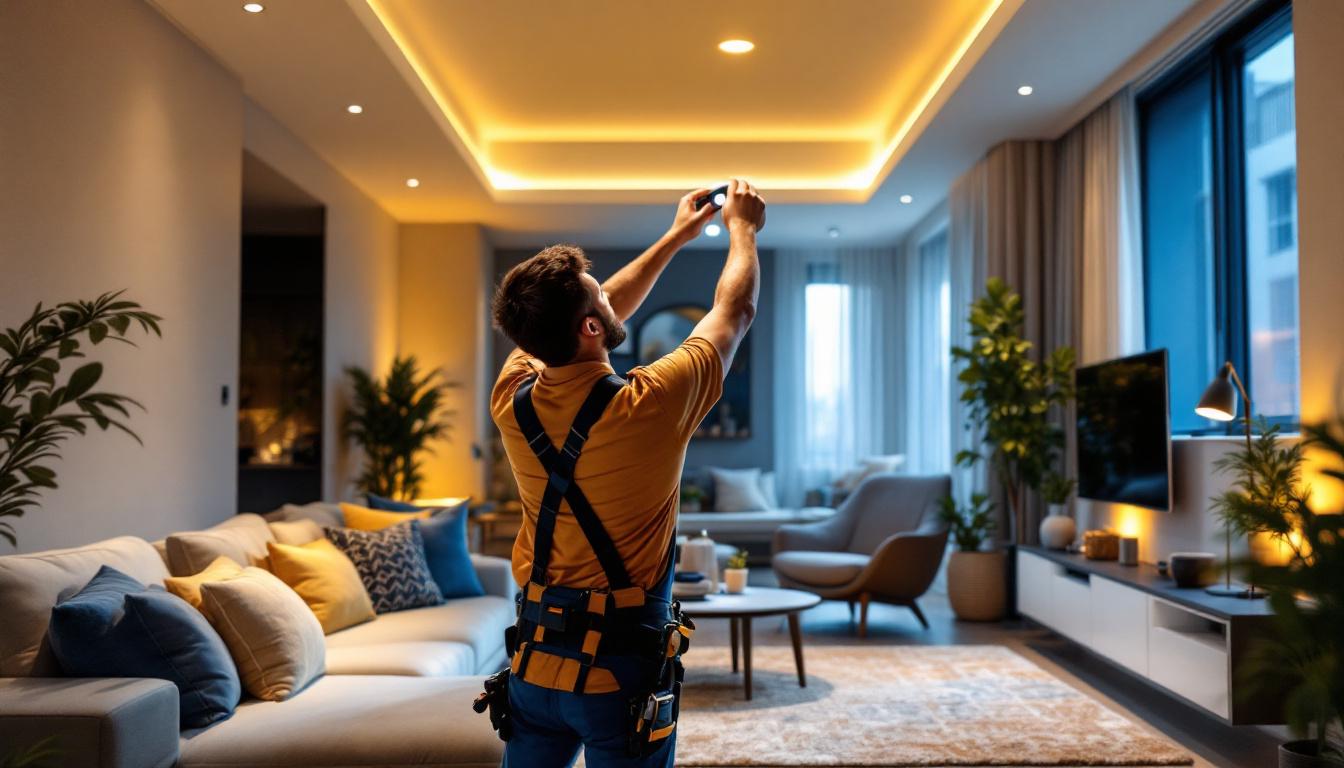
Understanding Lighting Track Systems: Fundamentals for Contractors
Lighting track systems have become a staple in modern commercial and residential lighting design, offering flexibility, efficiency, and aesthetic appeal. For lighting contractors, mastering the nuances of these systems is essential to delivering projects that meet client expectations and comply with safety standards.
At its core, a lighting track system consists of a track mounted to a ceiling or wall, into which various lighting fixtures can be inserted, adjusted, or repositioned. This modularity allows for dynamic lighting arrangements that can evolve with the space’s needs, making track lighting a preferred choice in retail, gallery, hospitality, and even residential applications. The ability to easily swap out fixtures or change their orientation means that contractors can provide tailored solutions that enhance the functionality and ambiance of any environment.
However, despite their apparent simplicity, lighting track systems present a range of challenges that contractors must navigate carefully. From electrical load considerations to compatibility issues and installation precision, avoiding common pitfalls can mean the difference between a successful project and costly callbacks. For instance, understanding the different types of track systems—such as H, J, and L tracks—can significantly impact fixture compatibility and installation methods. Each type has its own specifications for electrical connections and fixture designs, making it crucial for contractors to be well-versed in these distinctions to ensure seamless integration.
Moreover, the choice of lighting fixtures plays a pivotal role in the overall effectiveness of the track system. LED options have surged in popularity due to their energy efficiency and long lifespan, but they also require careful consideration of color temperature and lumens to achieve the desired atmosphere. Contractors should also be aware of the latest advancements in smart lighting technology, which can be integrated into track systems for enhanced control and customization. This not only elevates the user experience but also positions contractors as forward-thinking professionals who can offer cutting-edge solutions to their clients.
“`html
Common Pitfalls in Lighting Track System Installation
Inadequate Load Calculation and Electrical Planning
One of the most frequent mistakes contractors encounter is underestimating the electrical load that a lighting track system will impose. Each track and fixture combination has a maximum wattage rating, and exceeding this can lead to overheating, circuit breaker trips, or even fire hazards.
For instance, a typical single-circuit track might support up to 600 watts, but this varies by manufacturer and system type. It is crucial to calculate the total wattage of all installed fixtures and ensure the circuit wiring and breakers can handle the load with an appropriate safety margin. Neglecting this step can result in system failures and serious safety concerns.
Additionally, it’s important to consider the potential for future expansions or changes in lighting needs. As spaces evolve, the demand for additional fixtures may arise, necessitating a reevaluation of the existing electrical load. Planning for scalability not only enhances safety but also saves time and resources in the long run, as retrofitting an underpowered system can be both costly and disruptive.
Ignoring Compatibility Between Track and Fixtures
Lighting track systems are not universally compatible. Different manufacturers use proprietary connectors, track profiles, and voltage specifications. Attempting to mix components from different brands or incompatible systems can lead to poor electrical connections, flickering lights, or complete fixture failure.
Contractors must verify that the fixtures are designed for the specific track system being installed. This includes confirming the voltage type (line voltage vs. low voltage), track profile (H, J, or L style tracks), and the electrical phase. Proper compatibility checks prevent costly rework and ensure optimal performance.
Moreover, understanding the specific requirements of the fixtures being installed can also enhance energy efficiency. For instance, LED fixtures often have different power requirements compared to traditional incandescent bulbs. By selecting compatible, energy-efficient options, contractors can not only improve lighting quality but also reduce long-term energy costs for clients.
Poor Mounting and Alignment Practices
Track lighting’s flexibility depends heavily on precise installation. Uneven mounting, misaligned tracks, or insufficient support can cause the track to sag or become unstable. This not only detracts from the aesthetic but can also impair the electrical connection between the track and fixtures.
Using appropriate mounting hardware, following manufacturer guidelines for spacing, and ensuring the track is level and securely fastened are essential steps. In commercial settings, where longer track runs are common, additional supports may be necessary to maintain structural integrity.
Furthermore, the visual impact of track lighting can be significantly affected by how well the fixtures are aligned. Misalignment can create uneven lighting patterns, casting unwanted shadows or failing to illuminate key areas effectively. Taking the time to ensure proper alignment not only enhances functionality but also contributes to the overall design and ambiance of the space.
Neglecting Local Codes and Safety Standards
Electrical installations must comply with national and local building codes, such as the National Electrical Code (NEC) in the United States. Lighting contractors must be familiar with these regulations to avoid violations that could lead to fines, project delays, or safety hazards.
For example, certain environments may require specific types of fixtures rated for damp or wet locations, or the use of ground-fault circuit interrupters (GFCIs). Ignoring these requirements can compromise safety and insurance coverage. Staying informed about code updates and consulting with electrical inspectors during planning can mitigate these risks.
Additionally, understanding the implications of these codes can help contractors make informed decisions about materials and installation techniques. For instance, using non-combustible materials in certain areas or ensuring that all fixtures are properly grounded can significantly enhance safety and compliance. By prioritizing adherence to these standards, contractors not only protect themselves but also ensure the safety and satisfaction of their clients.
“`
Best Practices for Successful Lighting Track System Projects
Comprehensive Pre-Installation Planning
Effective planning is the foundation of a successful lighting track system installation. This begins with a thorough assessment of the project’s lighting needs, including the desired ambiance, fixture types, and control options.
Contractors should collaborate closely with designers and clients to map out fixture placement and track routing. Using software tools or detailed schematics can help visualize the installation and identify potential challenges before work begins. This proactive approach reduces surprises and streamlines the installation process.
Choosing the Right Track System and Fixtures
Selecting the appropriate track system is critical. Contractors should evaluate factors such as voltage requirements, track length, fixture compatibility, and future expandability. For example, low-voltage track systems offer energy efficiency and reduced heat output but require transformers and may have more complex wiring.
Additionally, choosing fixtures with adjustable beam angles, dimming capabilities, and energy-efficient light sources like LEDs enhances the system’s versatility and sustainability. Prioritizing quality components from reputable manufacturers ensures reliability and longevity.
Meticulous Installation Techniques
During installation, attention to detail is paramount. Contractors should verify that all electrical connections are secure and that the track is mounted level and firmly anchored. Using a level and measuring tape helps maintain precision.
It is also advisable to test the electrical circuit and individual fixtures incrementally as the installation progresses. This step-by-step verification helps identify issues early, preventing extensive troubleshooting after completion.
Implementing Advanced Control Systems
Modern lighting track systems often integrate with smart controls, allowing for dimming, color temperature adjustment, and scene setting. Contractors should be well-versed in installing and programming these control systems, which may include wireless protocols like Zigbee or Bluetooth.
Incorporating advanced controls enhances the user experience and energy efficiency, making the lighting system more attractive to clients. Proper training and documentation for end-users also ensure smooth operation post-installation.
Maintenance and Troubleshooting Tips for Lighting Contractors
Regular Inspection and Cleaning
Maintaining lighting track systems involves periodic inspection to ensure all fixtures are secure and functioning correctly. Dust and debris accumulation can affect light output and heat dissipation, so cleaning the tracks and fixtures is recommended.
Contractors can advise clients on maintenance schedules and provide service contracts for ongoing support. This proactive approach extends the lifespan of the system and maintains optimal performance.
Common Troubleshooting Scenarios
Contractors should be prepared to address common issues such as flickering lights, non-functioning fixtures, or tripped breakers. Flickering often results from loose connections or incompatible dimmers, while non-functioning fixtures may indicate faulty wiring or defective components.
Systematic troubleshooting involves checking the power supply, verifying fixture compatibility, and inspecting track connectors. Utilizing a multimeter and circuit tester can expedite diagnosis. Prompt resolution of issues enhances client satisfaction and reinforces professional credibility.
Upgrading and Expanding Existing Systems
Clients may request upgrades or expansions to their lighting track systems as their needs evolve. Contractors should evaluate the existing infrastructure’s capacity and compatibility before adding new fixtures or tracks.
In some cases, upgrading to LED fixtures or integrating smart controls can improve energy efficiency and functionality without extensive rewiring. Offering these options positions contractors as trusted advisors and opens avenues for additional business.
Conclusion: Elevating Lighting Track System Installations
Lighting track systems offer unparalleled flexibility and design freedom, but their successful implementation requires expertise and careful attention to detail. By understanding common pitfalls and adhering to best practices, lighting contractors can deliver installations that are safe, reliable, and visually compelling.
From accurate load calculations and compatibility verification to meticulous installation and ongoing maintenance, each phase of the project demands professionalism and technical knowledge. Embracing these principles not only minimizes risks but also enhances client satisfaction and fosters long-term business growth.
As the lighting industry continues to evolve with new technologies and design trends, contractors who stay informed and adaptable will remain at the forefront, delivering solutions that illuminate spaces beautifully and efficiently.
“`html
Get Your Premium Lighting Track Systems at LumenWholesale
Ready to elevate your lighting installations with the best products on the market? Look no further than LumenWholesale for all your lighting track system needs. Our spec-grade lighting products are designed to meet the highest industry standards, ensuring you deliver safe, reliable, and visually stunning installations every time. With unbeatable wholesale prices and the convenience of free shipping on bulk orders, you can trust LumenWholesale to provide premium lighting without the premium price tag. Wholesale Lighting at the Best Value is just a click away. Enhance your professional offerings with the quality, affordability, and convenience of LumenWholesale.
“`