Understanding the Unique Challenges of Museum Lighting
Lighting a museum is a specialized discipline that requires more than just illuminating a space. It involves creating an environment where artworks and artifacts are showcased in their best light, literally and figuratively. For lighting contractors, this means balancing aesthetics, preservation, and visitor experience while adhering to strict technical standards.
Museums house a diverse range of materials—paintings, textiles, sculptures, manuscripts—each with distinct vulnerabilities to light exposure. Excessive or improper lighting can cause irreversible damage, such as fading, discoloration, or material degradation. Hence, understanding the sensitivity of exhibits is paramount to designing effective lighting solutions.
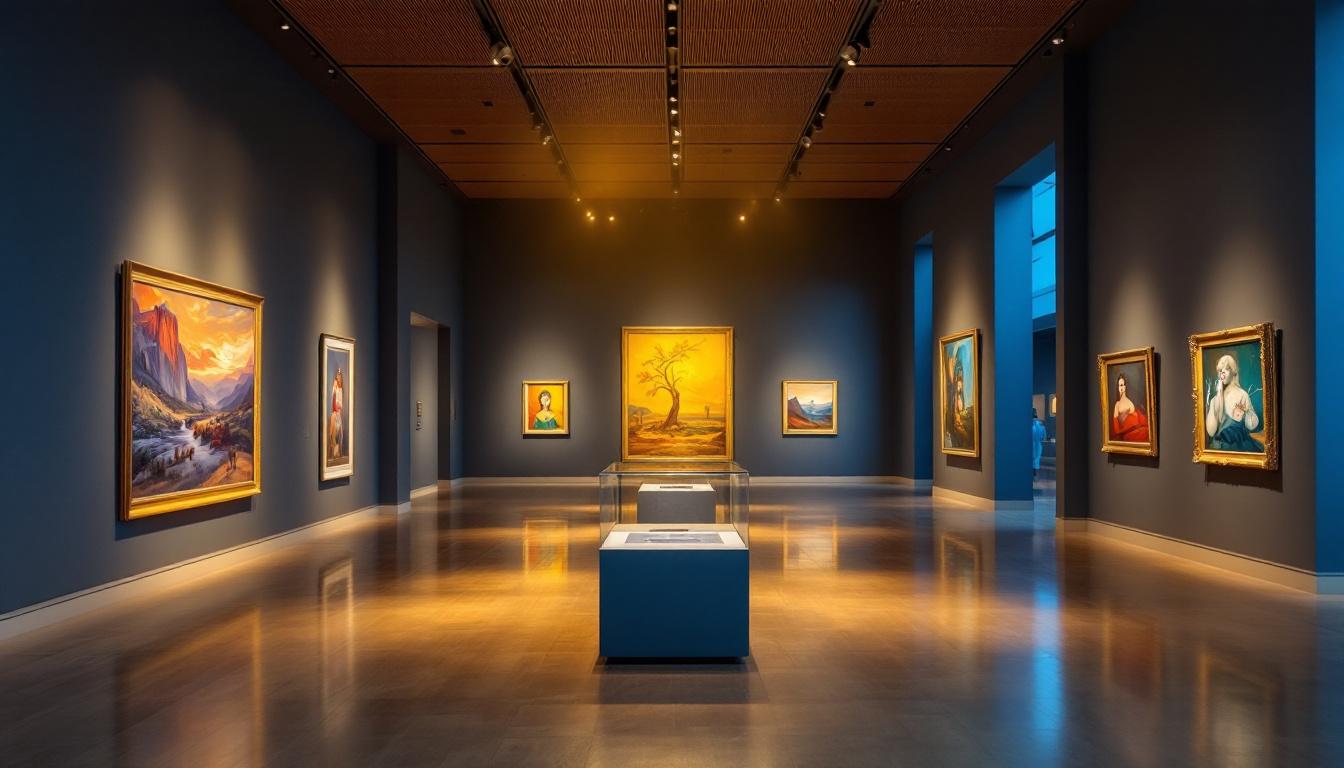
Moreover, museums often have complex architectural layouts, with varying ceiling heights, display cases, and open gallery spaces. Contractors must navigate these physical constraints while delivering consistent, high-quality illumination that enhances both the artifacts and the overall ambiance. The interplay of light and shadow can dramatically affect how visitors perceive the art, making it crucial for lighting designers to consider both the artistic and emotional impact of their choices.
In addition to the physical characteristics of the space, the intended narrative of an exhibition plays a significant role in lighting design. Each exhibit tells a story, and the lighting should help convey that narrative, guiding visitors through the experience. For instance, softer lighting might be used to create an intimate atmosphere for a collection of personal artifacts, while brighter, more focused lighting could highlight the intricate details of a sculpture. This thoughtful approach not only enhances the visual appeal but also fosters a deeper connection between the viewer and the artwork.
The Importance of Conservation in Lighting Design
Conservation concerns are at the heart of museum lighting design. Light-induced damage is cumulative and often invisible until it manifests as deterioration. Ultraviolet (UV) and infrared (IR) radiation are particularly harmful, so lighting systems must minimize or eliminate these emissions.
Modern LED technology has revolutionized museum lighting by offering low-UV and low-IR output, energy efficiency, and precise control over color temperature and intensity. Lighting contractors should prioritize LEDs with high color rendering index (CRI) values—typically above 90—to ensure colors appear natural and vibrant without compromising artifact safety. Additionally, the ability to dim LEDs allows for flexibility in adjusting light levels based on specific exhibits or times of day, further safeguarding sensitive materials.
Furthermore, the integration of smart lighting systems is becoming increasingly prevalent in museums. These systems can be programmed to adjust automatically based on environmental conditions, such as the amount of natural light entering the space. By utilizing sensors and automated controls, museums can maintain optimal lighting levels while reducing energy consumption and minimizing risks to the collections. This innovative approach not only supports conservation efforts but also aligns with the growing emphasis on sustainability within the museum sector, showcasing a commitment to both environmental responsibility and the preservation of cultural heritage.
Key Principles for Effective Museum Lighting
Balancing Visibility and Preservation
One of the most critical principles is achieving the right balance between visibility and preservation. Museums typically limit light exposure to sensitive objects to a maximum of 50 lux, while less sensitive exhibits can tolerate up to 200 lux. Lighting contractors must work closely with curators and conservators to determine appropriate illumination levels for each display. This collaboration is vital, as it ensures that the unique needs of each artifact are respected while still providing an engaging experience for visitors. For instance, ancient manuscripts may require stricter light limitations compared to contemporary artworks, which can withstand higher exposure without significant risk of deterioration.
Implementing dimming controls and timers can help regulate light exposure, reducing the risk of damage during off-hours or when galleries are unoccupied. Additionally, using directional lighting techniques, such as spotlights or track lighting, allows for focused illumination on exhibits while minimizing stray light. Furthermore, the use of smart lighting systems can enhance energy efficiency, allowing museums to adjust lighting based on the time of day or the number of visitors present, thus ensuring that both the artifacts and the environment are preserved effectively.
Color Temperature and Rendering
Color temperature significantly affects how artwork is perceived. Warmer temperatures (2700K–3000K) tend to enhance the richness of paintings and textiles, while cooler temperatures (3500K–4000K) may be better suited for modern art or sculptures. Contractors should select lighting that complements the specific type of exhibit and the museum’s overall aesthetic. This careful selection not only highlights the textures and colors of the artwork but also creates an emotional connection for the viewer, enhancing their overall experience within the space.
High CRI lighting is essential to accurately reproduce colors and details. A CRI of 90 or above is generally recommended for museum settings to ensure visitors experience the artwork as intended by the artist. Moreover, the interplay of light and shadow can be manipulated through strategic placement of fixtures, allowing for a dynamic viewing experience that changes as visitors move through the space. This thoughtful approach to lighting design can transform a static exhibit into an immersive journey, inviting deeper engagement with the art.
Minimizing Glare and Reflections
Glare and reflections can detract from the viewing experience and obscure details. Lighting contractors should use fixtures with adjustable beam angles and anti-glare lenses to control light direction and intensity. Positioning lights at appropriate angles relative to display cases and glass surfaces reduces unwanted reflections. This is particularly important in galleries featuring glass-encased artifacts, where reflections can create visual distractions that take away from the viewer’s focus on the piece itself.
In some cases, integrating diffusers or filters can soften light and further minimize glare without sacrificing brightness or color fidelity. Additionally, the use of matte finishes on display cases can help reduce reflections, allowing for a clearer view of the exhibits. By employing these techniques, museums can create a more comfortable viewing environment, enabling visitors to appreciate the intricate details of each piece without the interference of harsh lighting conditions. This meticulous attention to lighting design not only enhances the aesthetic appeal of the exhibits but also fosters a deeper understanding and appreciation of the art and artifacts on display.
Technical Considerations for Lighting Contractors
Fixture Selection and Placement
Choosing the right fixtures is fundamental to successful museum lighting. Track lighting systems offer flexibility, allowing for easy repositioning and adjustment as exhibits change. Recessed and surface-mounted spotlights provide clean lines and focused beams, ideal for highlighting individual pieces.
Contractors should also consider the mounting height and distance from the exhibit to optimize light distribution and avoid hotspots or shadows. Using lighting simulation software during the design phase can help visualize and refine fixture placement for maximum effect.
Integrating Smart Lighting Controls
Smart lighting controls enhance both functionality and energy efficiency. Automated systems can adjust light levels based on occupancy, time of day, or exhibit schedules, ensuring optimal illumination while conserving power.
Advanced controls also allow for scene setting—preprogrammed lighting scenes tailored to specific exhibitions or events. This flexibility is invaluable in dynamic museum environments where displays frequently change.
Ensuring Compliance with Standards and Guidelines
Museum lighting must comply with various industry standards and guidelines, including those from the Illuminating Engineering Society (IES) and conservation bodies. These standards provide recommendations on illuminance levels, spectral distribution, and light exposure limits to safeguard artifacts.
Lighting contractors should stay informed about evolving standards and collaborate with museum professionals to ensure all installations meet or exceed these requirements. Documentation and testing during and after installation are crucial for verification and future maintenance.
Practical Tips for Successful Museum Lighting Projects
Conduct Thorough Site Assessments
Before beginning any lighting project, contractors should perform comprehensive site assessments. This includes evaluating existing lighting conditions, architectural features, and the types of exhibits to be illuminated. Understanding the museum’s operational hours, visitor flow, and security considerations also informs the lighting strategy.
Engaging with museum staff early in the process helps identify specific needs and constraints, fostering collaboration and ensuring the final design aligns with institutional goals.
Prioritize Flexibility and Adaptability
Museums often rotate exhibits or host temporary displays, necessitating adaptable lighting solutions. Contractors should design systems that allow for easy reconfiguration, such as modular track lighting and adjustable fixtures. This approach reduces future costs and downtime associated with lighting modifications.
Focus on Energy Efficiency and Sustainability
Energy-efficient lighting not only reduces operational costs but also supports museums’ sustainability initiatives. LEDs, combined with smart controls, can significantly lower energy consumption compared to traditional lighting technologies.
Contractors should also consider the environmental impact of materials and disposal methods when selecting fixtures and components.
Provide Detailed Documentation and Training
Comprehensive documentation—including lighting plans, fixture specifications, control system programming, and maintenance schedules—is essential for long-term success. Contractors should provide this information to museum staff to facilitate proper operation and upkeep.
Offering training sessions on system use and basic troubleshooting empowers museum personnel to manage lighting effectively and respond promptly to issues.
Case Studies: Successful Museum Lighting Installations
Art Gallery Revitalization with LED Track Lighting
A prominent art gallery recently undertook a lighting upgrade to enhance visitor experience while protecting its collection. The contractor installed high-CRI LED track lighting with adjustable beam angles, enabling precise focus on individual paintings. Dimming controls were integrated to maintain recommended lux levels, and smart sensors reduced light exposure during low-traffic periods.
The result was a visually stunning environment that preserved the integrity of the artworks and reduced energy costs by over 40%, demonstrating the effectiveness of modern lighting technology in museum settings.
Natural History Museum’s Use of Mixed Lighting Techniques
In a natural history museum, the lighting contractor employed a combination of indirect ambient lighting and direct accent lighting to highlight fossils and dioramas. The use of low-UV LED fixtures minimized damage risk, while carefully positioned fixtures eliminated glare on glass cases.
Smart controls allowed for scene adjustments tailored to different exhibits and special events, enhancing visitor engagement without compromising artifact safety.
Conclusion: Elevating Museum Lighting Through Expertise and Innovation
Museum lighting is a complex, multidisciplinary challenge that demands technical expertise, creativity, and a deep understanding of conservation principles. For lighting contractors, mastering these elements is essential to delivering installations that not only illuminate but also protect and celebrate cultural treasures.
By embracing cutting-edge technologies, adhering to best practices, and fostering collaboration with museum professionals, contractors can create lighting environments that enrich visitor experiences and safeguard collections for future generations.
Illuminate Your Next Project with LumenWholesale
Ready to elevate your museum lighting projects with the perfect balance of quality and value? At LumenWholesale, we specialize in providing lighting contractors with the finest spec-grade lighting products at competitive wholesale prices. Our commitment to excellence ensures that you have access to an extensive selection of lighting solutions that meet the highest industry standards. Say goodbye to inflated markups and hello to hassle-free bulk buying with free shipping. Make your next installation a masterpiece of illumination and conservation with LumenWholesale. Discover the ideal lighting for your needs and take advantage of the best value by visiting Wholesale Lighting at the Best Value today.