Understanding Solar Bulbs: What Lighting Contractors Need to Know
Solar bulbs have become an increasingly popular choice for residential lighting solutions due to their energy efficiency and sustainability. For lighting contractors, understanding the technical aspects and practical applications of solar bulbs is essential to meet client expectations and deliver effective installations.
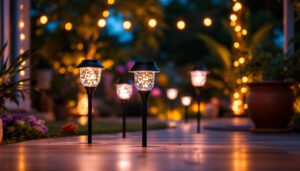
At their core, solar bulbs integrate photovoltaic technology to convert sunlight into electrical energy, which is then stored in batteries and used to power LED bulbs during nighttime. This self-contained system eliminates the need for traditional electrical wiring, making solar bulbs particularly advantageous for homes in remote areas or those aiming to reduce their carbon footprint.
Lighting contractors should be aware that solar bulbs vary widely in terms of brightness, battery capacity, and durability. Selecting the right product requires a thorough assessment of the client’s lighting needs, geographic location, and exposure to sunlight. Additionally, understanding the installation process and maintenance requirements is crucial for ensuring long-term performance.
Key Components of Solar Bulbs
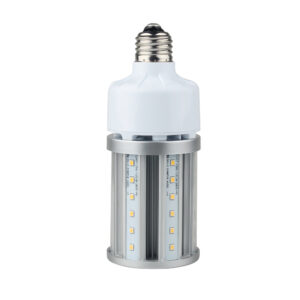
Solar bulbs typically consist of three main components: the solar panel, the rechargeable battery, and the LED light source. The solar panel captures sunlight and converts it into electrical energy, which is stored in the battery. The LED bulb then uses this stored energy to provide illumination when it gets dark.
High-quality solar panels are usually made from monocrystalline or polycrystalline silicon, each offering different efficiencies and costs. Monocrystalline panels tend to be more efficient but also more expensive. Batteries are commonly lithium-ion or sealed lead-acid types, with lithium-ion preferred for their longer lifespan and lighter weight.
Another critical aspect for lighting contractors is understanding the environmental factors that can influence the performance of solar bulbs. For instance, regions with frequent cloud cover or shorter daylight hours may require more robust systems with larger battery capacities to ensure adequate lighting during the night. Additionally, the angle and placement of solar panels can significantly affect their efficiency; panels should ideally be installed in locations that receive direct sunlight for the longest duration throughout the day. This knowledge can help contractors advise clients on optimal installation sites and configurations.
Moreover, advancements in solar technology have led to the development of smart solar bulbs that can be controlled via mobile applications. These innovative products allow users to adjust brightness levels, set timers, and even monitor energy consumption from their smartphones. For lighting contractors, being informed about these smart options can enhance service offerings and attract tech-savvy clients who are looking for modern, integrated solutions for their homes.
Common Questions from Lighting Contractors About Solar Bulbs
Lighting contractors often encounter a range of questions from clients and themselves when considering solar bulbs for home installations. Addressing these inquiries with accurate information helps build trust and ensures successful project outcomes.
How Bright Are Solar Bulbs Compared to Traditional Bulbs?
One of the most frequent questions concerns the brightness of solar bulbs. Solar bulbs typically use LED technology, which is highly efficient and capable of producing brightness levels comparable to traditional incandescent or CFL bulbs while consuming significantly less energy.
Brightness is measured in lumens, and solar bulbs can range from 100 lumens for small night lights to over 1000 lumens for more powerful fixtures. Contractors should evaluate the lumen requirements based on the room size and intended use. For example, a living room may require 800 to 1200 lumens, while a hallway or porch might only need 200 to 400 lumens. Additionally, it’s important to consider the color temperature of the light, which can affect the ambiance of a space. Solar bulbs are available in various color temperatures, from warm white (around 2700K) to cool white (5000K or higher), allowing contractors to tailor the lighting to match the aesthetic preferences of their clients.
What Are the Installation Challenges and Considerations?
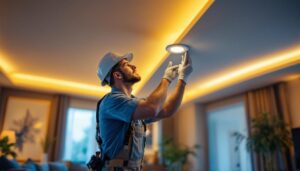
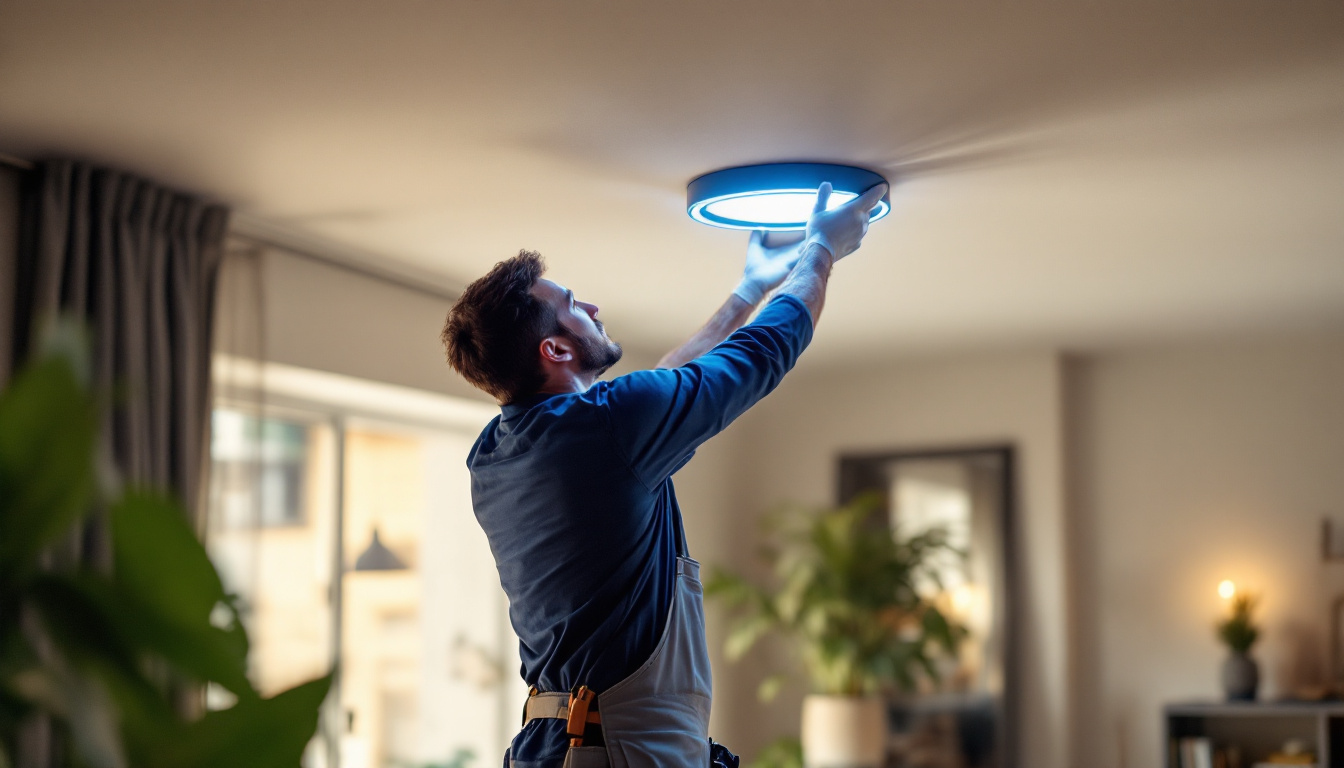
Installing solar bulbs differs from traditional lighting installations primarily because of the solar panel and battery components. Proper placement of the solar panel is critical; it must receive adequate direct sunlight throughout the day to fully charge the battery.
Contractors should evaluate the home’s orientation, shading from trees or buildings, and roof type before installation. Panels are often mounted on roofs, walls, or poles, and the wiring must connect the panel to the bulb’s battery unit securely. Additionally, weatherproofing is essential to protect components from moisture and extreme temperatures. It’s also worth noting that the installation process may vary based on the specific model of the solar bulb; some systems may require more intricate setups, including multiple panels or integrated smart technology. Contractors should familiarize themselves with the manufacturer’s guidelines to ensure a seamless installation that maximizes efficiency and performance.
How Long Do Solar Bulbs Last?
The lifespan of solar bulbs depends on the quality of the components and maintenance. LED bulbs themselves can last up to 25,000 to 50,000 hours, which translates to several years of use. Batteries, however, typically have a shorter lifespan, ranging from 2 to 5 years depending on the type and usage patterns.
Lighting contractors should advise clients on the importance of battery maintenance and replacement schedules to maintain optimal performance. Some advanced solar bulbs come with smart battery management systems that prolong battery life and provide status indicators. Furthermore, the overall durability of solar bulbs can be influenced by environmental factors such as temperature extremes and exposure to harsh weather conditions. Contractors may also want to consider recommending solar bulbs with robust housing materials designed to withstand outdoor elements, ensuring longevity and reliability in various climates. Regular cleaning of the solar panels can also enhance efficiency, as dirt and debris can significantly reduce their ability to capture sunlight.
Technical Specifications and Performance Metrics
For lighting contractors, understanding the technical specifications of solar bulbs is vital for making informed recommendations and ensuring installations meet client expectations.
Battery Capacity and Charging Time
Battery capacity, measured in milliampere-hours (mAh) or watt-hours (Wh), determines how long a solar bulb can operate without sunlight. Larger batteries provide longer illumination but increase the unit’s size and cost.
Charging time depends on solar panel efficiency and sunlight availability. On average, solar bulbs require 6 to 8 hours of direct sunlight to fully charge, enabling 8 to 12 hours of light output. Contractors should consider seasonal variations and geographic location when estimating performance.
Durability and Weather Resistance
Solar bulbs installed outdoors must withstand various weather conditions, including rain, wind, and temperature fluctuations. Look for products with an IP (Ingress Protection) rating of at least IP65, indicating protection against dust and water jets.
Materials such as UV-resistant plastics and corrosion-resistant metals enhance durability. Proper sealing and mounting techniques also prevent water ingress and mechanical damage.
Integration with Smart Home Systems
Modern solar bulbs increasingly feature smart technology compatibility, allowing homeowners to control lighting via mobile apps or voice assistants. For lighting contractors, this presents an opportunity to offer advanced solutions that enhance user convenience and energy management.
Smart solar bulbs may include features like dimming, scheduling, motion sensors, and remote monitoring of battery status. Ensuring compatibility with existing home automation systems is an important consideration during installation.
Benefits and Limitations of Solar Bulbs in Residential Settings
Solar bulbs offer several advantages that appeal to homeowners, but they also come with limitations that lighting contractors should communicate clearly.
Advantages
- Energy Savings: Solar bulbs reduce electricity bills by harnessing free solar energy.
- Ease of Installation: Without the need for wiring, installations are faster and less invasive.
- Environmentally Friendly: Solar lighting reduces carbon emissions and reliance on fossil fuels.
- Backup Lighting: Solar bulbs can provide illumination during power outages, enhancing home safety.
Limitations
- Dependence on Sunlight: Performance can be affected by weather and geographic location.
- Initial Cost: Higher upfront investment compared to conventional bulbs, though offset by long-term savings.
- Battery Lifespan: Batteries require periodic replacement, adding to maintenance costs.
- Brightness Constraints: May not be suitable for all lighting needs, particularly high-intensity applications.
Best Practices for Lighting Contractors When Working with Solar Bulbs
To maximize client satisfaction and system performance, lighting contractors should adopt best practices tailored to solar bulb installations.
Conduct a Comprehensive Site Assessment
Evaluating sunlight exposure, potential shading, and mounting options ensures the solar panel receives optimal sunlight. This assessment should include considerations for seasonal changes and local climate conditions.
Educate Clients on Usage and Maintenance
Clients should understand how to operate solar bulbs effectively, including positioning solar panels, cleaning them regularly, and recognizing when batteries need replacement. Providing written guidelines or demonstrations can enhance user experience.
Choose Quality Products from Reputable Manufacturers
Investing in high-quality solar bulbs with proven performance records reduces the likelihood of failures and callbacks. Contractors should verify product certifications, warranties, and customer reviews before procurement.
Plan for Future Upgrades and Scalability
Designing systems that allow for easy expansion or integration with smart home technologies adds value to the installation. Flexible wiring and modular components facilitate future upgrades without extensive rework.
Conclusion: Empowering Lighting Contractors with Solar Bulb Expertise
Solar bulbs represent a forward-thinking solution for residential lighting that aligns with growing environmental awareness and energy efficiency goals. For lighting contractors, mastering the technical, practical, and client communication aspects of solar bulb installations is key to leveraging this technology successfully.
By addressing common questions, understanding product specifications, and implementing best practices, contractors can confidently recommend and install solar bulbs that meet diverse homeowner needs. This expertise not only enhances professional credibility but also contributes to a more sustainable built environment.
Illuminate Your Projects with LumenWholesale
Ready to elevate your lighting installations with the efficiency and sustainability of solar bulbs? LumenWholesale is here to support your endeavors with a vast array of top-quality, spec-grade lighting products at unbeatable wholesale prices. Say goodbye to local distributor markups and hello to superior lighting solutions that meet the highest industry standards. With our hassle-free bulk buying and free shipping, you can ensure your projects shine brightly while enjoying the best value. Discover the ideal fusion of quality, affordability, and convenience for all your lighting needs. Visit LumenWholesale today and take the first step towards a brighter, more sustainable future.