Understanding the Importance of Indoor Staircase Lighting
Indoor staircase lighting is more than just an aesthetic choice; it plays a crucial role in safety, functionality, and enhancing the overall ambiance of a space. For lighting contractors, mastering the nuances of staircase lighting means delivering solutions that not only illuminate but also complement architectural design and meet client expectations.
Staircases are high-traffic areas prone to accidents if not properly lit. According to safety experts, inadequate lighting contributes significantly to falls and injuries on stairs, which are among the most common household accidents. Therefore, effective lighting design is essential to reduce hazards and improve visibility. Utilizing a combination of ambient, task, and accent lighting can create a well-rounded approach that ensures every step is clearly visible, reducing the risk of accidents. Moreover, the strategic placement of lights can help guide individuals safely through the space, especially in homes with multiple levels or in commercial settings where foot traffic is high.
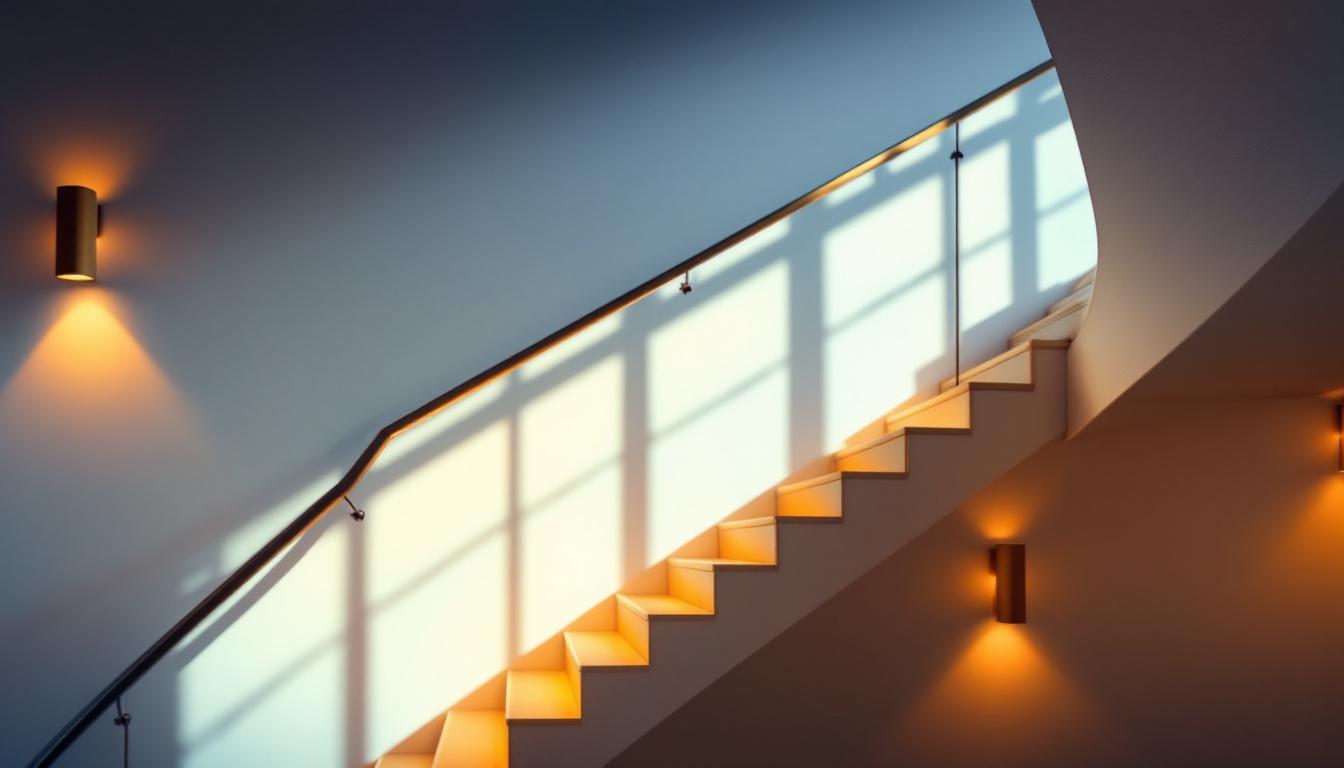
Beyond safety, well-designed staircase lighting can transform an ordinary stairwell into a striking focal point. It can highlight architectural details, create mood lighting, and seamlessly integrate with other lighting elements in the home or commercial space. For instance, using LED strip lights along the edges of steps not only enhances visibility but also adds a modern touch to the design. Additionally, pendant lights or wall sconces can be installed to draw attention to the staircase, making it an integral part of the overall interior aesthetic. Understanding these factors is key for contractors aiming to provide comprehensive lighting solutions. Furthermore, incorporating smart lighting technology allows homeowners to control the intensity and color of the lights, adapting the atmosphere to suit different occasions, from warm and inviting for family gatherings to bright and energizing for a busy morning rush.
Types of Indoor Staircase Lighting and Their Applications
Ambient Lighting
Ambient lighting provides general illumination for the stairwell, ensuring the entire area is well-lit. This can be achieved through ceiling-mounted fixtures, recessed lights, or wall sconces positioned strategically to avoid shadows and dark spots.
For contractors, selecting ambient lighting involves considering the size and shape of the staircase, ceiling height, and the existing natural light. LED downlights are popular due to their energy efficiency and long lifespan, offering uniform light distribution without glare. Additionally, the color temperature of the ambient lighting plays a crucial role in setting the mood of the space; warmer tones can create a cozy atmosphere, while cooler tones can lend a more modern and spacious feel. Incorporating dimmer switches can further enhance flexibility, allowing homeowners to adjust the brightness according to the time of day or occasion.
Accent Lighting
Accent lighting is used to emphasize architectural features such as handrails, balusters, or decorative wall textures. This type of lighting adds depth and visual interest, often creating a dramatic effect that enhances the staircase’s aesthetic appeal.
Common accent lighting options include LED strip lights installed under handrails or along the edges of stairs, and directional spotlights aimed at artwork or textured walls adjacent to the staircase. Contractors should ensure that accent lights are subtle yet effective, avoiding overpowering the ambient light. Moreover, the placement of accent lighting can be tailored to highlight unique design elements, such as a beautifully crafted wooden banister or an intricate mural. By using color-changing LED fixtures, homeowners can also customize the ambiance for different occasions, making the staircase a dynamic feature of their home.
Task Lighting
Task lighting focuses on illuminating specific areas to facilitate safe movement. On staircases, this means lighting each tread and riser clearly to prevent trips and falls. Step lights embedded into the wall or risers are effective solutions.
LED step lights with motion sensors are increasingly popular, providing illumination only when needed, which conserves energy and adds convenience. For contractors, integrating task lighting requires precise measurements and careful wiring to maintain safety standards and aesthetic consistency. Additionally, using light fixtures that blend seamlessly with the staircase design can enhance the overall look while ensuring functionality. For example, recessed lighting can be installed within the risers or along the staircase edges, providing a sleek and unobtrusive way to ensure safety without compromising style. Furthermore, incorporating smart lighting technology allows homeowners to control task lighting remotely, adding an extra layer of convenience and modernity to their stairwell.
Key Considerations for Lighting Contractors
Safety Compliance and Standards
Lighting contractors must prioritize compliance with local building codes and safety standards when installing staircase lighting. These regulations often specify minimum illumination levels, fixture placement, and wiring requirements to ensure occupant safety.
For instance, the Illuminating Engineering Society (IES) recommends a minimum of 100 lux on stair treads for safe navigation. Contractors should use light meters during installation to verify compliance and adjust lighting as needed.
Energy Efficiency and Sustainability
With growing emphasis on sustainable building practices, energy-efficient lighting solutions are a top priority. LED technology dominates the market due to its low power consumption, long lifespan, and reduced heat output.
Contractors should also consider integrating smart lighting controls such as dimmers, timers, and occupancy sensors. These technologies optimize energy use by adjusting lighting levels based on natural light availability and occupancy, aligning with green building certifications and client preferences.
Material and Fixture Selection
The choice of materials and fixtures greatly influences both the performance and aesthetics of staircase lighting. Durable, moisture-resistant materials are essential, especially in high-traffic or humid environments.
Fixtures should complement the interior design style, whether modern, traditional, or industrial. For example, brushed nickel or matte black finishes are popular in contemporary settings, while brass or bronze fixtures suit classic interiors. Lighting contractors must balance functionality with design to meet client expectations.
Innovative Lighting Technologies for Staircases
LED Strip Lighting
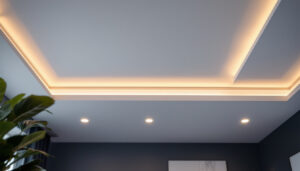
LED strip lighting has revolutionized staircase illumination by offering flexibility, ease of installation, and customizable effects. These strips can be concealed under handrails, along stair nosings, or within recessed channels to provide continuous, uniform light.
Color temperature options ranging from warm white to cool white allow contractors to tailor the lighting ambiance. Additionally, RGB LED strips enable dynamic color changes, ideal for commercial spaces or high-end residential projects seeking a unique look.
Smart Lighting Systems
Smart lighting integrates with home automation systems, allowing remote control via smartphones or voice assistants. For staircases, smart systems can automate lighting based on time of day, occupancy, or ambient light levels, enhancing convenience and safety.
Contractors installing smart staircase lighting should ensure compatibility with existing systems and provide clients with clear instructions for operation and troubleshooting. The added value of smart technology often justifies the initial investment for clients.
Motion-Activated Lighting
Motion sensors are particularly effective in staircase lighting, activating lights only when movement is detected. This feature enhances safety and reduces energy consumption by eliminating unnecessary lighting.
Modern motion sensors are highly sensitive and can be adjusted for detection range and delay time. Contractors must position sensors carefully to avoid false triggers from pets or adjacent rooms, ensuring reliable performance.
Design Tips and Best Practices for Effective Staircase Lighting
Layering Light for Depth and Functionality
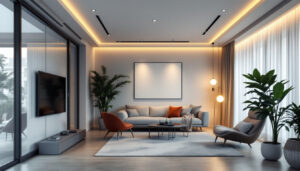
A layered lighting approach combines ambient, accent, and task lighting to create a balanced and functional environment. Contractors should design lighting schemes that allow each layer to complement the others without causing glare or shadows.
For example, ambient ceiling lights provide overall illumination, while step lights enhance safety, and accent lights add visual interest. This multi-layered strategy ensures the staircase is both practical and aesthetically pleasing.
Choosing the Right Color Temperature
Color temperature significantly impacts the mood and perception of space. Warm white light (2700K–3000K) creates a cozy and inviting atmosphere, suitable for residential staircases. Cooler temperatures (3500K–4100K) offer a more neutral, energetic feel, often preferred in commercial or modern settings.
Lighting contractors should consider the client’s preferences and the surrounding décor when selecting color temperature, as well as the function of the staircase within the overall space.
Minimizing Glare and Shadows
Glare and shadows can compromise safety and comfort. To minimize these issues, contractors should use fixtures with diffusers or indirect lighting techniques. Positioning lights at appropriate angles and heights helps distribute light evenly across steps and walls.
Testing the lighting setup during installation, preferably at night or in low-light conditions, allows contractors to identify and correct problematic areas before project completion.
Common Challenges and Solutions in Staircase Lighting Installation
Wiring Constraints and Accessibility
Staircases often present wiring challenges due to limited space and complex architecture. Contractors must plan wiring routes carefully to avoid damage to structural elements and ensure accessibility for maintenance.
Using low-voltage LED systems can simplify wiring and reduce the need for extensive conduit work. Wireless lighting controls also offer solutions where wiring is impractical, though they require reliable signal coverage.
Balancing Aesthetics with Practicality
Clients may desire visually striking lighting effects that can sometimes conflict with safety or energy efficiency. Contractors need to educate clients on the importance of functional lighting while exploring creative solutions that satisfy both aesthetic and practical requirements.
Mock-ups or digital renderings can help clients visualize the final result and make informed decisions, reducing the risk of dissatisfaction or costly revisions.
Maintenance and Durability Concerns
Staircase lighting fixtures are subject to wear and tear, especially in commercial or high-traffic residential settings. Selecting durable materials and easy-to-maintain designs helps prolong the life of the installation.
Contractors should advise clients on routine maintenance practices, such as cleaning fixtures and checking electrical connections, to ensure consistent performance and safety over time.
Conclusion: Delivering Excellence in Staircase Lighting
For lighting contractors, indoor staircase lighting represents a unique opportunity to blend safety, functionality, and design innovation. By understanding the different types of lighting, adhering to safety standards, and leveraging modern technologies, contractors can create lighting solutions that enhance both the usability and beauty of staircases.
Successful projects require careful planning, clear communication with clients, and attention to detail during installation. With these elements in place, staircase lighting can become a standout feature that elevates the entire interior environment.
Illuminate Your Projects with LumenWholesale
Ready to elevate your staircase lighting projects with the perfect blend of safety, functionality, and design? At LumenWholesale, we provide lighting contractors with the highest quality, spec-grade lighting products at unbeatable wholesale prices. Say goodbye to inflated markups and hello to a vast selection of reliable, high-performance lighting that meets the highest industry standards. Plus, with free shipping on bulk orders, you can enjoy premium lighting solutions at the best value — all without hidden fees or compromises. Don’t miss out on the quality, affordability, and convenience that LumenWholesale offers. Wholesale Lighting at the Best Value is just a click away!