Misjudging Scale and Proportion
One of the most frequent errors lighting contractors make when installing round light pendants is misjudging the size relative to the space. A pendant that’s too large can overwhelm a room, while one that’s too small may fail to provide adequate illumination or visual impact.
Consider a dining area with a long table. Installing a single oversized round pendant right in the center might look awkward, especially if the ceiling height is low. Conversely, a tiny pendant in a spacious foyer will seem out of place and underwhelming. It’s essential to balance the pendant’s diameter with the room’s dimensions and ceiling height.
Lighting professionals often rely on rules of thumb—such as combining the room’s length and width in feet and converting that number into inches for the fixture diameter—but these guidelines don’t replace a careful, site-specific assessment. Visualizing the pendant’s scale in the actual space, or using mock-ups, can prevent costly mistakes.
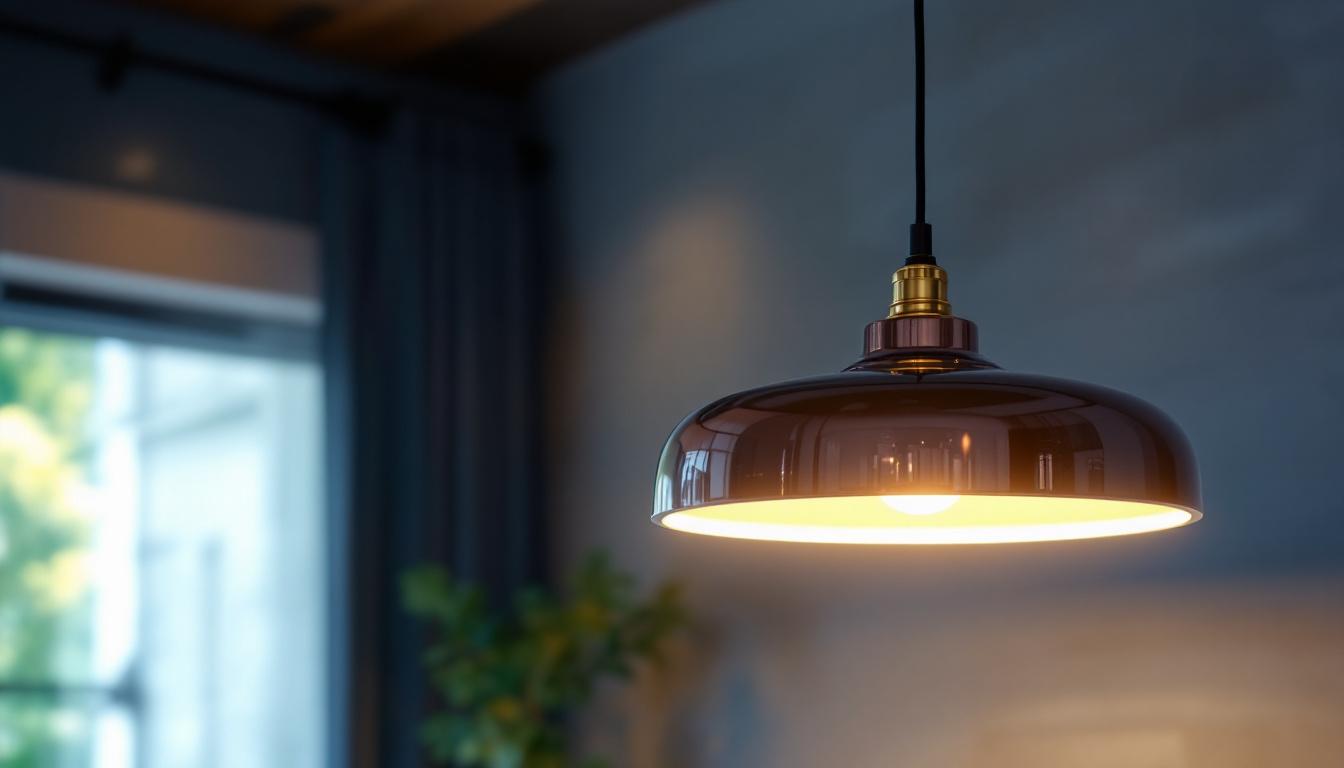
Moreover, the material and design of the pendant also play a crucial role in how it interacts with the surrounding space. For instance, a sleek, modern pendant made of glass can create an illusion of more space, making it suitable for smaller rooms, while a rustic metal pendant might add character and warmth to a larger, more open area. The finish of the pendant can also reflect light differently, impacting the overall ambiance and perceived size of the room. Therefore, it’s vital to consider not just the size, but also the style and material of the pendant to ensure it complements the existing decor and enhances the room’s aesthetic.
Additionally, the placement of the pendant is just as important as its size. A pendant hung too high may not provide sufficient light for tasks such as reading or dining, while one hung too low can obstruct views and create a cramped feel. A general guideline is to hang pendants approximately 30 to 36 inches above a dining table, but this can vary based on the overall design and function of the space. Taking into account the height of the individuals who will use the space regularly can also inform the ideal height for installation, ensuring both practicality and style are achieved.
Overlooking the Importance of Suspension Height
Another common pitfall is incorrect suspension height. The distance between the pendant and the surface below influences both function and aesthetics.
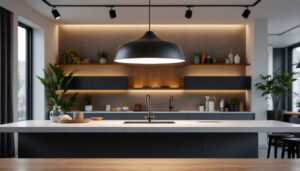
For example, in kitchen islands or dining tables, pendants should typically hang 28 to 34 inches above the surface to avoid glare and ensure proper task lighting. Hanging the fixture too high reduces its effectiveness, while too low can obstruct views and create discomfort.
In commercial or open spaces, the height varies more widely depending on ceiling height and the pendant’s size. Contractors sometimes fail to adjust the suspension length accordingly, leading to fixtures that feel out of place or interfere with movement.
Moreover, the choice of pendant style can also dictate the optimal suspension height. For instance, larger, more ornate fixtures may require additional clearance to allow their design to shine without overwhelming the space. Conversely, minimalist designs can often be hung slightly lower to create an intimate atmosphere without cluttering the visual field. This balance is crucial in settings like restaurants or cafes, where ambiance plays a significant role in the overall dining experience.
Additionally, the type of light bulb used in the pendant can impact how height should be considered. LED bulbs, known for their directional lighting, may require a lower suspension height to maximize their effectiveness, while incandescent bulbs, which emit light in all directions, might be more forgiving. Understanding these nuances is essential for achieving the desired lighting effect and ensuring that the space feels cohesive and well-designed.
Neglecting Wiring and Electrical Compatibility
Round light pendants often come with specific wiring requirements. A frequent mistake is assuming all pendants fit standard junction boxes or that existing wiring is compatible.
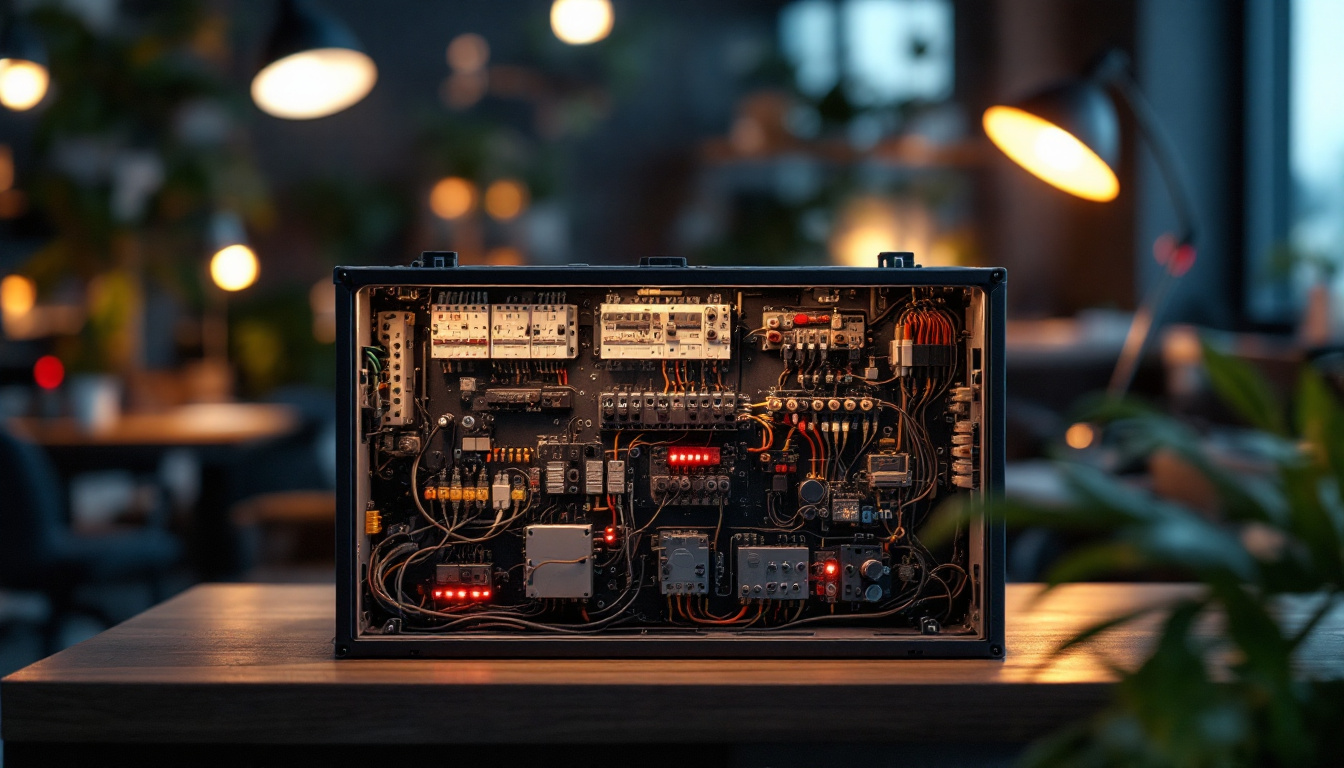
Some round pendants are heavier or have unique mounting hardware, requiring reinforced supports or specialized junction boxes. Ignoring these factors can compromise safety and longevity. Additionally, the wiring gauge and voltage must match the fixture’s specifications to prevent electrical hazards.
Before installation, contractors should verify the pendant’s weight, mounting method, and electrical requirements. Consulting manufacturer instructions and local electrical codes is critical. Skipping this step can lead to rework, increased liability, or even fire risks.
Moreover, the aesthetic appeal of round light pendants can sometimes overshadow practical considerations. While a stunning fixture can elevate a room’s design, it is essential to ensure that the chosen pendant not only complements the decor but also adheres to safety standards. For instance, a pendant that is too large for a small room may not only look out of place but could also pose a risk if it is improperly supported. The balance between style and safety is paramount in any lighting installation.
Additionally, the type of bulb used in the pendant can significantly impact energy consumption and overall performance. LED bulbs, for example, offer a longer lifespan and lower energy costs compared to traditional incandescent bulbs. However, not all pendants are compatible with LED technology, which can lead to flickering or reduced brightness. Therefore, it is crucial to consider the light source during the planning phase, ensuring that the chosen bulb type aligns with the fixture’s specifications and intended use. This attention to detail can enhance the functionality and efficiency of the lighting system, providing both beauty and practicality in the space.
Failing to Coordinate with Interior Design
Lighting contractors sometimes focus solely on technical installation and overlook how the pendant integrates with the room’s style and function.
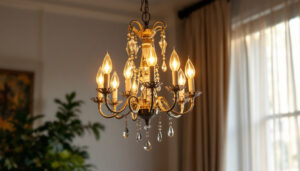
Round pendants come in a vast array of finishes, materials, and designs—from sleek, minimalist glass globes to ornate, vintage-inspired fixtures. Installing a modern pendant in a traditionally styled room, or vice versa, can disrupt the overall aesthetic.
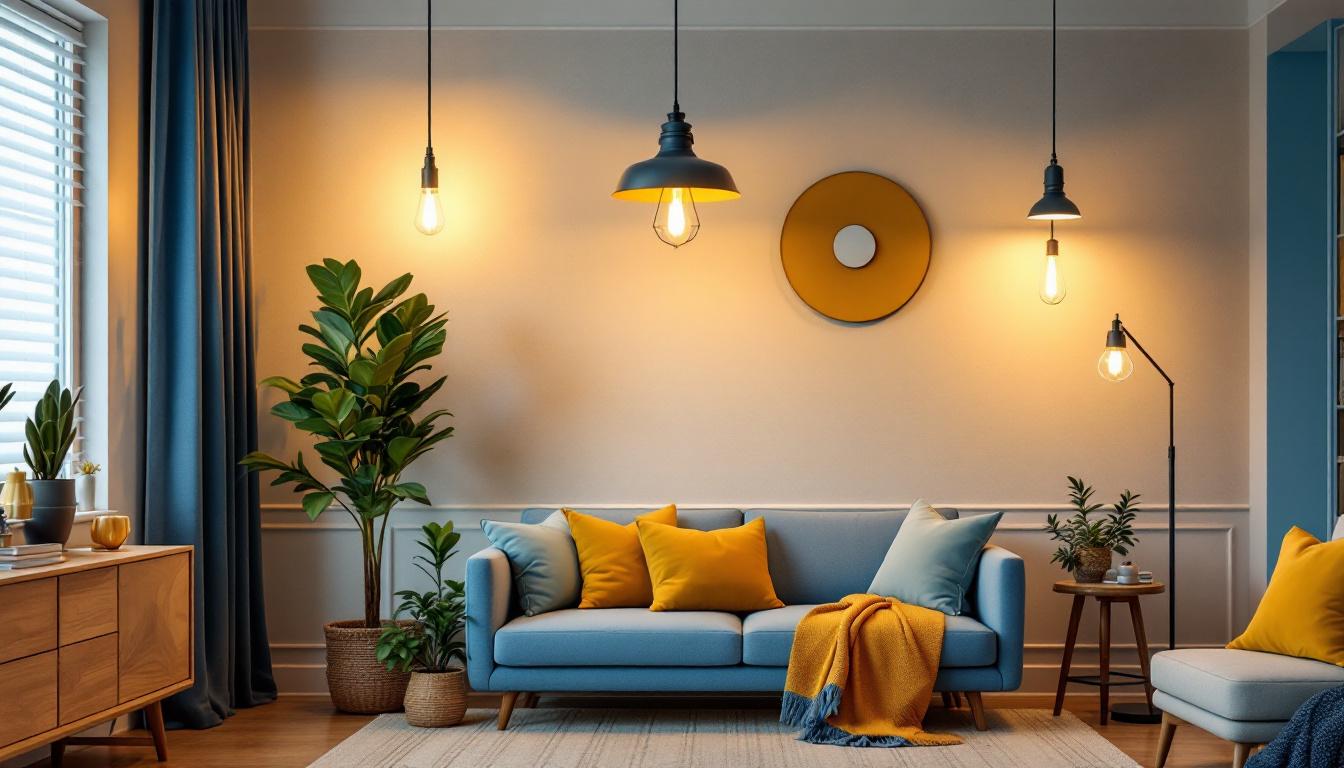
Collaborating with interior designers or clients early in the process helps ensure the pendant complements furniture, wall colors, and other elements. This coordination also influences the choice of bulb color temperature and brightness, which affect ambiance.
Moreover, the scale of the pendant is crucial; a large, bold fixture can serve as a stunning focal point in a spacious dining area, while a smaller, more delicate pendant might be better suited for a cozy nook. The height at which the pendant is hung also plays a significant role in its visual impact and functionality. For example, hanging a pendant too low can obstruct sight lines and create an awkward atmosphere, while positioning it too high may diminish its ability to provide adequate lighting.
Additionally, the interplay of light and shadow created by different pendant designs can dramatically alter the mood of a space. Textured or patterned shades can cast intricate designs on walls and ceilings, enhancing the room’s character. Understanding how these elements interact with the overall interior design can elevate the project from a mere installation to a thoughtfully curated environment that reflects the homeowner’s style and enhances their daily experience.
Ignoring Light Distribution and Bulb Selection
Round light pendants can cast light in various ways—diffused, direct, or a combination. Contractors sometimes neglect how the fixture’s design affects light distribution, leading to uneven illumination or unwanted shadows.
For instance, a pendant with an opaque globe may provide soft, ambient light but insufficient task lighting. Conversely, a clear glass pendant might cause glare if the bulb isn’t properly chosen or shielded.
Selecting the right bulbs—LED, halogen, or incandescent—with appropriate wattage and color temperature is crucial. LEDs are preferred for energy efficiency and longevity, but the bulb’s shape and brightness must suit the pendant’s design and the room’s needs.
Moreover, the color temperature of the bulb can significantly influence the atmosphere of a space. Warmer tones (around 2700K) can create a cozy and inviting environment, ideal for living rooms or dining areas, while cooler tones (above 4000K) are better suited for workspaces, promoting alertness and focus. This aspect of bulb selection is often overlooked, yet it plays a vital role in how occupants perceive and interact with the space.
Additionally, the height at which a pendant is hung can also impact light distribution. A pendant hung too low may obstruct views and create harsh shadows, while one hung too high may fail to provide adequate illumination for tasks. It’s essential to consider both the functional and aesthetic aspects of pendant lighting, ensuring that the fixture not only complements the room’s decor but also meets the practical lighting needs of its users.
Overlooking Maintenance and Accessibility
Maintenance is often an afterthought, yet it’s vital for long-term satisfaction. Round pendants installed in hard-to-reach areas or with complicated assembly can frustrate clients when bulbs need replacement or cleaning.
Lighting contractors should evaluate how easy it is to access the fixture post-installation. Choosing pendants with removable globes or accessible bulbs simplifies upkeep. Additionally, advising clients on cleaning methods and bulb replacement schedules adds value and reduces service calls.
Skipping Proper Documentation and Client Communication
Clear documentation and communication are sometimes neglected. Lighting contractors may install round pendants without providing clients with fixture specifications, warranty information, or maintenance instructions.
Clients appreciate transparency about what was installed, how to operate dimmers or smart controls, and whom to contact for support. Providing a simple, organized packet or digital file with this information builds trust and prevents confusion.
Conclusion: Avoiding Common Pitfalls for Successful Installations
Round light pendants can transform a space, but their installation requires careful attention to scale, suspension height, electrical compatibility, design coordination, light distribution, maintenance, and communication. Lighting contractors who address these factors thoroughly avoid costly mistakes, enhance client satisfaction, and deliver professional results.
Taking the time to plan installations with these considerations in mind not only improves the visual and functional outcome but also reinforces the contractor’s reputation for quality and expertise.
Illuminate Your Projects with LumenWholesale
Ready to elevate your lighting installations with the finest products on the market? At LumenWholesale, we provide lighting contractors with exceptional, spec-grade lighting solutions at unbeatable wholesale prices. Say goodbye to inflated costs from middlemen and hello to a vast selection of premium lighting that meets rigorous industry standards. With free shipping on bulk orders, you can trust that you’re getting the best value without any hidden fees. Enhance your projects with reliable, high-performance lighting and enjoy the convenience that comes with partnering with LumenWholesale. Take the first step towards flawless installations and explore our Wholesale Lighting at the Best Value today.