Understanding the Importance of Efficient Lighting
In the realm of home improvement, lighting is often an overlooked aspect that can significantly impact both aesthetics and functionality. Efficient lighting not only enhances the ambiance of a space but also contributes to energy savings and sustainability. For lighting contractors, understanding how to optimize fixtures is crucial for delivering value to clients. The right lighting can transform a room, highlighting architectural features, creating a sense of warmth, and even influencing mood and productivity. This makes it imperative for contractors to stay informed about the latest trends and technologies in lighting design.
When considering light fixtures, it’s essential to evaluate the types available, their energy consumption, and the specific needs of each space. This knowledge allows contractors to recommend solutions that not only meet design preferences but also adhere to energy efficiency standards. Additionally, understanding the color temperature of light can further enhance the effectiveness of lighting choices. Warmer tones can create a cozy atmosphere in living areas, while cooler tones are often more suitable for workspaces, promoting focus and clarity.
Types of Light Fixtures
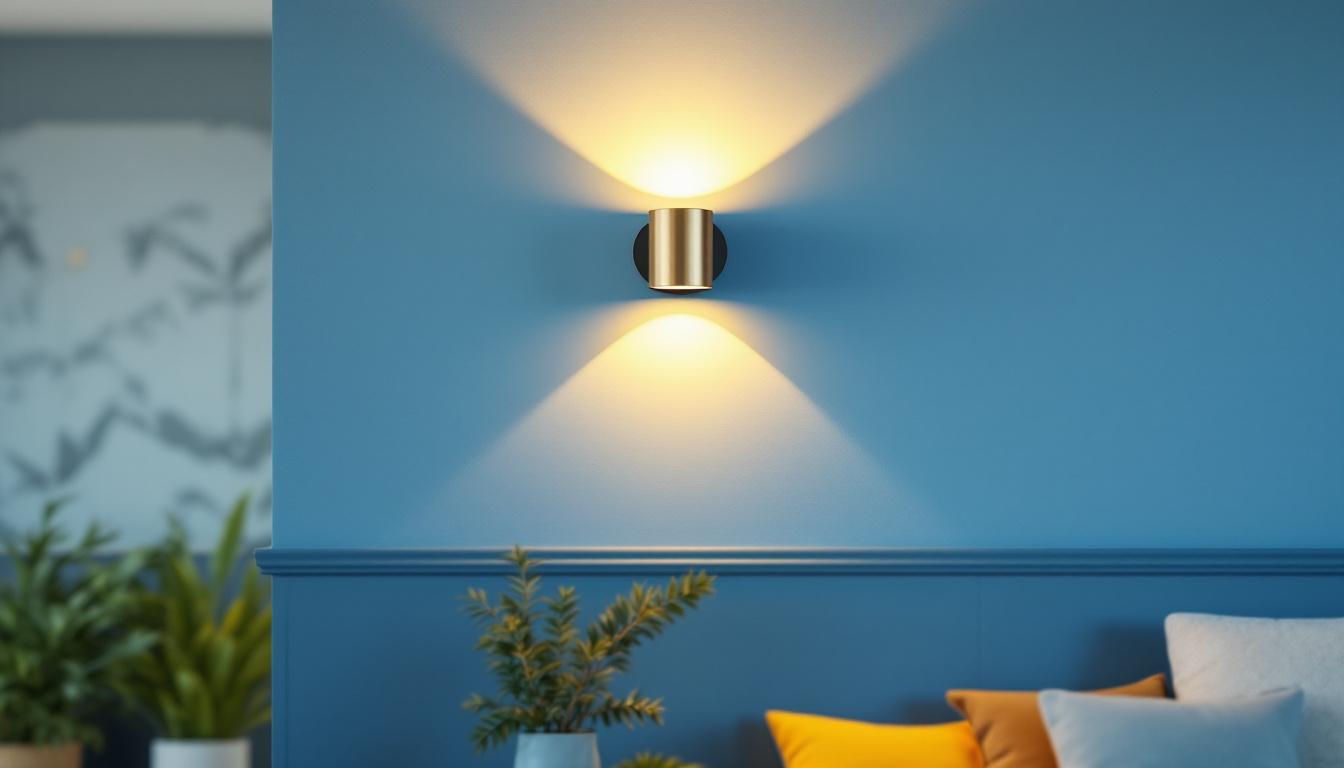
Home Depot offers a diverse range of light fixtures, including recessed lighting, pendant lights, chandeliers, and wall sconces. Each type serves a unique purpose and can be utilized to achieve different lighting effects. For example, recessed lighting is ideal for creating a clean and modern look, while pendant lights can serve as a focal point in dining areas. Furthermore, track lighting can be an excellent option for showcasing artwork or architectural details, allowing homeowners to direct light precisely where it is needed.
Understanding the characteristics of each fixture type is essential for optimizing lighting. For instance, LED fixtures are known for their longevity and low energy consumption, making them a preferred choice for many homeowners. On the other hand, traditional incandescent bulbs, while warm and inviting, consume more energy and have a shorter lifespan. Moreover, smart lighting systems are becoming increasingly popular, allowing users to control their lighting through mobile apps or voice commands. These systems not only enhance convenience but also enable homeowners to customize their lighting based on their daily routines or special occasions.
Energy Efficiency and Sustainability
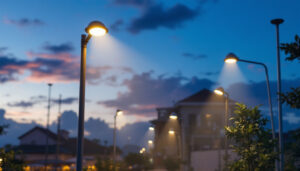
Energy efficiency is a critical consideration for modern lighting solutions. The shift towards LED technology has revolutionized the industry, offering a sustainable alternative to traditional lighting. LEDs consume significantly less energy and have a longer lifespan, which translates to reduced replacement costs and lower electricity bills. Additionally, advancements in solar-powered lighting options are making it possible for homeowners to harness renewable energy for outdoor spaces, further promoting sustainability.
Contractors should educate clients on the benefits of energy-efficient lighting. Not only does it contribute to environmental sustainability, but it can also qualify homeowners for energy rebates and incentives. By promoting energy-efficient options, contractors can position themselves as knowledgeable and responsible professionals in the industry. Furthermore, as consumers become increasingly eco-conscious, showcasing a commitment to sustainable practices can enhance a contractor’s reputation and attract a broader clientele. Engaging clients in discussions about the long-term benefits of energy-efficient lighting can lead to more informed decisions and ultimately, more satisfied customers.
Choosing the Right Light Fixtures for Different Spaces
Selecting appropriate light fixtures for various spaces within a home is crucial for achieving optimal lighting. Different areas have distinct requirements based on their function, size, and design. Understanding these nuances can help lighting contractors make informed recommendations to their clients.
Living Areas
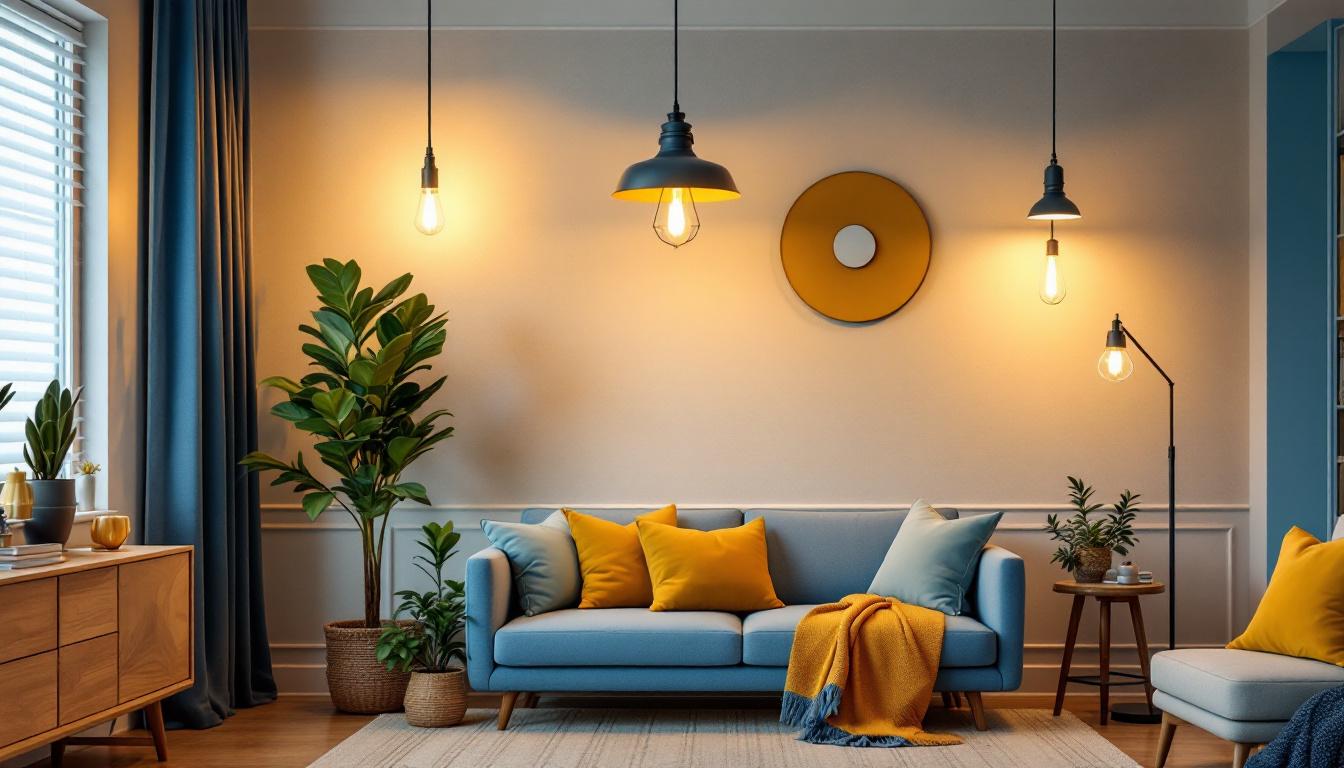
In living areas, the goal is often to create a warm and inviting atmosphere. Layered lighting is an effective strategy, combining ambient, task, and accent lighting. Ambient lighting can be achieved through ceiling fixtures or chandeliers, while floor lamps and table lamps can provide task lighting for reading or other activities.
When selecting fixtures for living spaces, contractors should consider the size of the room and the height of the ceilings. Larger rooms may benefit from multiple light sources to avoid dark corners, while lower ceilings may require flush-mounted fixtures to maximize headroom.
Kitchen and Dining Areas
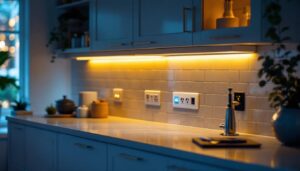
The kitchen is a functional space that requires bright, focused lighting. Pendant lights over islands or countertops can provide task lighting, while under-cabinet lighting enhances visibility for food preparation. In dining areas, a statement chandelier can serve as both a functional light source and a design element.
Contractors should also emphasize the importance of dimmable fixtures in dining spaces. Dimming capabilities allow homeowners to adjust the lighting based on the occasion, creating a more versatile environment.
Bathrooms and Bedrooms
In bathrooms, bright, even lighting is essential for grooming tasks. Sconces flanking mirrors provide flattering light, while overhead fixtures can ensure the entire space is well-lit. Additionally, contractors should recommend fixtures that are rated for damp locations to ensure safety and longevity.
Bedrooms, on the other hand, often benefit from softer, ambient lighting. Ceiling fixtures combined with bedside lamps can create a cozy atmosphere. Incorporating dimmable options can enhance relaxation and promote restful sleep.
Maximizing Efficiency with Smart Lighting Solutions
Smart lighting technology has transformed the way homeowners interact with their lighting systems. By incorporating smart fixtures and controls, contractors can help clients achieve maximum efficiency and convenience.
Smart Bulbs and Fixtures
Smart bulbs can be controlled via smartphone apps or voice commands, allowing homeowners to adjust brightness and color temperature based on their preferences. This flexibility not only enhances the user experience but can also lead to energy savings by enabling users to turn off lights remotely or set schedules.
In addition to smart bulbs, integrated smart fixtures can offer advanced features such as motion sensing and automated dimming. These capabilities can significantly reduce energy consumption by ensuring lights are only on when needed.
Lighting Controls and Automation
Lighting controls, such as dimmers, timers, and occupancy sensors, play a vital role in optimizing energy efficiency. Dimmers allow homeowners to adjust light levels based on the time of day or activity, while timers can automate lighting schedules to ensure lights are off when not in use.
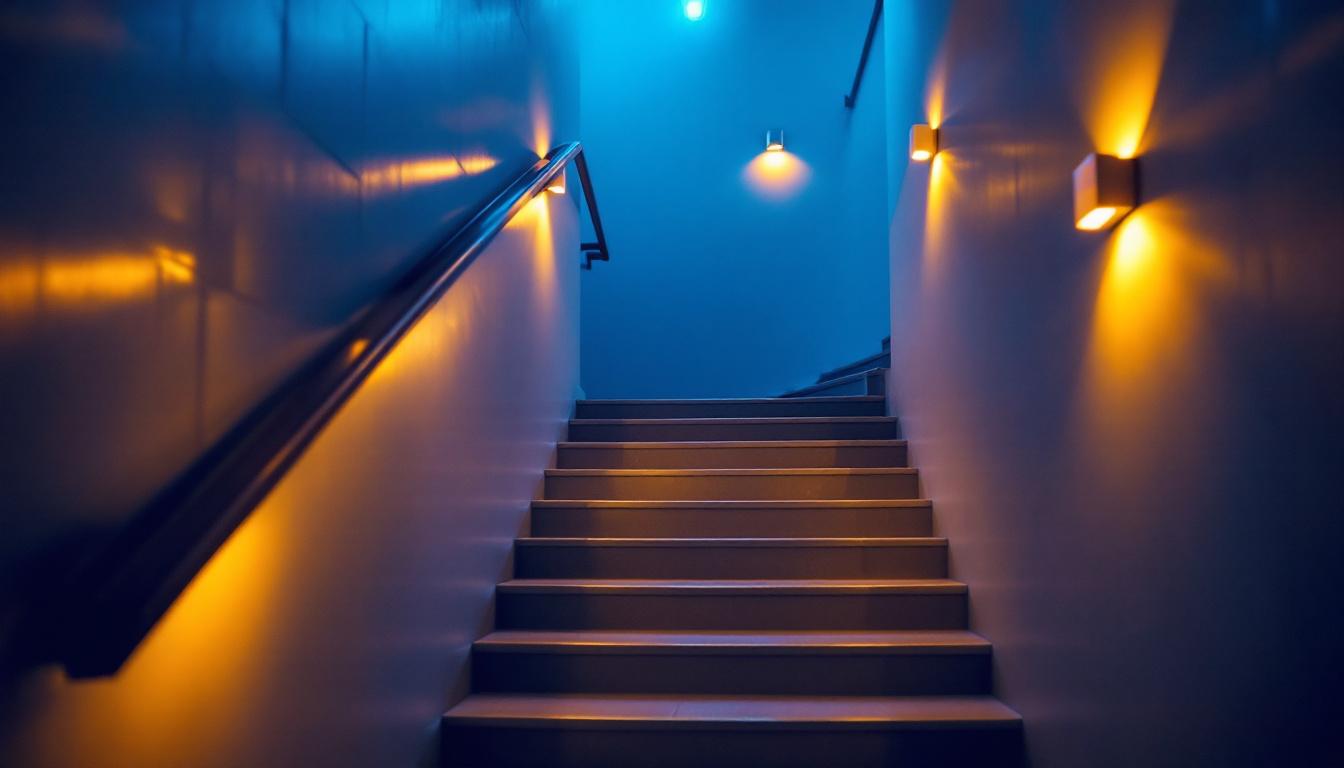
Occupancy sensors are particularly useful in areas like hallways, bathrooms, and garages. By automatically turning lights on and off based on movement, these sensors can prevent energy waste and enhance safety.
Installation Tips for Optimal Performance
Proper installation of light fixtures is essential for achieving optimal performance and efficiency. Contractors should adhere to best practices to ensure that fixtures operate as intended and provide the desired lighting effects.
Placement and Spacing
When installing light fixtures, careful consideration should be given to placement and spacing. For general lighting, fixtures should be evenly distributed throughout the space to avoid shadows and dark spots. In task-oriented areas, such as kitchens or workspaces, fixtures should be positioned to provide direct light where it is needed most.
Contractors should also account for the height of the fixtures. For example, pendant lights should hang at a height that allows for unobstructed views while providing adequate illumination. A general rule of thumb is to hang pendants 30 to 36 inches above countertops or tables.
Wiring and Electrical Considerations
Ensuring proper wiring and electrical connections is crucial for the safety and functionality of light fixtures. Contractors should follow local electrical codes and guidelines when installing fixtures. This includes using the appropriate gauge wire and ensuring that connections are secure.
Additionally, it’s important to consider the load capacity of the circuit. Overloading a circuit can lead to tripped breakers and potential fire hazards. Contractors should calculate the total wattage of all fixtures on a circuit to ensure it remains within safe limits.
Maintaining Light Fixtures for Longevity
Regular maintenance of light fixtures is essential for ensuring their longevity and optimal performance. Contractors should advise clients on proper care techniques to keep their lighting systems in top condition.
Cleaning and Dusting
Dust and grime can accumulate on light fixtures, diminishing their brightness and efficiency. Regular cleaning is necessary to maintain their appearance and functionality. Homeowners should be encouraged to dust fixtures with a soft cloth and clean glass components with appropriate cleaners.
For hard-to-reach fixtures, such as chandeliers, contractors may recommend professional cleaning services to ensure safety and thoroughness.
Bulb Replacement and Upgrades
Over time, light bulbs will need to be replaced, and contractors should educate clients on the signs of bulb failure. Flickering lights, dimming, or complete outages are indicators that it’s time for a replacement. Additionally, homeowners should be informed about the benefits of upgrading to more energy-efficient bulbs when replacements are needed.
Encouraging clients to keep spare bulbs on hand can also minimize downtime and ensure that spaces remain well-lit.
Conclusion: Transforming Spaces with Efficient Lighting
Optimizing light fixtures at Home Depot can significantly enhance the functionality and aesthetic appeal of any home. By understanding the importance of efficient lighting, selecting the right fixtures for different spaces, and incorporating smart technology, lighting contractors can provide exceptional value to their clients.
Proper installation and maintenance further ensure that lighting systems operate at peak efficiency, contributing to energy savings and sustainability. As the demand for efficient lighting solutions continues to grow, contractors who prioritize education and innovation will be well-positioned to thrive in this evolving industry.
In conclusion, the journey towards maximum efficiency in lighting is not merely about selecting the right fixtures; it’s about creating an environment that enhances the quality of life for homeowners while being mindful of energy consumption and sustainability. By embracing these principles, lighting contractors can lead the way in transforming spaces and setting new standards in the industry.
Get Your Premium Lighting Solutions from LumenWholesale
Ready to elevate your lighting projects with efficiency and style? Look no further than LumenWholesale for all your lighting needs. Our extensive selection of spec-grade lighting products is designed to meet the highest industry standards, ensuring that you deliver not just light, but unparalleled reliability and performance to your clients. With unbeatable wholesale prices and the convenience of free shipping on bulk orders, LumenWholesale is your go-to source for premium lighting without the premium price tag. Don’t let middleman markups dim your project’s potential. Choose LumenWholesale and experience the ideal combination of quality, affordability, and convenience. Start transforming spaces with efficient lighting today by visiting Wholesale Lighting at the Best Value.