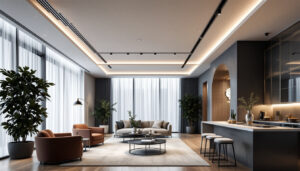
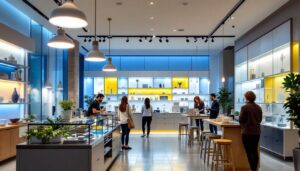
In the dynamic world of restaurant design, lighting plays a pivotal role in creating an inviting atmosphere, enhancing the dining experience, and driving customer satisfaction. For lighting contractors, understanding the unique requirements of restaurant lighting is essential. This guide delves into the various aspects of restaurant lighting, from design principles to practical applications, ensuring that lighting contractors are well-equipped to meet their clients’ needs.
The Importance of Lighting in Restaurants
Lighting is more than just a functional element in restaurants; it sets the mood, influences customer behavior, and can even affect food presentation. A well-lit restaurant can enhance the dining experience, making patrons feel comfortable and encouraging them to linger longer, which often translates to increased sales.
Creating Ambiance
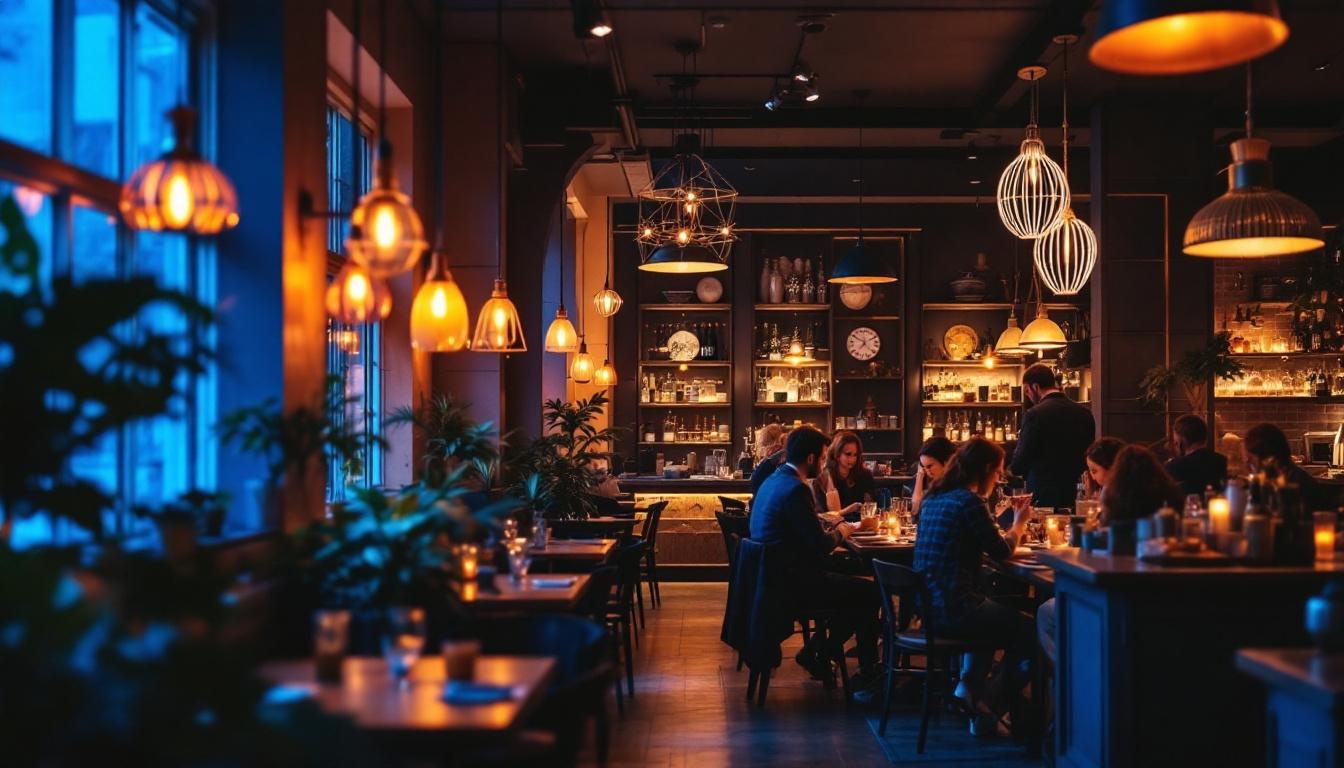
The ambiance of a restaurant is largely dictated by its lighting. Soft, warm lights can create a cozy and intimate atmosphere, ideal for romantic dinners, while brighter, cooler lights may be more suitable for casual dining or family-friendly establishments. Understanding the psychological effects of different lighting temperatures and intensities is crucial for lighting contractors. For instance, studies have shown that dimmer lighting can lead to longer meal durations, as guests feel more relaxed and less rushed. Additionally, the strategic use of colored lighting can evoke specific emotions; for example, a subtle blue hue can create a tranquil environment, while vibrant reds and oranges can stimulate appetite and conversation.
Highlighting Design Elements
Effective lighting can accentuate architectural features, artwork, and decor within a restaurant. Spotlighting unique design elements not only enhances their visibility but also adds depth and character to the space. Lighting contractors should collaborate closely with interior designers to ensure that the lighting complements the overall aesthetic of the restaurant. This collaboration can also extend to the use of dynamic lighting systems that adjust throughout the day, creating a different atmosphere for lunch versus dinner. For example, a bright and airy feel during the day can transition to a warm and inviting glow in the evening, allowing the space to adapt to the time of day and the clientele’s mood.
Enhancing Food Presentation
Food presentation is an art, and lighting plays a significant role in how dishes are perceived. Properly placed lights can make colors pop, highlight textures, and create an appetizing atmosphere. Lighting contractors must consider the placement and type of fixtures to ensure that food looks its best under various lighting conditions. Furthermore, the use of adjustable lighting can allow chefs to showcase seasonal dishes or special menu items effectively, drawing attention to their culinary creations. In addition, the integration of LED technology not only provides energy efficiency but also offers versatility in color temperature, enabling restaurants to tailor their lighting to match the theme of specific events or promotions, thereby enhancing the overall dining experience for guests.
Types of Lighting Used in Restaurants
Restaurants typically employ a mix of different lighting types to achieve the desired effect. Understanding these types allows lighting contractors to make informed decisions when designing lighting plans.
Ambient Lighting
Ambient lighting provides the general illumination needed for visibility in a restaurant. This type of lighting is often achieved through ceiling fixtures, chandeliers, or wall sconces. The goal is to create a comfortable level of brightness that allows patrons to see their surroundings without being harsh or overwhelming.
Task Lighting
Task lighting is essential in areas where specific activities take place, such as kitchens, bars, and dining tables. This type of lighting should be bright enough to facilitate tasks like food preparation and serving drinks. Pendant lights over tables or under-cabinet lighting in kitchens are common examples of task lighting.
Accent Lighting
Accent lighting is used to draw attention to particular features or areas within a restaurant. This could include highlighting artwork, architectural details, or even the food itself. Track lighting, spotlights, and wall-mounted fixtures are often employed to create dramatic effects and enhance the overall ambiance.
Design Considerations for Restaurant Lighting
When designing lighting for restaurants, several factors must be taken into account to ensure both functionality and aesthetics are achieved. These considerations can significantly impact the final outcome of the lighting design.
Understanding the Space
Each restaurant has its unique layout and design elements that influence lighting choices. Lighting contractors should conduct thorough assessments of the space, taking into account ceiling height, wall colors, and existing architectural features. This understanding allows for tailored lighting solutions that enhance the restaurant’s character.
Choosing the Right Fixtures
The selection of light fixtures is crucial in achieving the desired atmosphere. From pendant lights to chandeliers, the style, size, and finish of the fixtures should align with the restaurant’s theme. Additionally, energy efficiency and maintenance requirements should be considered to ensure long-term sustainability.
Layering Light
Layering different types of lighting—ambient, task, and accent—creates a more dynamic and visually appealing environment. This approach allows for flexibility in adjusting the lighting based on the time of day or specific events. Lighting contractors should strive for a balanced mix that caters to various needs throughout the dining experience.
Energy Efficiency in Restaurant Lighting
With growing concerns about sustainability and energy consumption, restaurants are increasingly seeking energy-efficient lighting solutions. Lighting contractors play a vital role in guiding clients toward eco-friendly options that not only reduce costs but also minimize environmental impact.
LED Lighting Solutions
LED lights have revolutionized the lighting industry, offering significant energy savings and longer lifespans compared to traditional incandescent bulbs. They produce less heat, which can help reduce cooling costs in restaurants. Lighting contractors should advocate for LED options wherever possible, highlighting their versatility and efficiency.
Smart Lighting Technology
Integrating smart lighting systems allows restaurant owners to control their lighting remotely, adjust brightness levels, and even change colors based on the time of day or specific events. This technology can enhance the dining experience while optimizing energy usage. Lighting contractors should stay informed about the latest smart lighting solutions to provide clients with cutting-edge options.
Daylight Harvesting
Utilizing natural light can significantly reduce reliance on artificial lighting during the day. Designing spaces that maximize daylight through large windows or skylights can enhance the dining experience while lowering energy costs. Lighting contractors should consider how to incorporate daylight harvesting into their designs, creating a harmonious balance between natural and artificial light.
Compliance and Safety Standards
Restaurants must adhere to various compliance and safety standards regarding lighting. Understanding these regulations is essential for lighting contractors to ensure that their designs meet legal requirements and provide a safe environment for patrons and staff.
Building Codes and Regulations
Each jurisdiction has specific building codes that dictate lighting levels, fixture types, and placement. Lighting contractors should familiarize themselves with local regulations to ensure compliance during the design and installation process. This knowledge can prevent costly rework and ensure a smooth project completion.
Emergency Lighting Requirements
Emergency lighting is a critical aspect of restaurant safety, providing illumination during power outages or emergencies. Properly designed emergency lighting systems must meet specific standards to ensure that exits are clearly marked and accessible. Lighting contractors should work closely with safety consultants to develop effective emergency lighting plans.
Accessibility Considerations
Restaurants must also consider accessibility when designing their lighting systems. This includes ensuring that lighting levels are adequate for visually impaired patrons and that fixtures do not obstruct pathways. Lighting contractors should prioritize inclusivity in their designs, creating environments that are welcoming to all guests.
Trends in Restaurant Lighting Design
The restaurant industry is constantly evolving, and lighting design trends reflect broader changes in consumer preferences and technological advancements. Staying updated on these trends can help lighting contractors provide innovative solutions to their clients.
Biophilic Design
Biophilic design emphasizes the connection between nature and the built environment. Incorporating natural elements into lighting design, such as using fixtures made from organic materials or integrating plants into lighting schemes, can create a calming atmosphere. Lighting contractors should explore ways to incorporate biophilic elements into their designs to appeal to eco-conscious diners.
Vintage and Industrial Styles
Many restaurants are embracing vintage and industrial lighting styles, which often feature exposed bulbs, metal fixtures, and rustic finishes. These designs create a sense of nostalgia and authenticity, appealing to diners looking for unique experiences. Lighting contractors should be prepared to source and install these distinctive fixtures to meet client demands.
Color Changing and Dynamic Lighting
Dynamic lighting systems that allow for color changes and adjustable brightness are gaining popularity in restaurants. These systems can create different moods throughout the day, enhancing the dining experience. Lighting contractors should familiarize themselves with the latest dynamic lighting technologies to offer clients versatile solutions.
Working with Restaurant Owners
Collaboration between lighting contractors and restaurant owners is crucial for successful lighting design. Understanding the owners’ vision and goals can lead to more effective solutions that align with their brand identity and customer experience objectives.
Consultation and Planning
Initial consultations should focus on understanding the restaurant’s concept, target audience, and desired atmosphere. Lighting contractors should ask questions to uncover the owners’ preferences and any specific challenges they face. This information will guide the design process and ensure that the final lighting scheme meets their expectations.
Budget Considerations
Budget constraints are a common concern for restaurant owners. Lighting contractors should provide transparent pricing and offer various options that cater to different budgets. By presenting cost-effective solutions without compromising quality, contractors can build trust and foster long-term relationships with their clients.
Post-Installation Support
After the installation is complete, ongoing support is essential. Lighting contractors should offer maintenance services and be available to address any issues that may arise. This commitment to customer service can lead to repeat business and referrals, further establishing the contractor’s reputation in the industry.
Conclusion
Lighting is a critical component of restaurant design that significantly impacts the dining experience. For lighting contractors, mastering the nuances of restaurant lighting—from understanding the importance of ambiance to navigating compliance standards—is essential for success. By staying informed about trends, embracing energy-efficient solutions, and fostering strong relationships with restaurant owners, lighting contractors can create exceptional lighting designs that enhance both the aesthetic and functionality of dining spaces.
Illuminate Your Designs with LumenWholesale
Ready to elevate your restaurant lighting projects to new heights? At LumenWholesale, we provide lighting contractors with the superior, spec-grade lighting products you need to bring your designs to life. Benefit from our unbeatable wholesale prices and extensive selection that meets the highest industry standards. Say goodbye to inflated markups and hello to hassle-free bulk buying with free shipping. Don’t compromise on quality or value—choose LumenWholesale for the perfect blend of affordability and convenience. Elevate your lighting game and explore our collection for Wholesale Lighting at the Best Value today.