Introduction to Fluorescent Lighting in Modern Offices
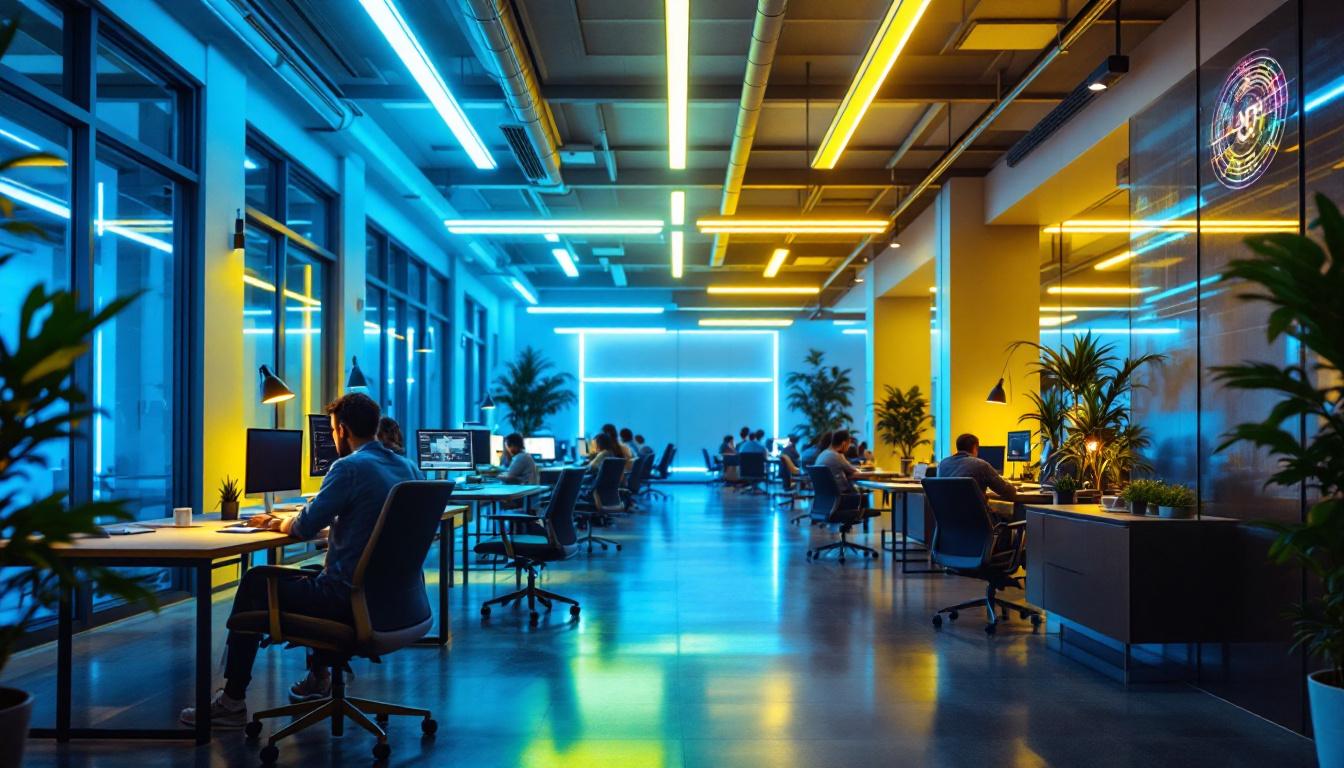
Fluorescent lighting has long been a staple in office environments, valued for its energy efficiency and cost-effectiveness. Despite the rise of LED technology, fluorescent fixtures continue to play a significant role in commercial lighting design and installation. For lighting contractors, understanding the evolving landscape of fluorescent office lighting is essential to delivering solutions that meet client demands for sustainability, aesthetics, and functionality.
This article explores the future of fluorescent office lighting, examining technological advancements, design trends, and installation best practices. It aims to equip lighting contractors with insights to stay competitive and innovative in a rapidly changing industry.
One of the key advancements in fluorescent lighting technology is the development of high-efficiency fluorescent lamps, which offer improved lumen output while consuming less energy. These lamps not only reduce electricity costs but also extend the lifespan of the fixtures, making them a more sustainable choice for businesses looking to minimize their environmental impact. Additionally, advancements in ballast technology have led to more reliable and quieter operation, further enhancing the appeal of fluorescent lighting in office settings. With the ongoing push towards greener practices, many companies are now opting for fluorescent systems that incorporate smart technology, allowing for automated dimming and color temperature adjustments based on natural light levels throughout the day.
Design trends in office spaces are also influencing the use of fluorescent lighting. Modern offices are increasingly embracing open floor plans and collaborative workspaces, which require versatile lighting solutions that can adapt to various tasks and moods. As a result, lighting contractors are exploring innovative fixture designs that blend aesthetics with functionality, such as sleek pendant lights and integrated ceiling panels that provide uniform illumination without harsh glare. Moreover, the integration of fluorescent lighting with natural elements, such as biophilic design principles, is gaining traction, as it promotes employee well-being and productivity. By harmonizing artificial and natural light sources, businesses can create a more inviting and energizing atmosphere for their workforce.
The Evolution of Fluorescent Lighting Technology
Advancements in Fluorescent Lamp Efficiency
Fluorescent lamps have undergone significant improvements in efficacy and lifespan. Modern T5 and T8 lamps offer higher lumens per watt compared to older T12 models, reducing energy consumption while maintaining brightness. These advancements make fluorescent lighting a viable option for offices seeking to balance performance and operational costs.
Moreover, the integration of electronic ballasts has eliminated flickering and humming issues commonly associated with older magnetic ballasts. Electronic ballasts also contribute to energy savings by enabling instant start and dimming capabilities, enhancing occupant comfort and reducing electricity bills. The reduced maintenance frequency due to the longer lifespan of these modern lamps further contributes to lower operational costs, making them an attractive choice for businesses looking to optimize their lighting solutions.
Hybrid Systems: Combining Fluorescent and LED Technologies
One emerging trend is the hybrid lighting system, which combines fluorescent fixtures with LED components. This approach leverages the strengths of both technologies, offering improved color rendering, energy efficiency, and design flexibility. For instance, fluorescent tubes can provide broad ambient lighting, while LED accents enhance task lighting and aesthetic appeal. This combination not only maximizes the lighting quality but also allows for creative design opportunities in various spaces, from open-plan offices to conference rooms.
Lighting contractors can capitalize on hybrid systems by customizing installations to client needs, optimizing energy use, and future-proofing office lighting against evolving standards. Additionally, as the demand for sustainable practices grows, integrating hybrid systems can significantly contribute to a building’s overall energy efficiency rating. The ability to easily retrofit existing fluorescent fixtures with LED components also provides a cost-effective pathway for organizations looking to upgrade their lighting without a complete overhaul, making the transition smoother and less disruptive.
Design Considerations for Fluorescent Office Lighting
Balancing Energy Efficiency and Visual Comfort
Office lighting must strike a balance between energy consumption and occupant well-being. Fluorescent lighting, when properly specified and installed, can provide uniform illumination that reduces eye strain and enhances productivity. Utilizing diffusers and reflectors in fixture design helps distribute light evenly, minimizing glare and shadows.
Additionally, selecting lamps with appropriate color temperatures—typically in the 3500K to 4100K range—creates a neutral, comfortable environment conducive to focus and collaboration. Lighting contractors should advise clients on the benefits of tunable fluorescent lighting systems that adjust color temperature throughout the day to support circadian rhythms. This adaptability not only enhances comfort but also aligns with the natural light patterns that influence mood and alertness, making it easier for employees to maintain energy levels throughout their workday.
Furthermore, the choice of fluorescent fixtures should consider the specific tasks performed in different areas of the office. For instance, areas designated for creative brainstorming may benefit from slightly warmer lighting to foster a relaxed atmosphere, while spaces focused on detailed work may require cooler, more focused lighting. By tailoring the lighting to the function of each space, organizations can create a more engaging and productive environment that caters to the diverse needs of their workforce.
Integrating Controls and Smart Lighting Solutions
Modern fluorescent lighting installations increasingly incorporate control systems such as occupancy sensors, daylight harvesting, and programmable dimming. These controls optimize energy use by adjusting lighting levels based on presence and natural light availability, which can reduce energy consumption by up to 30% in office settings.
Smart lighting platforms compatible with fluorescent fixtures allow for centralized management and data analytics, enabling facility managers to monitor performance and maintenance needs effectively. Contractors skilled in integrating these systems add significant value to their services and help clients achieve sustainability goals. The ability to collect data on usage patterns not only aids in energy conservation but also provides insights into how spaces are utilized, allowing for informed decisions about future renovations or expansions.
Moreover, integrating user-friendly interfaces for employees can enhance the overall experience in the workplace. For example, allowing employees to personalize their lighting settings through mobile apps or wall-mounted controls can empower them to create their ideal work environment. This level of customization can lead to increased satisfaction and productivity, as individuals can adjust their surroundings to suit their personal preferences and work styles. As the trend toward flexible workspaces continues to grow, the importance of adaptable lighting solutions becomes even more pronounced, ensuring that every employee can thrive in their unique workspace.
Installation Best Practices for Fluorescent Office Lighting
Planning and Layout Optimization
Successful fluorescent lighting installation begins with meticulous planning. Contractors should conduct thorough site assessments to understand spatial requirements, ceiling types, and electrical infrastructure. Utilizing lighting design software to simulate layouts ensures optimal fixture placement, uniform light distribution, and compliance with industry standards such as the Illuminating Engineering Society (IES) guidelines.
Consideration of future scalability is also crucial. Designing modular lighting systems facilitates easy upgrades or replacements, minimizing disruption and cost over the building’s lifecycle.
Ensuring Safety and Compliance
Fluorescent lamps contain small amounts of mercury, necessitating careful handling and disposal to comply with environmental regulations. Contractors must follow best practices for lamp removal and recycling, protecting workers and the environment.
Electrical safety is paramount during installation. Proper grounding, secure fixture mounting, and adherence to National Electrical Code (NEC) requirements prevent hazards and ensure system reliability. Training installation teams on these protocols reduces risk and enhances project quality.
Case Studies: Successful Fluorescent Office Lighting Projects
Corporate Headquarters Retrofit
A major corporate office sought to reduce energy costs while improving lighting quality. The project involved replacing outdated T12 fluorescent fixtures with high-efficiency T8 lamps paired with electronic ballasts and integrated occupancy sensors. The retrofit resulted in a 25% reduction in energy consumption and positive feedback from employees regarding improved visual comfort.
New Office Build with Hybrid Lighting
In a newly constructed office building, a hybrid lighting design combined fluorescent ambient lighting with LED task and accent fixtures. The system incorporated smart controls for daylight harvesting and scheduling. This approach delivered a dynamic lighting environment, enhanced aesthetics, and achieved LEED certification for energy efficiency.
Future Outlook: Trends Shaping Fluorescent Office Lighting
Continued Role Amidst LED Dominance
While LEDs dominate new lighting installations, fluorescent lighting remains relevant, especially in retrofit projects and large-scale commercial spaces where cost constraints exist. Ongoing improvements in lamp technology and ballast design will sustain fluorescent lighting as a competitive option.
Integration with IoT and Building Automation
The future of office lighting lies in integration with Internet of Things (IoT) platforms and comprehensive building automation systems. Fluorescent fixtures equipped with smart ballasts and sensors will become part of interconnected networks that optimize energy use, enhance occupant experience, and provide actionable data for facility management.
Environmental and Regulatory Drivers
Stricter environmental regulations and corporate sustainability commitments will influence fluorescent lighting design and installation. Contractors must stay informed about evolving standards, such as restrictions on mercury content and energy efficiency mandates, to ensure compliance and advise clients effectively.
Conclusion
Fluorescent office lighting continues to evolve, offering lighting contractors opportunities to deliver efficient, comfortable, and sustainable solutions. By embracing technological advancements, integrating smart controls, and adhering to best installation practices, contractors can meet the demands of modern office environments.
Staying abreast of industry trends and regulatory changes will position lighting professionals to lead in the future of office lighting design and installation, ensuring that fluorescent technology remains a valuable component of the commercial lighting landscape.
Illuminate Your Projects with LumenWholesale
Ready to elevate your lighting installations with the latest in fluorescent technology? At LumenWholesale, we provide lighting contractors with exceptional, spec-grade lighting products at prices that can’t be beaten. Our commitment to quality and affordability ensures that you can deliver energy-efficient, comfortable, and sustainable lighting solutions to modern office environments. With free shipping on bulk orders, LumenWholesale is your go-to source for premium lighting without the hidden fees. Don’t compromise on quality or cost—choose LumenWholesale for the best value in Wholesale Lighting at the Best Value.