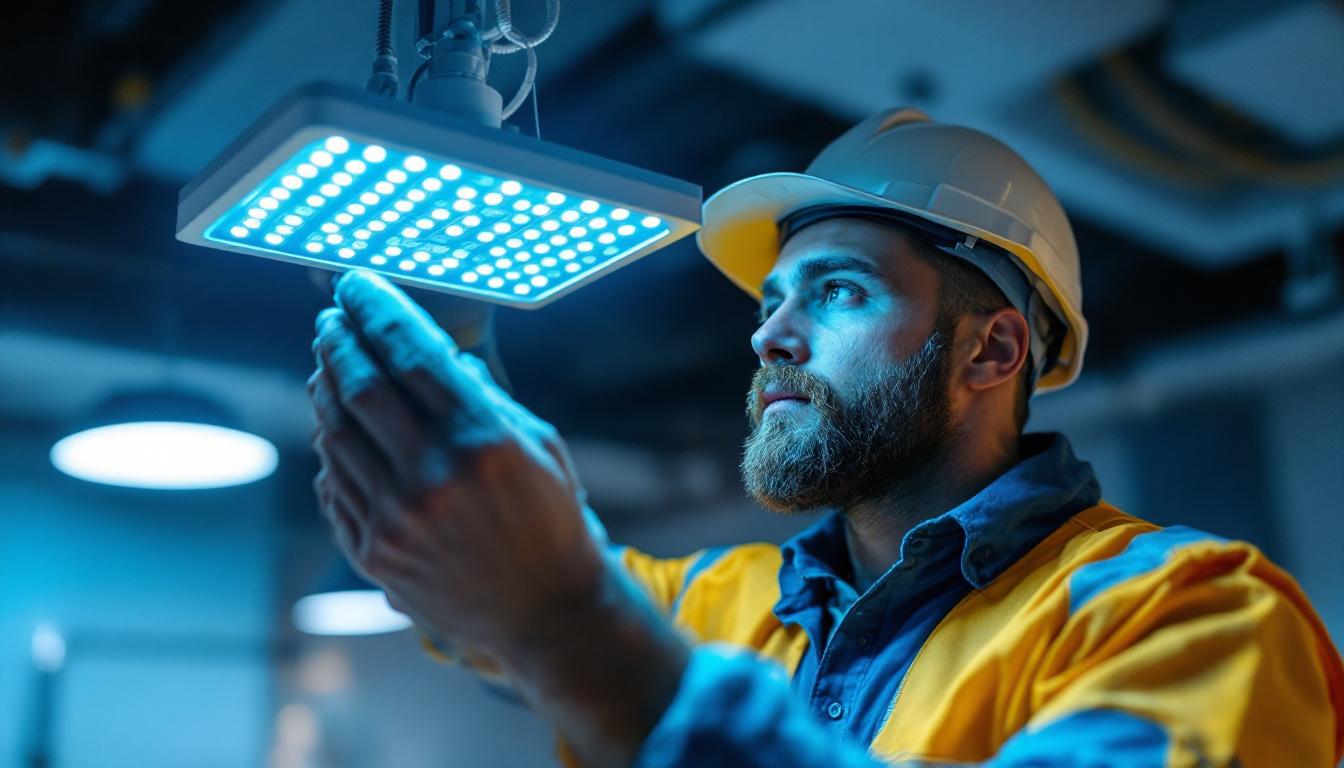
As the world continues to adapt to new health challenges, the demand for effective sanitization methods has surged. One such method that has gained significant attention is ultraviolet (UV) sanitizing. For lighting contractors, understanding the principles and applications of UV sanitization is essential, not only to meet client needs but also to stay competitive in a rapidly evolving market.
Understanding Ultraviolet Light
Ultraviolet light is a form of electromagnetic radiation that falls between visible light and X-rays on the spectrum. It is divided into three categories: UVA, UVB, and UVC. Each type has different properties and applications, particularly in the realm of sanitization.
The Spectrum of UV Light
UVA rays account for approximately 95% of the UV radiation that reaches the Earth’s surface. While they are often associated with skin aging and tanning, they are less effective for sanitization purposes. UVB rays, on the other hand, are responsible for sunburn and have some germicidal properties, but they are not widely used in sanitization applications.
UVC rays, which are the focus of most UV sanitization technologies, have the shortest wavelength and are highly effective at killing bacteria, viruses, and other pathogens. UVC light disrupts the DNA or RNA of microorganisms, rendering them unable to reproduce and effectively neutralizing them.
Applications of UV Sanitization
UV sanitization is increasingly being used in various settings, including healthcare facilities, schools, offices, and even residential spaces. Its applications range from air and surface disinfection to water purification. For lighting contractors, understanding these applications can help in recommending the right solutions to clients.
In healthcare settings, for instance, UV sanitization is used to disinfect surgical instruments, patient rooms, and waiting areas. In commercial spaces, UV lights can be integrated into HVAC systems to purify the air, reducing the spread of airborne pathogens. Understanding these applications allows contractors to provide tailored solutions that meet specific client needs.
Moreover, the rise of public awareness regarding hygiene and infection control has spurred innovation in UV technology. Many manufacturers are now developing portable UV sanitization devices that can be used in various environments, such as gyms, restaurants, and public transportation. These devices offer a convenient and effective way to enhance cleanliness, especially in high-traffic areas where traditional cleaning methods may fall short. As the technology continues to evolve, we can expect to see even more versatile applications, including UV robots that autonomously disinfect spaces, further revolutionizing the way we approach sanitation.
Additionally, the integration of UV technology in everyday products is becoming more commonplace. For example, UV-C sanitizing wands and boxes are now available for consumers, allowing individuals to disinfect personal items like smartphones, keys, and masks. This democratization of UV sanitization technology empowers people to take charge of their health and hygiene, making it an essential tool in the ongoing fight against infectious diseases. As research continues to uncover the full potential of UV light, its role in both professional and personal sanitation practices is likely to expand even further.
Benefits of UV Sanitization
The advantages of UV sanitization are numerous, making it an appealing option for various environments. From efficiency to safety, these benefits can enhance the value of lighting solutions offered by contractors.
Efficiency and Speed
One of the most significant benefits of UV sanitization is its speed. Unlike traditional cleaning methods, which can take time and require extensive manual labor, UV light can disinfect surfaces and air in a matter of minutes. This efficiency is particularly beneficial in high-traffic areas where minimizing downtime is crucial.
Moreover, UV sanitization is a chemical-free process, making it an environmentally friendly option. There are no harmful residues left behind, and it does not contribute to chemical pollution, which can be a concern in many cleaning processes.
Cost-Effectiveness
While the initial investment in UV sanitization technology may be higher than traditional methods, the long-term savings can be substantial. By reducing the incidence of illness and infection, businesses can lower healthcare costs and absenteeism. Additionally, the durability of UV systems often means lower maintenance costs over time.
For lighting contractors, presenting the cost-benefit analysis of UV sanitization can be a compelling selling point. Clients are increasingly looking for solutions that not only meet health standards but also provide a return on investment.
Considerations for Implementation
While the benefits of UV sanitization are clear, there are several considerations that lighting contractors must keep in mind when implementing these systems. Understanding the technology, safety measures, and regulatory compliance can ensure successful integration into existing systems.
Safety Measures
Safety is paramount when working with UV light. UVC rays can be harmful to human skin and eyes, necessitating strict safety protocols during installation and operation. Contractors should ensure that UV systems are designed to minimize exposure, using protective enclosures and automatic shut-off features when necessary.
Additionally, educating clients about the importance of safety measures will help build trust and confidence in the technology. Providing clear guidelines on system usage and maintenance can alleviate concerns and promote responsible use.
Regulatory Compliance
Lighting contractors must also be aware of the regulatory landscape surrounding UV sanitization. Different regions may have specific guidelines regarding the use of UV technology, particularly in sensitive environments like healthcare facilities. Familiarity with these regulations ensures that installations are compliant and safe.
Contractors should stay updated on industry standards and best practices, as this knowledge can enhance credibility and foster client relationships. Engaging with professional organizations and attending relevant training sessions can be beneficial in staying informed.
Integrating UV Technology into Lighting Solutions
For lighting contractors, integrating UV sanitization into existing lighting solutions can create unique offerings that meet the evolving needs of clients. This integration can take various forms, from standalone UV fixtures to systems embedded within traditional lighting designs.
Standalone UV Fixtures
Standalone UV fixtures are designed specifically for sanitization purposes and can be strategically placed in areas requiring frequent disinfection. These fixtures can be used in conjunction with regular lighting systems, providing a dual function that enhances overall safety.
When recommending standalone UV fixtures, contractors should consider the specific needs of the space. For example, high-contact areas such as lobbies or waiting rooms may benefit from more frequent UV exposure, while other areas may require less intensive sanitization.
Integrated UV Lighting Solutions
Integrating UV technology into existing lighting systems can offer a seamless solution that does not compromise aesthetics. This approach allows for the continuous sanitization of spaces while maintaining the desired ambiance.
Contractors can work with manufacturers to develop custom solutions that meet client specifications. This collaborative approach can lead to innovative designs that enhance both functionality and visual appeal.
Challenges and Limitations of UV Sanitization
While UV sanitization presents numerous advantages, it is essential to acknowledge its challenges and limitations. Understanding these factors can help lighting contractors provide realistic expectations to clients.
Effectiveness Against Certain Pathogens
Although UVC light is effective against a wide range of microorganisms, it is not universally effective against all pathogens. Some bacteria and viruses may develop resistance to UV light, and certain organic materials can shield pathogens from exposure. This limitation underscores the importance of using UV sanitization as part of a broader cleaning strategy rather than a standalone solution.
Contractors should educate clients about the importance of combining UV technology with traditional cleaning methods to achieve optimal results. This integrated approach can enhance overall sanitation efforts and provide a more comprehensive solution.
Maintenance and Operational Challenges
Regular maintenance of UV systems is crucial to ensure their effectiveness. Contractors must emphasize the importance of routine checks and lamp replacements, as the intensity of UV light diminishes over time. Failure to maintain these systems can lead to reduced efficacy and potential health risks.
Additionally, educating clients on operational challenges, such as the need for proper placement and exposure time, can help maximize the benefits of UV sanitization. Providing training on system operation and maintenance can further enhance client satisfaction and trust.
Future Trends in UV Sanitization
As technology continues to advance, the future of UV sanitization looks promising. Emerging trends and innovations are likely to shape the landscape of this field, presenting new opportunities for lighting contractors.
Smart UV Systems
One of the most exciting trends is the development of smart UV systems that integrate with building management systems. These systems can monitor air quality, occupancy levels, and other factors to optimize sanitization schedules automatically. This level of automation not only enhances efficiency but also reduces the burden on facility managers.
Contractors who stay ahead of these trends can position themselves as leaders in the market, offering cutting-edge solutions that address client needs effectively.
Research and Development
Ongoing research into the effectiveness and safety of UV sanitization is likely to yield new insights and technologies. Innovations in lamp design, wavelength optimization, and delivery methods could enhance the efficacy of UV systems, making them even more appealing to clients.
Lighting contractors should remain engaged with industry developments and consider partnerships with manufacturers involved in research and development. This collaboration can lead to the introduction of groundbreaking products and solutions, further solidifying a contractor’s reputation in the field.
Conclusion
Ultraviolet sanitizing is a powerful tool in the fight against pathogens, offering numerous benefits for various applications. For lighting contractors, understanding the principles, benefits, and challenges of UV technology is essential for providing effective solutions to clients. By integrating UV sanitization into their offerings, contractors can enhance the value of their services while addressing the growing demand for safe and healthy environments.
As the industry continues to evolve, staying informed about trends and innovations will be crucial for success. By embracing UV technology and its potential, lighting contractors can position themselves as trusted partners in creating healthier spaces for all.
Illuminate Your Projects with LumenWholesale
Ready to elevate your lighting solutions with the power of UV sanitization? At LumenWholesale, we provide lighting contractors like you with the highest quality, spec-grade lighting products at unbeatable wholesale prices. Say goodbye to local distributor markups and hello to a vast selection of reliable, high-performance lighting that meets the strictest industry standards. Plus, with free shipping on bulk orders, you can stock up on premium lighting without any hidden fees or compromises. Don’t miss out on the perfect blend of quality, affordability, and convenience. Make LumenWholesale your go-to source for all your lighting needs and ensure your projects shine with excellence. Wholesale Lighting at the Best Value