Why Bathroom Recessed Lighting Demands Special Attention
Bathrooms are unique environments. They combine moisture, varying temperatures, and frequent use, all within a relatively small space. For lighting contractors, this means that installing recessed lighting in bathrooms is not just about aesthetics or illumination levels—it’s about safety, durability, and compliance with electrical codes.
Many contractors encounter challenges when specifying and installing recessed fixtures in bathrooms. Moisture intrusion, improper placement, and inadequate fixture ratings can lead to premature fixture failure, electrical hazards, or customer dissatisfaction. Understanding these pitfalls upfront saves time, money, and reputations.
Moisture and Electrical Safety: The Core Concern
Bathrooms are among the most humid rooms in a home or commercial building. Steam from showers and baths creates a persistent moisture presence that can easily penetrate lighting fixtures not designed for such environments. This moisture exposure can cause corrosion, electrical shorts, or even fire hazards if fixtures are improperly rated or installed.
National electrical codes require that recessed lighting fixtures installed in bathrooms be rated for damp or wet locations, depending on their placement. Ignoring these requirements is a common mistake that contractors must avoid.
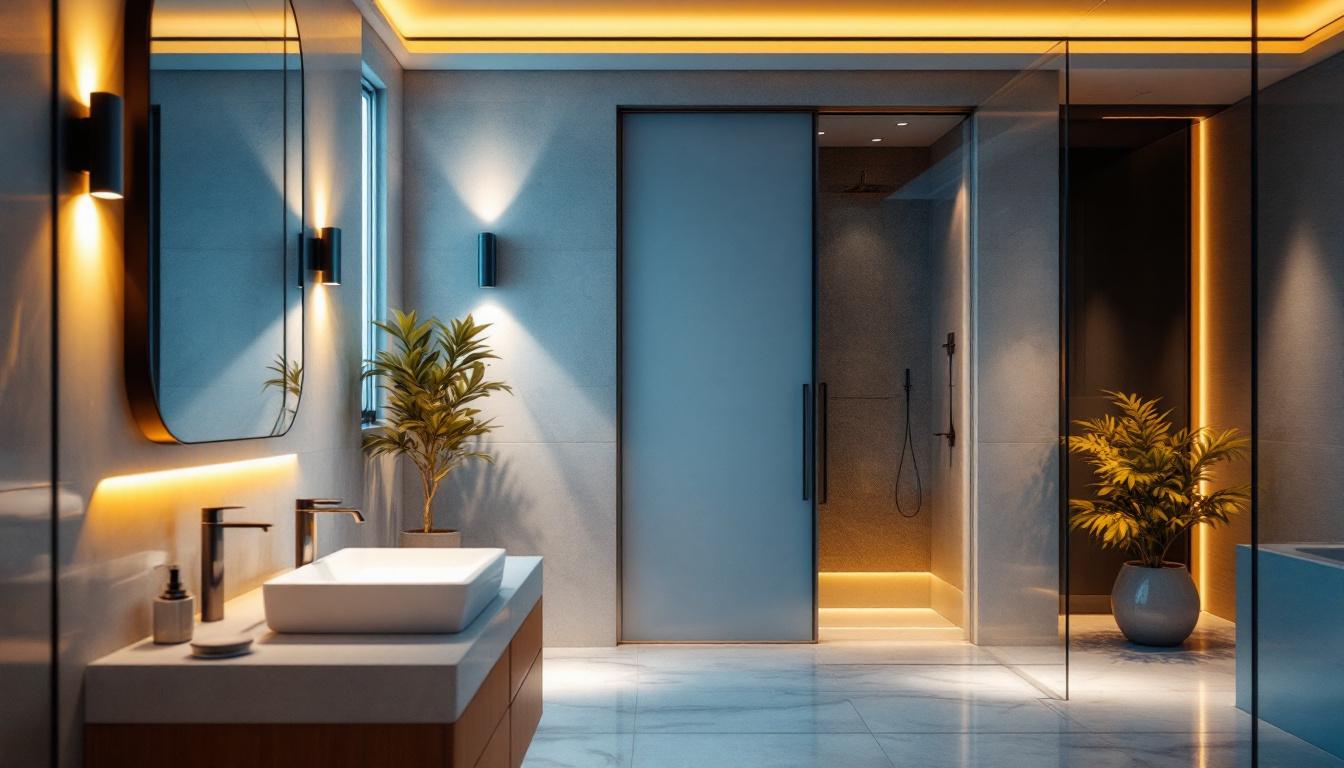
Moreover, the placement of recessed lighting is crucial in ensuring both functionality and safety. Fixtures should be strategically positioned to provide adequate illumination without creating shadows or glare, particularly around mirrors and vanities where detailed tasks like shaving or applying makeup take place. Additionally, contractors must consider the height at which fixtures are installed, as this can significantly affect light distribution and the overall ambiance of the space. Proper planning and execution in these areas not only enhance the user experience but also mitigate the risks associated with improper lighting installations.
Another important aspect to consider is the choice of bulb type. LED bulbs are increasingly popular for bathroom recessed lighting due to their energy efficiency and longevity. However, not all LED bulbs are created equal; it’s essential to select those that are specifically designed for damp environments and compatible with the fixtures being used. This attention to detail ensures that the lighting not only meets safety standards but also provides a warm and inviting atmosphere that enhances the overall aesthetic of the bathroom.
Choosing the Right Fixtures for Bathroom Recessed Lighting
Not all recessed lights are created equal. Selecting the correct fixture is the foundation of a successful bathroom lighting installation.
Damp-Rated vs. Wet-Rated Fixtures
Damp-rated fixtures are designed to handle moisture in the air but should not be exposed directly to water. These are suitable for general bathroom lighting outside of shower or tub enclosures.
Wet-rated fixtures, on the other hand, are built to withstand direct water exposure and are required inside shower or bathtub areas. Installing a damp-rated fixture inside a shower enclosure is a serious code violation and safety risk. It’s essential to carefully assess the layout of your bathroom and the specific areas where lighting will be installed to ensure compliance with these ratings, as this not only affects safety but also the longevity of the fixtures themselves.
IC-Rated Fixtures for Insulation Contact
Bathrooms often have insulated ceilings to improve energy efficiency. When recessed lights are installed in insulated ceilings, IC (Insulation Contact) rated fixtures must be used. These fixtures are designed to safely come into contact with insulation without overheating.
Using non-IC-rated fixtures in insulated ceiling spaces can lead to overheating and fire hazards. This is a common oversight that can have severe consequences. Additionally, choosing IC-rated fixtures can also contribute to a more energy-efficient home, as they help maintain the desired temperature within the bathroom, reducing the load on heating and cooling systems.
LED vs. Incandescent: Efficiency and Longevity
LED recessed fixtures have become the standard for bathroom lighting due to their energy efficiency, long lifespan, and reduced heat output. They also offer better color rendering and dimming capabilities, enhancing the bathroom’s ambiance.
While incandescent fixtures are still available, they are less energy-efficient and generate more heat, which can be problematic in tight ceiling spaces and near insulation. Furthermore, LED technology continues to evolve, with options now available that mimic the warm glow of traditional incandescent bulbs while still providing the benefits of lower energy consumption and longer life. This means homeowners can enjoy a cozy atmosphere without sacrificing efficiency or safety.
Strategic Placement: Balancing Function and Form
Where and how recessed lights are placed in a bathroom can make or break the user experience. Lighting contractors must consider task lighting, ambient lighting, and safety.
Illuminating Vanity Areas
Vanity lighting is critical for grooming tasks like shaving or applying makeup. Recessed lights over or adjacent to the mirror should minimize shadows on the face. Placing fixtures too high or directly overhead can cast unflattering shadows.
Installing recessed lights on either side of the mirror or using a combination of recessed and wall-mounted fixtures often yields the best results. Contractors should coordinate with the homeowner or designer to ensure the lighting meets functional needs. Additionally, the color temperature of the bulbs plays a significant role in the overall effect; warmer tones can create a more inviting atmosphere, while cooler tones may enhance clarity for detailed tasks. Homeowners might also consider dimmable options, allowing them to adjust the brightness according to the time of day or the specific activity at hand, enhancing both functionality and ambiance.
General Ambient Lighting
Bathrooms require even, glare-free ambient lighting to create a comfortable environment. Recessed lights spaced evenly across the ceiling provide this. However, spacing must be calculated carefully to avoid dark spots or overly bright zones.
Using adjustable LED trims can help direct light where it’s needed most, especially in oddly shaped or larger bathrooms. Furthermore, the choice of finish for the recessed fixtures can impact the overall aesthetic; polished chrome or brushed nickel can lend a modern touch, while matte finishes may evoke a more subdued elegance. Incorporating smart lighting technology can also enhance the experience, allowing users to control brightness and color temperature through a smartphone app or voice commands, thus tailoring the lighting to suit their mood or activity seamlessly.
Lighting Inside Shower and Tub Areas
Installing recessed lighting inside shower or tub enclosures requires wet-rated fixtures. These fixtures should be sealed properly to prevent moisture intrusion.
Contractors must also consider the fixture’s placement to avoid direct glare into the eyes and to ensure adequate illumination for safety. Moreover, it’s essential to choose fixtures that not only withstand humidity but also complement the overall design of the bathroom. For instance, fixtures with frosted glass can diffuse light effectively, reducing harshness while still providing ample illumination. Additionally, integrating lighting controls that allow for different settings—such as a soft glow for a relaxing soak or brighter light for a quick rinse—can significantly enhance the bathing experience, making it both luxurious and practical.
Installation Best Practices and Common Mistakes
Proper installation techniques are as important as fixture selection and placement. Mistakes during installation can compromise safety, performance, and longevity.
Ensuring Proper Sealing and Ventilation
Recessed fixtures in bathrooms must be sealed to prevent moisture from entering the ceiling cavity. Using airtight trims and proper caulking around fixtures helps maintain the building envelope and reduces the risk of mold or structural damage.
Additionally, bathrooms require adequate ventilation to control humidity levels. Lighting contractors should coordinate with HVAC professionals to ensure that exhaust fans are properly sized and located.
Wiring and Circuit Considerations
Bathroom lighting circuits must comply with electrical codes, including the use of GFCI (Ground Fault Circuit Interrupter) protection where required. This is especially important for fixtures near water sources.
Contractors should also consider the total load on the circuit and avoid overloading. Using LED fixtures reduces load and can simplify circuit design.
Trim and Lens Selection
Choosing the right trim and lens for recessed fixtures affects both aesthetics and performance. Matte or frosted lenses diffuse light and reduce glare, while clear lenses provide more direct illumination.
Trims should be compatible with the fixture and rated for damp or wet locations as appropriate. Improper trim selection can lead to fixture damage or reduced lifespan.
Maintenance Tips to Prolong Fixture Life
Even the best-installed recessed lighting can suffer if not maintained properly. Educating clients on maintenance can prevent premature failures and callbacks.
Regular Cleaning
Bathroom fixtures accumulate dust, soap scum, and moisture deposits. Regular cleaning with a soft cloth and mild detergent keeps lenses clear and fixtures functioning optimally.
Checking for Moisture Intrusion
Clients should be advised to watch for signs of moisture inside fixtures, such as fogging lenses or corrosion. Early detection can prevent electrical hazards.
Replacing Bulbs and Components
When replacing bulbs, using the same type and wattage recommended by the manufacturer is critical. For LED fixtures, replacement may involve swapping out the entire module, so contractors should inform clients about this upfront.
Conclusion: Avoiding Pitfalls Starts with Knowledge
Recessed lighting in bathrooms is a specialized task that demands attention to fixture ratings, placement, installation details, and maintenance. Lighting contractors who understand these nuances deliver safer, more durable, and visually pleasing results.
By selecting the right damp- or wet-rated, IC-rated LED fixtures, placing them strategically, and following best installation practices, contractors can avoid common pitfalls that lead to failures and safety issues. Educating clients on maintenance further extends the life and performance of bathroom recessed lighting.
Ultimately, success in bathroom recessed lighting comes down to combining technical knowledge with practical experience-ensuring every fixture shines brightly and safely for years to come.
Get Your Premium Bathroom Recessed Lighting at LumenWholesale
Ready to elevate your bathroom lighting projects with the finest fixtures on the market? Look no further than LumenWholesale. Our extensive selection of spec-grade, damp- and wet-rated, IC-rated LED fixtures are designed to meet the rigorous demands of bathroom environments, ensuring longevity and safety. With unbeatable wholesale prices and the convenience of bulk buying with free shipping, LumenWholesale is your go-to source for top-quality lighting without the premium price tag. Don’t compromise on quality or value—discover the best in wholesale lighting at LumenWholesale and make your next installation a shining success.