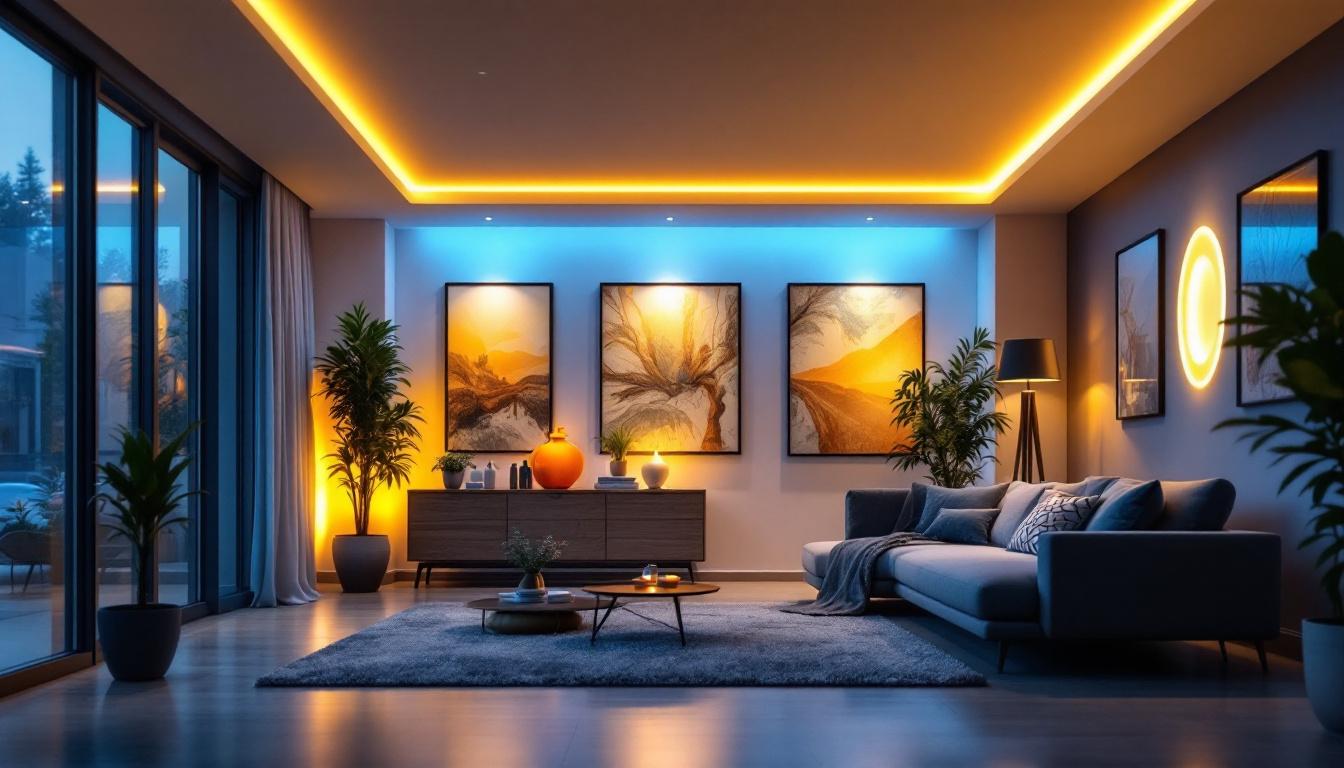
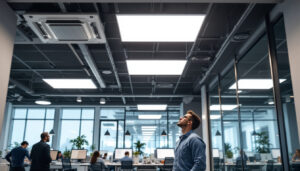
As the demand for energy-efficient lighting solutions continues to rise, recessed LED can lights have become a popular choice among homeowners and commercial property owners alike. For lighting contractors, understanding the intricacies of these fixtures is essential for providing clients with the best possible service. This article offers expert advice on recessed LED can lights, covering everything from installation techniques to design considerations.
Understanding Recessed LED Can Lights
Recessed LED can lights, often referred to as pot lights or downlights, are fixtures that are installed into a hollow opening in the ceiling. They provide a sleek, modern aesthetic while delivering effective illumination. These lights are particularly favored for their ability to blend seamlessly into the ceiling, making them ideal for various applications, including residential, commercial, and retail spaces. Their unobtrusive design allows for a clean look that enhances the overall decor of any room, making them a popular choice among interior designers and homeowners alike.
Benefits of Recessed LED Can Lights
One of the primary advantages of recessed LED can lights is their energy efficiency. Compared to traditional incandescent bulbs, LED options consume significantly less energy, which translates to lower electricity bills for clients. Additionally, they have a longer lifespan, reducing the frequency of replacements and maintenance costs. This longevity not only benefits the wallet but also contributes to a more sustainable environment, as fewer bulbs end up in landfills over time.
Another benefit is the versatility in design. Recessed lights come in various sizes, shapes, and color temperatures, allowing contractors to customize lighting solutions according to the specific needs of each project. Whether aiming for a warm ambiance in a living room or bright, focused light in a workspace, there is an LED can light suitable for every scenario. Moreover, the ability to dim these lights adds another layer of flexibility, enabling users to adjust the brightness to suit different activities or moods, from cozy movie nights to vibrant gatherings.
Types of Recessed LED Can Lights
There are several types of recessed LED can lights available on the market, each designed for different applications. New construction cans are intended for homes or buildings that are still under construction, allowing for easy installation. Retrofit cans, on the other hand, are designed to fit into existing ceiling fixtures, making them a great option for renovations. This adaptability makes it easier for homeowners to upgrade their lighting without the need for extensive remodeling.
Furthermore, adjustable or gimbal recessed lights can be directed to highlight specific areas or objects, providing flexibility in lighting design. Understanding the different types will enable contractors to recommend the best options to their clients based on their individual needs and preferences. Additionally, there are also specialized fixtures, such as wet-rated recessed lights for bathrooms or outdoor spaces, ensuring safety and functionality in moisture-prone areas. This variety not only enhances the aesthetic appeal of a space but also ensures that lighting solutions are practical and compliant with safety standards.
Installation Techniques
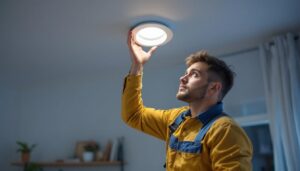
Proper installation of recessed LED can lights is crucial for ensuring optimal performance and safety. Lighting contractors should be familiar with the various installation techniques to avoid common pitfalls and guarantee a successful outcome.
Tools and Materials Required
Before beginning the installation process, it’s essential to gather all necessary tools and materials. Common tools include a stud finder, drywall saw, wire stripper, and screwdriver. Additionally, having the right materials, such as electrical wire, junction boxes, and the recessed can lights themselves, is vital for a smooth installation.
Contractors should also ensure they have the appropriate safety gear, including goggles and gloves, to protect themselves during the installation process. Being well-prepared can make a significant difference in efficiency and safety. It’s also wise to have a flashlight handy, especially when working in dimly lit areas or attics, as it can help illuminate the workspace and prevent accidents.
Step-by-Step Installation Process
The installation of recessed LED can lights generally follows a straightforward process. First, the contractor should use a stud finder to locate ceiling joists and determine the best placement for the lights. Marking the locations will help in cutting precise holes.
Next, a drywall saw is used to cut openings in the ceiling where the can lights will be installed. After that, the wiring must be run from the power source to each fixture location. It’s crucial to follow local electrical codes and regulations during this step to ensure safety and compliance. This may involve consulting with local building authorities or reviewing code books to ensure that the installation meets all necessary standards.
Once the wiring is in place, the recessed can lights can be installed. This typically involves securing the cans to the ceiling and connecting the wiring to the fixtures. It’s important to double-check all connections and ensure that there are no exposed wires that could pose a safety hazard. Finally, after ensuring everything is properly connected, the bulbs can be installed, and the power can be turned back on to test the lights. A dimmer switch can also be added at this stage for enhanced control over the lighting ambiance.
Common Installation Mistakes to Avoid
Even experienced contractors can make mistakes during the installation of recessed LED can lights. One common error is improper placement, which can lead to uneven lighting or shadows. It’s essential to consider the room’s layout and the intended use of the space when determining light placement. For instance, in a kitchen, task lighting over countertops is crucial, while in a living room, ambient lighting may take precedence.
Another frequent issue is inadequate spacing between lights. Too much distance can lead to dark spots, while too close together can create an overly bright area. A good rule of thumb is to space the lights about 4 to 6 feet apart, depending on the wattage and beam angle of the bulbs used. Additionally, contractors should account for the height of the ceiling; higher ceilings may require wider spacing to achieve an even distribution of light.
Finally, failing to secure the fixtures properly can result in sagging or misalignment. Ensuring that each can light is securely fastened will prevent future issues and ensure a professional finish. It’s also beneficial to check for any potential obstructions above the ceiling, such as ductwork or plumbing, before installation to avoid complications later on. Taking these precautions can help streamline the process and enhance the overall quality of the lighting installation.
Design Considerations
Design plays a crucial role in the effectiveness of recessed LED can lights. Lighting contractors must consider various factors to create a harmonious and functional lighting scheme that meets the client’s expectations.
Choosing the Right Color Temperature
Color temperature is a significant aspect of lighting design. It is measured in Kelvin (K) and can dramatically affect the mood of a space. For instance, warmer temperatures (2700K to 3000K) create a cozy and inviting atmosphere, making them ideal for living rooms and bedrooms. Conversely, cooler temperatures (3500K to 5000K) are better suited for workspaces and kitchens, where bright, focused light is necessary.
Contractors should discuss color temperature options with clients to ensure that the chosen fixtures will complement the overall design of the space. It’s also essential to consider the color of the walls and furnishings, as these elements can influence how light is perceived in a room.
Beam Angle and Distribution
The beam angle of recessed LED can lights determines how light is distributed in a space. A narrow beam angle (15 to 30 degrees) is ideal for highlighting specific areas or objects, while a wider beam angle (40 degrees or more) provides general illumination across a larger area.
When selecting fixtures, contractors should consider the purpose of the lighting. For example, in a gallery setting, narrow beam angles can be used to spotlight artwork, whereas broader angles may be more appropriate for ambient lighting in a living room.
Layering Light for Effect
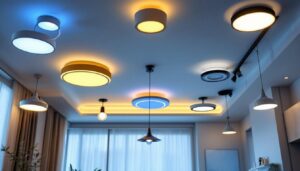
Layering light is a technique that involves combining different types of lighting to create a more dynamic and visually appealing environment. In addition to recessed LED can lights, contractors may recommend incorporating other lighting sources, such as pendant lights, wall sconces, or track lighting, to achieve a balanced lighting scheme.
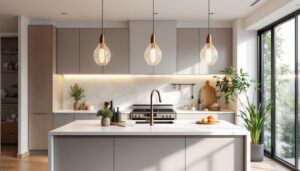
This approach not only enhances the aesthetic appeal of a space but also improves functionality. For example, a well-lit kitchen may combine recessed lighting for general illumination, under-cabinet lights for task lighting, and decorative fixtures for ambiance.
Energy Efficiency and Sustainability
As energy efficiency becomes increasingly important, recessed LED can lights offer a sustainable lighting solution. Lighting contractors should emphasize the long-term benefits of these fixtures to clients, highlighting both cost savings and environmental impact.
Understanding Energy Ratings
When selecting recessed LED can lights, contractors should pay attention to energy ratings. Look for fixtures that are ENERGY STAR certified, as these products meet strict efficiency guidelines set by the U.S. Environmental Protection Agency. ENERGY STAR-rated products can help clients save on energy costs while reducing their carbon footprint.
Additionally, educating clients about the benefits of using dimmers can further enhance energy savings. Dimmers allow users to adjust the brightness of the lights, reducing energy consumption when full brightness is not necessary.
Recycling and Disposal Options
Lighting contractors should also be aware of proper recycling and disposal options for old fixtures and bulbs. Many communities have specific guidelines for disposing of hazardous materials, including fluorescent bulbs, which contain mercury. Providing clients with information on recycling programs can help them make environmentally responsible choices.
Encouraging clients to choose LED fixtures not only benefits their immediate lighting needs but also contributes to a more sustainable future. As awareness of environmental issues grows, contractors who prioritize sustainability will likely find increased demand for their services.
Conclusion
Recessed LED can lights are an excellent choice for lighting contractors looking to provide clients with modern, energy-efficient solutions. By understanding the benefits, installation techniques, design considerations, and sustainability aspects of these fixtures, contractors can enhance their expertise and deliver exceptional service.
As the lighting industry continues to evolve, staying informed about the latest trends and technologies will be crucial for success. By embracing recessed LED can lights and their myriad advantages, lighting contractors can position themselves as leaders in the field, ready to meet the diverse needs of their clients.
Get Your Premium Recessed LED Can Lights at LumenWholesale
Ready to elevate your lighting projects with the finest recessed LED can lights on the market? Look no further than LumenWholesale, where we provide lighting contractors like you with the highest quality, spec-grade lighting products at unparalleled wholesale prices. Say goodbye to local distributor markups and hello to our extensive selection that meets rigorous industry standards. With LumenWholesale, you can count on reliable, high-performance lighting for every project. Plus, enjoy the convenience of bulk buying with free shipping, ensuring you get the best value without any hidden costs. Make the smart choice for your business and explore our wholesale lighting options today, where quality meets affordability and convenience.