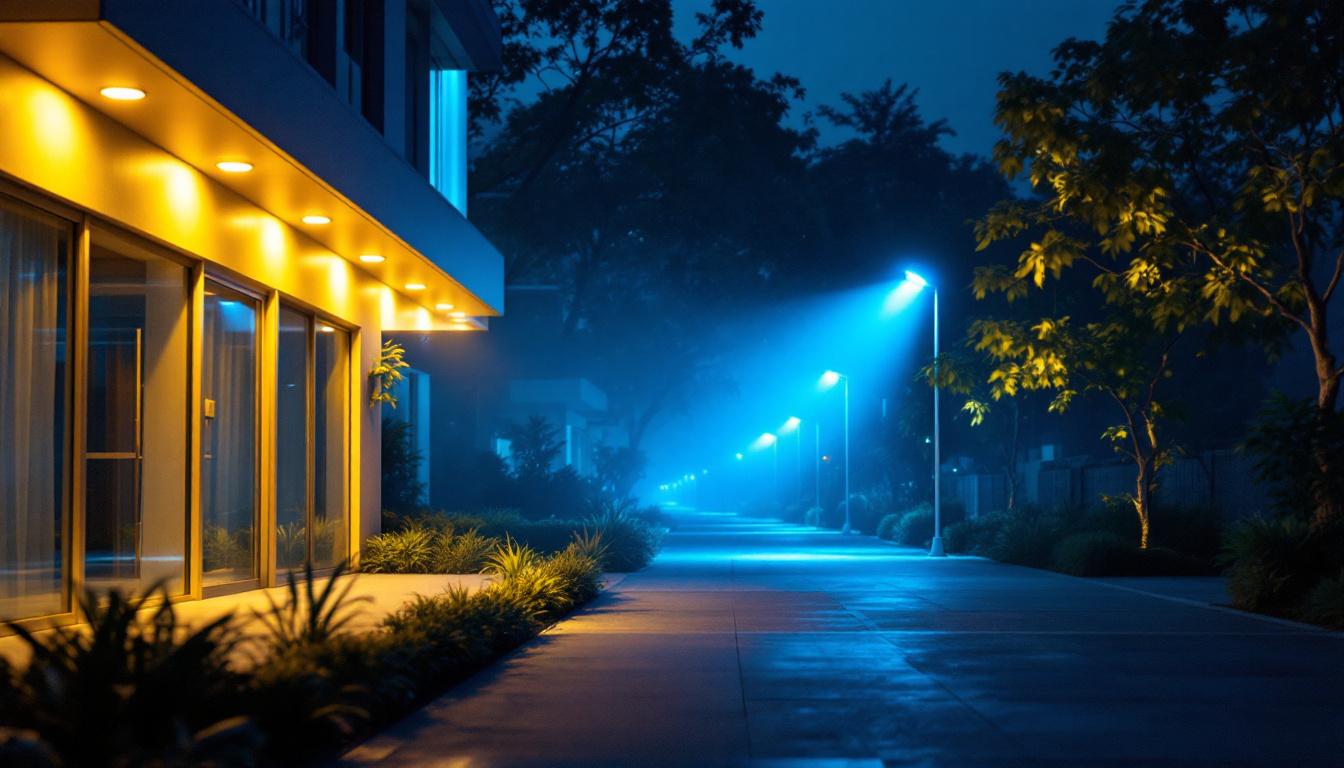
Understanding Pole Mounted Lighting: Basics and Benefits
Pole mounted lights are a cornerstone in outdoor lighting projects, widely used in commercial, industrial, and municipal applications. For lighting contractors, mastering the fundamentals of these fixtures is essential to delivering effective, safe, and aesthetically pleasing lighting solutions. At its core, a pole mounted light consists of a luminaire affixed to a vertical pole, elevating the light source to illuminate large areas such as parking lots, roadways, parks, and building perimeters.
The primary benefits of pole mounted lighting include enhanced visibility, improved safety, and energy efficiency. Elevated lighting reduces shadows and dark spots, which is critical for security and accident prevention. Moreover, modern pole mounted lights often incorporate LED technology, which offers significant energy savings and longer service life compared to traditional lighting options.
For contractors, understanding these benefits helps in communicating value to clients and selecting the appropriate fixtures for each project. It also influences installation practices and maintenance planning, ensuring that the lighting system performs optimally over time.
In addition to the practical advantages, pole mounted lighting can also play a significant role in enhancing the aesthetic appeal of outdoor spaces. By choosing fixtures that complement the architectural style of a building or the natural surroundings, contractors can create a cohesive look that enhances the overall environment. Furthermore, many modern designs offer customizable features such as color temperature adjustments and smart controls, allowing for dynamic lighting solutions that can adapt to different needs and occasions.
Moreover, the integration of smart technology into pole mounted lighting systems is revolutionizing how outdoor spaces are illuminated. Features such as motion sensors, timers, and remote monitoring capabilities not only improve energy efficiency but also enhance user experience. For example, lights can automatically adjust brightness based on the time of day or occupancy levels, providing optimal illumination while conserving energy. This adaptability makes pole mounted lighting an increasingly attractive option for municipalities and businesses looking to modernize their outdoor lighting infrastructure.
Common Questions About Pole Mounted Lights
What Are the Different Types of Pole Mounted Lights?
Lighting contractors frequently ask about the various types of pole mounted lights available. The choice depends on the application, desired lighting levels, and environmental conditions. The main categories include:
- Area Lights: Designed to illuminate large, open spaces such as parking lots and sports fields. These typically feature wide beam angles and high lumen output.
- Street Lights: Engineered for roadway illumination, these fixtures focus light downward to reduce glare and light pollution, improving driver and pedestrian safety.
- Floodlights: Provide intense, focused lighting for security or accent purposes, often used in industrial sites or building facades.
- Decorative Pole Lights: Combine functional lighting with aesthetic design, suitable for parks, pedestrian areas, and commercial plazas.
Understanding these types allows contractors to recommend the best solution tailored to client needs and regulatory requirements.
How to Determine the Right Pole Height and Placement?
Choosing the correct pole height and placement is crucial for achieving uniform light distribution and meeting illumination standards. Several factors influence these decisions:
- Area Size and Shape: Larger areas may require taller poles to cover more ground, while smaller or irregularly shaped spaces might benefit from shorter poles strategically placed.
- Lighting Standards: Compliance with local codes and standards such as the Illuminating Engineering Society (IES) guidelines ensures adequate lighting levels without excessive glare or light trespass.
- Obstructions: Trees, buildings, and other structures can affect light distribution and must be considered during layout planning.
- Maintenance Access: Placement should allow safe and convenient access for bulb replacement and repairs.
Typically, pole heights range from 10 to 40 feet, but the exact height depends on the specific application. Lighting contractors often use photometric simulations to model light distribution before installation, optimizing pole height and spacing for the best results.
What Are the Key Installation Considerations?
Installation of pole mounted lights involves several technical and safety considerations that contractors must address:
- Foundation Design: Poles require sturdy foundations to withstand wind loads and environmental stresses. Soil conditions and pole height influence foundation size and type.
- Electrical Wiring: Proper conduit installation, grounding, and compliance with the National Electrical Code (NEC) are mandatory to ensure safety and functionality.
- Fixture Mounting: Secure attachment of the luminaire to the pole is essential to prevent movement or damage, especially in high-wind areas.
- Coordination with Utility Providers: For poles connected to public power grids, coordination with utility companies may be necessary for permits and inspections.
Attention to these details reduces the risk of installation failures and costly rework, enhancing contractor reputation and client satisfaction.
Technical Aspects and Innovations in Pole Mounted Lighting
Advancements in LED Technology
LED lighting has revolutionized pole mounted lighting by offering superior energy efficiency, longer lifespan, and better light quality compared to traditional HID or fluorescent lamps. For contractors, this means fewer maintenance visits and satisfied clients due to reduced operating costs.
Modern LED fixtures often come with integrated controls such as dimming, motion sensors, and daylight harvesting capabilities. These features allow for adaptive lighting strategies that conserve energy and extend fixture life. Additionally, LEDs provide excellent color rendering, which improves visibility and safety in critical areas.
Smart Controls and IoT Integration
The integration of smart controls and Internet of Things (IoT) technology is becoming increasingly common in pole mounted lighting systems. Lighting contractors are now expected to be familiar with:
- Remote Monitoring: Enables real-time status updates and fault detection, reducing downtime and maintenance costs.
- Adaptive Lighting: Systems can adjust brightness based on traffic, weather, or time of day, enhancing energy savings and user experience.
- Data Analytics: Collecting usage data helps municipalities and businesses optimize lighting schedules and budgets.
Contractors who understand these technologies can offer clients advanced solutions that align with smart city initiatives and sustainability goals.
Material and Finish Options for Durability
Pole materials and finishes significantly affect the longevity and maintenance requirements of pole mounted lights. Common materials include galvanized steel, aluminum, and fiberglass. Each has distinct advantages:
- Galvanized Steel: Offers strength and corrosion resistance, ideal for harsh environments.
- Aluminum: Lightweight and corrosion-resistant, suitable for coastal areas.
- Fiberglass: Non-conductive and resistant to chemicals, often used in specialized industrial settings.
Finishes such as powder coating provide additional protection against weathering and enhance aesthetic appeal. Selecting the right combination based on environmental factors is vital for ensuring the durability and safety of the installation.
Maintenance and Troubleshooting Tips for Lighting Contractors
Routine Inspection and Cleaning
Regular maintenance is critical to sustaining the performance of pole mounted lighting systems. Contractors should advise clients to schedule inspections that include checking for:
- Fixture integrity and secure mounting
- Cleanliness of lenses and reflectors to maintain light output
- Electrical connections and wiring condition
- Signs of corrosion or physical damage to poles and fixtures
Cleaning lenses and removing debris can significantly improve light distribution and efficiency. Preventive maintenance helps identify issues before they escalate, reducing downtime and repair costs.
Common Troubleshooting Scenarios
Lighting contractors often encounter typical issues such as flickering lights, complete outages, or uneven illumination. Common causes include:
- Faulty drivers or ballasts in LED or HID fixtures
- Loose or damaged wiring connections
- Photocell or sensor malfunctions
- Environmental damage from storms or vandalism
Systematic troubleshooting involves verifying power supply, testing components, and replacing defective parts. Keeping detailed records of maintenance activities and repairs can streamline future service calls and improve system reliability.
Upgrading Existing Pole Mounted Lights
Many clients seek to upgrade aging pole mounted lighting systems to improve energy efficiency and comply with evolving regulations. Contractors should assess the existing infrastructure to determine:
- Compatibility with LED retrofit kits or new fixtures
- Condition of poles and foundations for continued use
- Potential for integrating smart controls and sensors
- Cost-benefit analysis including energy savings and maintenance reduction
Providing comprehensive upgrade options helps contractors position themselves as trusted advisors, fostering long-term client relationships.
Regulatory Compliance and Safety Considerations
Understanding Local Codes and Standards
Compliance with local, state, and national codes is non-negotiable in pole mounted lighting projects. Lighting contractors must be familiar with:
- National Electrical Code (NEC): Governs electrical installation safety.
- Illuminating Engineering Society (IES) Standards: Provide recommended lighting levels and distribution patterns.
- Dark Sky Initiatives: Aim to reduce light pollution by encouraging shielded fixtures and appropriate light levels.
- Americans with Disabilities Act (ADA): Addresses lighting requirements for accessibility in public spaces.
Adhering to these standards ensures safety, functionality, and community acceptance of lighting installations.
Safety Protocols During Installation and Maintenance
Working with pole mounted lights involves risks such as electrical hazards, working at heights, and handling heavy equipment. Contractors must implement strict safety protocols including:
- Use of personal protective equipment (PPE) such as gloves, helmets, and harnesses
- Proper training for working at heights and electrical safety
- Use of appropriate lifting equipment and tools
- Clear communication and site safety planning
Prioritizing safety protects workers and clients, reduces liability, and promotes a professional work environment.
Conclusion: Empowering Lighting Contractors with Knowledge
Pole mounted lighting is a vital component of outdoor illumination, and lighting contractors play a critical role in its successful implementation. By understanding the types of fixtures, installation best practices, technological advancements, maintenance strategies, and regulatory requirements, contractors can deliver superior lighting solutions that meet client expectations and industry standards.
Staying informed about innovations such as LED technology and smart controls not only enhances project outcomes but also positions contractors at the forefront of the lighting industry. Ultimately, a well-executed pole mounted lighting project improves safety, functionality, and aesthetics, benefiting communities and businesses alike.
Illuminate Your Projects with LumenWholesale
Ready to take your pole mounted lighting projects to the next level? Choose LumenWholesale for your lighting needs and experience the power of premium, spec-grade lighting products at unbeatable wholesale prices. With our commitment to quality, affordability, and convenience, you’ll find everything you need to meet and exceed industry standards. Say goodbye to inflated markups and hello to hassle-free bulk buying with free shipping. Elevate your lighting solutions today by visiting Wholesale Lighting at the Best Value and discover the LumenWholesale difference.