Understanding Bulb Brightness: The Foundation for Effective Lighting Design
For lighting contractors, selecting the right bulb brightness is crucial to achieving the desired ambiance, functionality, and energy efficiency in any project. Brightness, commonly measured in lumens, indicates the amount of visible light emitted by a bulb. Unlike watts, which measure energy consumption, lumens provide a direct understanding of how much light a bulb produces.
Many contractors encounter clients who still associate brightness with wattage, a legacy from incandescent bulbs. This misconception can lead to confusion when recommending modern LED or CFL bulbs, which deliver higher brightness at significantly lower wattage. Therefore, a clear grasp of lumens and their practical implications is essential for contractors to guide clients effectively.
To illustrate, a traditional 60-watt incandescent bulb produces approximately 800 lumens. An LED bulb producing the same lumens might consume only 8 to 12 watts, offering substantial energy savings without compromising brightness. This shift in technology necessitates that lighting professionals rely on lumen ratings rather than wattage when specifying bulbs.
Moreover, understanding the concept of color temperature is equally important when discussing bulb brightness. Measured in Kelvin (K), color temperature affects the perceived warmth or coolness of light, which can significantly influence the mood of a space. For instance, bulbs with a lower Kelvin rating (around 2700K) emit a warm, yellow light that is often preferred in residential settings for its cozy and inviting feel. In contrast, higher Kelvin ratings (5000K and above) produce a cooler, bluish light that is more suitable for task-oriented environments like offices or workshops where clarity and focus are paramount.
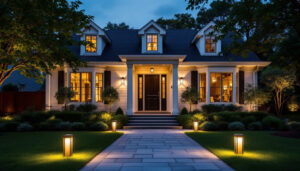
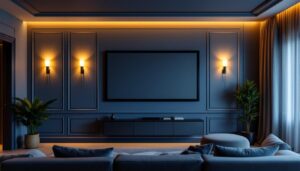
Additionally, the placement and direction of light sources play a critical role in how brightness is perceived within a space. A well-designed lighting plan considers not just the lumens produced by bulbs but also how that light interacts with surfaces and shadows. For example, strategically placing fixtures to highlight architectural features or artwork can enhance the overall aesthetic while ensuring that the space remains functional. This holistic approach to lighting design underscores the importance of collaboration between contractors and clients to achieve a balanced and effective lighting solution.
Decoding the Bulb Brightness Chart: What Lighting Contractors Need to Know
Typical Brightness Levels Across Bulb Types
A comprehensive bulb brightness chart categorizes bulbs by lumens and correlates them with equivalent wattages for incandescent bulbs. This chart serves as a quick reference for contractors to select appropriate bulbs based on the brightness requirements of various spaces.
For instance, here’s a simplified breakdown of common brightness levels and their typical applications:
- 450 lumens (40W incandescent equivalent): Suitable for nightlights, small lamps, or accent lighting.
- 800 lumens (60W incandescent equivalent): Ideal for general-purpose lighting in living rooms, kitchens, and bedrooms.
- 1100 lumens (75W incandescent equivalent): Used in larger rooms or areas requiring brighter illumination.
- 1600 lumens (100W incandescent equivalent): Appropriate for task lighting, garages, or outdoor spaces.
- 2600 lumens (150W incandescent equivalent): For high-intensity lighting needs, such as workshops or commercial settings.
Understanding these categories enables contractors to tailor lighting solutions that meet both client expectations and code requirements. Additionally, it is essential for contractors to stay updated on the latest advancements in LED technology, which often provide higher lumen outputs with significantly lower energy consumption compared to traditional incandescent bulbs. This not only helps in reducing energy costs for clients but also contributes to more sustainable building practices.
Color Temperature and Its Impact on Perceived Brightness
Brightness is not solely about lumens; color temperature plays a significant role in how light is perceived. Measured in Kelvins (K), color temperature ranges from warm (2700K) to cool (5000K and above). Warm light tends to appear softer and less intense, while cool light appears brighter and more clinical.
Lighting contractors should consider the interplay between brightness and color temperature when designing lighting schemes. For example, a 800-lumen bulb at 2700K will feel different than the same lumen output at 5000K. Spaces like offices or retail environments often benefit from higher color temperatures to enhance alertness and visibility, whereas residential spaces typically favor warmer tones for comfort. Furthermore, the choice of color temperature can influence mood and productivity; cooler temperatures are often linked to increased focus, making them ideal for workspaces, while warmer tones can create a cozy atmosphere perfect for relaxation in homes.
Moreover, the impact of color temperature extends beyond mere aesthetics; it can also affect the perceived color of objects within a space. For instance, a warm light may enhance the richness of wood tones in furniture, while a cooler light can make colors appear more vibrant and true to life. Understanding these nuances allows contractors to make informed choices that not only illuminate a space effectively but also enhance its overall design and functionality.
Common Questions Lighting Contractors Face About Bulb Brightness
How Do I Determine the Right Brightness for Different Rooms?
Determining the right brightness depends on the room’s function, size, and the activities performed within it. The Illuminating Engineering Society (IES) provides recommended foot-candle levels (a measure of light intensity on a surface) for various spaces, which contractors often use as a guideline.
For example, a kitchen or workspace might require 50 foot-candles or more, while a living room might only need 10 to 20 foot-candles. Contractors can calculate the total lumens needed by multiplying the room’s square footage by the recommended foot-candle level. This calculation helps in selecting the number and brightness of bulbs or fixtures required.
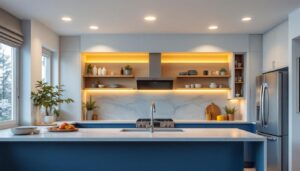
Additionally, layering light through ambient, task, and accent lighting ensures both functionality and aesthetic appeal. Ambient lighting provides overall illumination, task lighting focuses on specific areas for activities like reading or cooking, and accent lighting highlights features such as artwork or architectural details. By skillfully combining these types of lighting, contractors can create a harmonious environment that enhances both the usability and the visual appeal of a space.
Moreover, the color temperature of the bulbs can also play a significant role in how brightness is perceived. Warmer tones (around 2700K) create a cozy atmosphere, ideal for living spaces, while cooler tones (5000K and above) can enhance alertness and focus, making them suitable for workspaces. Understanding these nuances allows contractors to tailor lighting solutions that not only meet functional needs but also align with the client’s personal style and mood preferences.
Can I Replace Incandescent Bulbs with LEDs Without Changing Fixtures?
Most LED bulbs are designed to be compatible with existing incandescent fixtures, making retrofitting straightforward. However, contractors should verify the bulb’s base type, size, and shape to ensure proper fit. Additionally, some LED bulbs may not be compatible with dimmer switches unless specifically labeled as dimmable.
Energy efficiency and longer lifespan make LEDs the preferred choice, but contractors must also consider heat dissipation and fixture ratings, especially in enclosed or recessed fixtures, to avoid overheating and premature bulb failure. It’s also important to note that the light distribution pattern of LED bulbs can differ from that of incandescent bulbs, which may necessitate adjustments in fixture placement or the use of specific types of LED bulbs designed for optimal performance in certain fixtures.
Furthermore, as technology advances, new LED options are emerging that offer features such as tunable white light, which allows users to adjust the color temperature based on the time of day or activity. This flexibility can enhance the functionality of a space and improve the overall lighting experience for clients. Contractors should stay informed about these innovations to provide the best recommendations and solutions tailored to their clients’ needs.
How Does Brightness Affect Energy Consumption and Client Costs?
While brightness is measured in lumens, energy consumption is measured in watts. Higher lumens generally mean higher wattage, but LED technology has significantly reduced this correlation. For example, a 100-watt incandescent bulb producing 1600 lumens can be replaced by a 15-watt LED bulb producing the same brightness.
Contractors should educate clients on the long-term savings from reduced energy use and maintenance costs. Over a bulb’s lifespan, LEDs can save hundreds of dollars in energy bills and replacement costs, which is a compelling selling point during consultations. Additionally, many utility companies offer rebates or incentives for switching to energy-efficient lighting, further enhancing the financial benefits for clients.
It’s also worth noting that the environmental impact of switching to LED lighting is significant. By using less energy, clients can reduce their carbon footprint, contributing to a more sustainable future. Contractors can emphasize this aspect during discussions, appealing to clients who are environmentally conscious and looking to make greener choices in their home or business. By highlighting both the economic and ecological advantages of LED lighting, contractors can foster a deeper connection with their clients and encourage informed decisions that benefit both parties in the long run.
Advanced Considerations for Lighting Contractors
Understanding Lumen Maintenance and Light Degradation
Not all bulbs maintain their brightness equally over time. Lumen maintenance refers to how well a bulb retains its initial brightness throughout its lifespan. LEDs typically maintain 70-90% of their initial lumens after thousands of hours, whereas incandescent bulbs degrade faster.
Contractors should specify bulbs with high lumen maintenance ratings for critical applications where consistent brightness is essential, such as retail displays or healthcare facilities.
The Role of Beam Angle in Brightness Perception
Beam angle determines how light is distributed from the bulb. A narrow beam angle concentrates light in a smaller area, increasing perceived brightness, while a wide beam angle spreads light over a larger area, reducing intensity.
For task lighting or spotlighting, bulbs with narrow beam angles (e.g., 25-40 degrees) are appropriate. For ambient lighting, wider beam angles (e.g., 120 degrees) provide even illumination. Contractors must consider beam angles alongside lumens to achieve the desired lighting effect.
Integrating Smart Lighting and Brightness Control
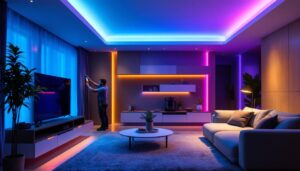
Smart lighting systems offer adjustable brightness levels, color temperature shifts, and scheduling capabilities. These features enable contractors to provide clients with customizable lighting solutions that enhance comfort and energy savings.
When specifying bulbs for smart systems, contractors should ensure compatibility with control hubs and voice assistants. Dimmable LEDs with a wide range of brightness settings are ideal for such applications, allowing users to tailor lighting to different times of day or activities.
Conclusion: Empowering Lighting Contractors with Brightness Knowledge
Mastering bulb brightness and its related concepts is indispensable for lighting contractors aiming to deliver optimal lighting solutions. By understanding lumens, color temperature, beam angles, and energy implications, contractors can confidently advise clients, comply with industry standards, and enhance the functionality and aesthetics of any space.
Utilizing a detailed bulb brightness chart as a reference tool streamlines the selection process and ensures that lighting installations meet both performance and budgetary goals. As lighting technology continues to evolve, staying informed about these fundamentals will remain a cornerstone of professional expertise.
Illuminate Your Projects with LumenWholesale
Ready to elevate your lighting projects with the best in spec-grade lighting products? Look no further than LumenWholesale. Our commitment to quality, affordability, and convenience ensures that you have access to an extensive selection of top-quality lighting solutions at unbeatable wholesale prices. Say goodbye to inflated markups and hello to hassle-free bulk buying with free shipping. Don’t compromise on your lighting needs—choose LumenWholesale for superior performance and value. Visit us now at Wholesale Lighting at the Best Value and light up your projects with confidence.