Understanding the Importance of Proper Patio Flood Lighting
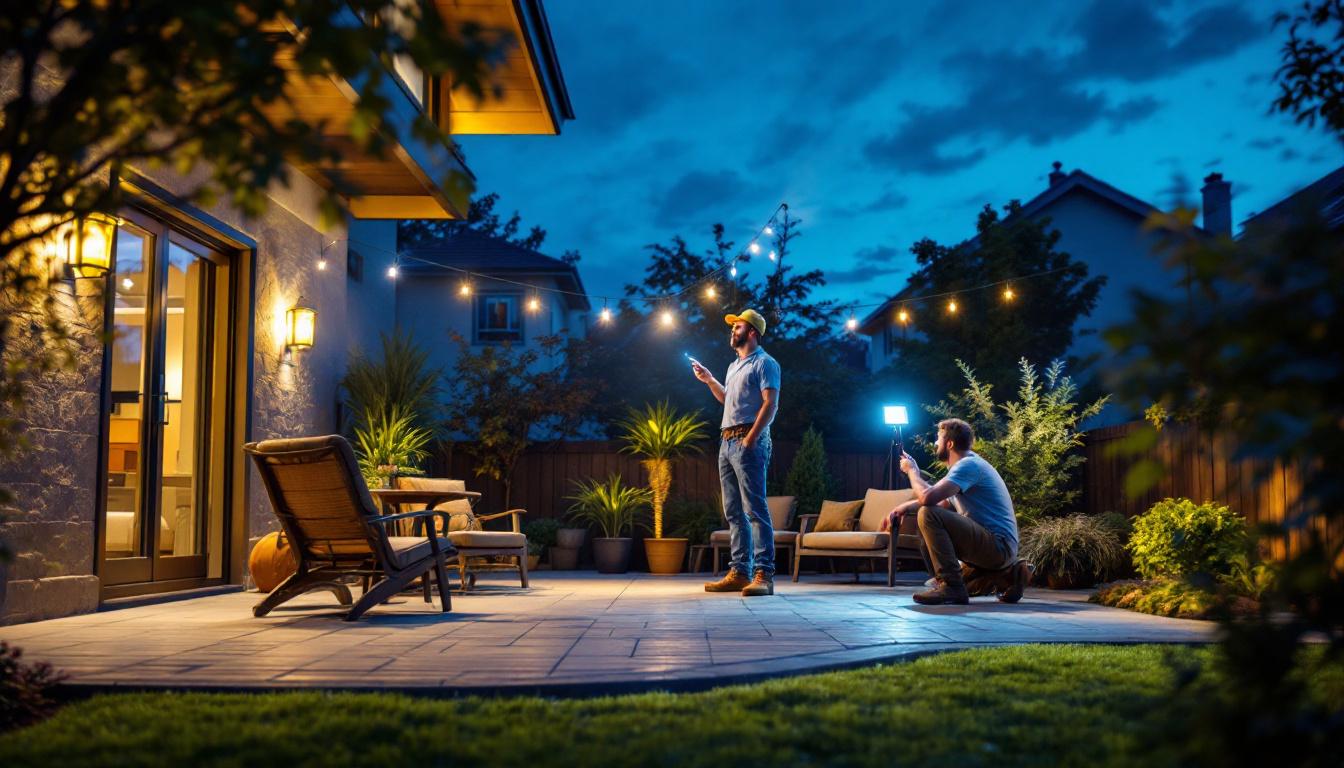
Patio flood lights play a crucial role in enhancing outdoor spaces, providing both functionality and ambiance. For lighting contractors, installing these fixtures correctly is essential to meet client expectations and ensure safety. Flood lighting not only illuminates patios for nighttime use but also adds a layer of security by deterring intruders and improving visibility.
Despite their apparent simplicity, patio flood lights require careful planning and execution. Mistakes during installation can lead to poor lighting performance, increased energy costs, and client dissatisfaction. This guide highlights common pitfalls and best practices to help lighting contractors deliver optimal results.
Why Patio Flood Lighting Matters to Clients
Clients often seek patio flood lighting to extend the usability of their outdoor areas after dark. Properly installed flood lights can create inviting environments for gatherings, highlight landscaping features, and improve safety. Understanding client needs is the first step toward designing an effective lighting solution.
Additionally, energy efficiency and durability are top priorities. Clients expect lighting systems that minimize electricity consumption and withstand weather conditions. Contractors must balance these factors with aesthetic considerations to deliver a comprehensive lighting package. Furthermore, the choice of lighting technology—such as LED versus traditional incandescent bulbs—can significantly impact both energy savings and the quality of light produced. LED lights, for instance, not only consume less power but also have a longer lifespan, making them a more sustainable option for clients looking to invest in their outdoor spaces.
Moreover, the strategic placement of flood lights can enhance the overall design of a patio. By illuminating specific areas, such as seating arrangements or pathways, contractors can create a layered lighting effect that adds depth and character to the space. This thoughtful approach not only improves functionality but also elevates the aesthetic appeal, making the patio a more enjoyable place for relaxation and entertainment. In this way, patio flood lighting becomes more than just a practical necessity; it transforms outdoor areas into beautifully lit extensions of the home, inviting clients to enjoy their surroundings long after the sun goes down.
Common Mistakes to Avoid When Installing Patio Flood Lights
1. Overlooking Proper Light Placement
One of the most frequent errors is improper placement of flood lights. Positioning lights too close or too far from the patio can result in uneven illumination, creating harsh shadows or dark spots. This not only diminishes the visual appeal but also compromises safety.
Lighting contractors should conduct thorough site assessments, considering the size and shape of the patio, surrounding structures, and natural elements like trees. Using lighting design software or mock-ups can help visualize the final effect before installation. Additionally, it’s beneficial to consider the activities that will take place on the patio. For instance, if the area is frequently used for dining or entertaining, ensuring that those spaces are well-lit will enhance both functionality and ambiance. Testing different placements with temporary lights can provide valuable insights into the best configurations before making a permanent installation.
2. Ignoring Glare and Light Pollution
Glare is a significant issue when flood lights are installed without attention to beam angle and shielding. Excessive glare can cause discomfort to users and neighbors, potentially leading to complaints. Moreover, improper lighting contributes to light pollution, which disrupts local ecosystems and obscures the night sky.
To mitigate these problems, contractors should select fixtures with adjustable beam angles and incorporate shields or louvers. Directing light downward and using warm color temperatures can also reduce glare and environmental impact. Furthermore, considering the surrounding environment is crucial; for example, if the patio is near a wildlife habitat, using fixtures that minimize light spillage can help protect nocturnal animals. Educating clients about the benefits of responsible lighting can foster a more harmonious relationship with the neighborhood and the environment.
3. Choosing Inappropriate Fixtures
Not all flood lights are suitable for patio environments. Selecting fixtures without considering weather resistance, durability, and compatibility with control systems is a common mistake. For example, using indoor-rated lights outdoors can lead to premature failure and safety hazards.
Contractors must specify fixtures with appropriate IP ratings (typically IP65 or higher) to ensure protection against dust and moisture. Additionally, integrating smart controls or dimmers can enhance functionality and energy efficiency. It’s also worth exploring options for solar-powered flood lights, which can be an eco-friendly choice for patios that receive ample sunlight. These fixtures not only reduce energy costs but also offer flexibility in placement, as they do not require extensive wiring.
4. Neglecting Electrical Safety and Code Compliance
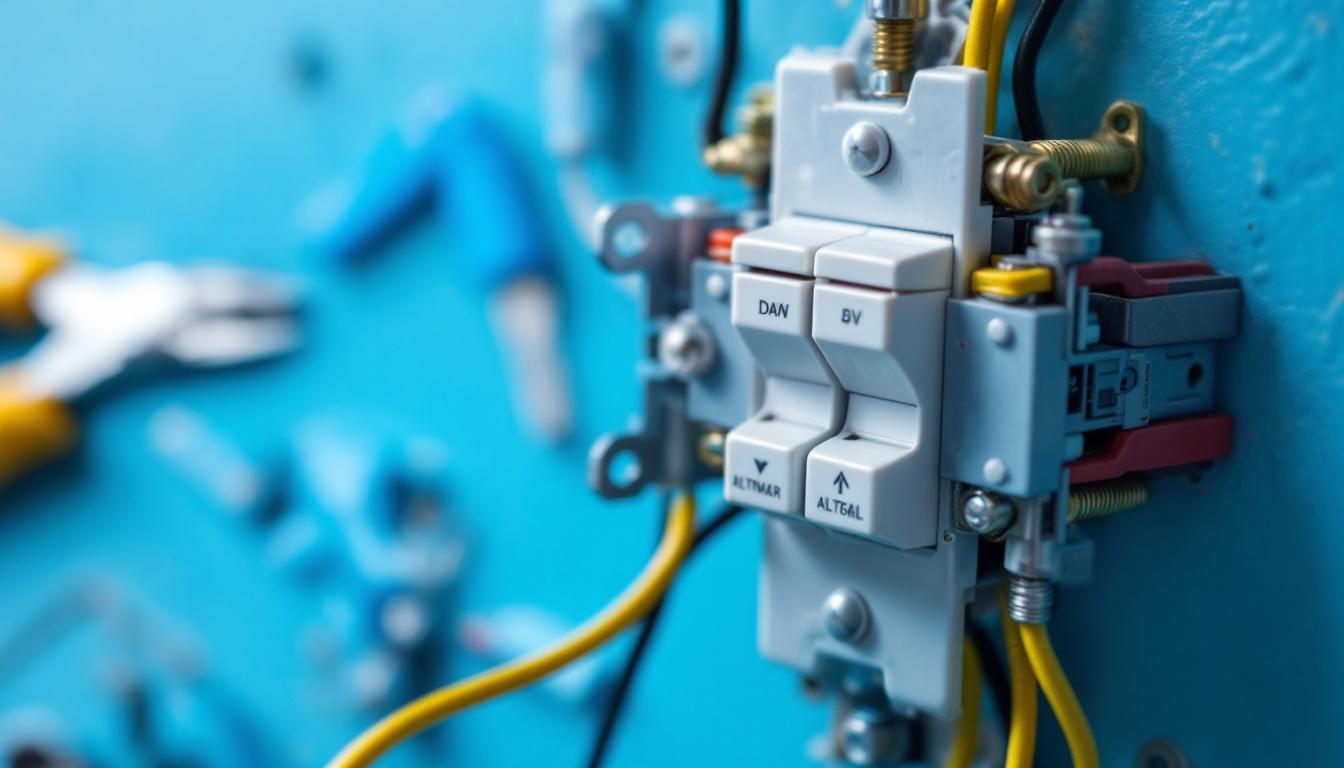
Electrical safety is paramount in any lighting installation. Failing to adhere to local electrical codes and standards can result in dangerous situations, legal liabilities, and failed inspections. Common oversights include improper grounding, inadequate wiring sizes, and lack of GFCI protection.
Lighting contractors should stay updated on relevant codes and best practices, perform thorough inspections, and use quality materials. Collaborating with licensed electricians when necessary ensures compliance and safety. Moreover, educating clients about the importance of regular maintenance checks can prevent issues down the line. Simple actions, such as ensuring that connections remain secure and that fixtures are free from debris, can significantly extend the lifespan of the installation and enhance safety.
5. Underestimating Energy Efficiency
Energy consumption is a growing concern for clients and communities. Using outdated or inefficient lighting technologies can lead to higher operating costs and environmental impact. LED flood lights have become the industry standard due to their longevity and low power usage.
Contractors should prioritize LED fixtures with high lumens per watt ratios and consider incorporating motion sensors or timers. These features reduce unnecessary lighting and contribute to sustainable practices. Additionally, providing clients with information on energy rebates or incentives for using energy-efficient lighting can encourage more environmentally friendly choices. By highlighting the long-term savings associated with energy-efficient options, contractors can help clients make informed decisions that benefit both their wallets and the planet.
Best Practices for Successful Patio Flood Light Installations
Conduct Comprehensive Site Evaluations
Before selecting fixtures or planning layouts, a detailed site evaluation is essential. Assessing the patio’s dimensions, existing electrical infrastructure, and environmental factors helps tailor the lighting design to the space’s unique characteristics.
Contractors should also engage clients in discussions about their usage patterns, aesthetic preferences, and budget constraints. This collaborative approach ensures the final installation aligns with expectations.
Design with Layered Lighting in Mind
Effective patio lighting often involves layering different types of lights—ambient, task, and accent. Flood lights primarily provide ambient illumination, but integrating them with path lights, wall sconces, or string lights creates depth and visual interest.
Layered lighting enhances usability and atmosphere, making outdoor spaces more inviting. Contractors should plan flood light placement to complement other fixtures rather than overpower them.
Utilize Adjustable and Smart Lighting Technologies
Modern flood lights frequently come with adjustable features such as beam angle control and color temperature tuning. Incorporating these options allows for customization based on client needs and changing conditions.
Smart lighting systems enable remote control, scheduling, and integration with home automation platforms. These capabilities improve convenience and energy management, appealing to tech-savvy clients.
Prioritize Durable Materials and Weatherproofing
Outdoor lighting fixtures must withstand exposure to rain, wind, dust, and temperature fluctuations. Selecting high-quality materials such as corrosion-resistant metals and impact-resistant lenses extends fixture lifespan and reduces maintenance.
Proper sealing and installation techniques prevent water ingress and electrical faults. Contractors should verify manufacturer specifications and warranty terms to ensure reliability.
Implement Thorough Testing and Client Education
After installation, comprehensive testing verifies that the lighting system functions as intended. Checking for uniform coverage, proper operation of controls, and absence of glare is critical before project completion.
Educating clients on system use, maintenance, and troubleshooting empowers them to maximize the benefits of their patio flood lighting. Providing clear documentation and support contact information enhances customer satisfaction.
Case Studies: Learning from Real-World Installations
Case Study 1: Residential Patio Lighting with Glare Issues
A lighting contractor installed flood lights on a residential patio without considering beam angles or shielding. The result was significant glare affecting both the homeowners and neighbors, leading to complaints and requests for costly adjustments.
This situation underscores the importance of fixture selection and aiming techniques. Retrofitting the installation with shielded LED flood lights and adjusting angles resolved the problem, improving comfort and neighbor relations.
Case Study 2: Energy-Efficient Upgrade for a Commercial Outdoor Venue
A commercial client sought to reduce energy costs while enhancing patio lighting for evening events. The contractor replaced outdated halogen flood lights with high-efficiency LED fixtures integrated with motion sensors and dimmers.
The upgrade resulted in a 60% reduction in energy consumption and improved lighting quality, demonstrating how modern technology benefits both operational budgets and user experience.
Case Study 3: Code Compliance and Safety in a Multi-Unit Complex
During an installation for a multi-unit residential complex, a contractor identified several code violations in the existing flood lighting system, including improper wiring and lack of GFCI protection. Addressing these issues required rewiring and upgrading fixtures to meet safety standards.
This example highlights the contractor’s role in ensuring compliance and protecting residents, reinforcing the value of thorough inspections and adherence to regulations.
Conclusion: Delivering Excellence in Patio Flood Lighting
For lighting contractors, mastering patio flood light installations involves more than just mounting fixtures. Avoiding common mistakes such as poor placement, glare, inappropriate fixture selection, safety oversights, and inefficiency is key to achieving client satisfaction and long-term success.
By embracing best practices—comprehensive site assessments, layered lighting design, smart technology integration, durable materials, and thorough testing—contractors can create outdoor lighting solutions that are functional, attractive, and sustainable.
Continued education, attention to detail, and client collaboration remain essential components of professional excellence in this specialized field. With these principles in mind, lighting contractors can confidently illuminate patios that enhance outdoor living spaces and stand the test of time.
Illuminate with Confidence with LumenWholesale
Ready to elevate your patio flood light installations to the next level? At LumenWholesale, we provide lighting contractors with the highest quality, spec-grade lighting products at prices that can’t be beaten. Say goodbye to local distributor markups and hello to a vast selection of industry-standard lighting that ensures every project shines. Plus, with free shipping on bulk orders, you can stock up on premium lighting solutions without worrying about hidden fees. Don’t compromise on quality or cost—choose LumenWholesale for Wholesale Lighting at the Best Value and make every outdoor space a testament to your expertise.