As a lighting contractor, understanding the nuances of various lighting solutions is essential for delivering quality service to clients. Among the myriad of options available, Par light bulbs stand out for their versatility and effectiveness in both residential and commercial settings. This article aims to provide key insights and tips for lighting contractors to enhance their knowledge and application of Par light bulbs.
Understanding Par Light Bulbs
Par light bulbs, short for Parabolic Aluminized Reflector bulbs, are a popular choice in the world of lighting. They are designed to provide focused beams of light, making them ideal for a variety of applications, from stage lighting to architectural illumination. The unique design of Par bulbs allows for a high degree of control over light direction and intensity.
Types of Par Light Bulbs
There are several types of Par light bulbs, each with its own specific characteristics and applications. The most common types include Par 16, Par 20, Par 30, and Par 38. The numbers correspond to the diameter of the bulb in eighths of an inch. For instance, a Par 30 bulb has a diameter of 3.75 inches.
Understanding the differences between these types is crucial. For example, Par 16 bulbs are typically used for accent lighting due to their smaller size, while Par 38 bulbs are often employed for outdoor floodlighting due to their larger size and higher lumen output. Furthermore, the beam angle varies among these types, with Par 16 bulbs often offering a narrower beam for focused tasks, while Par 38 bulbs can provide a wider spread of light, making them suitable for illuminating larger areas.
Applications of Par Light Bulbs
Par light bulbs are incredibly versatile, making them suitable for a wide range of applications. In residential settings, they are commonly used in recessed lighting fixtures, track lighting, and outdoor floodlights. In commercial environments, they are often found in retail spaces, galleries, and theaters, where precise lighting is essential.
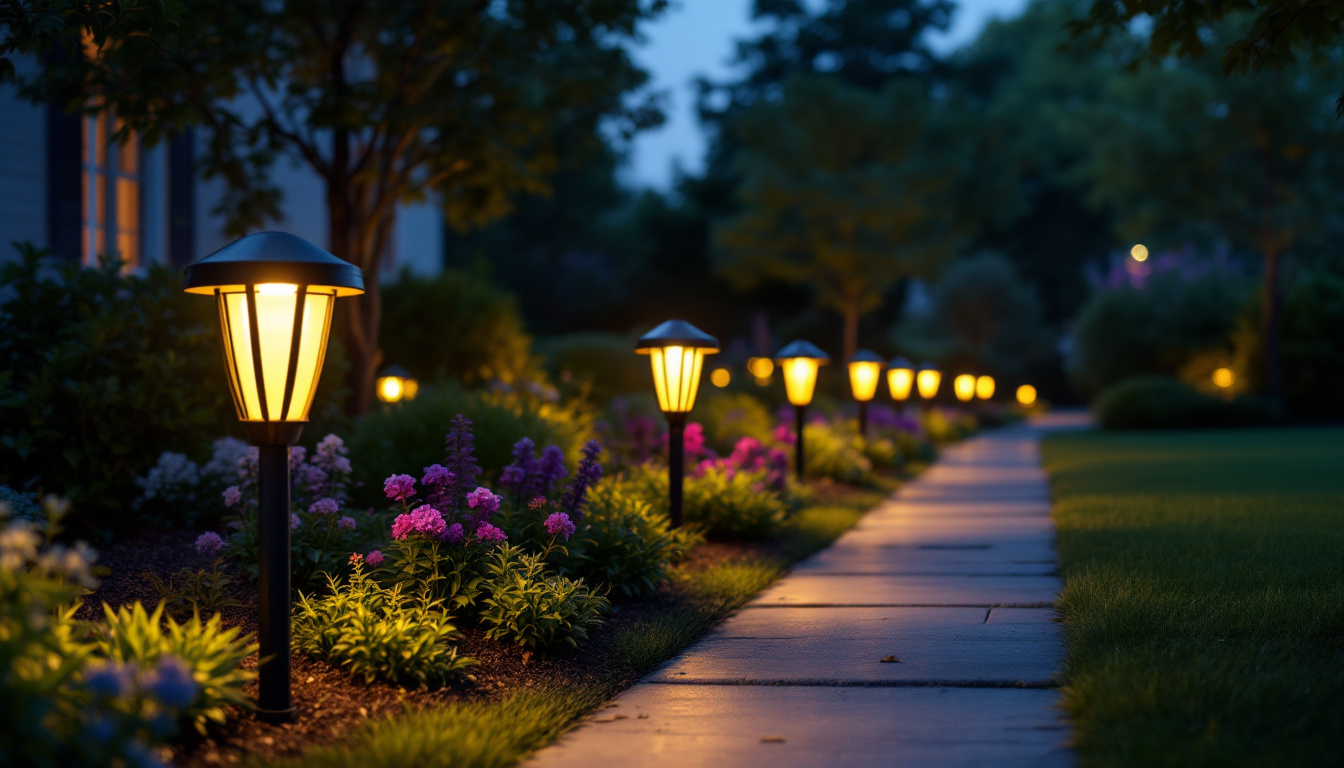
Additionally, Par bulbs can be utilized in landscape lighting, providing both aesthetic appeal and security. Their ability to create dramatic effects with shadows and highlights makes them a favorite among designers and contractors alike. Beyond these applications, Par bulbs are also frequently used in photography and videography, where controlled lighting can significantly enhance the quality of images and videos. The adjustable nature of these bulbs allows photographers to manipulate light to achieve the desired mood and effect, making them an indispensable tool in the creative industry.
Moreover, advancements in technology have led to the development of LED Par light bulbs, which offer energy efficiency and longer lifespans compared to traditional incandescent options. These LED variants not only reduce electricity costs but also provide a range of color temperatures, allowing users to customize their lighting to suit various environments and occasions. As sustainability becomes increasingly important, the shift towards LED Par bulbs represents a significant step forward in creating eco-friendly lighting solutions.
Choosing the Right Par Bulb
Selecting the appropriate Par light bulb for a specific project involves considering several factors. These include the desired brightness, beam angle, color temperature, and energy efficiency. Each of these elements plays a significant role in achieving the desired lighting effect.
Brightness and Lumen Output
Brightness is a critical factor when choosing a Par light bulb. The lumen output indicates how much light a bulb emits. Higher lumen ratings are ideal for spaces that require bright lighting, while lower lumen ratings may suffice for ambient or accent lighting.
Contractors should assess the lighting needs of the space before selecting a bulb. For instance, a retail store may require brighter lighting to highlight products, whereas a restaurant may benefit from softer, more inviting illumination.
Beam Angle Considerations
The beam angle of a Par light bulb determines how wide or narrow the light spread will be. A narrow beam angle (e.g., 15 degrees) is suitable for spotlighting, while a wider beam angle (e.g., 60 degrees) is better for general illumination. Understanding the beam angle is essential for achieving the desired lighting effect in a space.
Contractors should also consider the layout of the space and the placement of fixtures. A well-planned lighting design can enhance the functionality and aesthetics of a room.
Color Temperature and Mood Setting
Color temperature, measured in Kelvins (K), significantly impacts the ambiance of a space. Par light bulbs come in various color temperatures, ranging from warm white (around 2700K) to cool white (5000K and above). Warm white light creates a cozy atmosphere, making it ideal for homes and restaurants, while cool white light is often preferred for workspaces and retail environments.
Choosing the right color temperature can enhance the mood of a space and influence how colors are perceived. Lighting contractors should work closely with clients to understand their preferences and the intended use of the space.
Energy Efficiency and Sustainability
In today’s environmentally conscious market, energy efficiency is a significant consideration for lighting contractors. Par light bulbs are available in both incandescent and LED options, with LED bulbs offering superior energy efficiency and longevity. Understanding the differences between these options can help contractors make informed recommendations to their clients.
Benefits of LED Par Bulbs
LED Par light bulbs consume significantly less energy compared to traditional incandescent bulbs, resulting in lower electricity bills and reduced environmental impact. Additionally, LED bulbs have a longer lifespan, often lasting up to 25,000 hours or more. This longevity translates to fewer replacements and maintenance costs over time.
Contractors should emphasize these benefits to clients, as the initial investment in LED technology can lead to substantial savings in the long run. Furthermore, many clients appreciate the reduced carbon footprint associated with energy-efficient lighting solutions.
Rebates and Incentives
Many utility companies and government programs offer rebates and incentives for energy-efficient lighting upgrades. Contractors should stay informed about these opportunities, as they can provide significant financial benefits to clients. By incorporating energy-efficient lighting solutions, contractors can help clients take advantage of these programs while also promoting sustainable practices.
Encouraging clients to invest in energy-efficient lighting not only enhances their spaces but also aligns with broader sustainability goals, making it a win-win situation for everyone involved.
Installation Tips for Par Light Bulbs
Proper installation is crucial for maximizing the performance of Par light bulbs. Lighting contractors should adhere to best practices to ensure safety, efficiency, and optimal lighting outcomes. Here are some essential installation tips to consider.
Wiring and Fixture Compatibility
Before installation, it is vital to ensure that the wiring and fixtures are compatible with the chosen Par light bulbs. This includes checking the voltage and wattage ratings to prevent overheating or electrical issues. Using the correct fixtures designed for Par bulbs will also enhance their performance and longevity.
Contractors should also be aware of the specific installation requirements for different types of Par bulbs. For instance, some bulbs may require specific types of dimmers or transformers, particularly in low-voltage applications.
Positioning and Angling
Positioning and angling Par light bulbs correctly can significantly impact the effectiveness of the lighting design. Contractors should consider the intended use of the space and the desired lighting effects when determining the placement of fixtures.
For accent lighting, positioning the bulb at an angle that highlights specific features can create dramatic effects. In contrast, for general illumination, evenly spaced fixtures with wider beam angles may be more appropriate. Proper positioning ensures that the light is distributed evenly and effectively throughout the space.
Maintenance and Troubleshooting
Regular maintenance is essential for ensuring the longevity and performance of Par light bulbs. Lighting contractors should educate clients on proper care and troubleshooting techniques to address common issues.
Cleaning and Care
Dust and debris can accumulate on the surface of Par light bulbs, diminishing their brightness and efficiency. Regular cleaning with a soft, dry cloth can help maintain optimal performance. Contractors should advise clients on the best cleaning practices to avoid damaging the bulbs.
Additionally, it is essential to check for any signs of wear or damage, such as flickering or inconsistent brightness. Addressing these issues promptly can prevent more significant problems down the line.
Replacing Burned-Out Bulbs
Even with proper care, light bulbs will eventually burn out. Contractors should guide clients on how to safely replace burned-out Par bulbs. This includes turning off the power, allowing the bulb to cool, and using appropriate tools to remove and replace the bulb.
Educating clients about the expected lifespan of their chosen bulbs can also help them anticipate replacements and plan accordingly. This proactive approach can enhance client satisfaction and trust in the contractor’s expertise.
Conclusion
Par light bulbs are a versatile and effective lighting solution for various applications, making them a valuable addition to any lighting contractor’s toolkit. By understanding the different types of Par bulbs, their applications, and the factors influencing their performance, contractors can make informed decisions that meet their clients’ needs.
From selecting the right bulb to ensuring proper installation and maintenance, each step plays a crucial role in delivering quality lighting solutions. By staying informed about energy efficiency, sustainability, and best practices, lighting contractors can enhance their services and build lasting relationships with clients.
Ultimately, the goal is to create spaces that are not only well-lit but also functional and aesthetically pleasing. With the right knowledge and approach, lighting contractors can excel in their field and contribute positively to the evolving landscape of lighting design.
Illuminate Your Projects with LumenWholesale
Ready to elevate your lighting projects with premium Par light bulbs? Look no further than LumenWholesale, where we provide lighting contractors with spec-grade lighting products at unbeatable wholesale prices. Our extensive selection is designed to meet the highest industry standards, ensuring you deliver reliable and high-performance lighting solutions to your clients. Take advantage of our hassle-free bulk buying options and enjoy free shipping, giving you the best value without any hidden fees. Make your next project shine and experience the best in wholesale lighting at LumenWholesale.