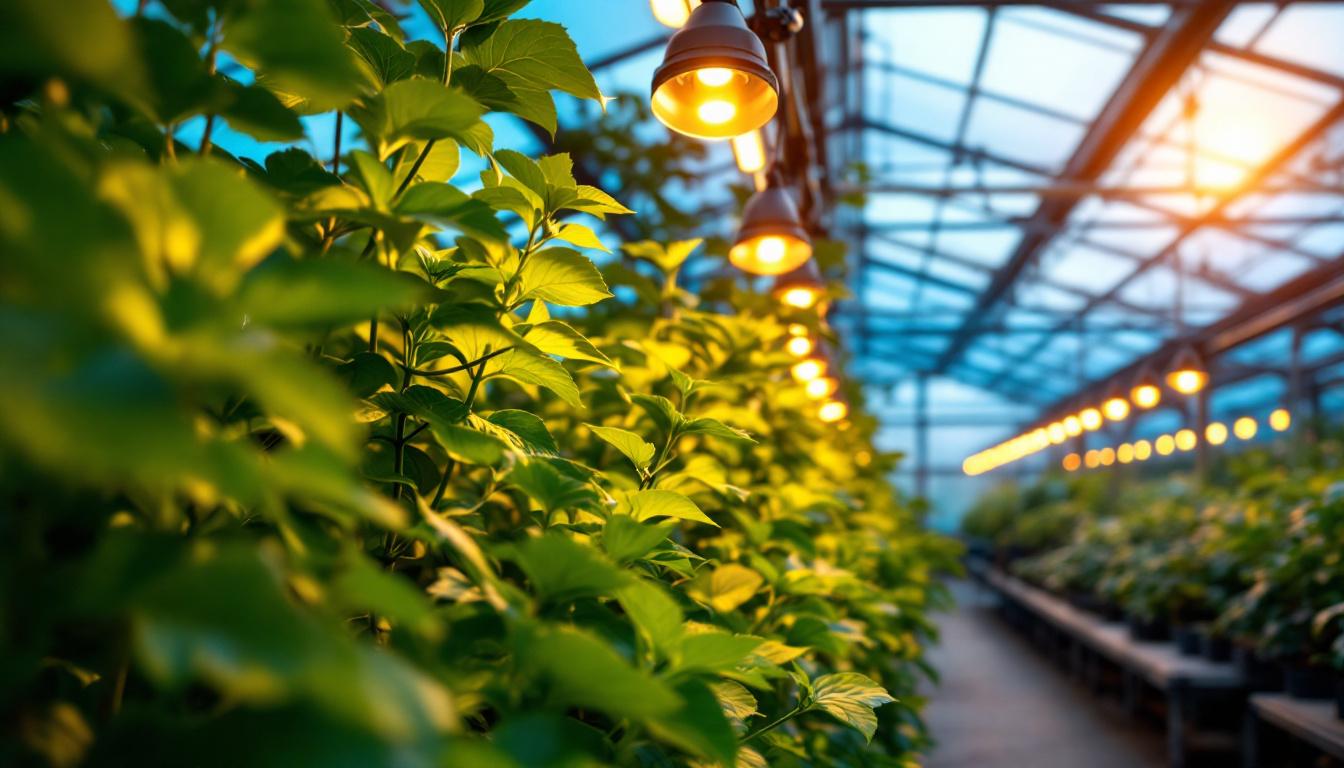
As the demand for sustainable and efficient agricultural practices continues to rise, lighting contractors are increasingly turning to LED greenhouse lights. These innovative lighting solutions not only enhance plant growth but also offer energy efficiency and cost savings. This article explores the top strategies that lighting contractors can employ when working with LED greenhouse lights, ensuring optimal results for their clients.
Understanding the Benefits of LED Greenhouse Lights
LED greenhouse lights have revolutionized the way plants are grown indoors. Unlike traditional lighting options, LEDs provide a spectrum of light that can be tailored to the specific needs of various crops. This adaptability is one of the key reasons why lighting contractors are embracing LED technology.
Energy Efficiency
One of the most significant advantages of LED lights is their energy efficiency. LEDs consume considerably less power than incandescent or fluorescent lights, translating to lower electricity bills for greenhouse operators. This efficiency not only benefits the environment but also enhances the overall profitability of greenhouse operations.
Moreover, the longevity of LED lights means fewer replacements are needed over time. This durability reduces maintenance costs and minimizes downtime, allowing for uninterrupted growth cycles. Lighting contractors can leverage these benefits to promote LED solutions to their clients effectively. Additionally, many utility companies offer rebates and incentives for switching to energy-efficient lighting, further enhancing the financial appeal of LEDs for greenhouse operators.
Customizable Light Spectrum
Plants require different wavelengths of light for various growth stages. LEDs can be designed to emit specific wavelengths, making them ideal for tailoring light conditions to the needs of specific crops. For instance, blue light is essential for vegetative growth, while red light promotes flowering and fruiting.
This customization allows lighting contractors to create optimal growing environments for their clients, enhancing crop yields and quality. By understanding the specific light requirements of different plants, contractors can recommend the most effective LED solutions. Furthermore, advancements in technology have led to the development of full-spectrum LEDs that can mimic natural sunlight, providing an all-in-one solution that simplifies the lighting setup for diverse plant species.
Reduced Heat Output
Another advantage of LED greenhouse lights is their low heat output. Traditional lighting systems often generate excessive heat, which can lead to increased cooling costs and stress on plants. In contrast, LEDs remain cooler, allowing for closer placement to plants without the risk of overheating.
This characteristic not only saves on energy costs associated with cooling but also promotes healthier plant growth. Lighting contractors can emphasize this benefit when discussing LED options with clients, highlighting the dual advantage of energy savings and improved plant health. Additionally, the reduced heat output can create a more stable growing environment, which is crucial for sensitive crops that thrive under consistent conditions. This stability can lead to more uniform growth rates and higher-quality produce, making it an attractive selling point for contractors looking to differentiate their offerings in a competitive market.
Designing Effective Lighting Layouts
Once the benefits of LED greenhouse lights are understood, the next step for lighting contractors is to design effective lighting layouts. A well-planned lighting design is crucial for maximizing the benefits of LED technology and ensuring that plants receive adequate light exposure.
Assessing Plant Needs
Before designing a lighting layout, it is essential to assess the specific needs of the plants being grown. Different species have varying light requirements, and understanding these needs is critical for optimal growth. Contractors should consider factors such as the type of plants, their growth stages, and the greenhouse environment.
By conducting a thorough assessment, lighting contractors can create a tailored lighting plan that meets the unique requirements of each crop. This personalized approach not only enhances plant health but also builds trust with clients, showcasing the contractor’s expertise. Additionally, understanding the photoperiod requirements of plants—how long they need light versus darkness—can further refine the lighting strategy. For instance, some plants thrive under long hours of light, while others may require shorter days to induce flowering. This nuanced understanding allows for a more sophisticated lighting schedule that aligns with the biological rhythms of the plants.
Utilizing Light Measurement Tools
To design an effective lighting layout, contractors should utilize light measurement tools such as PAR (Photosynthetically Active Radiation) meters. These devices measure the light intensity and quality reaching the plants, providing valuable data for optimizing lighting setups.
By measuring light levels at different points within the greenhouse, contractors can identify areas that may require additional lighting or adjustments. This data-driven approach ensures that every plant receives the appropriate amount of light, leading to improved growth and yields. Moreover, integrating light sensors that can automatically adjust the lighting based on real-time measurements can enhance energy efficiency. These sensors can help reduce energy costs by dimming or brightening lights as needed, ensuring that plants are never under- or over-lit, which can lead to stress and reduced productivity.
Creating Layered Lighting Systems
Layered lighting systems are an effective way to provide uniform light distribution throughout the greenhouse. By combining different types of LED fixtures, contractors can create a multi-layered approach that caters to the diverse light needs of various plants.
For example, overhead lights can provide general illumination, while supplemental lights can be positioned closer to specific crops that require additional light. This strategic layering not only maximizes light exposure but also enhances the overall aesthetic of the greenhouse, making it more appealing to clients. Furthermore, incorporating adjustable fixtures that can be repositioned as plants grow can significantly extend the lifespan of the lighting system. This flexibility allows contractors to adapt to the changing needs of the plants, ensuring that the lighting remains effective throughout the entire growth cycle. Additionally, using color-tunable LEDs can help simulate natural sunlight variations, which can further promote healthy plant development by mimicking seasonal changes in light quality and intensity.
Implementing Smart Lighting Controls
As technology continues to advance, the integration of smart lighting controls into LED greenhouse systems has become increasingly popular. These controls allow for automated adjustments based on environmental conditions, optimizing energy use and enhancing plant growth.
Automated Dimming and Scheduling
Automated dimming and scheduling features enable lighting contractors to tailor light exposure based on the time of day and specific plant needs. For instance, lights can be programmed to gradually increase in intensity during the morning and decrease in the evening, mimicking natural sunlight patterns.
This automation not only improves plant growth but also reduces energy consumption, as lights are only used when needed. Contractors can highlight these benefits to clients, showcasing the potential for both enhanced plant health and cost savings.
Integration with Environmental Sensors
Integrating LED lighting systems with environmental sensors can further enhance the effectiveness of greenhouse operations. Sensors can monitor temperature, humidity, and light levels, allowing for real-time adjustments to the lighting system.
This integration ensures that plants receive optimal light conditions while minimizing energy waste. Lighting contractors can position themselves as leaders in technology by offering these advanced solutions to clients, demonstrating a commitment to innovation and efficiency.
Training and Education for Clients
While lighting contractors play a crucial role in designing and implementing LED greenhouse lighting systems, educating clients about the technology is equally important. Providing training and resources can empower clients to make informed decisions and maximize the benefits of their new lighting systems.
Workshops and Demonstrations
Hosting workshops and demonstrations can be an effective way to engage clients and showcase the advantages of LED greenhouse lights. These events allow contractors to explain the technology, demonstrate its effectiveness, and answer any questions clients may have.
By providing hands-on experiences, contractors can build stronger relationships with clients and instill confidence in their recommendations. Additionally, these workshops can serve as a platform for networking and collaboration within the agricultural community.
Providing Comprehensive Resources
In addition to workshops, lighting contractors should consider providing comprehensive resources such as guides, videos, and online tutorials. These materials can help clients understand the operation and maintenance of their LED lighting systems, ensuring they get the most out of their investment.
Offering ongoing support and resources not only enhances client satisfaction but also positions contractors as trusted advisors in the industry. This approach fosters loyalty and encourages clients to return for future projects.
Staying Updated on Industry Trends
The field of lighting technology is constantly evolving, and staying updated on industry trends is essential for lighting contractors. By keeping abreast of the latest advancements, contractors can offer cutting-edge solutions to their clients and maintain a competitive edge.
Research and Development
Investing time in research and development can yield significant benefits for lighting contractors. By exploring new technologies, materials, and techniques, contractors can discover innovative ways to enhance their LED greenhouse lighting systems.
Participating in industry conferences and trade shows can also provide valuable insights into emerging trends and best practices. Networking with other professionals can lead to collaborations and partnerships that further enhance service offerings.
Feedback and Adaptation
Gathering feedback from clients is another crucial aspect of staying updated on industry trends. Understanding clients’ experiences and challenges can inform future projects and lead to continuous improvement in services.
By adapting to client needs and preferences, lighting contractors can refine their strategies and offerings, ensuring they remain relevant in a rapidly changing market. This proactive approach not only enhances client satisfaction but also strengthens the contractor’s reputation in the industry.
Conclusion
LED greenhouse lights represent a significant advancement in agricultural lighting technology, offering numerous benefits for both contractors and clients. By understanding the advantages of LED lights, designing effective layouts, implementing smart controls, and providing education, lighting contractors can maximize the potential of these innovative systems.
As the industry continues to evolve, staying informed about trends and advancements is essential for success. By adopting a proactive approach and focusing on client education and satisfaction, lighting contractors can position themselves as leaders in the field, driving the adoption of LED greenhouse lights and contributing to sustainable agricultural practices.
Illuminate Your Greenhouse Projects with LumenWholesale
Ready to elevate your lighting projects with the efficiency and sustainability of LED greenhouse lights? At LumenWholesale, we provide lighting contractors with the highest quality, spec-grade LED lighting solutions at unbeatable wholesale prices. Say goodbye to local distributor markups and hello to superior products that meet the most rigorous industry standards. With our hassle-free bulk buying and free shipping, you can trust that you’re getting premium lighting at the best value — all without hidden fees or compromises. Don’t miss out on the perfect blend of quality, affordability, and convenience. Take the next step in advancing your greenhouse lighting strategies by visiting Wholesale Lighting at the Best Value today.