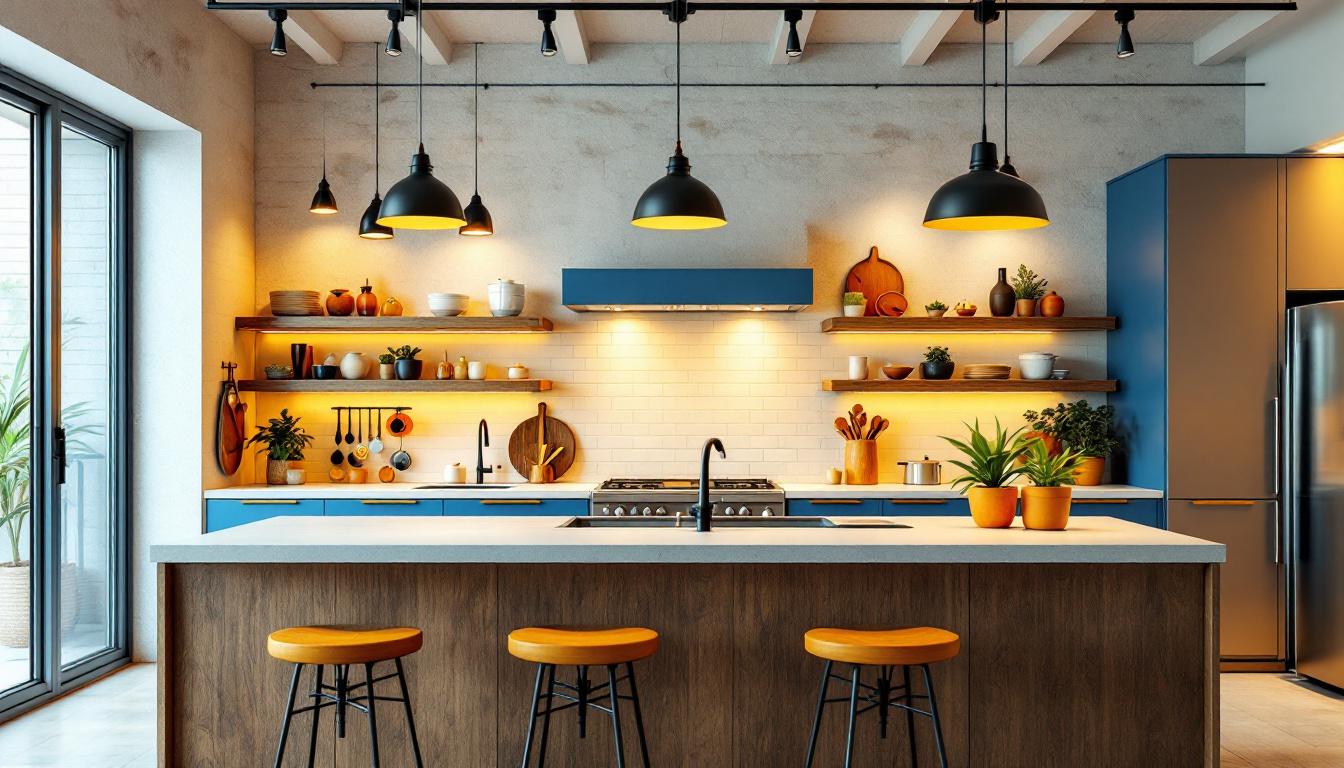
Understanding the Role of Overhead Lighting in Kitchens
Overhead lighting is the backbone of any kitchen’s illumination plan. It serves as the primary source of light, ensuring the space is functional and safe. For lighting contractors, grasping the nuances of overhead lighting is critical. The kitchen is a busy, multi-purpose area where tasks range from chopping vegetables to reading recipes. Without proper lighting, these activities become cumbersome and potentially hazardous.
Unlike other rooms, kitchens demand a blend of brightness and warmth. Overhead fixtures must eliminate shadows while complementing other lighting layers like under-cabinet lights or pendant lamps. The goal is to create an environment that is both practical and inviting.
Choosing the right type of overhead lighting can significantly impact the kitchen’s overall ambiance. Options such as recessed lighting offer a sleek, modern look while providing ample illumination without taking up visual space. On the other hand, statement fixtures like chandeliers or large pendant lights can serve as focal points, adding character and style to the kitchen. Additionally, dimmable options allow homeowners to adjust the brightness according to the time of day or occasion, making the kitchen a versatile space for both cooking and entertaining.
Furthermore, the placement of overhead lighting is equally important. Strategically positioning lights above key areas such as the island, stove, and sink ensures that every task is well-lit. This not only enhances functionality but also contributes to the kitchen’s aesthetic appeal. Incorporating smart lighting technology can also elevate the experience, allowing users to control the lighting through their smartphones or voice-activated devices. This level of customization not only adds convenience but also promotes energy efficiency, making it an ideal choice for modern kitchens.
Types of Overhead Lighting Suitable for Kitchens
Recessed Lighting
Recessed lights, also known as can lights or downlights, are a popular choice for kitchens. They provide broad, even illumination without cluttering the ceiling. These fixtures are installed flush with the ceiling, which helps maintain a clean, modern look.
Lighting contractors should consider the spacing and beam angle carefully. Typically, recessed lights are spaced about 4 to 6 feet apart, depending on ceiling height and fixture wattage. Using adjustable trims allows for directing light towards work areas or accentuating design elements. Additionally, incorporating dimmer switches can enhance the functionality of recessed lighting, allowing homeowners to adjust the brightness according to the time of day or specific tasks, creating a more versatile atmosphere.
Flush Mount and Semi-Flush Mount Fixtures
Flush mount fixtures sit directly against the ceiling, making them ideal for kitchens with lower ceilings. Semi-flush mounts hang slightly below the ceiling, offering a bit more style and dimension. Both types provide broad ambient lighting but can also serve as statement pieces when chosen with care.
Contractors should ensure these fixtures have appropriate brightness levels and color temperature to avoid harsh or dim lighting. LED options are preferred for their energy efficiency and longevity. Moreover, selecting fixtures with decorative elements, such as glass shades or intricate metalwork, can elevate the kitchen’s design, making these lighting choices not just functional but also aesthetically pleasing. The right flush or semi-flush mount can tie together the overall theme of the kitchen, whether it’s contemporary, rustic, or traditional.
Track Lighting
Track lighting offers flexibility and control. It consists of multiple adjustable heads mounted on a track, allowing the light to be directed precisely where needed. This is especially useful in kitchens with complex layouts or multiple work zones.
Installation requires careful planning to avoid an overcrowded ceiling and to maintain aesthetic balance. Track lighting complements other overhead fixtures well, adding layers and depth to the kitchen’s lighting design. Furthermore, track lighting can be customized with various bulb types and colors, allowing homeowners to create a unique ambiance. For instance, warm white bulbs can create a cozy atmosphere for family gatherings, while cooler tones can enhance the workspace during meal prep. This versatility makes track lighting an excellent choice for those who enjoy cooking and entertaining in their kitchens.
Key Considerations for Lighting Contractors
Color Temperature and CRI
Color temperature, measured in Kelvins (K), influences the mood and functionality of kitchen lighting. For overhead kitchen lighting, a range between 3000K and 4000K is generally ideal. This range provides a neutral to slightly warm light that enhances food presentation and creates a welcoming atmosphere.
Color Rendering Index (CRI) is equally important. A CRI of 80 or above ensures colors appear natural and vibrant, which is essential in kitchens where food preparation and presentation are key. Lighting contractors should specify fixtures with high CRI values to meet client expectations.
Brightness and Lumens
Brightness is measured in lumens, and kitchens typically require higher lumen outputs due to their functional nature. The Illuminating Engineering Society recommends around 500 to 800 lumens per square meter for kitchen work areas.
Contractors must calculate the total lumens needed based on kitchen size and layout. Overhead lighting should provide sufficient general illumination, while task lighting can supplement specific zones. Avoid under-lighting, which can cause eye strain and reduce safety.
Energy Efficiency and Sustainability
Energy-efficient lighting solutions are a priority for many clients. LED technology dominates the market due to its low power consumption, long lifespan, and minimal heat output. Lighting contractors should advocate for LED fixtures in overhead kitchen lighting projects.
Additionally, integrating dimmers and smart controls can optimize energy use and enhance user experience. These systems allow homeowners to adjust lighting levels based on time of day or activity, further reducing energy waste.
Installation Best Practices
Positioning and Spacing
Proper placement of overhead fixtures is crucial. Lighting contractors should avoid placing lights directly above reflective surfaces like stainless steel appliances, which can cause glare. Instead, position fixtures to evenly distribute light across counters, islands, and cooking areas.
Spacing depends on fixture type and ceiling height. For recessed lights, a common rule is to space them about half the ceiling height apart. For example, if the ceiling is 8 feet high, lights should be spaced approximately 4 feet apart. This ensures balanced illumination without dark spots.
Wiring and Safety Codes
Adherence to local electrical codes and safety standards cannot be overstated. Kitchens are high-moisture environments, so fixtures must be rated for damp or wet locations where applicable. Ground-fault circuit interrupters (GFCIs) are mandatory near sinks and counters to prevent electrical hazards.
Lighting contractors should also plan wiring routes to minimize interference with plumbing and ventilation systems. Using junction boxes and conduit where required ensures a safe and code-compliant installation.
Coordination with Other Trades
Successful kitchen lighting installation often requires coordination with electricians, cabinet installers, and interior designers. Early collaboration helps avoid conflicts such as fixture placement interfering with cabinetry or appliances.
Contractors should review kitchen layouts and electrical plans thoroughly before installation. This proactive approach reduces costly adjustments and ensures the lighting design complements the overall kitchen aesthetic.
Common Challenges and How to Overcome Them
Dealing with Low Ceilings
Low ceilings limit fixture options and can make kitchens feel cramped if lighting is bulky or poorly placed. Lighting contractors can recommend flush mount or recessed fixtures to maximize headroom. Choosing fixtures with diffusers helps spread light evenly without creating harsh shadows.
In some cases, combining overhead lighting with wall sconces or under-cabinet lights can compensate for the reduced ceiling height while maintaining adequate illumination.
Minimizing Glare and Shadows
Glare and shadows are common complaints in kitchen lighting. Overhead lights placed too close to reflective surfaces or directly above work areas can cause discomfort and reduce visibility.
Using diffused lighting, adjustable fixtures, and layering light sources helps mitigate these issues. Contractors should also consider the angle and beam spread of overhead lights to ensure even coverage without harsh contrasts.
Balancing Aesthetics and Functionality
Clients often want stylish lighting that enhances their kitchen’s design. However, aesthetics should never compromise functionality. Lighting contractors must educate clients on the importance of adequate brightness and proper color temperature.
Offering a range of fixture styles that meet both design and performance criteria can satisfy client preferences while ensuring the kitchen remains a practical workspace.
Emerging Trends in Kitchen Overhead Lighting
Smart Lighting Integration
Smart lighting systems are gaining traction in kitchen design. These systems allow users to control brightness, color temperature, and even lighting scenes via smartphone apps or voice commands. For lighting contractors, familiarity with smart lighting platforms is becoming essential.
Integrating smart controls with overhead lighting can enhance user convenience and energy efficiency. It also adds a modern touch that appeals to tech-savvy homeowners.
Human-Centric Lighting
Human-centric lighting focuses on mimicking natural daylight patterns to support circadian rhythms. Adjustable color temperature and intensity throughout the day can improve mood and productivity in the kitchen.
Lighting contractors can recommend fixtures with tunable white LEDs that shift from cool to warm light. This approach not only enhances kitchen functionality but also contributes to overall well-being.
Minimalist and Modular Designs
Minimalist fixtures with clean lines and modular components are popular for modern kitchens. These designs allow for customization and easy upgrades without extensive rewiring.
Contractors should stay updated on new products that offer flexibility and sleek aesthetics, catering to clients who value both form and function.
Final Thoughts for Lighting Contractors
Overhead lighting in kitchens is more than just a practical necessity; it shapes the entire cooking and dining experience. Lighting contractors who understand the technical and aesthetic demands of kitchen lighting can deliver solutions that satisfy clients and stand the test of time.
By focusing on appropriate fixture selection, proper placement, energy efficiency, and emerging technologies, contractors can elevate their projects and build lasting reputations. Kitchens deserve lighting that is bright, balanced, and beautiful-and it’s the contractor’s expertise that makes that possible.
Illuminate Your Projects with LumenWholesale
Ready to take your kitchen lighting projects to the next level? At LumenWholesale, we offer an exceptional range of high-quality, spec-grade overhead lighting options that cater to the needs of every kitchen space. Our commitment to providing contractors with superior products at wholesale prices means you can deliver outstanding results to your clients while maximizing your profits. With free shipping on bulk orders, you can trust that you’re getting the best value without any hidden costs. Elevate your lighting game and discover the best in wholesale lighting today with LumenWholesale.