Introduction to LED Lighting in Outdoor Spaces
Outdoor lighting has undergone a significant transformation over the past decade, with LED technology leading the charge. For lighting contractors, understanding the nuances of outside LED light fixtures is essential not only for meeting client expectations but also for staying ahead in a competitive market. LED (Light Emitting Diode) fixtures offer a blend of energy efficiency, durability, and design flexibility that traditional lighting solutions struggle to match.
As urban landscapes evolve and sustainability becomes a priority, the demand for intelligent, eco-friendly outdoor lighting solutions continues to rise. LED fixtures are at the forefront of this shift, offering superior performance in a variety of applications, from residential pathways to expansive commercial developments.
One of the most compelling advantages of LED lighting is its remarkable longevity. Unlike traditional incandescent bulbs, which may last for about 1,000 hours, LED lights can endure for 25,000 hours or more, significantly reducing replacement costs and maintenance efforts. This durability is particularly beneficial in outdoor settings, where fixtures are often exposed to harsh weather conditions. Moreover, LEDs are less susceptible to breakage compared to fragile glass bulbs, making them an ideal choice for high-traffic areas or locations prone to vandalism.
In addition to their longevity, LED lights are also highly adaptable, available in a wide range of colors and intensities. This versatility allows designers and contractors to create customized lighting schemes that enhance the aesthetic appeal of outdoor spaces. Whether illuminating a serene garden path with soft, warm tones or spotlighting architectural features with bright, cool hues, LED technology can cater to diverse lighting needs. Furthermore, many LED fixtures are now equipped with smart technology, enabling users to control brightness and color temperature remotely, thus providing an added layer of convenience and energy management.
Advantages of LED Fixtures for Outdoor Use
Energy Efficiency and Cost Savings
One of the most compelling reasons to choose LED fixtures for outdoor lighting is their remarkable energy efficiency. LEDs consume a fraction of the power required by incandescent or halogen bulbs, often reducing energy consumption by up to 80%. This efficiency translates directly into lower operating costs, a critical consideration for large-scale installations such as parking lots, street lighting, and public parks.
Lighting contractors can leverage this advantage when advising clients on long-term savings and sustainability goals. The reduced energy demand also means less strain on local power grids, contributing to broader environmental benefits. Furthermore, as municipalities and organizations increasingly prioritize green initiatives, the adoption of LED technology aligns perfectly with these goals, often qualifying for rebates and incentives that further enhance cost savings. This makes LEDs not just a smart choice for immediate savings, but also a strategic investment for the future.
Longevity and Durability
Outdoor environments can be harsh, subjecting fixtures to extreme weather, temperature fluctuations, and physical impact. LED fixtures are designed with durability in mind, often featuring robust housings made from materials like die-cast aluminum and polycarbonate lenses that resist corrosion and UV damage.
Moreover, LEDs have an average lifespan far exceeding traditional bulbs—often lasting 25,000 to 50,000 hours or more. This longevity minimizes maintenance frequency and costs, a significant advantage for contractors managing large or hard-to-access installations. In addition, the reduced need for frequent replacements not only lowers labor costs but also decreases waste, making LEDs a more environmentally friendly option. This aspect is particularly appealing for organizations looking to enhance their sustainability profiles while ensuring reliable outdoor lighting.
Superior Light Quality and Control
LED technology offers unparalleled control over color temperature and brightness levels. Outdoor LED fixtures can be tailored to emit warm or cool light, depending on the desired ambiance or functional requirements. This flexibility allows contractors to create lighting designs that enhance safety, aesthetics, and visibility.
Additionally, many LED fixtures integrate seamlessly with smart controls, including dimmers, motion sensors, and programmable timers. Such features enable dynamic lighting schemes that respond to environmental conditions or user activity, improving energy efficiency and user experience. For instance, motion sensors can activate lights only when needed, significantly reducing energy waste in low-traffic areas. This adaptability not only enhances the functionality of outdoor spaces but also contributes to a sense of security, as well-lit environments deter potential criminal activity. As cities and communities evolve, the ability to customize and control outdoor lighting becomes increasingly vital, making LED fixtures a forward-thinking choice for modern lighting solutions.
Innovative Design Trends in Outdoor LED Lighting
Architectural Integration and Minimalism
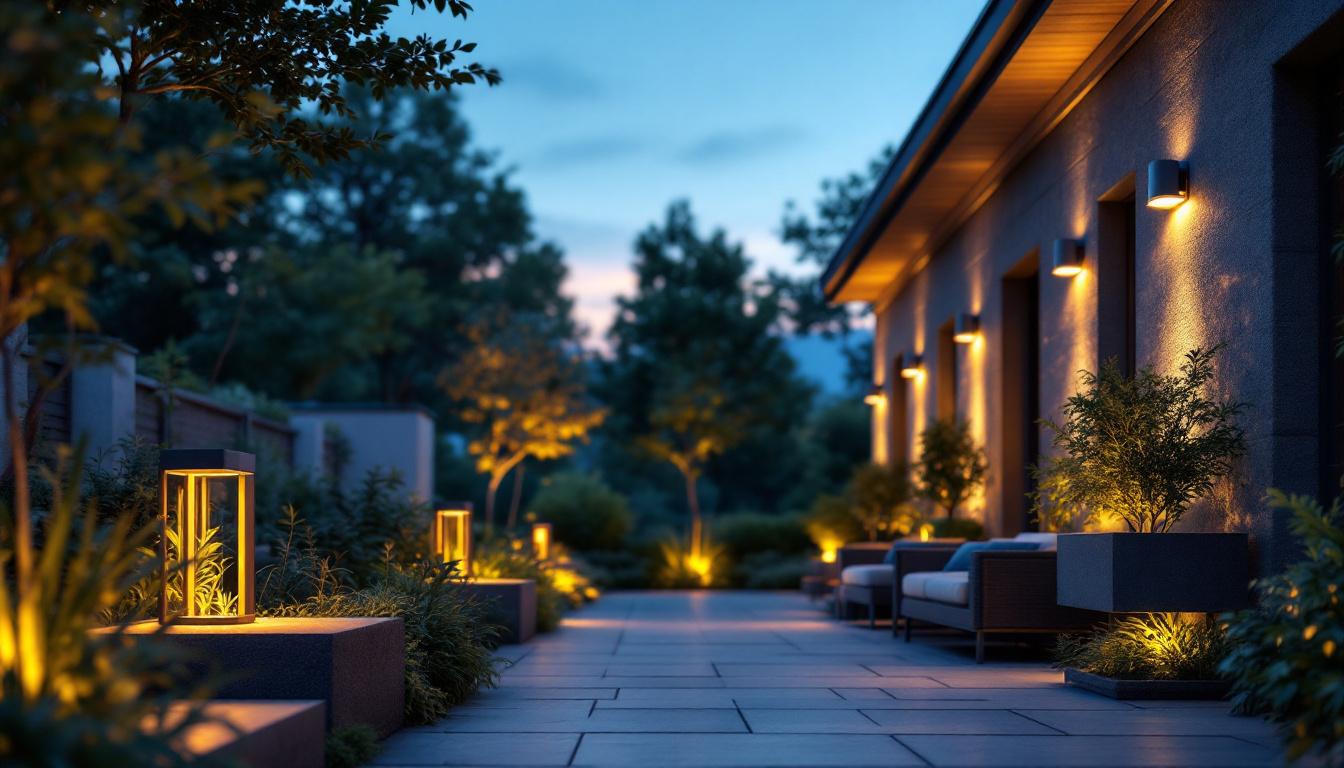
Modern outdoor lighting design emphasizes subtlety and integration. LED fixtures are increasingly designed to blend seamlessly with architectural elements, providing illumination without detracting from the overall aesthetic. Slim profiles, recessed installations, and customizable finishes allow lighting to complement building facades, landscaping, and hardscapes.
Lighting contractors are now expected to provide solutions that maintain the visual integrity of outdoor spaces while delivering effective illumination. This trend calls for a deep understanding of both lighting technology and design principles.
Dynamic and Adaptive Lighting Systems
Advances in LED technology have enabled the creation of adaptive lighting systems that adjust in real time. For example, streetlights equipped with sensors can dim during low-traffic hours and brighten when pedestrians or vehicles approach. Such systems optimize energy use and enhance safety.
For contractors, installing these intelligent systems requires familiarity with networking protocols, sensor integration, and control software. The ability to offer these advanced solutions can differentiate a contractor’s services in a competitive market.
Color-Tunable and RGB LED Fixtures
Beyond functional lighting, LED technology supports vibrant color tuning and dynamic effects. RGB (Red, Green, Blue) LED fixtures allow for millions of color combinations, enabling creative lighting displays for events, holidays, or branding purposes. Color-tunable white LEDs can shift from warm to cool tones to suit different moods or times of day.
This versatility opens new opportunities for contractors to collaborate with designers and clients on bespoke lighting projects that go beyond traditional illumination.
Installation Best Practices for Outdoor LED Fixtures
Site Assessment and Planning
Successful installation begins with a thorough site assessment. Contractors must evaluate environmental factors such as exposure to moisture, temperature extremes, and potential physical damage. Understanding the site’s electrical infrastructure and local regulations is equally important to ensure compliance and safety.
Careful planning also involves determining optimal fixture placement to achieve uniform light distribution, minimize glare, and avoid light pollution. Utilizing photometric analysis tools can assist in creating precise lighting layouts that meet both aesthetic and functional goals.
Wiring and Power Considerations
LED fixtures typically operate on low voltage DC power, which necessitates the use of appropriate transformers or drivers. Selecting high-quality drivers that match the fixture specifications is critical to ensure stable performance and longevity.
Contractors should also consider surge protection and waterproof connectors to safeguard against electrical faults and environmental damage. Proper grounding and adherence to electrical codes are mandatory to prevent hazards and ensure system reliability.
Integration with Smart Controls
When incorporating smart control systems, careful attention must be paid to compatibility and communication protocols. Wireless controls often rely on technologies such as Zigbee, Z-Wave, or Wi-Fi, each with its own installation requirements and limitations.
Testing and commissioning are essential steps to verify that sensors, dimmers, and timers function correctly and that the system responds as intended. Providing clients with training and documentation enhances user satisfaction and reduces support calls.
Challenges and Solutions in Outdoor LED Lighting
Addressing Light Pollution and Environmental Impact
Outdoor lighting can contribute to light pollution, disrupting ecosystems and obscuring night skies. LED fixtures with precise beam control and shielding help mitigate these effects by directing light only where needed.
Contractors should advocate for dark-sky compliant fixtures and designs that minimize upward light spill. This approach not only benefits the environment but also aligns with increasingly stringent municipal lighting ordinances.
Managing Thermal Performance
Although LEDs generate less heat than traditional bulbs, managing thermal conditions remains critical. Excess heat can degrade LED components and reduce lifespan. High-quality fixtures incorporate heat sinks and ventilation features to dissipate heat effectively.
During installation, ensuring adequate airflow around fixtures and avoiding enclosed spaces without ventilation helps maintain optimal operating temperatures.
Ensuring Reliability in Harsh Conditions
Outdoor fixtures must withstand rain, snow, dust, and physical impact. Selecting fixtures with appropriate IP (Ingress Protection) ratings and IK (impact resistance) ratings is essential for durability.
Contractors should also consider corrosion-resistant materials and finishes, especially in coastal or industrial environments. Routine maintenance and inspections can identify potential issues before they lead to failures.
The Future Landscape of Outdoor LED Lighting
Integration with IoT and Smart City Infrastructure
The convergence of LED lighting with Internet of Things (IoT) technologies is reshaping outdoor lighting design. Smart fixtures equipped with sensors can collect data on traffic, weather, and air quality, feeding into broader smart city management systems.
Lighting contractors will increasingly play a role in deploying and maintaining these interconnected networks, requiring new skills in data management and system integration.
Advancements in Materials and Manufacturing
Emerging materials such as graphene-enhanced components and advanced polymers promise to improve fixture durability and efficiency further. Additive manufacturing (3D printing) is also enabling bespoke fixture designs with complex geometries that were previously impossible or cost-prohibitive.
These innovations will allow contractors to offer highly customized solutions that meet unique client needs and environmental challenges.
Sustainability and Circular Economy Practices
As sustainability becomes a core value, the lighting industry is adopting circular economy principles—designing fixtures for easy disassembly, recycling, and reuse. LED fixtures with modular components simplify repairs and upgrades, extending product life cycles.
Contractors can contribute to sustainability goals by recommending products and installation practices that reduce waste and environmental impact.
Conclusion
Outside LED light fixtures represent a transformative shift in outdoor lighting design and installation. Their energy efficiency, durability, and adaptability make them indispensable for modern lighting contractors aiming to deliver high-quality, sustainable solutions.
Staying informed about the latest technologies, design trends, and best practices will empower contractors to meet evolving client demands and regulatory requirements. As outdoor lighting continues to integrate with smart technologies and sustainable practices, LED fixtures will remain at the heart of innovative, responsible lighting design.
Illuminate Your Projects with LumenWholesale
Ready to harness the power of LED technology for your next outdoor lighting project? Look no further than LumenWholesale, where we provide lighting contractors with the highest quality, spec-grade LED fixtures at unbeatable wholesale prices. Say goodbye to local distributor markups and hello to a vast selection of reliable, high-performance lighting that meets the most rigorous industry standards. With the added benefits of free shipping and bulk buying made easy, LumenWholesale is your go-to source for premium lighting solutions that promise quality, affordability, and convenience. Elevate your lighting designs today and ensure your installations shine bright into the future. Discover the best value in wholesale lighting by visiting Wholesale Lighting at the Best Value.