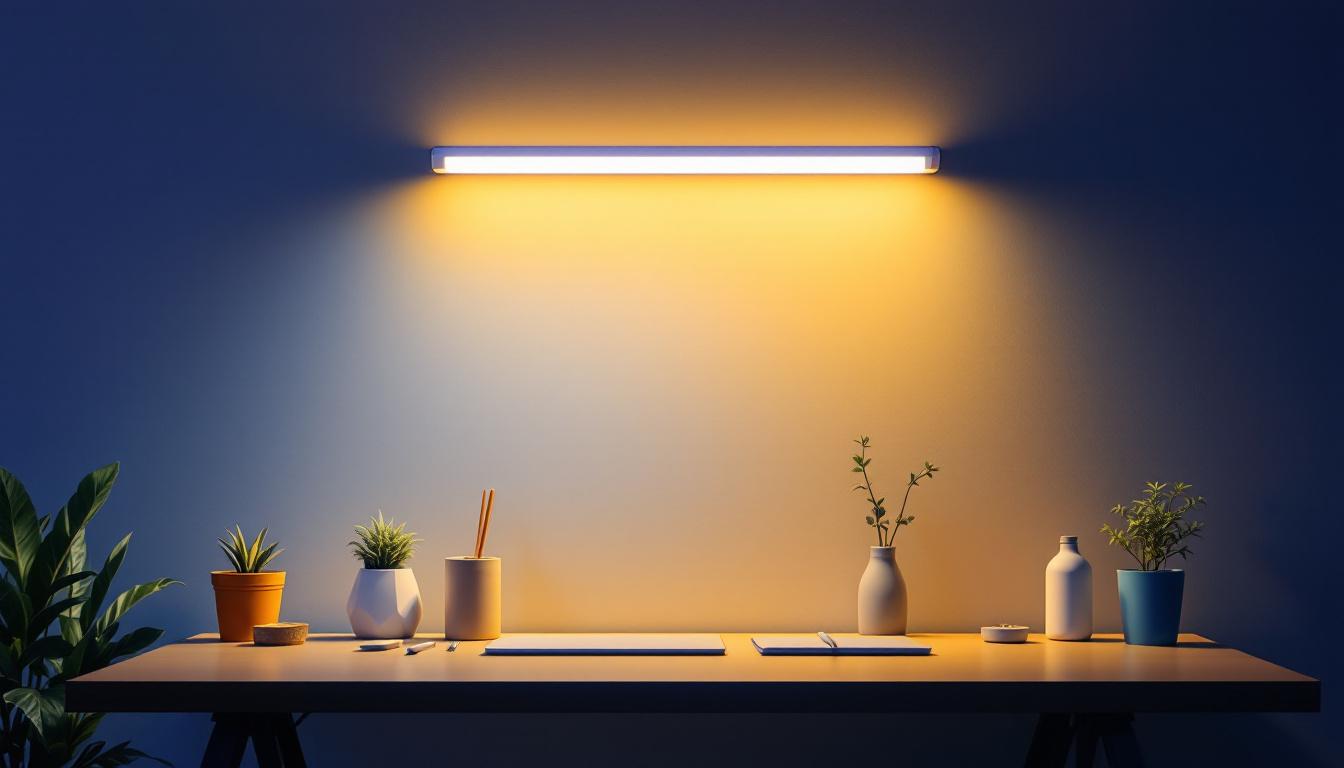
In recent years, the lighting industry has undergone a significant transformation, driven primarily by advancements in technology and a growing emphasis on energy efficiency. Among these innovations, LED tube lighting has emerged as a game changer, offering numerous benefits over traditional fluorescent tubes. This article delves into the evolution of tube LED lighting, exploring its advantages, applications, and the impact it has had on the industry.
Understanding LED Technology
Light Emitting Diodes (LEDs) represent a major leap forward in lighting technology. Unlike traditional incandescent or fluorescent bulbs, which rely on heating a filament or gas to produce light, LEDs generate light through a process called electroluminescence. This method not only enhances efficiency but also significantly extends the lifespan of the light source.
Efficiency and Longevity
One of the most notable advantages of LED technology is its efficiency. LED tubes consume substantially less energy compared to their fluorescent counterparts, often requiring only a fraction of the wattage to produce the same amount of light. This energy efficiency translates into lower electricity bills, making LED tubes an attractive option for both residential and commercial applications.
Moreover, LED tubes boast an impressive lifespan, often exceeding 25,000 hours. This longevity reduces the frequency of replacements, minimizing maintenance costs and labor for contractors. In environments where lighting fixtures are hard to access, such as high ceilings or outdoor installations, the extended lifespan of LED tubes is particularly beneficial. Furthermore, the durability of LEDs means they are less prone to breakage, which can be a significant advantage in high-traffic areas or industrial settings where traditional bulbs might fail more frequently.
Environmental Impact
In an era where sustainability is paramount, the environmental benefits of LED technology cannot be overlooked. Unlike fluorescent tubes, which contain hazardous materials like mercury, LED tubes are free from such substances, making them safer for the environment. Additionally, their lower energy consumption contributes to a reduction in greenhouse gas emissions, aligning with global efforts to combat climate change.
Furthermore, the production process of LEDs is generally more eco-friendly compared to that of traditional lighting options. Many manufacturers are now adopting sustainable practices, such as using recyclable materials and reducing waste during production. The compact size of LEDs also allows for more efficient packaging and transportation, further minimizing their carbon footprint. As cities and communities increasingly prioritize green initiatives, the adoption of LED technology plays a crucial role in creating a more sustainable future, promoting not only energy savings but also a healthier planet for generations to come.
The Transition from Fluorescent to LED Tubes
The transition from traditional fluorescent tubes to LED tubes has been fueled by a combination of regulatory changes, market demand, and technological advancements. As energy efficiency standards have tightened, many businesses and contractors have sought alternatives that not only comply with regulations but also provide better performance.
Regulatory Influences
Governments around the world have implemented stricter regulations regarding energy consumption and emissions. These regulations have encouraged the adoption of LED technology, as it meets and often exceeds the required standards. Contractors must stay informed about these regulations to guide their clients effectively and ensure compliance in their projects.
In some regions, incentives and rebates for switching to LED lighting have further accelerated this transition. These financial benefits can significantly reduce the upfront costs associated with upgrading lighting systems, making it a more appealing option for businesses. Additionally, some municipalities have launched initiatives that promote energy-efficient practices, creating a supportive environment for companies to make the switch. This not only helps businesses save on energy bills but also positions them as environmentally responsible entities in the eyes of consumers.
Market Demand
The growing awareness of energy efficiency and sustainability among consumers has also driven the demand for LED tube lighting. Businesses are increasingly looking for ways to reduce their carbon footprint and operational costs, and LED tubes offer a practical solution. This shift in consumer preferences has prompted manufacturers to invest in research and development, leading to continuous improvements in LED technology.
Moreover, the versatility of LED tubes has made them suitable for a wide range of applications, from commercial spaces to residential settings. Unlike fluorescent tubes, which often require specific fixtures and can be limited in design, LED tubes can be easily integrated into existing lighting systems or used in new installations. This adaptability not only simplifies the transition process but also opens up opportunities for innovative lighting designs that enhance the aesthetic appeal of spaces. As businesses recognize the long-term benefits of LED technology, including reduced maintenance costs and longer lifespans, the momentum behind this transition is likely to continue growing.
Applications of LED Tube Lighting
LED tube lighting is versatile and can be used in a wide range of applications. From commercial spaces to residential settings, the adaptability of LED tubes makes them an ideal choice for various environments.
Commercial Spaces
In commercial settings, LED tubes are commonly used in offices, retail stores, and warehouses. Their ability to provide bright, even illumination enhances visibility and creates a more inviting atmosphere for customers and employees alike. Additionally, the energy savings associated with LED tubes can significantly impact a business’s bottom line, making them a smart investment.
Moreover, LED tubes can be integrated into smart lighting systems, allowing for greater control over lighting levels and schedules. This capability not only enhances energy efficiency but also improves the overall user experience. Businesses can program the lighting to adjust according to the time of day or occupancy, ensuring that energy is not wasted during off-peak hours. This level of customization can also support specific tasks, such as brighter lighting for detailed work or softer tones for relaxation areas, further enhancing employee productivity and comfort.
Residential Use
In residential applications, LED tubes are becoming increasingly popular for kitchens, garages, and basements. Their sleek design and various color temperatures allow homeowners to customize their lighting to suit their preferences and needs. The ability to dim LED tubes also adds versatility, enabling homeowners to create different moods and atmospheres in their living spaces.
Furthermore, the long lifespan and low maintenance requirements of LED tubes make them an attractive option for homeowners looking to reduce the hassle of frequent bulb replacements. Unlike traditional fluorescent tubes, which often flicker and degrade in quality over time, LED tubes maintain consistent brightness and color quality throughout their lifespan. This reliability is particularly beneficial in areas such as home offices or craft rooms, where consistent lighting is crucial for detailed tasks. Additionally, with options for color-changing LED tubes, homeowners can easily transform the ambiance of a room for special occasions or seasonal decor, adding a dynamic element to their living spaces.
Challenges and Considerations
Despite the numerous advantages of LED tube lighting, there are challenges and considerations that contractors must keep in mind when recommending or installing these products.
Initial Costs
While the long-term savings associated with LED tubes are substantial, the initial investment can be higher than that of traditional fluorescent tubes. Contractors should be prepared to educate clients about the long-term benefits and potential return on investment to justify the upfront costs.
Additionally, the availability of various LED tube options can create confusion for contractors and consumers alike. It is essential to choose high-quality products from reputable manufacturers to ensure optimal performance and longevity.
Compatibility Issues
Another challenge is compatibility with existing fixtures. Some LED tubes are designed to work with existing ballasts, while others require a direct connection to the electrical supply. Contractors must carefully assess the existing lighting infrastructure and select the appropriate LED tubes to avoid installation issues and ensure optimal performance.
The Future of Tube LED Lighting
The future of tube LED lighting looks promising, with ongoing advancements in technology and design. As manufacturers continue to innovate, we can expect to see improvements in efficiency, color rendering, and smart lighting capabilities.
Smart Lighting Integration
As the Internet of Things (IoT) continues to expand, the integration of smart technology into LED tube lighting is becoming more prevalent. This integration allows for enhanced control over lighting systems, enabling users to adjust brightness, color temperature, and schedules through mobile applications or voice-activated devices. Such advancements will further enhance the appeal of LED tube lighting in both commercial and residential settings.
Enhanced Design Options
In addition to technological advancements, the design of LED tubes is also evolving. Manufacturers are exploring new shapes, sizes, and finishes to meet the aesthetic preferences of consumers. This focus on design will allow LED tubes to blend seamlessly into various environments, making them an even more attractive option for contractors and homeowners alike.
Conclusion
The evolution of tube LED lighting represents a significant milestone in the lighting industry. With their unmatched efficiency, longevity, and environmental benefits, LED tubes have become a preferred choice for contractors and consumers alike. As the industry continues to evolve, staying informed about the latest advancements and trends will be crucial for lighting contractors seeking to provide the best solutions for their clients.
Embracing the transition to LED technology not only enhances project outcomes but also contributes to a more sustainable future. By understanding the intricacies of LED tube lighting and its applications, contractors can position themselves as leaders in the industry, ready to meet the demands of an ever-changing market.
Illuminate Your Projects with LumenWholesale
Ready to lead the charge in the lighting revolution? At LumenWholesale, we provide contractors like you with the highest quality, spec-grade LED tube lighting at prices that can’t be beaten. Say goodbye to local distributor markups and hello to our extensive selection of reliable, high-performance lighting solutions. With free shipping on bulk orders, you can equip your projects with the best value in lighting without any hidden fees. Elevate your lighting game and make the switch to LED with confidence. Wholesale Lighting at the Best Value is just a click away. Join us at LumenWholesale and brighten your projects today.