Lighting is an essential component of outdoor spaces, whether for residential, commercial, or industrial applications. Among the various lighting solutions available, outdoor lights with stands have gained significant popularity due to their versatility and ease of use. This article delves into the science behind outdoor lights with stands, providing valuable insights for lighting contractors looking to enhance their offerings and understand the technology that drives these fixtures.
Understanding Outdoor Lighting
Outdoor lighting serves multiple purposes, from enhancing security to improving aesthetics. It can illuminate pathways, highlight architectural features, and create inviting atmospheres for gatherings. The science behind outdoor lighting involves not only the choice of fixtures but also the principles of light itself, including intensity, color temperature, and distribution.
The Importance of Light Quality
Light quality is a crucial factor in outdoor lighting design. The color temperature, measured in Kelvin (K), affects how we perceive the environment. Warm white light (around 2700K) creates a cozy atmosphere, ideal for residential spaces, while cooler temperatures (above 4000K) are often used in commercial settings for a more vibrant and energetic feel.
Moreover, the Color Rendering Index (CRI) measures how accurately a light source displays colors compared to natural light. A higher CRI indicates better color accuracy, which is essential for applications where color differentiation is critical, such as in retail or art galleries. Choosing the right light quality not only enhances the visual appeal of a space but also influences mood and behavior; for example, warm lighting can promote relaxation, while cooler lighting can enhance alertness and focus.
Light Distribution and Beam Angles
Understanding light distribution is vital for effective outdoor lighting design. Different fixtures offer various beam angles, which determine how light spreads across a given area. Narrow beam angles (less than 30 degrees) are suitable for spotlighting specific features, while wider angles (greater than 60 degrees) are ideal for illuminating larger areas.
Contractors must consider the intended use of the space when selecting fixtures. For instance, pathway lighting may require a broader beam angle for safety, while accent lighting for landscaping may benefit from a focused beam to highlight specific plants or features. Additionally, the placement of fixtures plays a significant role in achieving the desired effect; strategically positioning lights can create depth and dimension, enhancing the overall ambiance of outdoor areas. Incorporating dimmers and smart lighting controls can further enhance flexibility, allowing homeowners to adjust lighting levels based on activities or time of day, thus maximizing both functionality and enjoyment.
Outdoor Lights with Stands: Features and Benefits
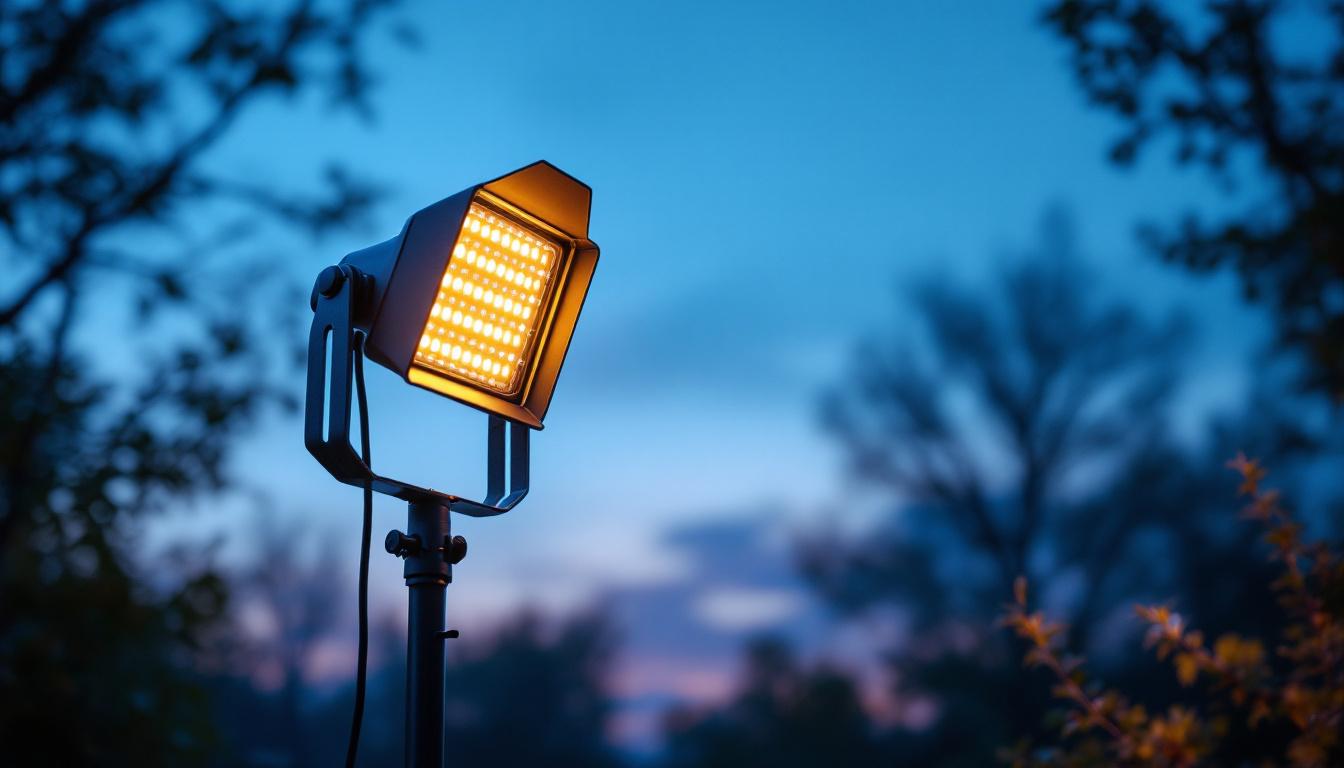
Outdoor lights with stands offer unique advantages that make them an attractive option for various applications. Their portability, adjustability, and ease of installation set them apart from fixed lighting solutions.
Portability and Flexibility
One of the primary benefits of outdoor lights with stands is their portability. These fixtures can be easily moved to different locations, allowing for dynamic lighting arrangements that can adapt to changing needs. This flexibility is particularly beneficial for events, where lighting requirements may shift throughout the evening.
Moreover, the ability to reposition lights quickly can enhance safety and security. For example, if a particular area becomes a focal point for a gathering, contractors can adjust the lighting to ensure adequate visibility and ambiance. This adaptability is not only advantageous for events but also for everyday use in residential settings, where homeowners may want to illuminate their patios or gardens differently depending on the occasion or season.
Furthermore, the lightweight design of many outdoor lights with stands makes them easy to transport, whether for a family barbecue, a wedding, or a community festival. Users can quickly set up and dismantle the lighting, making it a hassle-free solution for those who frequently host gatherings or need temporary lighting solutions.
Adjustability for Optimal Performance
Many outdoor lights with stands come equipped with adjustable features that allow for precise control over light direction and intensity. This adjustability enables contractors to tailor the lighting to suit specific tasks or aesthetic preferences. For instance, a spotlight can be angled to highlight a sculpture, while a floodlight can be adjusted to cover a larger area.
Additionally, some models offer dimming capabilities, providing further control over light output. This feature is particularly useful for creating different moods or accommodating various activities, from casual gatherings to formal events. The ability to fine-tune brightness levels can also help in energy conservation, allowing users to use only the amount of light necessary for the task at hand.
Moreover, many modern outdoor lights with stands are designed with advanced technology, such as LED bulbs that not only provide bright illumination but also consume less energy compared to traditional lighting options. This efficiency not only reduces electricity bills but also contributes to a more sustainable approach to outdoor lighting. As a result, homeowners and event planners alike can enjoy the benefits of effective lighting while minimizing their environmental impact.
Technological Innovations in Outdoor Lighting
The outdoor lighting industry has seen significant advancements in technology, leading to more efficient and effective lighting solutions. Understanding these innovations can help contractors make informed decisions when selecting products for their clients.
LED Technology
Light Emitting Diodes (LEDs) have revolutionized outdoor lighting. These energy-efficient bulbs consume significantly less power than traditional incandescent or halogen lights while offering longer lifespans. This efficiency translates to lower energy bills and reduced maintenance costs for clients.
Moreover, LEDs are available in a wide range of color temperatures and can be easily integrated with smart lighting systems. This compatibility allows for enhanced control, such as scheduling, remote operation, and even integration with motion sensors for added security.
In addition to their energy efficiency, LEDs are also highly durable and resistant to shock, vibrations, and extreme temperatures. This makes them an ideal choice for outdoor environments where traditional bulbs may fail prematurely. Furthermore, the ability to customize LED fixtures with various designs and finishes allows contractors to create aesthetically pleasing lighting solutions that complement the architecture and landscaping of a property.
Smart Lighting Solutions
Smart lighting technology has gained traction in recent years, offering contractors and clients enhanced control over their outdoor lighting systems. These systems can be programmed to adjust based on time of day, occupancy, or even weather conditions, providing both convenience and energy savings.
For example, smart outdoor lights can be set to automatically dim during late-night hours or brighten when motion is detected. This level of automation not only improves safety but also enhances the overall user experience.
Additionally, many smart lighting systems can be controlled via smartphone apps, allowing users to manage their outdoor lighting from anywhere. This feature is particularly beneficial for homeowners who travel frequently, as they can simulate occupancy by scheduling lights to turn on and off at various times. Some advanced systems even offer integration with home security systems, enabling outdoor lights to flash or change color in response to security alerts, thereby providing an added layer of protection for the property.
Installation Considerations for Outdoor Lights with Stands
While outdoor lights with stands are generally easier to install than fixed fixtures, there are still several important considerations to keep in mind. Proper installation ensures optimal performance and longevity of the lighting system.
Site Assessment
Before installation, conducting a thorough site assessment is essential. Contractors should evaluate the area to determine the best locations for lighting, taking into account factors such as existing structures, landscaping, and the intended use of the space.
Additionally, understanding local regulations and zoning laws is crucial. Some areas may have restrictions on light pollution or specific requirements for outdoor lighting, which contractors must adhere to in order to avoid potential fines or issues.
Power Supply and Wiring
Outdoor lights with stands typically require a power source, which may involve running electrical wiring. Contractors should ensure that the power supply is adequate for the number of fixtures being installed and that all wiring is properly rated for outdoor use.
For temporary installations, such as those for events, contractors may consider using battery-operated lights or solar-powered options. These alternatives can provide flexibility while eliminating the need for extensive wiring.
Maintenance Tips for Longevity
Regular Cleaning
Outdoor fixtures are exposed to various environmental elements, which can lead to dirt and debris accumulation. Regular cleaning is crucial to maintain light output and aesthetics. Contractors should recommend cleaning schedules to their clients, emphasizing the importance of using non-abrasive materials to avoid damaging the fixtures.
In addition to the fixtures themselves, it is also important to keep the surrounding area clear of obstructions that may block light distribution. This may involve trimming overgrown plants or moving furniture that could impede light flow.
Periodic Inspections
Conducting periodic inspections of outdoor lights can help identify potential issues before they become significant problems. Contractors should check for signs of wear, such as frayed wires, loose connections, or corrosion, which can affect performance and safety.
Additionally, reviewing the functionality of any smart features or sensors can ensure that the system operates as intended. Addressing minor issues promptly can save clients from costly repairs down the line.
Conclusion
Outdoor lights with stands offer versatile and efficient solutions for a variety of lighting needs. Understanding the science behind these fixtures, including light quality, distribution, and technological advancements, equips lighting contractors with the knowledge necessary to make informed decisions for their projects.
By considering installation factors, maintenance practices, and the benefits of smart technology, contractors can enhance their service offerings and provide clients with effective outdoor lighting solutions that meet their specific needs.
As the demand for innovative outdoor lighting continues to grow, staying informed about the latest trends and technologies will be crucial for contractors looking to excel in this competitive field. Embracing these advancements not only improves client satisfaction but also contributes to the overall success of lighting projects.
Illuminate Your Projects with LumenWholesale
Ready to elevate your outdoor lighting projects with superior quality and value? Look no further than LumenWholesale. Our extensive selection of spec-grade lighting products is designed to meet the highest industry standards, ensuring that you can deliver reliable and high-performance lighting solutions to your clients. With unbeatable wholesale prices and the convenience of free shipping on bulk orders, you can trust LumenWholesale to provide premium lighting without the hidden fees or compromises. Take the next step in enhancing your service offerings and discover the best value in wholesale lighting today.