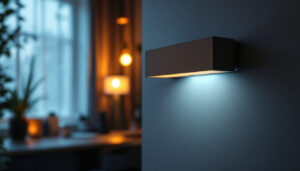
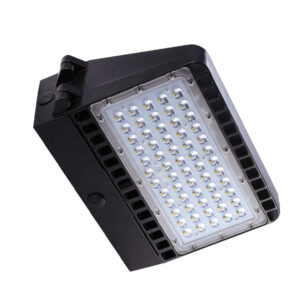
In the realm of outdoor lighting, motion sensor lights have emerged as a popular choice for both residential and commercial applications. For lighting contractors, understanding the intricacies of these fixtures is essential to providing clients with effective solutions. This article delves into the various aspects of outside motion sensor lights, including their functionality, types, installation considerations, and best practices for maintenance.
Understanding Motion Sensor Technology
Motion sensor lights utilize advanced technology to detect movement within a designated area. This feature not only enhances security but also promotes energy efficiency by ensuring that lights are only activated when needed. The core of this technology lies in the sensors used, which can be categorized into different types based on their operational principles.
Types of Motion Sensors
There are primarily two types of motion sensors used in outdoor lighting: passive infrared (PIR) sensors and microwave sensors. Each type has its unique advantages and applications. PIR sensors detect infrared radiation emitted by objects, particularly warm bodies. They are widely used due to their reliability and cost-effectiveness. On the other hand, microwave sensors emit microwave signals and measure the reflection off moving objects. These sensors can cover a larger area and are less prone to false alarms caused by environmental factors.
In addition to PIR and microwave sensors, there are also dual technology sensors that combine both methods to enhance accuracy and reduce false triggers. By requiring both infrared and microwave detection, these sensors can differentiate between human movement and other disturbances, such as swaying branches or passing animals. This added layer of sophistication makes dual technology sensors particularly appealing for residential and commercial applications where security is a top priority.
How Motion Sensors Work
When a motion sensor is triggered, it sends a signal to the lighting fixture to turn on. The duration for which the light remains on can often be adjusted, allowing for customization based on the specific needs of the installation site. Understanding these operational mechanics is crucial for contractors when advising clients on the best options for their properties. Furthermore, many modern motion sensors come equipped with additional features such as ambient light sensing, which ensures that the lights only activate in low-light conditions, further enhancing energy savings.
Moreover, some advanced motion sensor systems can be integrated with smart home technology, allowing users to control their lighting remotely via smartphone apps or voice commands. This integration not only provides convenience but also allows for programming specific lighting schedules or scenarios, such as having the lights turn on automatically when someone approaches the front door. As technology continues to evolve, the capabilities of motion sensors are expanding, making them an increasingly vital component of modern security and energy management systems.
Benefits of Motion Sensor Lights
Installing motion sensor lights offers numerous benefits that can be highlighted to potential clients. From enhancing security to improving energy efficiency, these lights provide a versatile solution for outdoor illumination.
Enhanced Security
One of the primary reasons homeowners and businesses opt for motion sensor lights is the added layer of security they provide. By illuminating areas when movement is detected, these lights can deter potential intruders and provide peace of mind for property owners. The sudden activation of lights can startle trespassers, making them think twice before proceeding.
Energy Efficiency
Energy efficiency is another significant advantage. Traditional outdoor lighting systems often remain on all night, leading to unnecessary energy consumption. In contrast, motion sensor lights activate only when needed, thereby reducing electricity costs. This feature is particularly appealing to environmentally conscious clients looking to minimize their carbon footprint.
Convenience and Safety
Motion sensor lights also enhance convenience and safety. For homeowners, these lights can illuminate pathways, driveways, and entryways when someone approaches, reducing the risk of accidents in poorly lit areas. This functionality is especially beneficial for elderly individuals or those with mobility challenges, ensuring they can navigate their surroundings safely.
Installation Considerations
When it comes to installing motion sensor lights, several factors must be taken into account to ensure optimal performance and client satisfaction. Lighting contractors should be well-versed in these considerations to provide effective solutions tailored to each project.
Location and Coverage
The placement of motion sensor lights is critical to their effectiveness. Contractors should assess the area to determine the best locations for installation, considering factors such as the range of the sensor, potential obstructions, and the specific areas that require illumination. Ideally, lights should be positioned to cover entrances, driveways, and other high-traffic areas.
Additionally, it is essential to consider the sensor’s detection range. Most sensors have specific coverage areas, and understanding these parameters will help in selecting the right model for the job. Proper placement not only maximizes functionality but also minimizes the chances of false triggers caused by passing vehicles or animals.
Power Source and Wiring
Another critical aspect of installation is the power source. Motion sensor lights can be hardwired or powered by batteries. Hardwired systems typically offer more reliability and longevity, while battery-operated lights provide flexibility in placement. Contractors should discuss these options with clients to determine the best fit for their needs.
Wiring considerations also play a significant role in the installation process. Ensuring that all electrical connections are secure and compliant with local codes is paramount for safety and functionality. Contractors should be prepared to provide guidance on wiring best practices and any necessary permits required for the installation.
Weather Resistance and Durability
Outdoor lighting fixtures must withstand various weather conditions, from rain and snow to extreme temperatures. When selecting motion sensor lights, contractors should prioritize models that are rated for outdoor use and have adequate weather resistance. Look for fixtures with a high IP (Ingress Protection) rating, which indicates their ability to resist dust and moisture.
Durability is also a key consideration, as outdoor lights are exposed to the elements. Selecting high-quality materials, such as corrosion-resistant finishes and robust housing, will ensure that the lights remain functional and aesthetically pleasing over time.
Best Practices for Maintenance
Regular Cleaning
Dirt, dust, and debris can accumulate on the sensor and light fixtures, potentially hindering their performance. Regular cleaning is necessary to maintain optimal functionality. Clients should be advised to clean the sensor lenses and fixtures periodically, using a soft cloth and mild detergent to avoid damaging the surfaces.
Testing and Adjustments
Encourage clients to test their motion sensor lights regularly. This includes checking the detection range, sensitivity settings, and duration settings. Adjustments may be necessary based on seasonal changes or alterations in the surrounding environment, such as new landscaping or construction.
Additionally, if clients notice any issues with the lights, such as flickering or failure to activate, they should be encouraged to address these problems promptly. Early intervention can prevent more significant issues down the line.
Upgrading Technology
As technology advances, so do the features and capabilities of motion sensor lights. Contractors should stay informed about the latest trends and innovations in outdoor lighting. This knowledge enables them to recommend upgrades to clients, such as smart motion sensor lights that can be controlled via smartphone apps or integrated into home automation systems.
By offering clients the option to upgrade their systems, contractors can enhance the functionality and convenience of outdoor lighting, ensuring that clients receive the best possible solutions for their needs.
Common Challenges and Solutions
While motion sensor lights offer numerous benefits, contractors may encounter challenges during installation and maintenance. Understanding these potential issues and their solutions can help ensure a smooth process and satisfied clients.
False Triggers
One of the most common challenges with motion sensor lights is false triggers. These can occur due to various factors, including passing vehicles, animals, or even strong winds. To mitigate this issue, contractors should advise clients on the importance of adjusting the sensor’s sensitivity settings and placement. Proper positioning can significantly reduce the likelihood of false activations.
Limited Range
Another challenge is the limited detection range of some motion sensors. If clients require coverage for larger areas, it may be necessary to install multiple lights or select models with a broader detection range. Contractors should assess the specific needs of each project and recommend solutions that provide adequate coverage.
Integration with Existing Systems
For clients with existing outdoor lighting systems, integrating new motion sensor lights can pose challenges. Compatibility issues may arise, particularly with older systems. Contractors should evaluate the current setup and recommend solutions that allow for seamless integration, ensuring that clients can enjoy the benefits of motion sensor technology without compromising their existing lighting infrastructure.
Conclusion
Outside motion sensor lights represent a valuable addition to any outdoor lighting plan. For lighting contractors, understanding the technology, benefits, installation considerations, maintenance practices, and common challenges associated with these fixtures is essential for delivering high-quality service to clients. By staying informed and providing expert guidance, contractors can help clients enhance their properties’ security, energy efficiency, and overall functionality.
As the demand for smart and efficient outdoor lighting solutions continues to grow, contractors who specialize in motion sensor lights will find themselves well-positioned to meet the needs of their clients. Embracing this technology not only benefits clients but also enhances the contractor’s reputation as a knowledgeable and reliable professional in the lighting industry.
Get Your Motion Sensor Lights at LumenWholesale
Ready to elevate your outdoor lighting projects with the latest in motion sensor technology? Look no further than LumenWholesale for all your lighting needs. Our extensive selection of spec-grade lighting products ensures you have access to the highest quality options at wholesale prices that simply can’t be beaten. Say goodbye to local distributor markups and hello to superior lighting solutions that fit your budget. Plus, with free shipping on bulk orders, you can stock up on premium lighting without worrying about hidden fees or compromises. Enhance your professional offerings and delight your clients with the perfect blend of quality, affordability, and convenience. Take the next step in efficient and smart lighting by visiting Wholesale Lighting at the Best Value today.