The Origins of Old Barn Lights
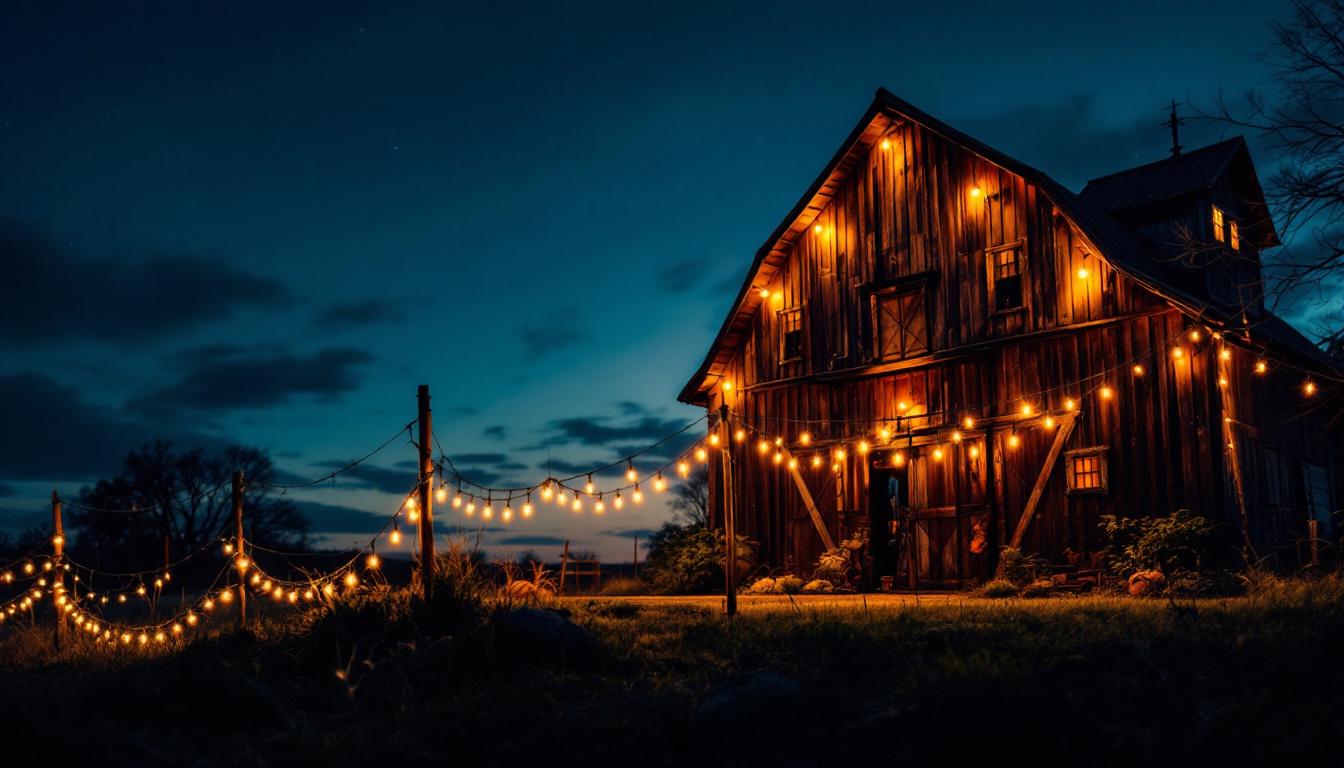
Old barn lights, often recognized by their distinctive gooseneck arms and broad, downward-facing shades, have a history rooted deeply in agricultural and industrial settings. Originally designed to illuminate large outdoor spaces such as barns, warehouses, and factories, these fixtures were built for durability and functionality. Their robust metal construction and simple, effective design made them ideal for harsh environments where reliability was paramount.
These lights were more than just practical tools; they became iconic symbols of rural Americana. Their utilitarian aesthetic, combined with a nostalgic charm, has led to a resurgence in popularity, especially in commercial and residential design. For lighting contractors, understanding the heritage of old barn lights provides insight into why they continue to resonate with both clients and designers.
The design of barn lights can be traced back to the early 20th century, when electric lighting began to replace gas and kerosene lamps in agricultural settings. Farmers and factory owners sought efficient ways to light their spaces, leading to the development of these robust fixtures. The gooseneck arm was particularly advantageous, allowing for adjustable angles to direct light where it was needed most, whether it was illuminating a workbench or the entrance to a barn. This adaptability not only enhanced functionality but also contributed to the aesthetic appeal that many find so charming today.
As the years progressed, barn lights evolved in style and materials, transitioning from utilitarian designs to more decorative versions that incorporated various finishes and colors. This evolution reflects broader trends in design, where vintage and rustic elements have become increasingly sought after in modern interiors. Today, you can find barn lights in a variety of settings, from chic urban lofts to cozy country homes, each telling a story of their own while paying homage to their agricultural roots. The blend of history and contemporary style makes old barn lights a versatile choice for those looking to add character and warmth to their spaces.
Design and Functional Characteristics
Durability and Materials
Old barn lights were traditionally made from heavy-gauge steel or aluminum, often finished with weather-resistant paints or coatings. This ensured they could withstand exposure to the elements—rain, wind, dust, and temperature fluctuations—without significant degradation. The materials used contributed not only to longevity but also to the fixture’s weight and stability, which were critical in preventing damage from wind or accidental impact.
For contractors, specifying materials that meet or exceed these standards is essential, especially when working on projects in exposed or industrial environments. Modern manufacturing techniques have improved corrosion resistance and finish durability, but the core principle remains the same: these lights must endure. Additionally, many manufacturers now offer customizable options, allowing contractors to select finishes that match the aesthetic of the surrounding architecture while still providing the necessary durability. This blend of form and function is crucial in creating spaces that are not only practical but also visually appealing.
Light Distribution and Efficiency
The classic barn light shade is designed to direct light downward, minimizing glare and light pollution. This focused illumination was ideal for lighting workspaces or pathways without wasting energy on unnecessary ambient lighting. The shape of the shade also helped protect the bulb from rain and debris, extending the bulb’s life and maintaining consistent light output.
Contemporary iterations often incorporate reflectors and diffusers to enhance efficiency further. LED technology, in particular, has revolutionized how these fixtures perform, offering brighter light with lower energy consumption and longer lifespans. For contractors, retrofitting old barn lights with LED modules can be a cost-effective upgrade that satisfies both aesthetic and functional demands. Moreover, the integration of smart lighting controls has become increasingly popular, allowing users to adjust brightness levels and even set schedules, which can lead to significant energy savings and improved usability in various settings. This adaptability not only enhances the functionality of barn lights but also aligns with the growing trend toward sustainable building practices, making them a smart choice for modern projects.
Technological Advancements Impacting Old Barn Lights
Transition to LED and Smart Lighting
The lighting industry has seen a significant shift from traditional incandescent and fluorescent bulbs to LEDs. This transition has had a profound effect on old barn lights. LEDs produce less heat, consume less power, and last significantly longer, making them ideal for retrofit projects. Additionally, LEDs can be integrated with smart controls, allowing for dimming, scheduling, and remote operation—features that were unimaginable in the original barn light designs. This integration not only enhances the functionality of barn lights but also allows for customization based on specific user needs, such as adjusting brightness levels for different tasks or times of day.
For lighting contractors, this means old barn lights can now be part of energy-efficient, intelligent lighting systems. Incorporating these technologies can help clients reduce operational costs and meet increasingly stringent energy codes and sustainability goals. Furthermore, the ability to monitor energy usage in real-time through smart technology provides valuable insights that can lead to further optimization of lighting strategies, ensuring that every watt is used efficiently. As a result, clients are not only able to save on their energy bills but also contribute to a more sustainable future.
Improved Mounting and Installation Options
Originally, barn lights were mounted on simple brackets or directly onto walls. Modern designs offer a variety of mounting options, including adjustable arms, swivel mounts, and even pole attachments. These innovations provide greater flexibility in directing light exactly where it’s needed, which is crucial in complex commercial or industrial sites. The ability to customize the angle and height of the lighting can significantly enhance visibility and safety, particularly in environments where precision is key, such as workshops or warehouses.
Installation has also become more streamlined with advancements in wiring and fixture design. Quick-connect wiring systems and modular components reduce labor time and complexity, which benefits contractors by lowering installation costs and minimizing downtime for clients. Additionally, the use of lightweight materials in modern barn light designs has made handling and installation easier, allowing for quicker setups without compromising on durability or performance. As a result, contractors can complete projects more efficiently, leading to higher customer satisfaction and the potential for repeat business. This evolution in mounting and installation not only modernizes the aesthetic of barn lights but also enhances their practicality in various settings.
Old Barn Lights in Contemporary Applications
Commercial and Industrial Use
Despite their vintage appearance, old barn lights remain popular in commercial and industrial contexts. Their rugged construction and effective light distribution make them suitable for loading docks, parking areas, and exterior building illumination. Many warehouses and factories appreciate the balance of form and function these fixtures provide.
Contractors should note that specifications for commercial lighting often require compliance with local codes regarding brightness, energy efficiency, and safety. Modern barn light fixtures are designed to meet these regulations without sacrificing their classic look, making them a practical choice for many projects.
Residential and Hospitality Settings
The aesthetic appeal of old barn lights has led to their widespread adoption in residential and hospitality design. Restaurants, cafes, and boutique hotels frequently use these fixtures to evoke a rustic or industrial ambiance. In homes, they are often installed in kitchens, patios, or garages, where both style and functionality are important.
Lighting contractors working in these sectors should be prepared to offer customization options, such as different finishes, sizes, and bulb types, to meet the diverse tastes of homeowners and designers. The ability to blend vintage charm with modern performance is a key selling point.
Challenges and Considerations for Lighting Contractors
Balancing Authenticity with Modern Standards
One challenge contractors face is maintaining the authentic look of old barn lights while ensuring they comply with modern electrical and energy standards. This often requires sourcing fixtures that replicate vintage designs but incorporate up-to-date technology. It also means selecting bulbs and controls that are compatible with the fixture’s design constraints.
Understanding the nuances of these products and staying informed about evolving regulations is critical. Contractors who can navigate this balance effectively will stand out in a competitive market.
Maintenance and Longevity
While old barn lights are known for their durability, maintenance remains a concern, especially in outdoor or industrial environments. Corrosion, dust buildup, and mechanical wear can affect performance over time. Contractors should advise clients on appropriate maintenance schedules and offer solutions such as powder-coated finishes or stainless steel components to extend fixture life.
Providing maintenance services or guidance can also create ongoing business opportunities beyond the initial installation.
The Future of Old Barn Lights
As sustainability continues to shape the lighting industry, old barn lights are evolving to meet new demands. Advances in materials science, such as the use of recycled metals and eco-friendly coatings, are making these fixtures more environmentally responsible. Additionally, integration with renewable energy sources and smart grid technologies is becoming more common.
For lighting contractors, staying ahead of these trends will be crucial. Offering clients solutions that combine the timeless appeal of old barn lights with cutting-edge technology and sustainability will ensure these fixtures remain relevant and desirable for years to come.
Conclusion
Old barn lights have journeyed from simple agricultural tools to versatile fixtures embraced across multiple industries. Their evolution reflects broader changes in technology, design, and environmental awareness. For lighting contractors, mastering the history, technology, and application of these lights offers a unique opportunity to deliver value and style in equal measure.
By understanding the balance between tradition and innovation, contractors can help clients achieve lighting solutions that are both beautiful and efficient-honoring the past while embracing the future.
Illuminate Your Projects with LumenWholesale
Ready to enhance your lighting projects with the perfect mix of tradition and innovation? Look no further than LumenWholesale for a vast selection of old barn lights and other spec-grade lighting products. Our commitment to quality and affordability ensures that you can bring the charm and efficiency of these classic fixtures to your clients at the best value. With free shipping on bulk orders and no middleman markups, LumenWholesale is your go-to source for premium lighting solutions. Explore our collection and experience wholesale lighting at the best value today.