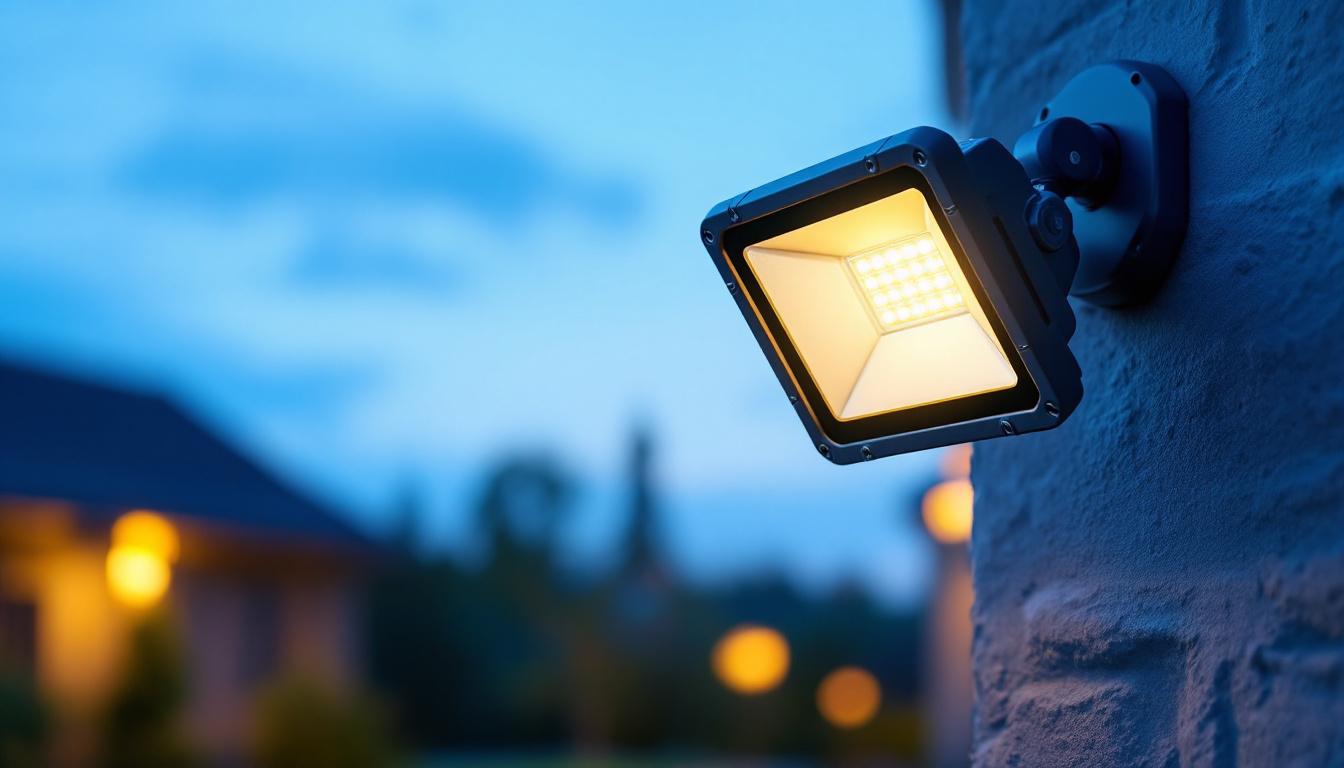
As the demand for energy-efficient and intelligent lighting solutions continues to grow, motion sensor flood light bulbs have emerged as a popular choice among homeowners and businesses alike. These innovative lighting fixtures not only enhance security but also provide convenience and energy savings. For lighting contractors, understanding the intricacies of motion sensor flood light bulbs is essential to meet client needs effectively. This article will delve into the various aspects of motion sensor flood light bulbs, including their functionality, installation considerations, and benefits.
Understanding Motion Sensor Technology
How Motion Sensors Work
Motion sensors are devices that detect movement within a specific area and trigger a response, such as turning on a light. Most commonly, these sensors operate using one of three technologies: passive infrared (PIR), microwave, or dual technology. PIR sensors detect changes in infrared radiation, which is emitted by moving objects, typically warm bodies like humans or animals. Microwave sensors, on the other hand, emit microwave pulses and measure the reflection of those waves to detect motion. Dual technology combines both PIR and microwave sensors to reduce false alarms and improve detection accuracy.
When a motion sensor detects movement, it sends a signal to the flood light bulb, activating it. The duration for which the light remains on can usually be adjusted, allowing for customization based on the specific needs of the installation site. This feature is particularly useful in residential settings, where homeowners may want the light to remain on for a certain period after detecting motion. Additionally, many modern motion sensors come equipped with sensitivity settings, enabling users to fine-tune the device to ignore smaller movements, such as those caused by pets or passing cars, thus minimizing unnecessary activations and conserving energy.
Types of Motion Sensor Flood Light Bulbs
There are various types of motion sensor flood light bulbs available on the market, each designed to cater to different lighting needs. LED flood lights are among the most popular choices due to their energy efficiency and long lifespan. They consume significantly less energy compared to traditional incandescent or halogen bulbs, making them an environmentally friendly option. Furthermore, LED lights produce less heat, which not only enhances safety but also prolongs the life of the fixture itself, reducing maintenance costs over time.
Another option is the solar-powered motion sensor flood light, which harnesses solar energy to power the light. This type is particularly advantageous for outdoor applications, as it eliminates the need for electrical wiring and reduces energy costs. However, solar-powered options may have limitations in terms of brightness and duration of operation, especially in areas with limited sunlight. To counter this, some models incorporate rechargeable batteries that store excess energy during sunny days, allowing them to function effectively even on cloudy days or during the night. This adaptability makes solar-powered flood lights an increasingly popular choice for environmentally conscious consumers looking to enhance security and visibility around their homes without incurring high energy bills.
Installation Considerations
Site Assessment
Before installing motion sensor flood light bulbs, a thorough site assessment is crucial. Lighting contractors should evaluate the area where the lights will be installed, considering factors such as the layout, potential obstructions, and the typical movement patterns of people or vehicles. This assessment helps determine the optimal placement of the lights to maximize their effectiveness.
In residential settings, common installation locations include driveways, walkways, and entry points. For commercial properties, motion sensor flood lights can be strategically placed around parking lots, loading docks, and building perimeters to enhance security. Understanding the specific requirements of each location ensures that the motion sensors can effectively detect movement and provide adequate illumination.
Wiring and Power Supply
When it comes to wiring and power supply, lighting contractors must ensure that the installation meets local electrical codes and regulations. For hardwired motion sensor flood light bulbs, proper electrical connections are essential for safety and functionality. Contractors should also consider the distance from the power source to the installation site, as this may affect the type of wiring needed.
For solar-powered options, it is important to select a location that receives sufficient sunlight throughout the day. This ensures that the solar panels can charge effectively, providing reliable lighting when needed. Additionally, some solar-powered models may require battery backup systems to maintain functionality during cloudy days or at night.
Benefits of Motion Sensor Flood Light Bulbs
Enhanced Security
One of the primary benefits of motion sensor flood light bulbs is their ability to enhance security. By illuminating areas when movement is detected, these lights can deter potential intruders and provide homeowners and businesses with peace of mind. The sudden activation of bright lights can startle trespassers, making them think twice before proceeding.
Furthermore, motion sensor flood lights can be integrated with security systems, allowing for real-time alerts and monitoring. This integration can provide an added layer of security, making it easier for property owners to keep track of any unusual activity.
Energy Efficiency
Energy efficiency is another significant advantage of motion sensor flood light bulbs. Traditional outdoor lighting systems often remain on for extended periods, leading to increased energy consumption and higher utility bills. In contrast, motion sensor lights only activate when needed, significantly reducing energy usage.
For lighting contractors, promoting energy-efficient solutions can be a strong selling point. Clients are increasingly looking for ways to reduce their carbon footprint and lower energy costs, making motion sensor flood lights an attractive option. By highlighting the long-term savings associated with these fixtures, contractors can position themselves as knowledgeable and environmentally conscious professionals.
Challenges and Solutions
False Alarms
While motion sensor flood light bulbs offer numerous benefits, they are not without challenges. One common issue is false alarms, which can occur due to environmental factors such as wind, rain, or passing animals. These false activations can lead to frustration for homeowners and may cause them to disable the system altogether.
To mitigate this issue, contractors should educate clients on the importance of proper sensor placement and sensitivity adjustments. Installing the sensors at an appropriate height and angle can help reduce the likelihood of false alarms. Additionally, selecting models with adjustable sensitivity settings allows users to fine-tune the system to their specific environment.
Maintenance and Longevity
Another challenge associated with motion sensor flood light bulbs is the need for regular maintenance. While LED options have a long lifespan, other components, such as the motion sensor itself, may require periodic checks to ensure optimal performance. Dust, debris, and weather conditions can affect sensor functionality over time.
Lighting contractors can provide valuable service by offering maintenance packages or recommendations for upkeep. Educating clients on the importance of keeping sensors clean and ensuring that any obstructions are removed can help maintain the efficiency and effectiveness of the lighting system.
Choosing the Right Motion Sensor Flood Light Bulbs
Factors to Consider
When selecting motion sensor flood light bulbs for a project, several factors should be taken into account. First and foremost, the brightness level is crucial. The lumen output will determine how effectively the light illuminates the area. For larger spaces or commercial applications, higher lumen outputs may be necessary to ensure adequate visibility.
Another important consideration is the beam angle. A wider beam angle provides broader coverage, while a narrower beam can focus light on specific areas. Depending on the installation site, contractors should choose the appropriate beam angle to meet the lighting needs of the space.
Brand and Quality
Quality matters when it comes to motion sensor flood light bulbs. Reputable brands often offer better warranties, customer support, and product reliability. Contractors should research various manufacturers and consider factors such as product reviews, warranty terms, and the availability of replacement parts.
Investing in high-quality products not only ensures customer satisfaction but also enhances the contractor’s reputation. Clients are more likely to trust contractors who prioritize quality and reliability in their recommendations.
Future Trends in Motion Sensor Lighting
Smart Technology Integration
The future of motion sensor flood light bulbs is undoubtedly tied to the advancement of smart technology. Many manufacturers are now offering smart motion sensor lights that can be controlled remotely via smartphone apps. This integration allows users to customize settings, monitor activity, and receive alerts from anywhere.
For lighting contractors, staying informed about these trends is essential. Offering smart lighting solutions can differentiate contractors in a competitive market and attract tech-savvy clients. As more homeowners seek convenience and automation in their lighting systems, understanding smart technology will become increasingly important.
Environmental Considerations
As sustainability becomes a focal point in the lighting industry, motion sensor flood light bulbs are likely to evolve further. Innovations in energy efficiency, such as improved LED technology and solar-powered options, will continue to gain traction. Contractors should be prepared to educate clients on the environmental benefits of these advancements.
Moreover, as regulations surrounding energy efficiency become stricter, contractors will need to adapt to comply with new standards. Staying informed about industry changes will ensure that contractors remain competitive and knowledgeable in their field.
Conclusion
Motion sensor flood light bulbs represent a significant advancement in outdoor lighting technology, offering a blend of security, energy efficiency, and convenience. For lighting contractors, understanding the functionality, installation considerations, and benefits of these fixtures is essential to meet client expectations effectively.
By staying informed about industry trends and challenges, contractors can position themselves as trusted experts in motion sensor lighting solutions. As the demand for intelligent and environmentally friendly lighting continues to rise, embracing these innovations will not only benefit contractors but also enhance the overall satisfaction of their clients.
Get Your Premium Motion Sensor Flood Light Bulbs at LumenWholesale
Ready to elevate your lighting projects with the latest in motion sensor flood light technology? Look no further than LumenWholesale for an unbeatable selection of spec-grade lighting products. Our commitment to quality and affordability ensures you get the most reliable and high-performance lighting solutions at wholesale prices. Say goodbye to middleman markups and hello to hassle-free bulk buying with free shipping. Enhance your client satisfaction and project success with LumenWholesale, where quality meets convenience. Discover the value we bring to your lighting needs by visiting Wholesale Lighting at the Best Value today.