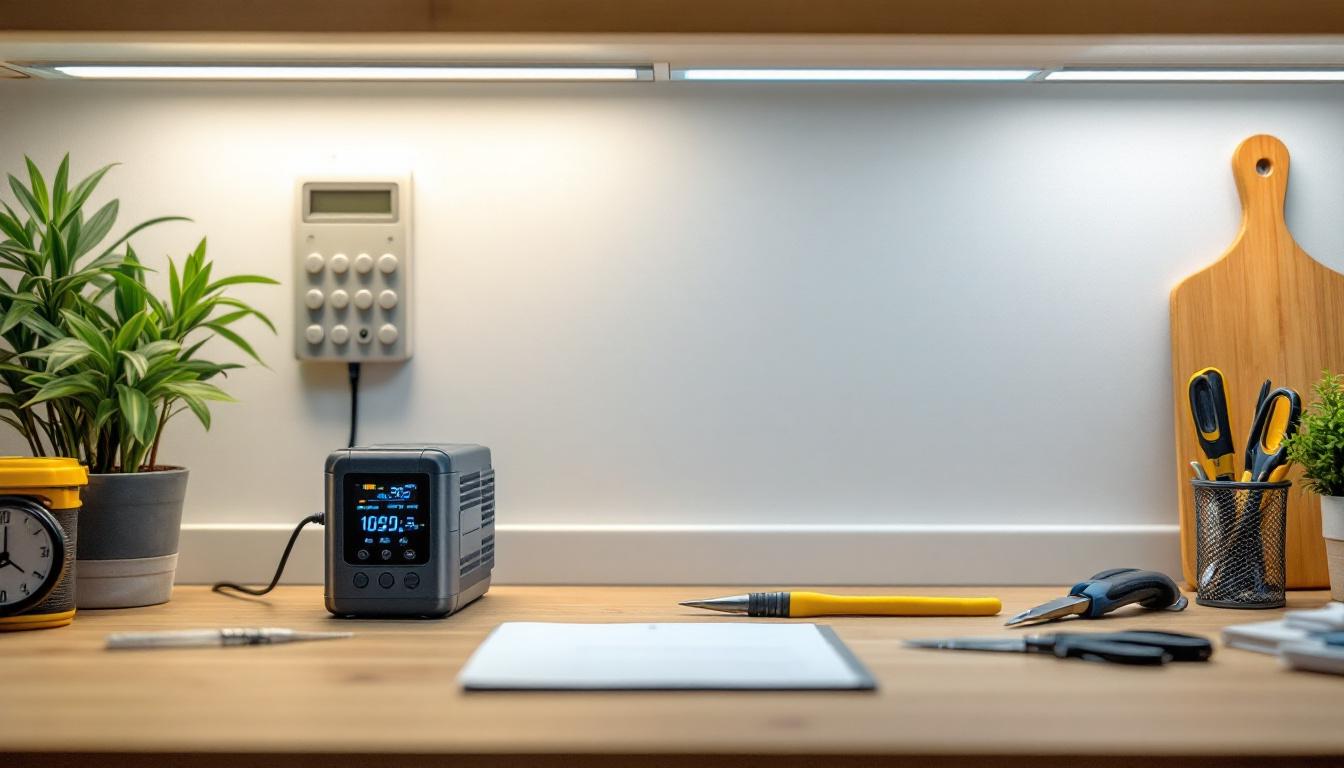
As the demand for under cabinet lighting continues to rise, lighting contractors must ensure they are equipped with the right tools and knowledge to execute installations effectively. An essential component of under cabinet lighting systems is the transformer, which converts standard voltage to low voltage, ensuring the safety and efficiency of the lighting fixtures. This article serves as a comprehensive checklist for lighting contractors to consider when working with under cabinet lighting transformers.
Understanding Under Cabinet Lighting Transformers
Under cabinet lighting transformers are critical for any low voltage lighting system. They play a pivotal role in converting the electrical voltage from the standard 120V to a lower voltage, typically 12V or 24V, which is suitable for LED and other low voltage fixtures. Understanding the various types of transformers available and their specific applications can significantly enhance the quality of installations. Properly selected and installed transformers not only improve the functionality of the lighting system but also contribute to energy efficiency and longevity of the fixtures.
Types of Transformers
There are primarily two types of transformers used in under cabinet lighting: magnetic and electronic. Magnetic transformers are known for their durability and simplicity, making them ideal for traditional incandescent and halogen lights. On the other hand, electronic transformers are more compact and efficient, often preferred for LED installations due to their ability to handle dimming functions better. Additionally, electronic transformers tend to produce less heat, which can be a significant advantage in tight spaces where heat dissipation is a concern.
Choosing the right transformer type depends on the specific lighting requirements and the fixtures being used. Contractors should be familiar with the pros and cons of each to provide clients with informed recommendations. For example, while magnetic transformers may be more robust, they can also be bulkier and less efficient than their electronic counterparts. Understanding the nuances of each type can help in creating a lighting design that not only meets aesthetic goals but also adheres to energy standards and safety regulations.
Transformer Ratings
Every transformer has a wattage rating that indicates the maximum load it can handle. It is crucial to calculate the total wattage of all connected fixtures to ensure the transformer can accommodate the load without overheating or failing. A good rule of thumb is to select a transformer with a wattage rating that exceeds the total wattage of the fixtures by at least 20% to allow for future expansions or additional loads. This extra capacity can be particularly beneficial in dynamic spaces where lighting needs may change over time, such as kitchens or workspaces.
In addition to wattage, it’s essential to consider the voltage drop across the circuit, especially in longer runs of wire. Voltage drop can affect the brightness and color temperature of LED fixtures, leading to uneven lighting. To mitigate this, using thicker gauge wire or minimizing the distance between the transformer and the fixtures can be effective strategies. Proper planning and installation techniques can ensure that the under cabinet lighting performs optimally, providing consistent illumination that enhances both functionality and ambiance in the space.
Essential Tools and Equipment
To ensure a smooth installation process, lighting contractors should have a well-stocked toolkit. The right tools not only facilitate efficient work but also enhance the quality of the installation. Below is a checklist of essential tools and equipment needed for under cabinet lighting transformer installations.
Basic Hand Tools
Every contractor should have a set of basic hand tools, including screwdrivers, pliers, wire strippers, and a utility knife. These tools are essential for mounting transformers, connecting wires, and making adjustments as needed. A good quality level and measuring tape are also indispensable for ensuring precise installations. Furthermore, having a set of hex keys or Allen wrenches can prove beneficial, especially when dealing with fixtures that require specific fasteners. Investing in ergonomic tools can also reduce fatigue during long installation sessions, allowing contractors to maintain focus and precision.
Electrical Testing Equipment
Electrical testing equipment is vital for verifying that the transformer and lighting fixtures are functioning correctly. A multimeter can help measure voltage, current, and resistance, ensuring that the installation meets safety standards. Additionally, a circuit tester can quickly identify any wiring issues, saving time during the installation process. Beyond these basics, a clamp meter can be particularly useful for measuring current without needing to disconnect wires, which can be a significant time-saver. Moreover, having a non-contact voltage tester adds an extra layer of safety, allowing contractors to confirm that circuits are de-energized before beginning work, thereby reducing the risk of electrical shock.
Specialized Installation Tools
In addition to the basic tools, specialized installation tools can greatly enhance the efficiency of the installation process. For instance, a wire puller can assist in threading wires through tight spaces, making it easier to reach difficult areas under cabinets. A heat gun may also be useful for softening and shaping certain materials, particularly when working with flexible conduits or heat-shrink tubing. Furthermore, a laser level can provide an accurate alignment reference for installing multiple fixtures in a straight line, ensuring a professional and polished appearance. These specialized tools not only streamline the installation process but also contribute to a higher quality finish, which is essential for client satisfaction.
Installation Best Practices
Proper installation of under cabinet lighting transformers is crucial for ensuring safety, functionality, and aesthetic appeal. Following best practices can help contractors avoid common pitfalls and deliver high-quality results.
Location and Accessibility
When installing a transformer, it is essential to choose a location that is both accessible and suitable for ventilation. Transformers can generate heat, so placing them in a well-ventilated area helps prevent overheating. Additionally, accessibility is important for future maintenance or replacements, ensuring that the transformer can be easily reached if needed. Consideration should also be given to the proximity of the transformer to the lighting fixtures it powers. Keeping the transformer close to the fixtures can help minimize voltage drop, ensuring that the lights operate at their optimal brightness. Furthermore, avoiding areas prone to moisture, such as under sinks or near dishwashers, is critical to prevent potential electrical hazards.
Wiring Considerations
Proper wiring is fundamental to the success of any lighting installation. Contractors should ensure that all connections are secure and that the wiring is rated for the appropriate voltage. Using the correct gauge wire is also crucial; typically, 12 or 14-gauge wire is recommended for low voltage systems. It is important to follow local electrical codes and regulations to ensure compliance and safety. Additionally, labeling wires can save time and confusion during installation and troubleshooting. Using heat-shrink tubing or electrical tape to insulate connections can further enhance safety by preventing accidental short circuits. It’s also advisable to use connectors that are designed for low voltage applications, as they provide a more reliable connection and reduce the risk of failure over time.
Safety Precautions
Safety should always be a top priority when working with electrical systems. Lighting contractors must adhere to safety precautions to protect themselves and their clients during installations.
Power Off Before Installation
Before starting any installation work, it is critical to turn off the power at the circuit breaker. This step helps prevent electrical shocks and ensures a safe working environment. Contractors should also use lockout/tagout procedures to prevent accidental power restoration while working on the system.
Personal Protective Equipment (PPE)
Wearing appropriate personal protective equipment is essential for minimizing risks. This includes safety glasses to protect the eyes from debris, gloves to prevent cuts and electrical shocks, and non-slip footwear to ensure stability while working on ladders or elevated surfaces.
Common Troubleshooting Tips
Dim Lights or Flickering
Dim or flickering lights can indicate several issues, including an undersized transformer or poor connections. Contractors should first check the wattage load on the transformer to ensure it is not overloaded. If the transformer is appropriately sized, inspecting the wiring connections for any loose or damaged wires is the next step.
Transformer Overheating
If a transformer becomes excessively hot, it may indicate that it is being overloaded or that there is insufficient ventilation. Contractors should verify that the transformer is rated for the total wattage of the connected fixtures and ensure that it is installed in a well-ventilated area. If overheating persists, it may be necessary to replace the transformer with a higher-rated model.
Maintenance and Care
Regular maintenance of under cabinet lighting systems can prolong their lifespan and ensure optimal performance. Contractors should educate clients on the importance of routine checks and maintenance.
Regular Inspections
Encouraging clients to conduct regular inspections of their under cabinet lighting systems can help identify potential issues early. This includes checking for any signs of wear or damage to the fixtures, wiring, and transformer. Regular inspections can also help maintain the aesthetic appeal of the lighting by ensuring that all fixtures are functioning correctly.
Cleaning and Dusting
Dust and debris can accumulate on lighting fixtures over time, affecting their brightness and overall appearance. Contractors should recommend that clients clean their fixtures regularly using a soft cloth and a gentle cleaner suitable for the materials used. This simple maintenance task can significantly enhance the longevity and performance of the lighting system.
Conclusion
Under cabinet lighting transformers are a fundamental component of modern lighting installations. By understanding the types of transformers available, utilizing essential tools, following best practices, and adhering to safety precautions, lighting contractors can deliver exceptional results. Additionally, being prepared for troubleshooting and maintenance will help ensure the longevity and efficiency of under cabinet lighting systems.
With this comprehensive checklist in hand, lighting contractors are better equipped to tackle under cabinet lighting projects with confidence and expertise. By prioritizing quality and safety, they can enhance their reputation and build long-lasting relationships with clients.
Get Your Premium Under Cabinet Lighting Supplies at LumenWholesale
Ready to elevate your lighting installations with the best products on the market? Look no further than LumenWholesale for all your under cabinet lighting transformer needs. Our extensive selection of spec-grade lighting products ensures you have access to reliable and high-performance options for every project. With unbeatable wholesale prices and the convenience of free shipping on bulk orders, you can trust that you’re getting the highest quality without unnecessary markups. Don’t compromise on quality or value—visit LumenWholesale today and experience the best in wholesale lighting at the best value.