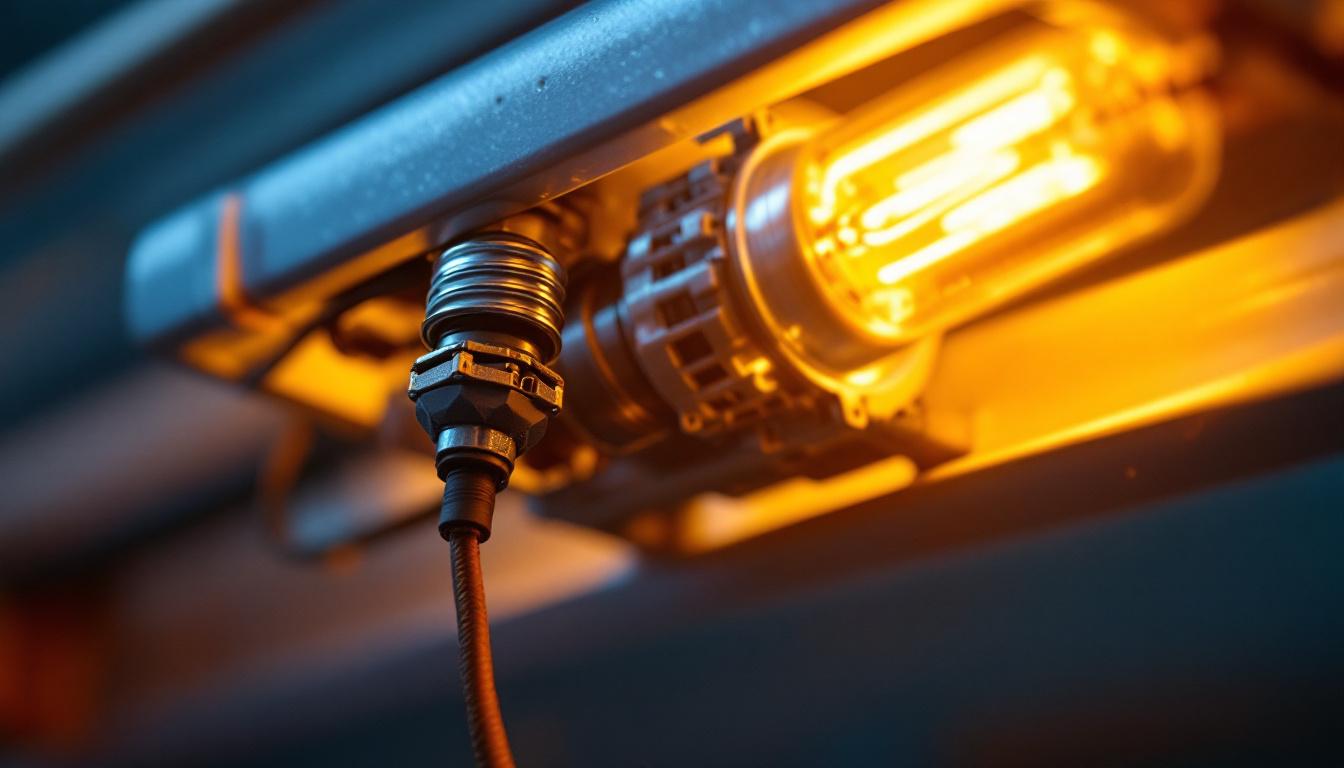
Understanding Mercury Vapour Ballasts and Their Role in Lighting Systems
Mercury vapour lamps have long been a staple in industrial, commercial, and outdoor lighting applications due to their durability and relatively high lumen output. Central to their operation is the mercury vapour ballast, a device that regulates the current flowing through the lamp to ensure stable and efficient performance.
For lighting contractors, mastering the nuances of mercury vapour ballasts is essential. These ballasts not only influence the lamp’s efficiency but also affect its lifespan, energy consumption, and overall system reliability. Unlike simple resistors, mercury vapour ballasts are designed to provide the correct starting voltage and then limit the current to prevent lamp damage.
Optimizing these components can lead to significant energy savings and improved lighting quality, which are critical factors in today’s competitive and environmentally conscious market.
How Mercury Vapour Ballasts Work
Mercury vapour ballasts serve two primary functions: providing the necessary voltage to start the lamp and regulating the current during operation. When the lamp is switched on, the ballast delivers a high voltage to initiate the arc between the electrodes inside the lamp. Once the arc is established, the ballast reduces the voltage and maintains a steady current to keep the lamp lit without overheating or flickering.
This regulation is crucial because mercury vapour lamps exhibit a negative resistance characteristic; as the current increases, the lamp’s resistance decreases, potentially leading to runaway current and lamp failure if not properly controlled.
In addition to their operational roles, mercury vapour ballasts come in various designs, including electromagnetic and electronic types. Electromagnetic ballasts are the traditional option, utilizing coils and transformers to manage the electrical flow. However, electronic ballasts have gained popularity due to their higher efficiency and lighter weight. They can provide more precise control over the lamp’s operation, which can enhance the quality of light produced and reduce energy consumption further. Understanding the differences between these types can help contractors select the most suitable ballast for specific applications, ensuring optimal performance and longevity of the lighting system.
Furthermore, the environmental impact of mercury vapour lamps and their ballasts cannot be overlooked. As regulations around hazardous materials tighten, the industry is increasingly exploring alternatives such as LED lighting. While mercury vapour lamps have their advantages, including excellent color rendering and long operational life, the transition to more sustainable lighting solutions is a growing trend. This shift not only addresses environmental concerns but also encourages innovation in lighting technology, prompting manufacturers to develop more efficient and eco-friendly options that meet the demands of modern lighting needs.
Key Factors Affecting Mercury Vapour Ballast Efficiency
Several factors influence the efficiency of mercury vapour ballasts. Understanding these elements allows lighting contractors to select and configure ballasts that maximize performance and minimize energy waste.
Ballast Type: Magnetic vs. Electronic
Traditionally, magnetic ballasts have been used with mercury vapour lamps. These ballasts are robust and relatively inexpensive but tend to have higher energy losses due to heat generation and magnetic hysteresis. They also produce audible hum and flicker, which can be undesirable in certain environments.
Electronic ballasts, on the other hand, operate at higher frequencies and are more efficient. They reduce energy consumption by up to 20-30% compared to magnetic ballasts and eliminate flicker and noise issues. Additionally, electronic ballasts contribute to longer lamp life by providing more stable current regulation.
For contractors aiming to optimize lighting systems, upgrading to electronic ballasts where feasible is a practical step toward enhanced efficiency and client satisfaction. Furthermore, the transition to electronic ballasts aligns with sustainability goals, as reduced energy consumption translates to lower carbon footprints, making it a compelling choice for environmentally conscious projects.
Matching Ballast Specifications to Lamp Requirements
Ensuring the ballast’s electrical specifications align precisely with the lamp’s requirements is vital. Parameters such as ballast factor, voltage rating, and current rating must correspond to the lamp’s design to avoid underperformance or premature failure.
For instance, using a ballast with a lower ballast factor than recommended can reduce light output and cause color temperature shifts, while an oversized ballast may increase energy consumption unnecessarily. Careful attention to manufacturer datasheets and industry standards helps contractors make informed decisions. Additionally, understanding the specific application of the lighting—whether for industrial, commercial, or residential use—can further guide the selection process, ensuring that the lighting system meets both functional and aesthetic needs.
Environmental Conditions and Installation Practices
Ambient temperature, humidity, and installation location significantly impact ballast efficiency and longevity. Ballasts generate heat during operation, and inadequate ventilation can lead to overheating, reducing efficiency and lifespan.
Proper mounting, ensuring adequate airflow, and protecting ballasts from moisture and dust are essential practices. Additionally, contractors should consider the ballast’s temperature rating and select models suited for the installation environment, such as outdoor or high-temperature settings. The choice of installation site also plays a crucial role; for example, ballasts installed in enclosed fixtures may require additional cooling solutions to maintain optimal performance. Furthermore, regular maintenance checks can help identify any potential issues early, ensuring that the lighting system continues to operate at peak efficiency over time.
Strategies for Optimizing Mercury Vapour Ballast Efficiency
Implementing targeted strategies can substantially improve the performance of mercury vapour lighting systems. These approaches not only enhance energy efficiency but also contribute to sustainability goals and cost savings.
Regular Maintenance and Monitoring
Routine inspection and maintenance of ballasts and lamps are critical to sustaining optimal efficiency. Over time, ballasts can degrade due to electrical stress, dust accumulation, or thermal cycling, leading to increased energy consumption and reduced light output.
Lighting contractors should establish maintenance schedules that include cleaning ballast housings, checking electrical connections, and testing ballast functionality. Employing diagnostic tools such as ballast testers or thermal imaging cameras can help identify failing components before they cause system downtime.
Implementing Dimming and Control Systems
Integrating dimming capabilities and advanced lighting controls can optimize ballast operation by adjusting light levels to match actual needs. Electronic ballasts are generally compatible with dimming systems, allowing for dynamic control based on occupancy, daylight availability, or time schedules.
These controls reduce unnecessary energy use and extend lamp life by minimizing operating hours at full power. For contractors, offering intelligent lighting solutions enhances project value and aligns with modern energy efficiency standards.
Upgrading to High-Efficiency Ballasts and Lamps
While mercury vapour lamps are reliable, newer technologies such as metal halide or LED lighting offer superior efficiency and environmental benefits. However, when maintaining existing mercury vapour systems, upgrading to the latest high-efficiency electronic ballasts can bridge the gap.
These ballasts feature improved materials, optimized circuitry, and better thermal management, resulting in lower energy consumption and reduced maintenance costs. Contractors should evaluate retrofit opportunities to provide clients with cost-effective efficiency improvements without complete system replacement.
Case Studies and Real-World Applications
Examining practical examples helps illustrate the tangible benefits of optimizing mercury vapour ballast systems.
Industrial Facility Retrofit
An industrial warehouse replaced aging magnetic ballasts with electronic ballasts compatible with existing mercury vapour lamps. The retrofit resulted in a 25% reduction in energy consumption and a noticeable improvement in lighting quality, with reduced flicker and noise complaints from workers.
Additionally, the facility reported a decrease in maintenance frequency due to the enhanced reliability of the new ballasts, translating into operational cost savings and improved worker satisfaction.
Outdoor Sports Lighting Upgrade
A sports complex upgraded its outdoor mercury vapour lighting by installing electronic ballasts coupled with dimming controls. This allowed for tailored lighting levels during practice sessions versus competitive events, optimizing energy use without compromising visibility.
The system also incorporated remote monitoring, enabling facility managers to track ballast performance and schedule maintenance proactively. The upgrade extended lamp life and reduced energy bills, demonstrating the value of integrating modern ballast technology with control systems.
Best Practices for Lighting Contractors
To maximize the efficiency of mercury vapour ballast installations, contractors should adhere to several best practices that ensure quality outcomes and client satisfaction.
Comprehensive System Assessment
Before recommending ballast solutions, conduct a thorough assessment of the existing lighting system, including lamp condition, ballast type, wiring integrity, and environmental factors. This holistic approach identifies inefficiencies and potential compatibility issues.
Documenting system parameters and client requirements enables tailored recommendations that balance performance, cost, and sustainability.
Staying Informed on Industry Standards and Innovations
The lighting industry continually evolves with advancements in ballast technology and regulatory standards aimed at energy conservation. Contractors should stay current with guidelines from organizations such as the Illuminating Engineering Society (IES) and comply with local energy codes.
Participating in training programs and industry events helps maintain expertise and offers opportunities to explore emerging solutions that can enhance mercury vapour lighting systems.
Effective Client Communication and Education
Clients often lack detailed knowledge of ballast technology and its impact on lighting performance. Providing clear explanations of the benefits, costs, and maintenance requirements of various ballast options builds trust and supports informed decision-making.
Highlighting potential energy savings and environmental benefits can also align proposals with client sustainability goals, increasing the likelihood of project approval.
Conclusion
Optimizing mercury vapour ballast performance is a critical aspect of delivering efficient, reliable lighting solutions. By understanding ballast operation, selecting appropriate technologies, and implementing strategic maintenance and control measures, lighting contractors can significantly enhance system efficiency and client satisfaction.
Embracing electronic ballasts, ensuring proper installation practices, and staying informed about industry trends empower contractors to provide cutting-edge lighting services that meet modern energy and quality standards. Ultimately, these efforts contribute to sustainable lighting infrastructures that benefit clients, end-users, and the environment alike.
Get the Best in Mercury Vapour Ballast Efficiency with LumenWholesale
Ready to elevate your lighting projects with the most efficient mercury vapour ballast solutions? Look no further than LumenWholesale, where we provide contractors with the highest quality, spec-grade lighting products at unbeatable wholesale prices. Say goodbye to unnecessary markups and hello to superior lighting products that meet rigorous industry standards. With LumenWholesale, you can make bulk purchases effortlessly, enjoying free shipping and the best value without any hidden costs. Don’t compromise on quality or price. Visit LumenWholesale today and experience the ideal combination of quality, affordability, and convenience for all your lighting needs.