Understanding the Importance of Efficiency in Lighting
For lighting contractors, optimizing lamp efficiency is not just about reducing energy consumption; it directly impacts operational costs, environmental sustainability, and client satisfaction. Efficient lighting solutions contribute to lower electricity bills, reduced maintenance frequency, and compliance with increasingly stringent energy regulations. As manufacturers innovate, it becomes crucial for contractors to stay informed about the latest technologies and best practices to recommend and install lighting systems that maximize efficiency.
Lighting accounts for a significant portion of electricity usage in commercial and residential buildings. According to industry analyses, lighting can represent up to 30% of total energy consumption in commercial spaces. Therefore, even small improvements in lamp efficiency can yield substantial energy savings over time. This makes the role of manufacturers and contractors pivotal in driving the adoption of more efficient lighting technologies.
Moreover, the shift towards LED technology has revolutionized the lighting industry. LEDs not only provide superior energy efficiency compared to traditional incandescent and fluorescent bulbs, but they also offer a longer lifespan, which can drastically reduce the frequency of replacements. This longevity translates to less waste and lower disposal costs, making LEDs a more environmentally friendly choice. Additionally, advancements in smart lighting systems, which allow for automated control and real-time monitoring, further enhance energy efficiency by enabling users to tailor their lighting needs based on occupancy and natural light availability.
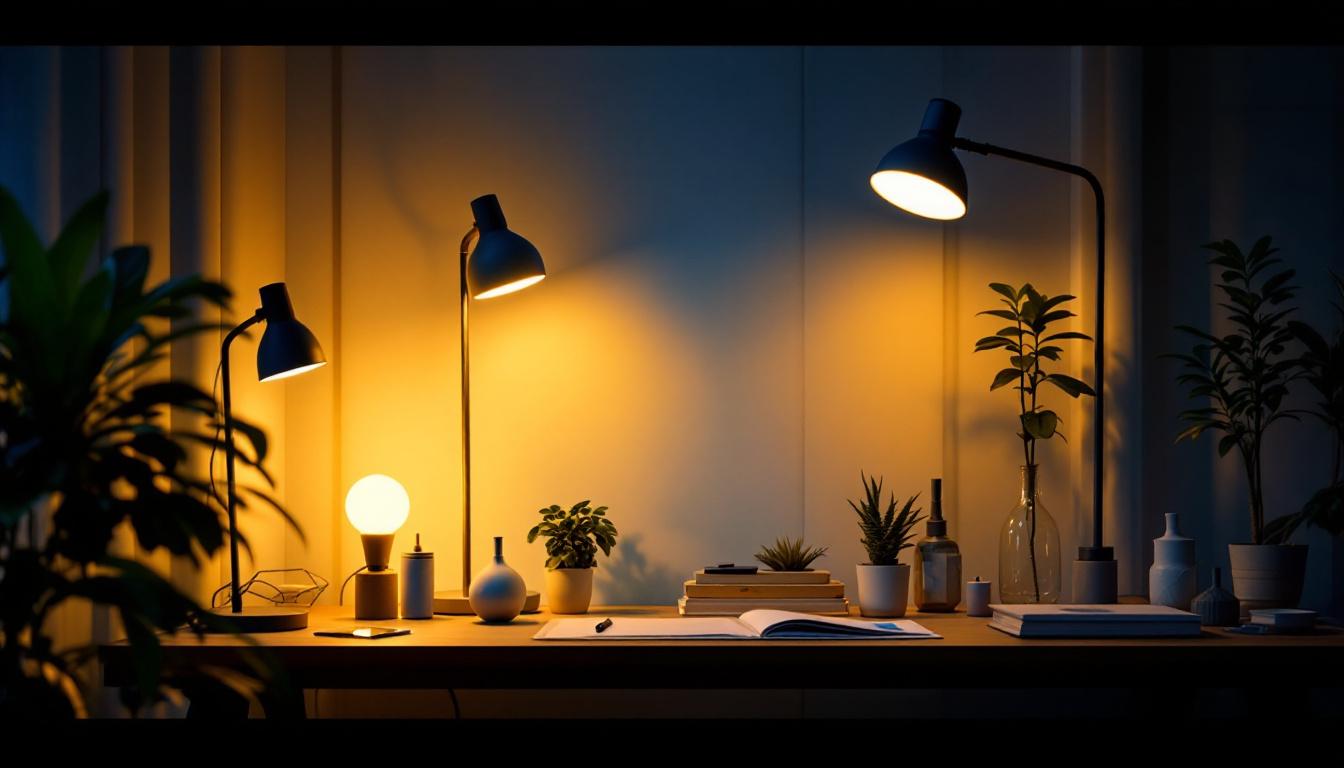
Furthermore, the aesthetic and psychological impacts of lighting should not be overlooked. Well-designed lighting can enhance the ambiance of a space, improve productivity in workplaces, and even influence mood in residential settings. Contractors who understand the interplay between efficiency and design can offer clients solutions that not only save energy but also create inviting and functional environments. By integrating energy-efficient lighting with smart design principles, contractors can help clients achieve a balance between sustainability and visual appeal, ensuring that spaces are both economically and aesthetically optimized.
Key Technologies Driving Lamp Efficiency
LED Technology: The Industry Standard
Light Emitting Diodes (LEDs) have revolutionized the lighting industry by offering superior energy efficiency, longer lifespan, and better light quality compared to traditional incandescent and fluorescent lamps. LEDs convert a higher percentage of electrical energy into visible light, which means less energy is wasted as heat. This efficiency translates into lower operational costs and reduced environmental impact.
Manufacturers continue to refine LED technology by improving chip design, heat dissipation methods, and driver electronics. These advancements have led to lamps with higher lumen output per watt, better color rendering indices (CRI), and enhanced dimming capabilities. For lighting contractors, specifying LED lamps that meet these criteria ensures optimal performance and customer satisfaction. Furthermore, the versatility of LEDs allows them to be used in a variety of applications, from residential to commercial and even industrial settings, making them a go-to choice for modern lighting solutions.
In addition to their efficiency, LEDs are also available in a wide range of color temperatures, allowing for greater customization in lighting design. This means that whether you’re aiming for a warm, inviting glow in a living room or a bright, energizing light in an office space, there is an LED solution that can meet those needs. As the technology continues to evolve, we can expect to see even more innovative applications, such as tunable white LEDs that can adjust color temperature throughout the day to mimic natural sunlight, enhancing both mood and productivity.
Smart Lighting Controls and Integration
Efficiency is not solely dependent on the lamp itself but also on how the lighting system is controlled and integrated. Smart lighting controls, including occupancy sensors, daylight harvesting systems, and programmable timers, allow for dynamic adjustment of lighting levels based on real-time conditions. This reduces unnecessary energy consumption by ensuring lights are only on when needed.
Manufacturers are increasingly producing lamps and fixtures compatible with these control systems, facilitating seamless integration. Lighting contractors should prioritize products that support protocols like DALI, Zigbee, or Bluetooth Mesh to provide clients with flexible, scalable solutions that optimize energy use. The rise of the Internet of Things (IoT) has further enhanced these capabilities, enabling remote monitoring and control through smartphones or centralized management systems, which can lead to even greater energy savings and improved user experience.
Moreover, the integration of smart lighting with other building management systems can create a holistic approach to energy efficiency. For instance, when combined with HVAC systems, smart lighting can adjust based on occupancy and external weather conditions, ensuring that energy is not wasted in unoccupied spaces. This interconnectedness not only enhances the efficiency of individual systems but also contributes to a more sustainable and intelligent building ecosystem, paving the way for future advancements in energy management and smart city initiatives.
Design Considerations for Maximizing Lamp Efficiency
Choosing the Right Lamp for the Application
Efficiency optimization begins with selecting the appropriate lamp type for the specific application. Factors such as lumen requirements, color temperature, beam angle, and environmental conditions influence lamp performance. For example, a high-bay LED fixture with a narrow beam angle is ideal for warehouses, while a wider beam angle may be better suited for office spaces.
Manufacturers offer a wide range of lamps tailored to different settings. Lighting contractors must evaluate the space’s lighting needs carefully to avoid over-illumination or underperformance, both of which can waste energy or compromise functionality.
Thermal Management and Fixture Design
Heat is a critical factor affecting lamp efficiency and longevity, particularly for LEDs. Excessive heat can degrade LED chips and reduce lumen output over time. Manufacturers address this by designing fixtures with effective thermal management systems, such as heat sinks and ventilation features.
Contractors should verify that the lamps and fixtures they install have proper thermal design to maintain efficiency throughout the product’s lifespan. Installing lamps in enclosed or poorly ventilated fixtures without adequate heat dissipation can lead to premature failure and increased maintenance costs.
Best Practices for Installation and Maintenance
Proper Installation Techniques
Even the most efficient lamps can underperform if not installed correctly. Ensuring proper electrical connections, avoiding incompatible dimmers or control systems, and following manufacturer guidelines are essential steps. Lighting contractors should also consider the orientation and positioning of lamps to maximize light distribution and minimize shadows or glare.
In commercial settings, coordinating with electrical engineers and facility managers can help optimize lighting layouts and control strategies, further enhancing efficiency.
Routine Maintenance and Monitoring
Regular maintenance extends the life and efficiency of lighting systems. This includes cleaning fixtures to prevent dust accumulation, which can reduce light output, and promptly replacing lamps that exhibit signs of degradation. Some manufacturers now offer lamps with built-in diagnostics or compatibility with building management systems, enabling real-time performance monitoring.
Lighting contractors can provide value-added services by offering maintenance plans that include periodic inspections and performance assessments. This proactive approach helps clients maintain optimal lighting efficiency and avoid costly replacements or energy waste.
Environmental and Regulatory Considerations
Compliance with Energy Standards
Energy efficiency regulations and standards continue to evolve globally, influencing lamp design and manufacturing. Programs such as ENERGY STAR, DLC (DesignLights Consortium), and regional energy codes set benchmarks for lamp performance. Manufacturers that comply with these standards ensure their products meet minimum efficiency requirements and often qualify for utility rebates or incentives.
Lighting contractors must stay abreast of these regulations to recommend compliant products and help clients take advantage of available incentives, ultimately reducing project costs and improving sustainability.
Reducing Environmental Impact
Beyond energy savings, efficient lighting contributes to reducing greenhouse gas emissions and minimizing hazardous waste. LED lamps, for instance, contain no mercury and have lower disposal impacts compared to fluorescent lamps. Manufacturers are also exploring recyclable materials and sustainable packaging to further reduce environmental footprints.
Contractors can emphasize these environmental benefits when advising clients, aligning lighting projects with corporate social responsibility goals and green building certifications such as LEED or BREEAM.
Future Trends and Innovations in Lamp Manufacturing
Advancements in Nanotechnology and Materials Science
Emerging technologies in nanomaterials and semiconductor design promise to push lamp efficiency even further. Innovations such as quantum dot LEDs (QLEDs) offer enhanced color accuracy and brightness at lower power consumption. Manufacturers investing in these cutting-edge materials are poised to deliver next-generation lamps that outperform current standards.
Lighting contractors should monitor these developments to anticipate shifts in product availability and performance benchmarks, ensuring they remain competitive and knowledgeable.
Integration with IoT and Building Automation
The integration of lighting systems with the Internet of Things (IoT) and building automation platforms is transforming how lighting is managed. Lamps equipped with sensors and connectivity enable data-driven energy optimization, predictive maintenance, and personalized lighting experiences.
Manufacturers are increasingly offering smart lamps that communicate with other building systems, creating opportunities for contractors to design holistic solutions that maximize efficiency and user comfort.
Conclusion
Optimizing lamp efficiency is a multifaceted endeavor that involves understanding the latest technologies, selecting appropriate products, ensuring proper installation, and maintaining systems effectively. For lighting contractors, partnering with reputable manufacturers who prioritize innovation and compliance is essential to delivering high-performance lighting solutions.
By embracing advancements in LED technology, smart controls, and sustainable design, contractors can help clients achieve significant energy savings, reduce environmental impact, and enhance occupant satisfaction. Staying informed about regulatory changes and emerging trends will ensure that lighting professionals remain at the forefront of efficiency optimization in the evolving landscape of lighting technology.
Get Your High-Efficiency Lighting Solutions at LumenWholesale
Ready to take the next step in optimizing your lighting projects for maximum efficiency? Look no further than LumenWholesale for all your lighting needs. We provide contractors with the highest quality, spec-grade lighting products at unbeatable wholesale prices, ensuring you get the most reliable and high-performance lighting without the burden of inflated costs. With our commitment to quality, affordability, and convenience, plus free shipping on bulk orders, you can trust LumenWholesale to light up your projects with the best value in the industry. Don’t miss out on premium lighting solutions that meet the highest industry standards. Wholesale Lighting at the Best Value is just a click away.