The Persistent Role of 2 Foot Fluorescent Lights in Commercial Projects
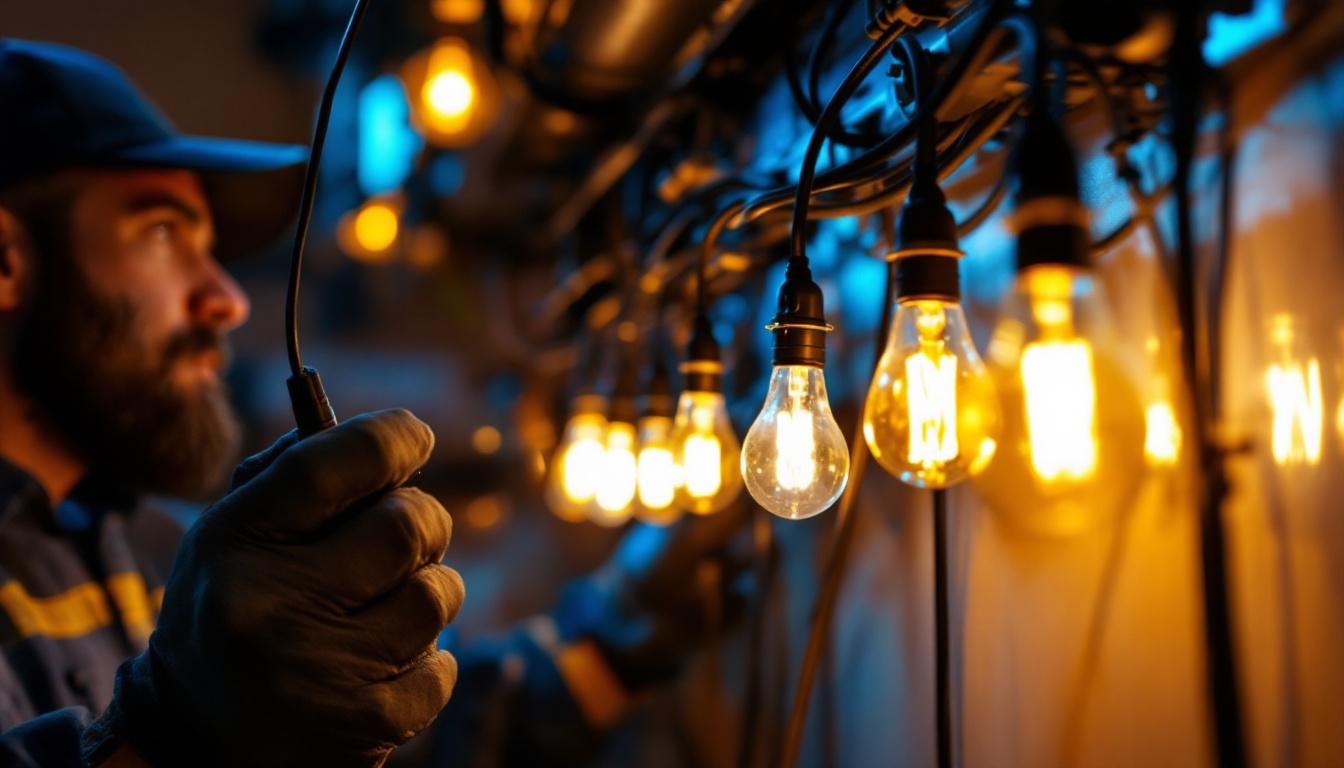
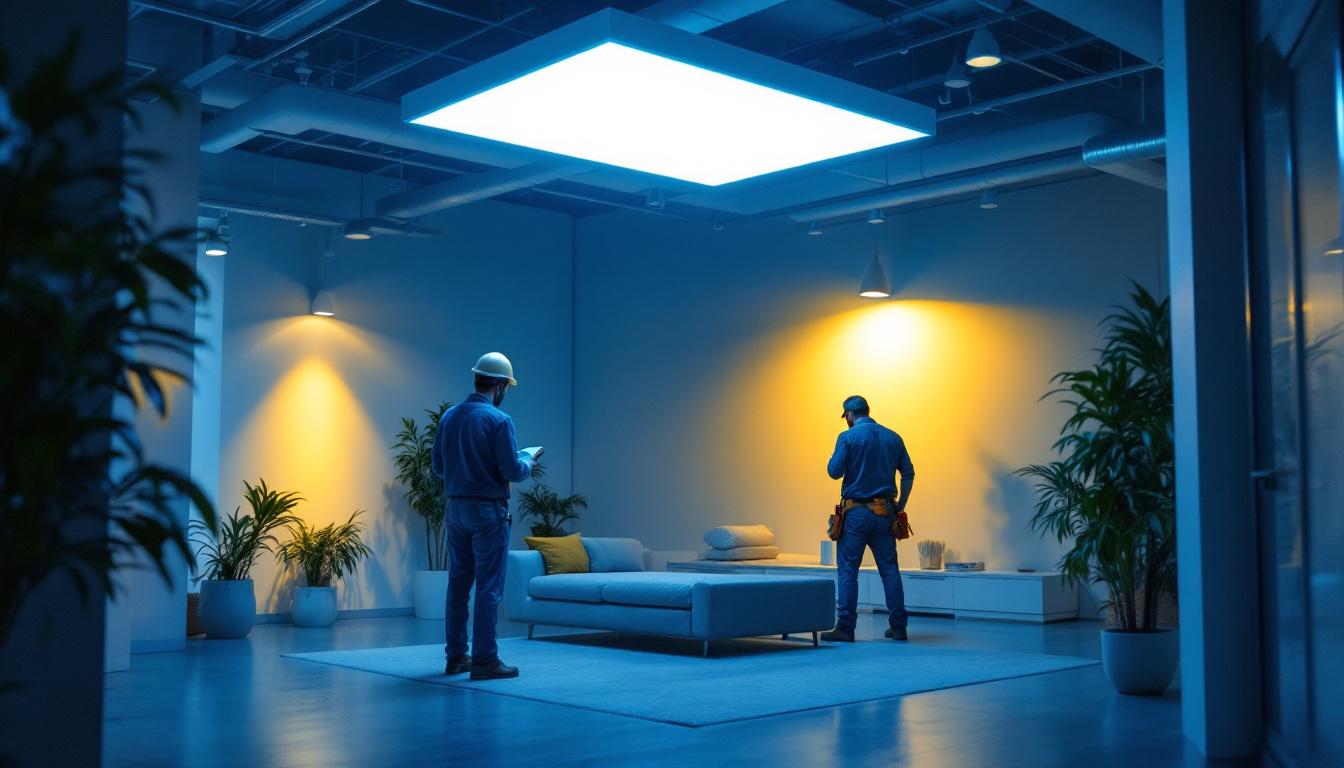
Despite the surge in LED technology, 2 foot fluorescent lights remain a staple in many commercial and industrial lighting projects. Their compact size and reliable illumination make them a go-to option for a variety of applications, from office buildings to warehouses. For lighting contractors, understanding the nuances of these fixtures is essential—not just for installation but for optimizing project costs and long-term client satisfaction.
These lights are often chosen for their balance between size and output. They fit into smaller fixtures and tight spaces where longer tubes won’t work as efficiently. This versatility means contractors frequently encounter them on retrofit projects or when upgrading older lighting systems. Recognizing how these lights influence labor, material costs, and energy consumption can directly impact a contractor’s profitability.
Moreover, the longevity of 2 foot fluorescent lights is another factor that contributes to their ongoing popularity. While LEDs boast longer lifespans, fluorescent lights still offer a respectable operational life, often exceeding 20,000 hours. This durability makes them an attractive option for environments where maintenance access is limited or costly, such as high ceilings in industrial settings. Additionally, the initial cost of fluorescent fixtures is generally lower than that of LED alternatives, making them a budget-friendly choice for many businesses looking to maximize their return on investment.
Furthermore, the color rendering capabilities of fluorescent lights can enhance the aesthetic appeal of commercial spaces. With options available in various color temperatures, these lights can create a more inviting atmosphere in retail environments or improve visibility in workspaces. The ability to choose between warm and cool tones allows contractors to tailor lighting solutions that meet the specific needs of their clients, ensuring that both functionality and ambiance are achieved. As businesses continue to evolve, the role of 2 foot fluorescent lights may adapt, but their foundational place in commercial lighting remains firmly established.
Cost Considerations: Material, Installation, and Maintenance
Initial Material Costs
2 foot fluorescent tubes typically come at a lower upfront cost compared to many LED alternatives. For contractors managing tight budgets or working on projects with limited funding, this can be a decisive factor. However, the price difference is not always as significant as it once was, given the falling costs of LEDs. Still, when purchasing in bulk, fluorescent tubes can offer a cost advantage, especially for large-scale installations. Moreover, it’s essential to consider the energy efficiency of these options over time; while fluorescent tubes may be cheaper initially, LEDs often provide substantial savings on energy bills, which can offset their higher purchase price in the long run.
Installation Complexity and Labor
Installing 2 foot fluorescent lights is generally straightforward, especially for those familiar with traditional lighting systems. The familiarity reduces installation time, which can lower labor costs. However, older fluorescent fixtures often require ballasts, which can complicate installation if replacements or upgrades are necessary. Contractors need to factor in the time and expertise required to handle these components safely. Furthermore, the installation of fluorescent lights may also necessitate additional safety measures, such as protective gear and proper disposal methods for old fixtures, adding to the overall project timeline and cost.
In contrast, LED replacements designed to fit fluorescent sockets can simplify installation by eliminating the need for ballasts. This can reduce labor hours and potential troubleshooting, positively affecting the bottom line. Additionally, many LED products come with user-friendly installation guides and often feature plug-and-play designs, making them accessible even for less experienced contractors. This ease of installation can be a significant selling point for clients looking to minimize disruption during upgrades.
Maintenance and Replacement Costs
Fluorescent tubes have a shorter lifespan compared to LEDs, generally lasting around 7,000 to 15,000 hours. This means more frequent replacements, which increase maintenance costs over time. For contractors managing ongoing service contracts, this can translate into recurring revenue but also higher client expenses. The need for regular maintenance checks on fluorescent systems can also divert valuable time and resources, impacting overall project efficiency. In contrast, LEDs can last upwards of 25,000 to 50,000 hours, significantly reducing the frequency of replacements and maintenance interventions.
Additionally, fluorescent lights contain small amounts of mercury, requiring careful disposal and compliance with environmental regulations. Contractors must consider the cost and logistics of proper disposal, which can add to operational expenses. The environmental impact of fluorescent lighting is becoming increasingly scrutinized, and many clients are now prioritizing eco-friendly solutions. This shift in consumer preference not only influences the choice of materials but also places a premium on contractors who can demonstrate a commitment to sustainability. As a result, investing in LED technology not only reduces maintenance costs but also aligns with modern environmental standards, making it an attractive option for both contractors and clients alike.
Energy Efficiency and Its Financial Impact
Energy consumption is a critical factor for clients looking to reduce operational costs. Two-foot fluorescent lights consume more power per lumen than modern LED alternatives. This inefficiency can lead to higher utility bills, which clients often scrutinize closely. Furthermore, as energy prices continue to rise, the financial burden of outdated lighting systems becomes increasingly pronounced. Clients are not only concerned about immediate costs but also about the long-term implications of their energy choices on their overall budget and sustainability goals.
Lighting contractors who recommend or install 2 foot fluorescents should be prepared to discuss long-term energy costs with clients. While the initial investment might be lower, the ongoing energy expenses can erode savings. For contractors, this presents an opportunity to upsell more energy-efficient solutions or retrofit kits that improve performance without a full fixture replacement. Additionally, educating clients on the benefits of energy-efficient lighting can foster a sense of partnership, where clients feel empowered to make informed decisions that align with their financial and environmental objectives.
Case Study: Warehouse Retrofit
Consider a warehouse using 2 foot fluorescent tubes for general lighting. Switching to LED equivalents can reduce energy consumption by up to 50%. Over the lifespan of the lighting system, this translates into thousands of dollars saved in electricity costs. Contractors who provide clients with detailed energy savings analyses often secure higher-value contracts and build stronger client relationships. Moreover, the transition to LED lighting can also enhance the quality of illumination, leading to improved workplace safety and productivity. Well-lit environments reduce the risk of accidents and can even boost employee morale, creating a more efficient and enjoyable workspace.
In addition to the financial savings and improved lighting quality, many clients are increasingly motivated by sustainability concerns. By opting for LED lighting, businesses can significantly lower their carbon footprint, contributing to broader environmental goals. This shift not only aligns with corporate social responsibility initiatives but can also enhance a company’s reputation among environmentally conscious consumers. Lighting contractors who highlight these benefits can position themselves as not just service providers, but as partners in their clients’ sustainability journeys, paving the way for future collaborations and referrals.
Regulatory Compliance and Market Trends
Environmental regulations increasingly restrict the use of fluorescent lighting due to mercury content and energy inefficiency. Lighting contractors must stay informed about local and federal guidelines to avoid compliance issues that can delay projects or incur fines. The shift towards stricter regulations is not just a matter of compliance; it reflects a broader societal commitment to reducing environmental impact. As such, staying ahead of these changes is crucial for contractors who wish to maintain a reputable standing in the industry and foster trust with their clients.
Additionally, many clients are now prioritizing sustainability. Offering lighting solutions that align with green building certifications or energy rebate programs can differentiate a contractor’s services. While 2 foot fluorescent lights may still be viable, contractors should be ready to propose alternatives that meet evolving standards. The rise of smart lighting technologies, for instance, has opened new avenues for energy efficiency. By integrating IoT devices, contractors can provide clients with systems that not only reduce energy consumption but also enhance user experience through automation and remote control capabilities.
Incentives and Rebates
Utility companies and government programs often provide rebates for upgrading to energy-efficient lighting. These incentives can offset the higher upfront cost of LED replacements. Contractors who understand and leverage these programs can improve project economics for their clients and increase their own competitive edge. Moreover, staying updated on the latest incentive programs can enable contractors to offer tailored solutions that maximize savings for their clients, making the transition to energy-efficient lighting more appealing.
Furthermore, as the market for energy-efficient lighting continues to grow, so does the potential for innovative financing options. Some contractors are exploring energy-as-a-service models, where clients pay for the energy savings rather than the equipment itself. This approach not only alleviates the initial financial burden on clients but also fosters long-term partnerships between contractors and their customers. By embracing such forward-thinking strategies, contractors can position themselves as leaders in the evolving landscape of sustainable lighting solutions, ensuring they remain relevant and competitive in a rapidly changing market.
Balancing Client Needs and Profit Margins
Every lighting project involves balancing cost, performance, and client expectations. For contractors, the choice to use 2 foot fluorescent lights should be strategic. In some cases, they remain the most practical and cost-effective option, especially for short-term or budget-constrained projects.
However, contractors who proactively educate clients about the total cost of ownership-including energy, maintenance, and disposal-can position themselves as trusted advisors. This approach often leads to higher-margin projects and repeat business.
Custom Solutions and Hybrid Approaches
Some contractors adopt hybrid strategies, combining fluorescent and LED lighting to meet specific needs. For example, using 2 foot fluorescents in areas with low usage while installing LEDs in high-traffic zones can optimize costs and performance. Tailoring solutions based on detailed site assessments helps maximize value for both clients and contractors.
Conclusion: Strategic Use of 2 Foot Fluorescent Lights
For lighting contractors, 2 foot fluorescent lights remain relevant but require careful consideration. Their impact on the bottom line extends beyond initial costs to include installation, maintenance, energy consumption, and regulatory compliance. By understanding these factors and communicating them effectively to clients, contractors can make informed decisions that enhance profitability and client satisfaction.
Staying current with market trends and emerging technologies ensures contractors can offer the best solutions for each project. Whether choosing to install, retrofit, or replace 2 foot fluorescent lights, a strategic approach will always yield the best financial outcomes.
Illuminate Your Projects with LumenWholesale
Ready to enhance your lighting projects while boosting your bottom line? At LumenWholesale, we provide lighting contractors like you with the highest quality, spec-grade lighting products at unbeatable wholesale prices. Say goodbye to local distributor markups and hello to a vast selection of reliable, high-performance lighting that meets the most rigorous industry standards. With free shipping on bulk orders, you can stock up on premium lighting solutions at the best value — all without hidden fees or compromises. Elevate your lighting game and experience the perfect blend of quality, affordability, and convenience. Visit LumenWholesale today for Wholesale Lighting at the Best Value.